Quick Answer (TL;DR): A dedicated torch for car gloveboxes must endure cabin heat exceeding 70°C, fine bull dust, and constant track vibrations. Select a sealed aluminum body rated IPX6 or higher, featuring tactile physical controls, a magnetic base, and stable battery chemistry with minimal parasitic drain for dependable roadside breakdowns.
| Vehicle Placement | Primary Environmental Hazard | Recommended Switch Style | Ideal Power Source |
|---|---|---|---|
| Dashboard Glovebox | Trapped thermal radiation (65°C to 80°C) | Mechanical tail cap or recessed metal side switch | Protected Li-ion or primary lithium cells |
| Front Door Pocket | Direct red bull dust ingress, door slam shock | Sealed rotary dial or heavy textured switch | Rechargeable Li-ion with onboard charging |
| Centre Console / Armrest | Loose gear friction, accidental bezel activation | Physical lockout or dual-stage tail switch | USB-C or magnetic docking rechargeable cell |
Crossing regional Australia demands meticulous preparation for remote tracks, mechanical failures, and unpredictable wildlife crossings after twilight. Leaving towns behind means total reliance on tools packed inside your vehicle cabin. An everyday household flashlight quickly falters under red bull dust, summer heat, and corrugations. This guide breaks down thermal thresholds, switch durability, and battery runtimes so you can choose a dependable torch for car storage that works flawlessly when an outback tyre blows.
Quick answer: a compact torch with low self-discharge, a tail or side switch you can find by feel and a dust-tolerant body suits most car kits
A vehicle emergency tool must operate without hesitation after remaining dormant in dark storage compartments for months. The best setup relies on sealed, hard-anodised aluminum capable of deflecting coarse grit, accompanied by a switch mechanism you can toggle blindfolded while kneeling in deep track ruts. Selecting an all-weather Olight Baton 4 torch for car setups delivers up to 1,300 lumens and 30 days of moonlight runtime from a lightweight form factor.
Low standby parasitic drain ensures the stored cell holds steady voltage throughout changing seasons. When inspecting radiator hoses or positioning a high-lift jack on gravel, soft beam flood profiles prevent harsh blinding back-scatter. Tactile side switches or pronounced tail clickers allow smooth cycling between moonlight and high modes, even with oil-stained hands or heavy canvas work gloves on.
 Hands-free illumination and dependable switches allow fast mechanical checks when stranded along unlit outback routes.
Rechargeable vs AA lithium vs alkaline for a torch that sits for months
Battery chemistry defines whether your emergency lighting hardware wakes up or fails completely. Conventional alkaline batteries represent an extreme hazard inside parked vehicles across regional Australia. Elevated cabin heat degrades thin internal seal separators, venting potassium hydroxide electrolyte that corrodes electrical springs and welds barrel threads shut. Never store disposable alkaline cells inside an outback kit.
Standard primary AA lithium (lithium iron disulfide, Li-FeS2) cells remain popular backup options because they tolerate wide thermal fluctuations (-40°C to 60°C) and boast up to twenty years of shelf life without leakage. Many touring drivers pack a dual-fuel light like the Olight i3T 2 EDC torch for car spares because its universal body accepts standard alkaline cells in a pinch or a 10440 rechargeable cell for an instant 300-lumen boost.
For modern touring rigs equipped with auxiliary dual-battery systems or active 12V sockets, modern rechargeable lithium-ion cells provide superior convenience and daily power. High-capacity 18650 or 21700 cells support multi-hour engine bay diagnostics while recharging cleanly via USB-C or magnetic cables. Investing in a dual-switch Olight Baton 4 Pro torch for car emergencies guarantees 1,600 lumens and hidden port protection against ambient dust.
How hot does a glovebox get in an Australian summer?
When ambient daytime temperatures climb above 40°C in the Pilbara, Red Centre, or western Queensland, passenger vehicle cabins turn into heat sinks. Solar thermal radiation penetrates windscreens and superheats vinyl, plastics, and metal dash braces. Comprehensive cabin climate testing by motoring safety clubs demonstrates that internal vehicle surfaces regularly climb past 70°C under full afternoon sun (Source: RACQ Car Interior Temperature Test).
Although gloveboxes escape direct sun glare, they sit encased beneath baking synthetic dashboard assemblies without airflow. Trapped thermal pockets routinely hover between 60°C and 75°C. Storing a low-grade plastic torch for car compartments under these thermal loads induces lens warping, rapid battery degradation, and switch boot dry-rotting.
The Australian Bureau of Meteorology continually documents summer records where interior towns exceed 45°C in shade (Source: Bureau of Meteorology Australian Climate Extremes). Premium flashlights constructed from aircraft-grade aluminum alloy serve as heat spreaders, protecting digital circuits and certified cells from localized thermal spikes.
Dust, vibration and corrugations: what fails first
Traversing unsealed outback arteries such as the Oodnadatta Track or Gibb River Road subjects chassis mounts and cabin accessories to relentless vibration. Corrugations generate high-frequency oscillations that shake loose switch retaining rings, battery contact springs, and poor solder joints. A standard domestic flashlight shaken inside a glovebox will rattle its internal components apart within days.
Microscopic red bull dust creates the next mechanical hazard. Talcum-fine silica penetrates vehicle weather seals, settling into sliding switch crevices and USB charging points. Unguarded charge ports clog fast, blocking clean contact Pins. An emergency torch for car breakdowns should feature IPX6 water resistance or IPX8 submersion protection alongside robust silicone O-rings lubricated with synthetic grease.
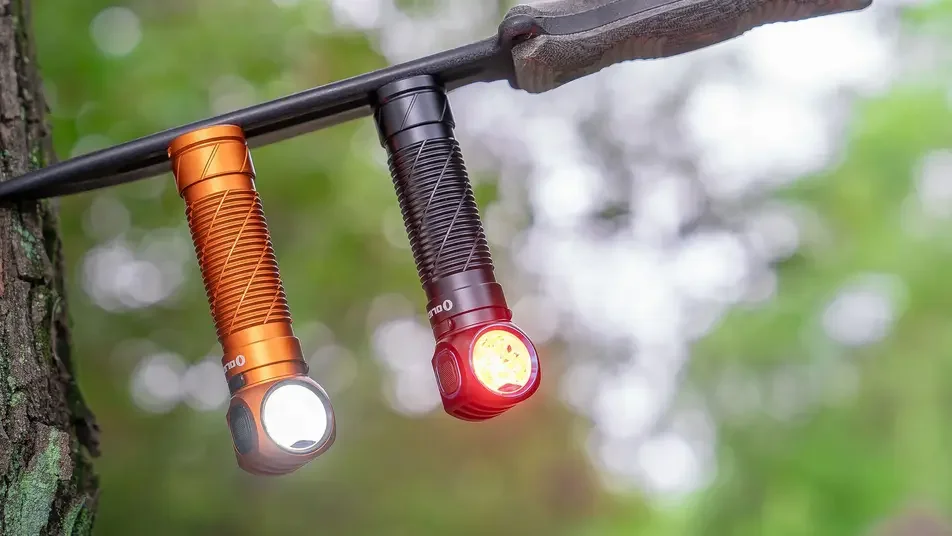
For versatile mounting across dirty chassis frames, the Olight Oclip Pro torch for car maintenance provides flood, spot, and red beacon modes, latching securely to wheel arches or engine bonnets using an integrated high-tension clamp and magnetic pad.
Where should a car torch live: glovebox, door pocket or console?
Accessibility dictates survival utility during road mishaps. While vehicle owners instinctively toss lights into passenger gloveboxes, that compartment is difficult to access quickly if you suffer a driver-side rollover or sudden tyre deflation on narrow tracks. Storing your primary torch for car kits inside the driver-side door pocket ensures rapid retrieval the moment you step onto the road shoulder.
Centre consoles offer thermal shielding from dashboard radiant heat and protect gear from external dust ingress. However, loose tools, coins, and drink bottles can accidentally compress switch caps, discharging the battery unnoticed. Always activate the physical bezel lockout or electronic switch lockout before stowing your light in a crowded armrest bin.
Many professional outback travelers adopt a two-light system: a compact clip-on light secured near the driver door sill for immediate hazard assessment, and a powerful high-capacity torch for car work mounted securely in the rear cargo drawer alongside recovery straps and tyre deflators.
A three-monthly car torch check
A neglected glovebox tool will eventually let you down. Scheduling a quarterly inspection aligned with seasonal vehicle oil checks ensures your mobile lighting gear remains functional when off-grid. Inspecting and maintaining an active torch for car duties requires less than five minutes of preventative bench maintenance.
Follow this practical checklist every three months:
- Voltage and Charge Verification: Top up rechargeable lithium cells to full capacity. If using primary cells, check terminal dates and replace any expired spares.
- Thread and Contact Cleaning: Unscrew the tail cap to clear out abrasive bull dust. Wipe gold-plated springs using an isopropyl alcohol swab to prevent electrical resistance.
- O-Ring Inspection: Check that rubber sealing gaskets show no signs of flat spots or dry cracking. Apply a pinpoint bead of pure silicone grease along all threads.
- Optic Lens Wipe: Remove road grime and dust films using an optical microfiber cloth to maintain peak candela throw and clean beam output.
- Switch Cycle and Lockout Test: Run the driver circuit through all operational modes, confirm the battery indicator lights function, and lock the switch before returning it to the cabin.
Routine maintenance guarantees your emergency gear survives continuous bush vibration and performs safely along dark highway shoulders.

Compact Everyday Powerhouse
Delivering an impressive 1,300 lumens with a 170-metre throw, the Baton 4 features laser micro-perforated battery indicators, a rugged metal side switch, and up to 30 days of moonlight runtime.
- Max Output: 1,300 lumens
- Beam Distance: 170 metres
- Waterproof Rating: IPX8 submersible
- Battery: Customized 650mAh IMR 16340

Slim Glovebox Backup
Weighing just 41.8g, this versatile penlight supports single AAA batteries or rechargeable 10440 cells for up to 300 lumens. Features a handy dual-direction pocket clip and an IPX8 waterproof housing.
- Max Output: 200 lumens (AAA) / 300 lumens (10440)
- Runtime Low: 21 hours on 5 lumens
- Switch Type: Tactical tail switch
- Body: Hard-anodised aluminum alloy

Hands-Free Roadside Guardian
Combines an intense 500-lumen floodlight, focused spotlight, and red emergency signal with a magnetic clamp that attaches to vehicle body panels or caps for quick roadside tyre changes.
- Versatile Modes: Floodlight, Spotlight & Red Light
- Battery Life: Up to 144 hours runtime
- Charging: USB-C with protective cover
- Mounting: 14mm clamp and magnetic base
Frequently asked questions
What is the best torch light for a car?
The ideal model is a compact aluminum LED light featuring IPX8 water protection, low standby parasitic drain, and an integrated magnetic base. Stowing an IPX8 rated torch for car compartments ensures that cabin heat and dust will not compromise its reliability during nighttime wheel changes.
What is a car torch?
A car torch is an emergency automotive flashlight engineered to tolerate cabin heat, rough corrugations, and prolonged storage. Using a dedicated torch for car emergencies provides stable illumination for roadside repairs, tire inflation, and signaling when standard vehicle interior lights cannot provide adequate visibility.
What is the best mechanic torch?
The best mechanic torch incorporates wide flood beam distribution, strong magnetic mounting, and hands-free body clips. Choosing a clip-equipped torch for car mechanical maintenance lets you affix the housing directly to the vehicle hood frame or brake calipers, freeing both hands for ratchet and spanner work.