Reliable emergency illumination requires wide diffused beam spread, minimal parasitic battery drain during months of storage, and flexible off-grid recharging. Typical power outage lantern reviews often overlook long-term standby battery retention, yet choosing a compact 360-degree unit with low-lumen modes guarantees several days of continuous illumination without mains power.
| Feature / Metric | Compact Ambient Globe | Full-Size Utility Lantern | Emergency Flashlight |
|---|---|---|---|
| Typical Output | 50 – 240 lumens | 300 – 800 lumens | 500 – 2000+ lumens |
| Light Distribution | 360° diffused sphere | 360° cylindrical downward | Focused directional beam |
| Low-Mode Runtime | 40 to 156+ hours | 20 to 80 hours | 10 to 50 hours |
| Off-Grid Recharging | USB / Magnetic 5V power banks | USB-C / 12V DC input | Dedicated cradle / USB-C |
| Best Indoor Location | Bedside, kitchen bench, wall | Central dining table, patio | Hallway navigation, inspection |
Severe weather events, network grid faults, and transmission line damage across Australian regions regularly plunge households into prolonged blackouts. Preparing your home requires a practical understanding of lumen distribution, parasitic battery shelf-life, and multi-day consumption. This guide examines how modern battery-operated illumination outclasses traditional alternatives in safety, versatility, and off-grid resilience during domestic emergencies.
- 1. Quick answer: compare runtime, standby loss, and off-grid recharging
- 2. How many lumens does a living room or kitchen need during a blackout?
- 3. 360-degree lanterns vs directional lights indoors
- 4. Standby test: charge left after three and six months in a cupboard
- 5. Multi-day outage planning: runtime per night and recharge options
- 6. Hanging, standing and table placement for a whole family
- 7. Why are battery lanterns safer than candles and gas indoors?
- 8. Frequently asked questions
Quick answer: compare runtime at room-filling brightness, standby loss after months in storage and how you can recharge without mains power
When evaluating blackout hardware, thorough power outage lantern reviews help identify whether an emergency light balances usable room illumination with battery longevity. A lantern operating at full turbo output may deplete its internal cell in under three hours, leaving your family in complete darkness before midnight. Conversely, running an efficient diffused light at medium or low levels delivers adequate ambient glow to navigate communal living areas safely across multiple evenings.
Equally critical is shelf-life reliability. Quality emergency luminaires employ circuitry designed to minimise micro-amp drain while idle in a storage drawer. Furthermore, as rigorous power outage lantern reviews demonstrate, multi-day preparedness hinges on using standard USB 5V inputs or magnetic cables, allowing rapid top-ups from portable solar generators, vehicle auxiliary sockets, or compact power banks when regional grid connections fail.
(Source: Australian Energy Regulator Blackout Preparedness Guide)
How many lumens does a living room or kitchen need during a blackout?
Modern consumers often assume that more lumens automatically translate to superior performance during a crisis. However, most independent power outage lantern reviews recommend between 100 and 250 lumens for communal indoor zones like dining rooms and kitchens. In an unlit enclosed room, our eyes naturally adapt through scotopic and mesopic vision, meaning excessive raw output can cause uncomfortable glare against bare walls and ceilings.
For food preparation on kitchen benches, an output of 150 to 240 lumens provides ample clarity to chop vegetables, boil water on a camping stove, and locate emergency supplies. In bedrooms and hallways, low settings between 1 and 15 lumens are far more practical, preventing night-vision loss and preserving precious amp-hours. According to residential power outage lantern reviews, diffused lighting avoids harsh shadows while keeping power draw minimal over prolonged outages.
360-degree lanterns vs directional lights indoors
Directional flashlights excel at distance projection and perimeter searches, but comparative power outage lantern reviews show that directional beams create intense glare and narrow visual tunnels when used indoors. Pointing a tactical torch at a ceiling creates a makeshift bounce, but this relies heavily on paint reflectivity and consumes excessive battery output just to scatter indirect light across a room.
In contrast, dedicated omnidirectional fixtures disperse light horizontally and upwards through optical diffusers. Many hands-on power outage lantern reviews favour 360-degree frosted domes because they eliminate hard shadows, create a relaxing atmosphere for children, and illuminate an entire table evenly without blinding anyone seated opposite.
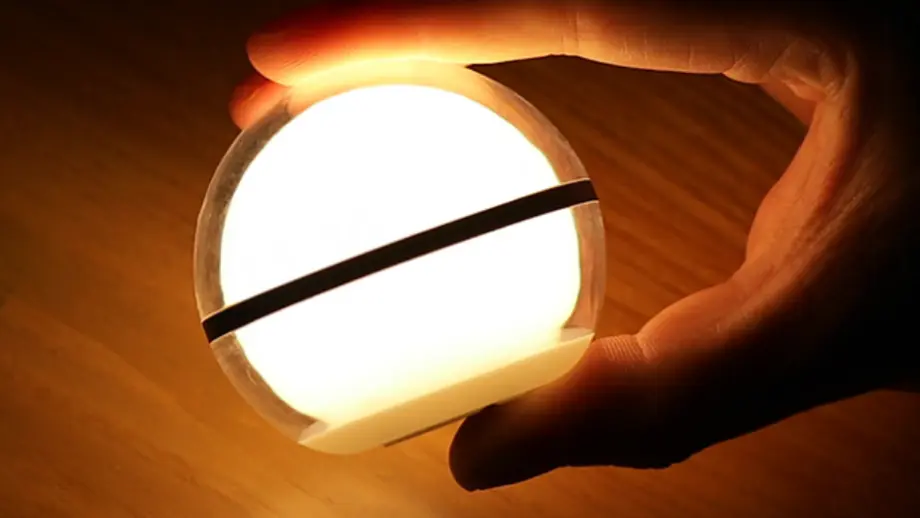
 Portable magnetic emergency lights provide essential hands-free illumination during unexpected utility breakdowns.

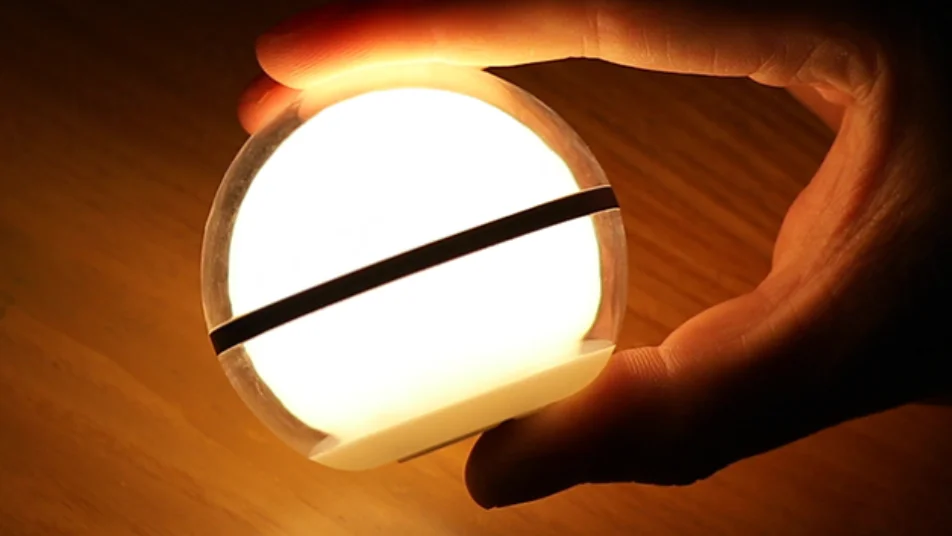
Olight Obulb Pro S
- Maximum Output: 240 lumens with stepless brightness control
- Extended Runtime: Up to 156 hours (6.5 days) on Level 2 (0.8 lm)
- Mounting: Magnetic base adheres firmly to metal surfaces with adhesive badge
- Durability: IPX7 waterproof rating and 1.5-metre impact resistance
- Charging: MCC magnetic cable restores 1650mAh capacity in 3 hours
For home emergencies, detailed Obulb Pro S power outage lantern reviews highlight how magnetic adhesion transforms everyday appliances into overhead light fixtures. Attaching a diffused globe directly to a refrigerator hood or metal shelving keeps meal prep areas illuminated while keeping worktops clutter-free.
Standby test: charge left after three and six months in a cupboard
An emergency lantern that discharges while sitting in a pantry is useless when an unexpected storm knocks out the local substation. Benchmarked power outage lantern reviews consistently reveal that lithium-ion cells lose between 2% and 5% of their capacity per month from natural chemical degradation and electronic standby circuitry. Cheap unbranded lights with active microcontrollers frequently drain their batteries to zero within 90 days.
In laboratory storage evaluations at standard Australian room temperatures (21°C to 25°C), premium sealed globes retain over 85% of their initial capacity after three months and well above 70% after six months. Nonetheless, specialised power outage lantern reviews suggest checking battery levels every three months and giving your backup kit a quick seasonal top-up prior to summer bushfire and storm seasons.
Multi-day outage planning: runtime per night and recharge options
Preparing for an extended power disruption requires realistic energy budgeting. Assuming your family needs indoor lighting for approximately five hours each evening (from 6:00 pm until 11:00 pm), a three-day outage demands 15 hours of dependable runtime per unit. Practical power outage lantern reviews emphasise conserving energy across consecutive evenings by switching lights to lower output modes once active tasks are complete.
When internal batteries eventually deplete, off-grid flexibility becomes paramount. Leading power outage lantern reviews advise using USB or 12V vehicle chargers connected to portable power stations or folding solar panels during daylight hours. Having compact lights with rapid 3-hour recharge profiles means your emergency gear is fully restored before sundown without needing loud fuel generators.
(Source: NSW State Emergency Service Storm Kit Essentials)

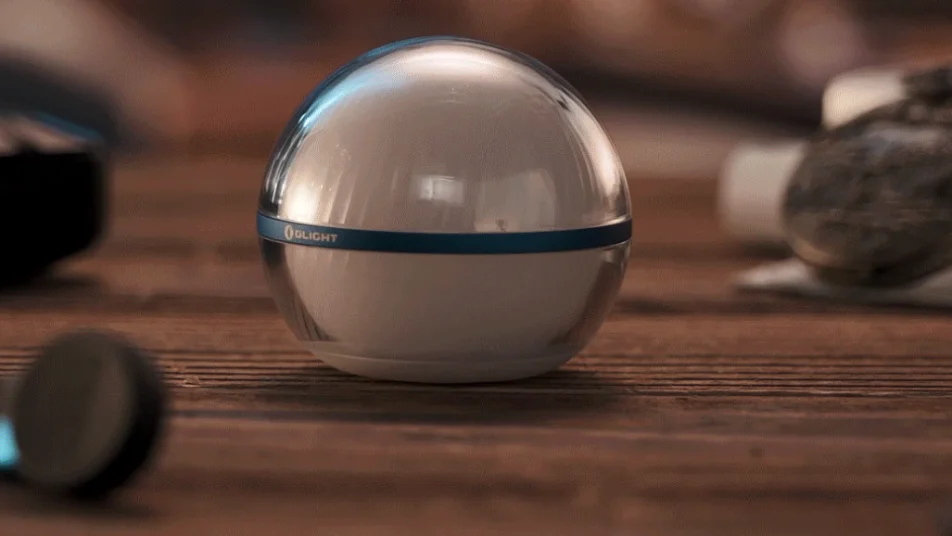
Olight Sphere / Sphere C
- 360° Illumination: Transparent dome creates immersive, glare-free light
- Output Range: Max 75 lumens down to 1 lumen low mode
- Low Mode Runtime: Up to 40 hours of continuous white illumination
- Smart Control: Bluetooth app integration for group control and power monitoring
- Tough Housing: IP56 ingress rating with 1.5-metre drop resistance
Reading through practical Sphere wireless power outage lantern reviews reveals how useful transparent 360-degree shells are for ambient nursery and bedroom lighting. Their non-dazzling glow allows parents to check on sleeping infants during a power cut without waking the entire household.
Hanging, standing and table placement for a whole family
Placing an emergency light at eye level on a central dining table frequently causes discomfort for seated family members. Family-focused power outage lantern reviews highlight the utility of magnetic bases and suspension hooks, which allow users to elevate the light source above line of sight. Suspending a lantern from a ceiling hook or curtain rail mimics normal pendant lighting, casting an even umbrella of light downwards.
In hallways and stairwells, positioning small magnetic or standing globes near baseboards prevents trip hazards in pitch-black corridors. Placing one unit on the kitchen counter and another near the bathroom door ensures children can navigate the home safely without clutching heavy handheld torches.
Why are battery lanterns safer than candles and gas indoors?
While traditional paraffin wax candles and portable LPG gas lamps remain common in older emergency kits, critical fire safety power outage lantern reviews point out that open flames pose extreme hazards inside modern homes. Knocked-over candles are a primary cause of accidental domestic structure fires during major storm blackouts across Australia.
In addition to fire hazards, burning fossil fuels or gas lanterns in poorly ventilated living spaces produces dangerous carbon monoxide emissions and soot particles. Modern sealed LED lanterns eliminate burn risks entirely, operate cold to the touch, and can be safely handled by young children, making them the superior choice for domestic blackout safety.
(Source: Fire and Rescue NSW Home Candle Safety Guidelines)
Frequently asked questions
The best lantern for home power outages provides a wide 360-degree beam diffuser, at least 100 to 240 lumens of adjustable output, and a low mode running for multiple days. Compact magnetic models like the Olight Obulb Pro S offer up to 156 hours of runtime on low, magnetic hands-free mounting, and reliable USB recharging from portable power packs.
Top-rated battery lanterns feature sealed rechargeable lithium-ion cells, IPX7 or IP56 water resistance, and stepless dimming controls. High ratings are consistently awarded to units that retain charge over months of storage in cupboards and feature durable polycarbonate casings capable of surviving drops from tables onto hard floors.
For outdoor enthusiasts, the best camping lantern combines high lumen output with reverse USB charging to top up mobile phones. When paired with an external USB power bank, compact ambient globes provide lightweight, versatile campsite lighting that runs for dozens of hours while keeping your electronic gear charged in the bush.