TL;DR: When learning how to choose camping lantern hardware, focus on a smooth 360-degree light spread, stepless dimming, and warm colour tones rather than peak output. Reliable camp illumination requires stable hanging or magnetic mounting and sufficient rechargeable runtime to support at least two full evenings off-grid across Australian campsites.
| Camping Scenario | Ideal Light Spread | Recommended Lumens | Primary Mounting Need | Target Runtime |
|---|---|---|---|---|
| Inside Swag or Hiking Tent | Diffused 360° Omnidirectional | 1 – 20 lumens | Magnetic base or top hook | 40+ hours (Low mode) |
| Camp Kitchen & Picnic Table | Downward wide flood | 80 – 240 lumens | Stable flat base or pole hang | 6 – 12 hours |
| 4WD Awning & Gazebo | Warm ambient perimeter | 50 – 150 lumens | Magnetic attachment to steel poles | 8 – 16 hours |
Finding the right lighting setup can transform your outdoor trips from clumsy fumbling in the dark to effortless relaxation under the stars. Australian wilderness conditions demand robust gear that balances battery conservation with functional visibility. This guide explains how to select the right optical characteristics, power options, and physical attachments so you can decide exactly how to choose camping lantern gear suited to your regional travel demands.
Table of Contents
- Quick answer: choose by light spread and dimming first, then colour temperature, hanging options and a runtime that covers two nights on medium
- 360° spread vs directional: where the light actually lands
- Why do dimming range and warm colour matter more than peak lumens?
- Hanging, standing and magnetic options for tents, awnings and tables
- Rechargeable, AA or gas: running costs and convenience
- How long should a lantern last between charges?
- Water, dust and knocks at camp
- Frequently asked questions
Quick answer: choose by light spread and dimming first, then colour temperature, hanging options and a runtime that covers two nights on medium
If you want a straightforward rule for how to choose camping lantern models, prioritise beam diffusion over peak intensity. A harsh bulb producing a piercing hotspot creates glare that ruins night vision, while an engineered frosted globe disperses smooth photons across a shared campsite table. Understanding how to choose camping lantern optics begins with checking whether the beam profile delivers uniform perimeter coverage without blinding everyone seated nearby.
Next, evaluate dimming precision and battery capacity. A reliable camp lantern must operate continuously for at least two consecutive evenings (roughly 8 to 12 hours total) on a medium brightness setting without requiring mid-trip recharging. Combining stepless dimming, warm LED tinting, and multifaceted mounting brackets guarantees that your illumination adapts smoothly from meal preparation to midnight tent reading.
360° spread vs directional: where the light actually lands
When evaluating how to choose camping lantern equipment, light distribution dictates how functional your camp perimeter feels. Directional torches produce focused central beams designed for distance spotting, but placing a directional beam on a picnic bench creates sharp shadows and blinding eye-level reflections. In contrast, lanterns with true 360-degree diffusion cast uniform, omnidirectional light that bounces off canopy fabric and ground surfaces.
Camp layouts require deliberate placement. Position an omnidirectional globe lantern centrally for communal dining, and reserve directional lanterns or downward-angled task lamps for cooking stations where precise food inspection is mandatory. As park authorities note in outdoor safety documentation, organised task areas reduce trip hazards and prevent burns around portable camp stoves (Source: NSW National Parks and Wildlife Service Bushwalking Safety).
Why do dimming range and warm colour matter more than peak lumens?
Marketing specifications often highlight massive peak lumen numbers, yet high brightness is rarely comfortable inside a quiet campground. An excessive white beam strips away natural night-adapted vision and attracts nocturnal insects. Mastering how to choose camping lantern features means seeking stepless dimming controls that let you dial down output to gentle moonlight levels between 1 and 10 lumens for interior tent use.
Colour temperature plays an equally vital role. Cool white LEDs (above 5500K) feel clinical and disrupt circadian rhythms before sleep, while warm white and amber emitters (below 3000K) create a restful environment similar to a traditional campfire. Exploring the how to choose camping lantern dynamic reveals that low-glare warm hues or dedicated red-light modes preserve dark adaptation while discouraging swarms of midges and moths in Australian bush settings.Olight Obulb Pro S
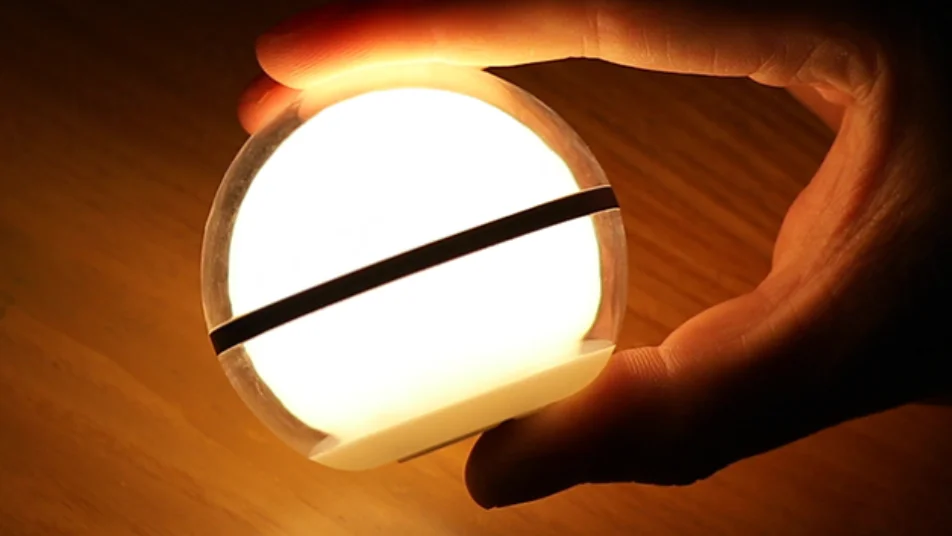
 App-Controlled Magnetic Orb Light
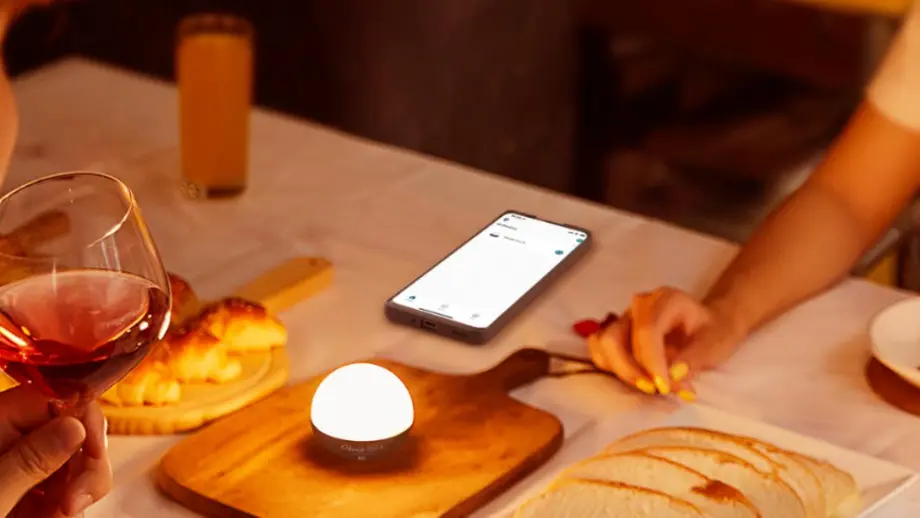
Delivering up to 240 lumens with stepless manual or app dimming, the Obulb Pro S features a magnetic base, warm LEDs, and multiple colour settings. Its 1650mAh internal battery provides up to 156 hours of runtime on low mode (0.8 lumens) and 2.5 hours on peak white light.
- IPX7 waterproof construction floating capability and 1.5-metre impact resistance
- Rapid one-step charging via MCC magnetic cable in 3 hours
- Adhesive metal badge included for versatile mounting anywhere
Hanging, standing and magnetic options for tents, awnings and tables
A light source is only as helpful as its positioning flexibility. When studying how to choose camping lantern hardware, examine the base and mounting fixtures carefully. A lantern that only stands upright casts annoying shadows underneath itself when placed on a dining surface and can easily be knocked over by sudden wind gusts or active children.
Modern designs provide multiple securing methods. Magnetic bases attach instantly to 4WD vehicle awnings, steel bullbars, camper trailer struts, and tent pole frames. Meanwhile, top carabiner loops allow overhead suspension from canvas ridge lines. Reviewing the how to choose camping lantern mounting criteria ensures you select fixtures that remain steady during rough regional weather and keep tables clear for meal prep.
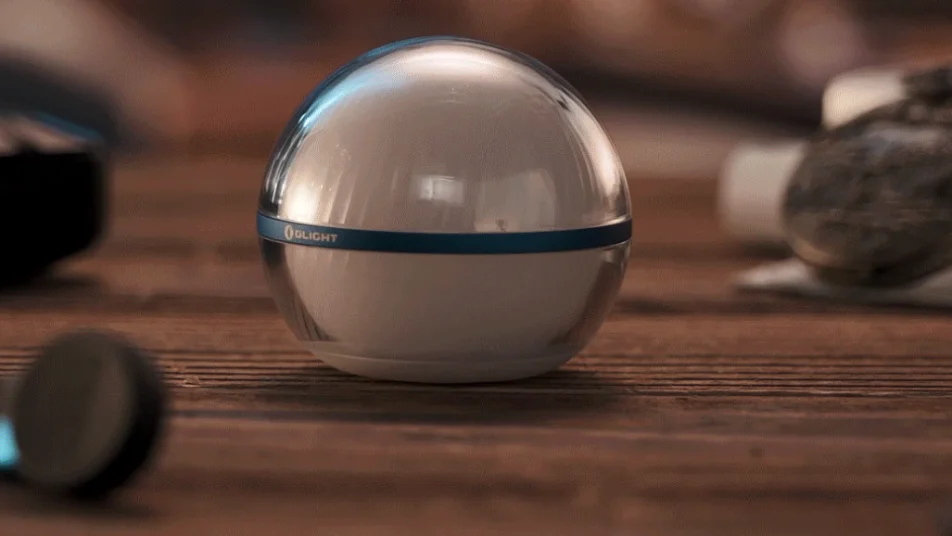
 Olight Sphere
Featuring a transparent shell and omnidirectional light surface, the Olight Sphere provides smooth perimeter illumination up to 75 lumens. Built with a 700mAh battery, it runs up to 40 hours on Low white mode (1 lumen) and offers stepless dimming via an intuitive mobile app.
- IP56 dust and water resistance with 1.5m drop durability
- Magnetic base attaches securely to metallic camping hardware
- App control supports custom timers, dynamic colour modes, and group pairing
Rechargeable, AA or gas: running costs and convenience
Power source selection shapes ongoing trip expenses and environmental footprints. Older gas or mantle lanterns throw impressive heat and authentic light, but they present significant fire risks during regional fire bans and produce carbon monoxide, making them prohibited inside enclosed swags and family tents (Source: Queensland Government Parks and Forests Camping Safely Guide).
Traditional alkaline AA batteries are costly to replace and frequently leak corrosive chemicals if left inside gear between journeys. Consequently, modern guidance on how to choose camping lantern gear leans heavily toward integrated lithium-ion rechargeable systems. Modern rechargeable cells replenish effortlessly from 12V vehicle sockets, portable power stations, or folding solar blankets, saving money while reducing remote waste.
How long should a lantern last between charges?
Estimating runtime requires realistic operational calculations. The average camp evening involves roughly 4 to 5 hours of active illumination between sundown and bedtime. Therefore, when learning how to choose camping lantern capacities, check that the unit provides at least 10 to 12 hours of medium output (around 50 to 100 lumens) to cover a standard weekend without immediate access to generator power.
High-efficiency LEDs combined with intelligent driver circuits regulate power drain to prevent sudden blackouts. Energy management resources highlight that modern solid-state diodes generate far higher usable lumens per watt than legacy incandescent filaments (Source: Australian Government Energy Lighting Efficiency Overview). Testing the how to choose camping lantern specifications confirms that quality lanterns sustain low moonlight modes for dozens of hours, making them ideal emergency nightlights.
Water, dust and knocks at camp
Outdoor gear inevitably encounters red outback dust, sudden coastal squalls, and drops onto gravel riverbeds. A vital aspect of how to choose camping lantern build quality is inspecting international Ingress Protection (IP) ratings. An IPX4 rating only resists gentle splashes, which may prove inadequate during intense tropical downpours or sudden riverbank dampness.
Aim for IP56 or IPX7 certifications alongside impact resistance ratings of at least 1.5 metres. Enclosures manufactured with impact-resistant polycarbonate or rubberised silicone absorb shock without cracking fragile lenses. Applying these benchmarks for how to choose camping lantern durability ensures your gear survives bumpy corrugated tracks and damp morning dew unscathed.
Frequently asked questions
How to choose a camping lantern?
To understand how to choose camping lantern options effectively, evaluate beam diffusion, dimmer control, mounting styles, and battery endurance. Select an omnidirectional frosted body that prevents harsh glare, pick warm or amber LED colour tones to minimise insect disturbance, and verify an IP ingress rating of IP56 or IPX7 for dust and water resistance across rugged outdoor trips.
How many lumens are good for a camping lantern?
For interior tent illumination, 1 to 25 lumens is ample to preserve nighttime vision without waking sleeping campmates. For communal camp kitchen tables or awning dining, 80 to 240 lumens provides clear visibility for cooking and card games. Excessive outputs above 500 lumens often create blinding table glare unless suspended high above eye level.
What is the best lantern for camping?
The ideal lantern depends on your camping style. For hiking and enclosed tent spaces, compact magnetic models like the Olight Obulb Pro S offer long battery longevity (up to 156 hours) and stepless dimming. For general campsite ambience, broad 360-degree wireless fixtures such as the Olight Sphere provide warm perimeter floodlighting and durable weatherproofing.