When deciding what to take night fishing across Australian waters, pack hands-free illumination alongside a separate handheld backup. Jetty platforms demand directional red or low white beams, small aluminium tinnies need magnetic perimeter lights, and remote estuary mudflats require high-output floodlights, wrist lanyards, and waterproof reflective trail markers for safe navigation.
| Fishing Environment | Primary Light | Task / Ambient Light | Critical Safety Factor |
|---|---|---|---|
| Public Wharves & Jetties | Right-angle red-beam headlamp | Low-lumen downward bait light | Avoiding beam spill across water |
| Tinnies & Small Craft | Waterproof dual-beam head torch | Magnetic wide-angle deck globe | Preserving night vision for navigation |
| Estuary Mudflats & Banks | High-output headlamp (IP68) | Compact clip-on pocket backup | Marking retrieval points and tides |
Heading out along coastlines or tidal rivers after sunset opens up exceptional angling opportunities for species like mulloway, flathead, and mangrove jack. However, working out what to take night fishing involves far more than grabbing a standard rod and tackle box. Unforgiving Australian tidal flats, wet boat hulls, and crowded timber wharves each present distinct illumination challenges. Preparing the right combination of hands-free illumination, ambient task fixtures, and failsafe backups keeps your setup efficient, legal, and safe all night long.
Quick answer: every spot needs a head torch and a backup; wharves add a low bait-board light, tinnies add a clamp or magnetic deck light, mudflats add a lanyard and a marker light
When preparing your field kit, knowing what to take night fishing starts with a layered lighting strategy. No single torch handles every situation from unhooking a thrashing flathead to navigating treacherous mud banks. At every location, your baseline requires a primary adjustable headlamp paired with an independent backup light stored in your pocket or tackle vest.
Beyond that essential baseline, your venue determines what additional gear you need. Timber wharves require downward-focused bait-board lights so you do not blind nearby anglers. Open aluminium tinnies need compact magnetic or clamped diffused floodlights to brighten wet floor ribbing without washing out navigation markers. Remote mudflats demand high water-resistance ratings, tethered lanyards to prevent drops in deep silt, and elevated beacon lights to identify your retreat track before rising tides seal the shoreline.
Wharves and jetties: working beside existing lights
Timber jetties and public piers frequently feature overhead yellow sodium or white LED street lamps. These structures concentrate squid, baitfish, and predatory pelagics along defined shadow edges. The common mistake when reviewing what to take night fishing on wharves is relying completely on overhead fixtures. High overhead lighting creates harsh shadows right across your bait board and tackle tray, obscuring fine monofilament knots and hook points.
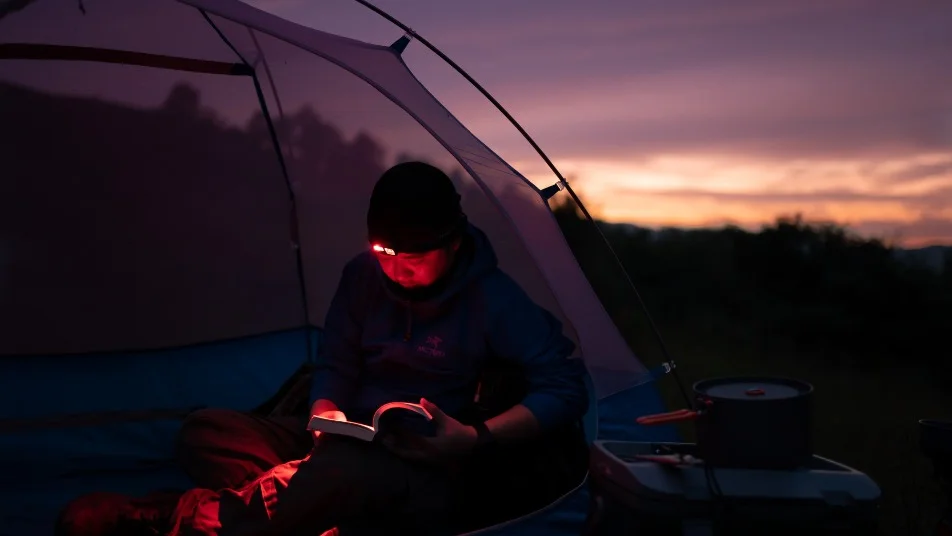
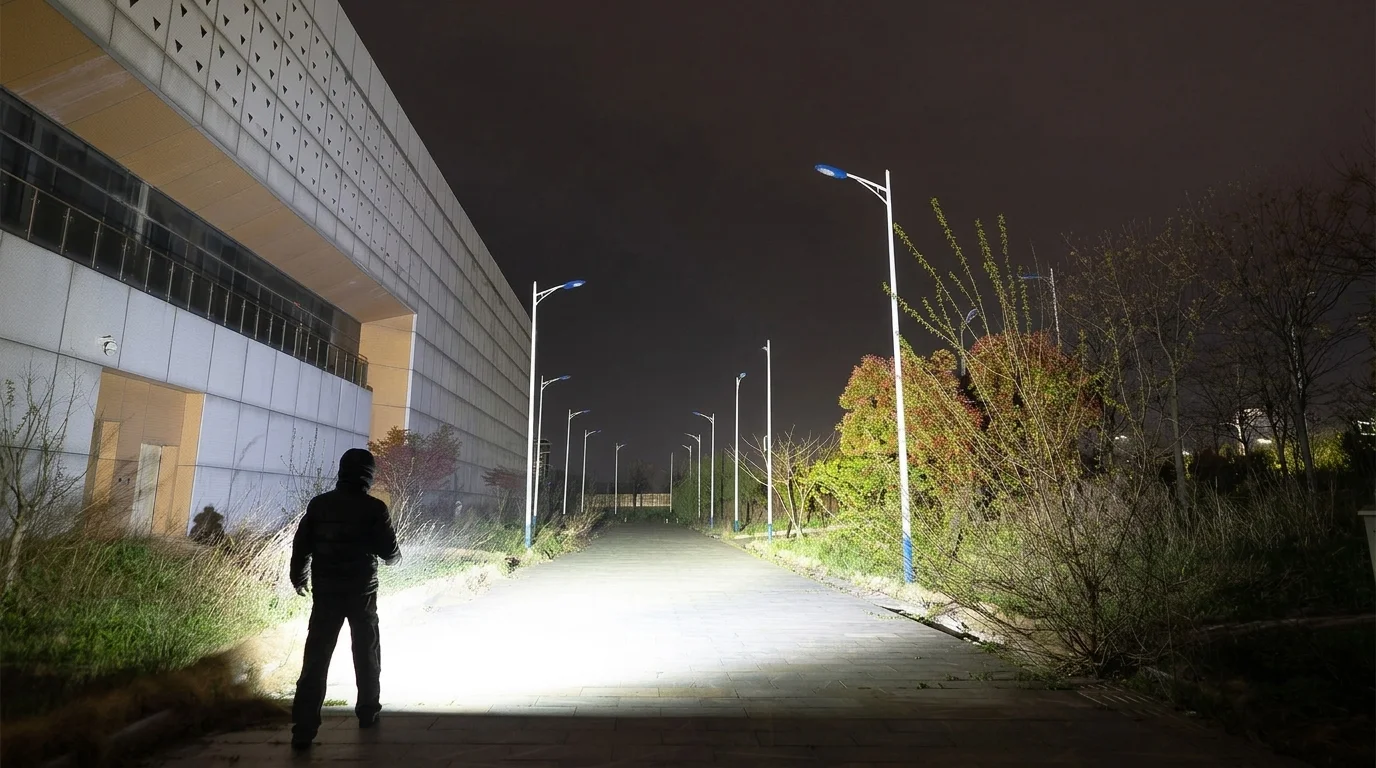
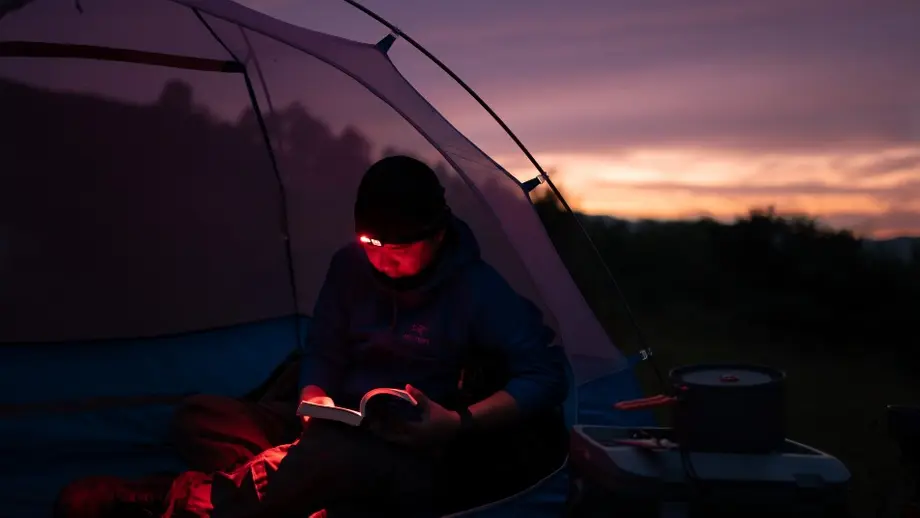
Blasting high-output white light over the railing spooks surface-feeding fish and disrupts everyone sharing the pier. Instead, select an angled head unit with a dependable red output mode. Using the Perun 3 what to take night fishing gear gives you access to a dedicated red light setting that preserves your natural night vision while threading subtle squid jigs or rigging live prawns under deck beams.

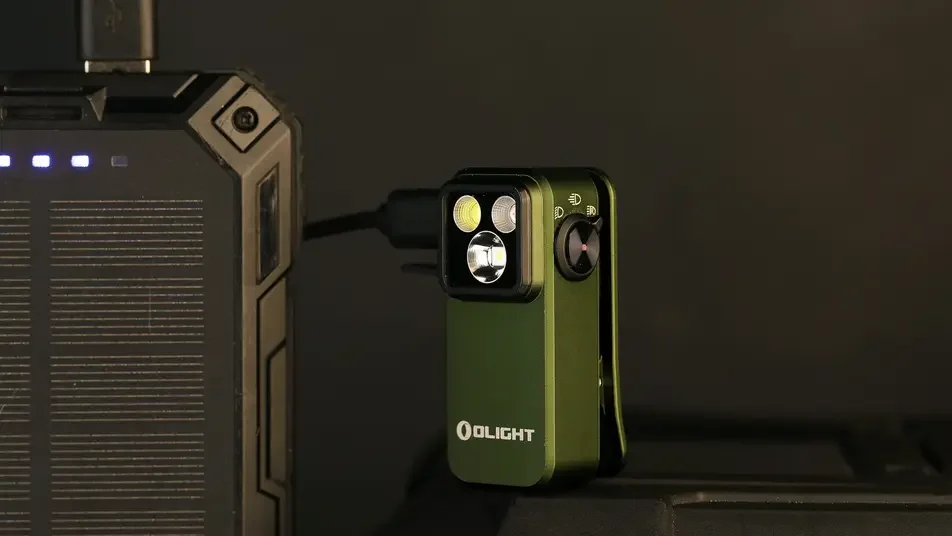
Delivering up to 3,000 lumens alongside custom red-light modes, this IP68-rated headlamp transitions seamlessly between a headband, pocket clip, and magnetic base. Powered by a 5000mAh 21700 battery, it sustains all-night sessions effortlessly.
- Max 3,000 lumens with 160-metre beam throw
- Dedicated red lighting preserving night-adjusted eyesight
- Submersible IP68 rating with 1.5-metre impact resistance
Public wharves also present slick timber planks coated in algae, fish slime, and discarded bait. Maintaining stable footing while carrying heavy tackle buckets requires broad peripheral illumination. Anglers should consult published state guidelines to understand size, bag limits, and platform protocols (Source: Victorian Fisheries Authority Recreational Fishing Guide).
Tinnies and small boats: wet decks, tight space and navigation lights
Operating an open aluminium tinnie after dark introduces strict maritime rules and physical boundaries. Deciding what to take night fishing on small vessels requires distinguishing strictly between your vessel navigation lights and interior working lights. Statutory navigation lights show other vessels your orientation and heading, but they do not illuminate personal casting decks or fuel tank linkages.
Running high-powered headlights while underway creates intense windshield and gunwale glare, severely blinding your forward visibility. State maritime safety authorities mandate running lights while advising skippers to keep auxiliary white beams directed strictly inside the boat hull (Source: Transport for NSW Maritime Navigation Light Regulations).
For sorting hooks, baiting lines, and checking fuel connectors, attach a magnetic diffused orb to your bait board or bench frame. Setting up an Obulb Pro S what to take night fishing lantern provides smooth, wide-angle deck lighting that prevents trip hazards over anchor lines and landing nets without overwhelming your skipper's vision.

Featuring stepless dimming, multicoloured modes, and an IPX7 waterproof housing, this magnetic orb attaches effortlessly to metal boat hulls and tackle boxes to provide glare-free, hands-free work illumination.
- Magnetic base locks onto metal storage and rails
- Bluetooth control via Olight Hub mobile application
- Up to 6.5 days of runtime with rechargeable internal cell
Because maritime laws demand vigilance, skippers should also maintain an emergency white torch yielding at least several hundred lumens to signal intentions if drifting or anchored (Source: Maritime Safety Queensland Boat Navigation Light Standards). Keep your portable lights firmly tethered to prevent gear falling over gunwales in sudden swells.
Estuary banks and mudflats: no ambient light at all
Stalking estuary shallows on foot strips away all man-made ambient light. Mangrove fringes, oyster leases, and soft intertidal mudflats leave zero room for error. When assembling what to take night fishing along remote tidal flats, environmental durability is paramount. Wet salt mud clogs mechanical switches, while sudden drops into deep drainage channels can ruin delicate gear in an instant.
A dependable headlamp serving as your best head torch for fishing must feature minimum IP68 ingress protection. This ensures total dust sealing against fine estuary sand and complete water submersion protection. Pair your headlamp with a secure top-strap harness and wrist lanyards. If you lose your footing on submerged rocks, a tethered torch stays secured to your body rather than vanishing into knee-deep tidal silt.
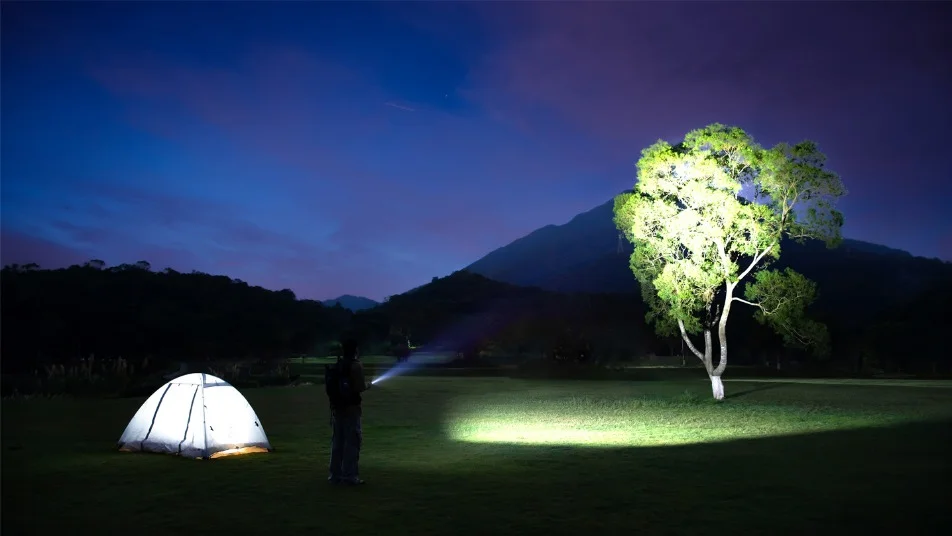
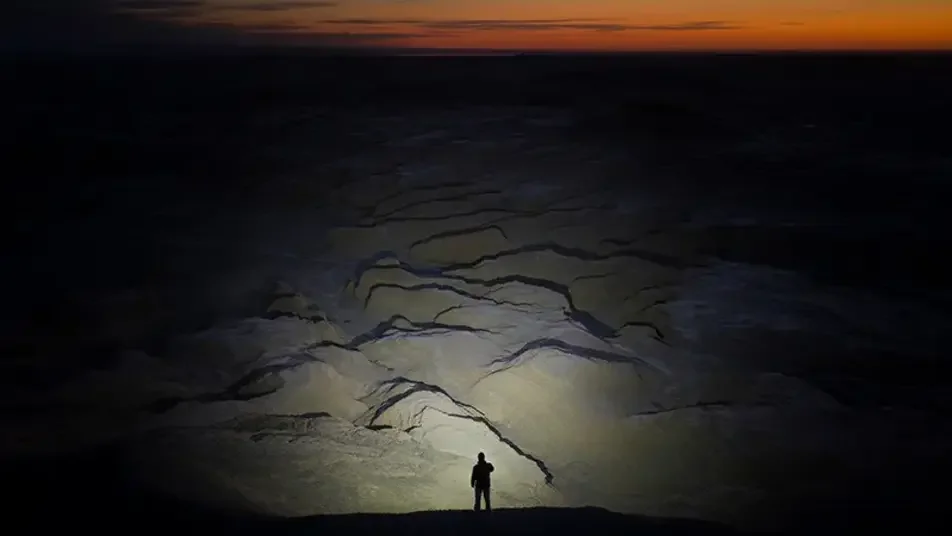
Navigating tidal terrain also requires choosing what to use for night fishing that offers broad flood outputs rather than narrow pencil beams. A broad peripheral beam illuminates treacherous crab burrows, stingrays buried in shallow sandbars, and uneven mud banks without requiring continuous neck turning.
Why is a backup light non-negotiable at every spot?
Heading outdoors with a single light source is a hazardous gamble. Batteries deplete faster in cool coastal winds, accidental drops happen on slippery rocks, and electronic components can fail. Understanding what to take night fishing means treating a secondary light as mandatory emergency gear rather than optional kit.
If your primary headlamp cuts out halfway across an isolated sandflat during an incoming tide, a secondary torch turns a potential crisis into a manageable walk back. Carry this secondary torch on your body inside a zipped pocket rather than buried deep inside a backpack. That way, if you drop your main lamp, you can access immediate illumination instantly without fumbling in pitch darkness.
How do you mark your gear and exit path in the dark?
Finding your way back across featureless sand spits or through winding mangrove creeks is surprisingly disorienting once the sun dips below the horizon. As part of your kit for what to take night fishing, include low-power coloured location beacons. Marking your main tackle crate, beach rod holders, or track access points with steady low-lumen green or orange lights saves time and prevents lost gear.
Placing a low-draw lantern on your base bucket establishes a clear reference beacon visible from hundreds of metres along the shoreline. This prevents you from wandering into deep channels or losing track of your parked vehicle when fog rolls across the river mouth.
Spot-by-spot lighting checklist
Before heading out on your next evening session, review this tailored gear checklist for what to take night fishing across different angling scenarios:
| Checklist Item | Jetty / Wharf | Tinnie / Boat | Mudflat / Bank |
|---|---|---|---|
| Hands-free headlamp | Essential (Red mode) | Essential (Flood beam) | Essential (IP68, High lumen) |
| Secondary pocket torch | Recommended | Essential (Waterproof) | Mandatory safety backup |
| Area / Task lantern | Optional (Low bait light) | Essential (Magnetic base) | Useful (Base camp marker) |
| Retention lanyard | Recommended | Essential | Essential for mud safety |
Frequently asked questions
What is the best thing to fish with at night?
Fresh oily baits such as pilchards, mullet strips, and squid work best at night because predatory fish rely heavily on scent and lateral-line vibration in the dark. For lure fishing, dark-profile surface walkers or luminous soft plastics cast along shadow lines generate violent strikes from prowling estuary species.
What are some essential items for night fishing?
When planning what do i need for night fishing, pack an IP68-rated rechargeable head torch, a tethered secondary flashlight, long-nose pliers, reflective rod tip tape, a digital tide chart, and personal flotation gear suited to your venue.
What color attracts fish at night?
Green light is the most effective colour for attracting baitfish and squid because green wavelengths penetrate plankton-rich coastal waters with minimal scatter. Submerged green lights stimulate zooplankton aggregations, which quickly draw in bait schools and feeding gamefish.