Preparing the best emergency kit backpack requires prioritising immediate hands-free visibility, accessible exterior stowage, and strict weight discipline. Store primary torches in external lid pouches or hip belts, secure wearable clip lights directly to shoulder straps, and cap total loaded bag weight at under fifteen percent of body weight for nocturnal bushfire or flood departures.
| Evacuation Role | Gear Position | Primary Illumination / Tool | Critical Performance Benchmark |
|---|---|---|---|
| Immediate Path Navigation | Shoulder harness webbing | Hands-free wide floodlight | 100–300 lumens; forward beam angling |
| Route Signalling & ID | Rear pack daisy chain | Red beacon / RGB marker light | Active flashing; 20+ hr runtime; visible 360° |
| Distance Hazard Spotting | Top lid zippered quick-pocket | High-candela tactical beam | 100+ metre throw to pierce smoke or rain |
| Audible Distress Calling | Sternum strap loop | Pealess all-weather whistle | Corrosion-proof; audible above gale winds |
When regional evacuation orders arrive after midnight across Australian bushland or coastal flood basins, power infrastructure frequently collapses before households can react. Fumbling through internal compartments in deep pitch black wastes precious seconds and causes panic. Building a reliable go-bag begins with selecting the best emergency kit backpack platform that treats tactical lighting, personal identification, and balanced physical mobility as integrated life-safety systems rather than uncoordinated afterthoughts.
Backpack, duffel or wheeled case in a night evacuation?
Lights up front: lid pockets, hip belts and shoulder-strap clips
How heavy is too heavy when you might have to walk?
One bag per person or a shared family bag?
Reflective panels and safety lights for walking along dark roads
Grab drills: can your family leave in five minutes in the dark?
Quick answer: pack lights in the lid or a hip pocket, keep each backpack light enough to carry at a jog, and label who takes which bag
A successful midnight escape depends on immediate tactile access to primary gear without unpacking main gear chambers. When outfitting the best emergency kit backpack, your primary illumination gear must rest inside the top floating lid pocket or exterior stretch-woven hip pockets. Under zero ambient light, you should never rummage past spare thermal wear or heavy rations to locate a torch. Placing compact lights where hands naturally fall ensures illumination activates within three seconds of shoulder carry.
Discipline surrounding overall carry mass determines whether you can clear hazardous smoke corridors or broken asphalt on foot. A functional Oclip Pro compact LED clip light best emergency kit backpack system maintains a trim, snag-free profile so family members can jog steadily toward high ground. Australian disaster relief agencies consistently warn that overpacked gear causes rapid exhaustion during pedestrian evacuation scenarios (Source: Australian Red Cross Emergency Preparation). Colour-coded nametags and tactile zipper pullers remove ambiguity so that every household member grabs their designated bag instantly.
Backpack, duffel or wheeled case in a night evacuation?
Wheeled luggage and oversized duffel bags perform adequately on level airport terminals, but they fail catastrophically during rural or suburban natural emergencies. Flash flooding tears up road surfaces, leaving behind silty mud, debris, and washed-out gutters that immediately jam luggage caster wheels. Duffels force asymmetric muscular loading, rapidly exhausting your shoulders and arms while monopolising hands that ought to assist children, handle animal leads, or operate handheld navigation tools.
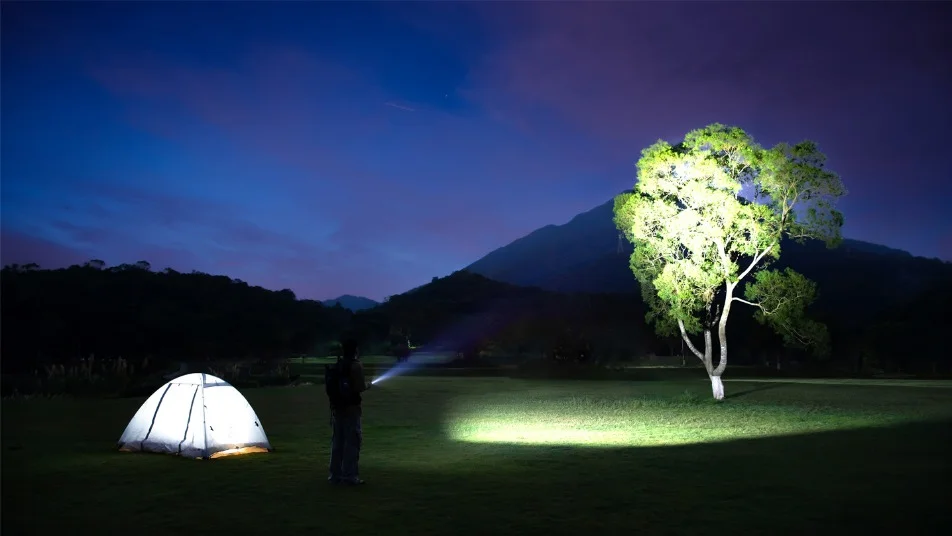
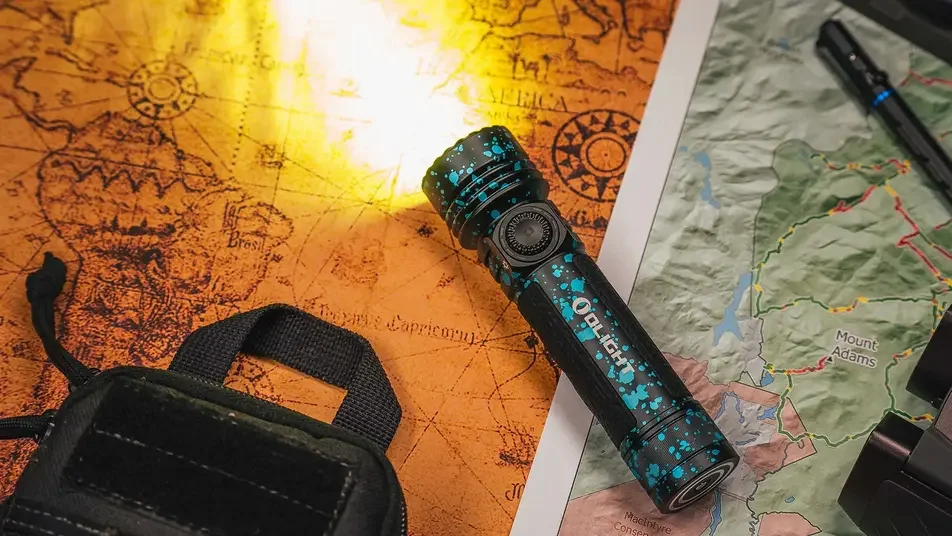
 Deploying tactical illumination quickly from an exterior pack pocket during nighttime hazard checks.
Choosing a dedicated dual-strap hiking harness forms the undisputed core of the best emergency kit backpack design. Ergonomic shoulder straps combined with sternum bridges and load-bearing hip belts distribute weight symmetrically over your pelvic framework. This preserves physical agility, cushions spine impact across uneven terrain, and guarantees both hands remain completely unencumbered to balance on slippery gradients or hold access ladders.
Lights up front: lid pockets, hip belts and shoulder-strap clips
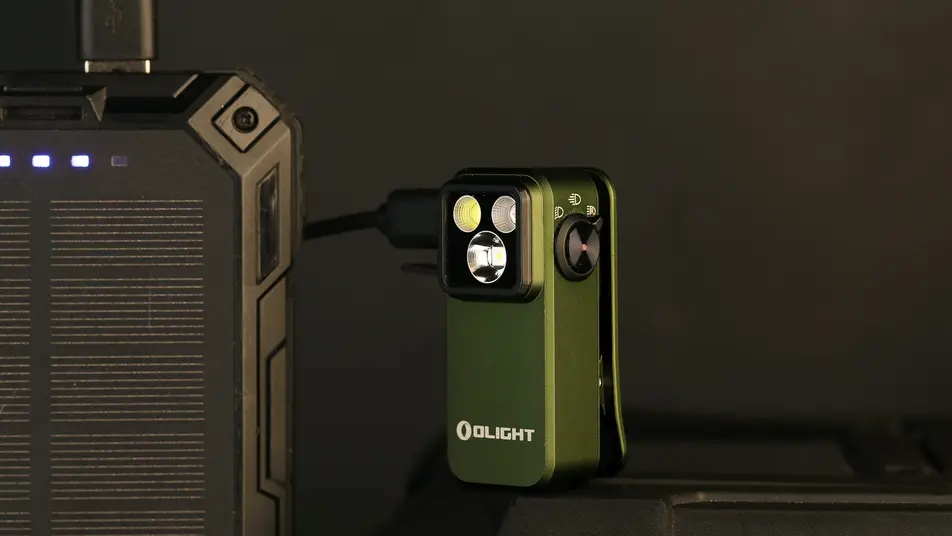
Forward lighting arrangement dictates mobility speed when navigating unfamiliar evacuation routes. Fastening a high-performance clip light to your sternum strap or shoulder harness casts steady, wide illumination across your immediate stride zone without inducing the severe head-sway fatigue typical of long-term elastic headbands. Deploying an Oclip Pro S torch best emergency kit backpack configuration gives you an instant 600-lumen white forward flood, plus tactile switching to red auxiliary light to preserve night-adapted peripheral eyesight while consulting topographic maps.
Auxiliary torches stored inside the backpack lid must offer intense spotlight punch to read distant rural street signs and inspect water levels over damaged culverts. Fastening redundant illumination to the hip belt allows you to pivot light toward roadside vehicle maintenance or lock gate handles without tilting your upper torso. The best emergency kit backpack setup treats forward lighting as a multi-tier network of wide ambient beams and pinpoint distance spotlights.

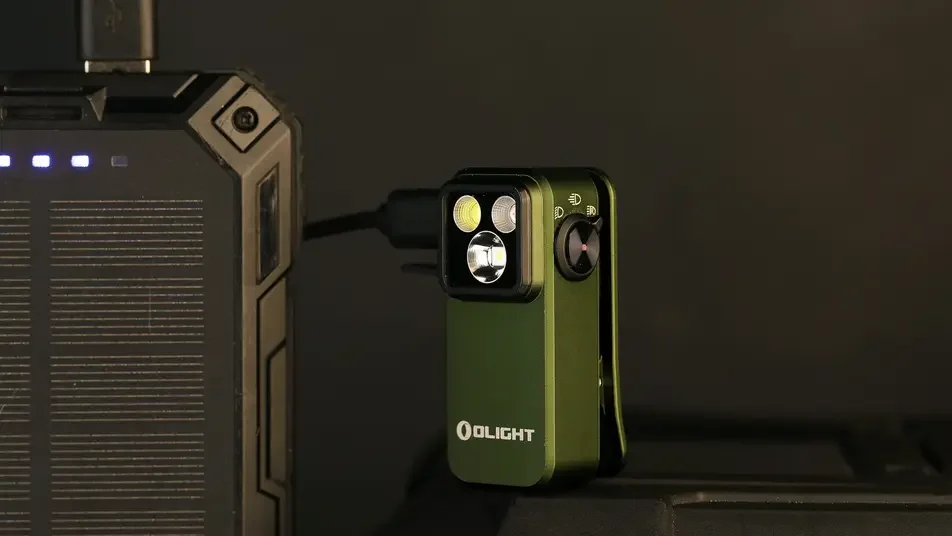
Delivers up to 500 lumens of flood and spotlighting with a dedicated 40-lumen night-vision red mode. Built with an ultra-tough 14 mm spring clip that attaches firmly to backpack straps, offering up to 144 hours of reliable moonlight runtime.
- 500 lm peak output with 120 m spotlight throw
- Rotary dial switch for blind operation in darkness
- Rugged aluminium housing with IPX6 water resistance
How heavy is too heavy when you might have to walk?
Load management separates practical survival kit designs from cumbersome burdens that get abandoned along the road. Physical performance testing demonstrates that carrying over twenty percent of individual lean body weight degrades walking speed, spikes heart rate, and drastically elevates slip-and-fall injuries on broken roads. For active emergency readiness, the best emergency kit backpack base weight should hover strictly between ten and fifteen percent of the carrier's body mass.
Australian emergency management guidelines advocate for light, mobile supplies focused entirely on the critical first 72 hours (Source: Australian Institute for Disaster Resilience). Every gear item must demonstrate multi-functional capability. Heavy canned foods and glass storage vessels should be replaced by vacuum-sealed calorie bars and collapsible water purification pouches. Consolidating lighting choices down to featherweight aluminium systems eliminates useless ballast while delivering hundreds of hours of illumination.

Combines a powerful 600-lumen primary white beam with pure 365 nm UV, and RGB LEDs. Ideal for rear pack identification, road safety beaconing, and hygiene checks in community evacuation relief centres.
- 600 lm maximum output; 53 g ultralight carry profile
- Red, green, and blue steady & signalling strobe modes
- Universal magnetic mount and 14 mm heavy-duty mechanical clip
One bag per person or a shared family bag?
Relying on a single gigantic family trunk represents a high-risk operational failure point. If that master bag is dropped in rising floodwaters or separated during crowded vehicle transfers, the entire family loses their collective survival reserves instantly. The best emergency kit backpack methodology relies on distributed redundancy: every walking member of the household carries an individual modular pack tailored to their personal stature and capabilities.
Parents should carry primary shelter elements, essential water filtration systems, and main medical supplies. Children carry their own warm jackets, comfort rations, and dedicated backup lights. Integrating an emergency whistle best emergency kit backpack setup onto each child's sternum harness guarantees that if smoke or chaotic crowds cause visual separation, piercing audio signals allow rapid reunification without draining vocal stamina.
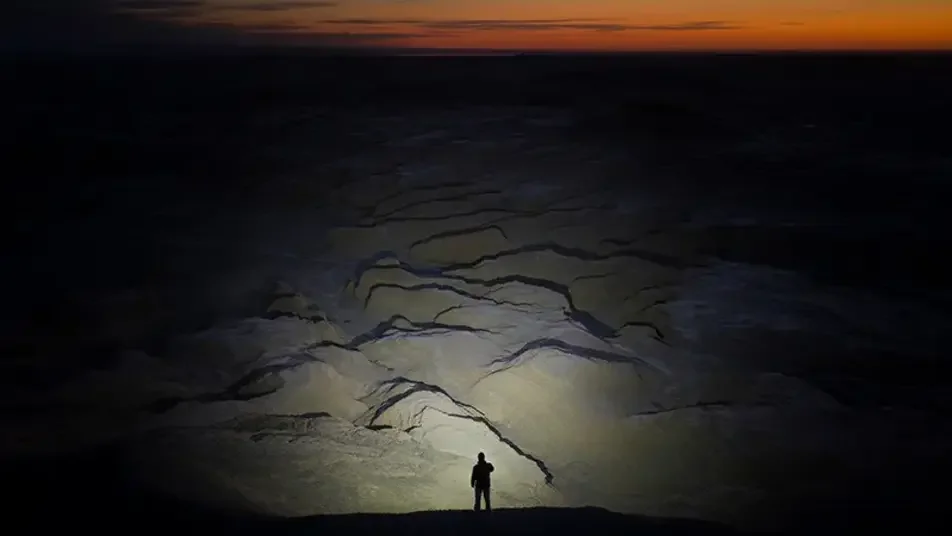
 Hands-free illumination allows quick roadside fixes and continuous perimeter awareness during nocturnal travel.
Reflective panels and safety lights for walking along dark roads
Pedestrians trekking alongside rural shoulders or regional arterial highways face immense hazards from panicking motorists, response utility trucks, and heavy emergency services vehicles driving through dense smoke plumes. Passive retroreflective fabric tape sewn across your pack face, side water pouches, and shoulder straps provides critical visibility under car headlights. Modern emergency protocols strongly advise using dual-sided high-visibility safety markers during nighttime road movements (Source: NSW State Emergency Service).Titanium Whistle
 Ultra-Durable Distress Signaller
Crafted from solid biocompatible titanium weighing a negligible 7 grams. Operates in freezing rain, river immersion, or choking bushfire dust without pea ball clogs, cutting through screaming wind noise.
- Corrosion-resistant pure titanium construction
- Ultra-compact 53 mm length with lanyard loop
- Penetrating decibel output for emergency search crews
Passive reflection alone remains ineffective if approaching headlights are angled away or obscured by thick fog. Pairing retroreflective fabrics with active flashing markers creates an unmissable safety footprint. The best emergency kit backpack integrates an active rear flashing beacon attached to pack daisy chains, warning traffic approaching from the rear while your front-facing clip light shows you potholes, washed-out shoulders, and fallen electrical lines.
Pairing an Oclip Pro S flashing marker best emergency kit backpack system on rear luggage loop points alerts oncoming vehicles up to several hundred metres away. Meanwhile, an Oclip Pro forward light best emergency kit backpack configuration directs downward ground illumination so you do not trip over sudden asphalt washouts.
Grab drills: can your family leave in five minutes in the dark?
Top-tier gear provides zero practical protection if your household cannot execute an orderly departure under strict time pressure. To validate your preparations, run unannounced evening grab drills twice a year. Cut the main circuit breaker at your home distribution switchboard to simulate total regional power grid collapse. Start a stopwatch to see if every family member can find their bag, activate forward lighting, put on protective boots, and assemble at the main exit in under five minutes.
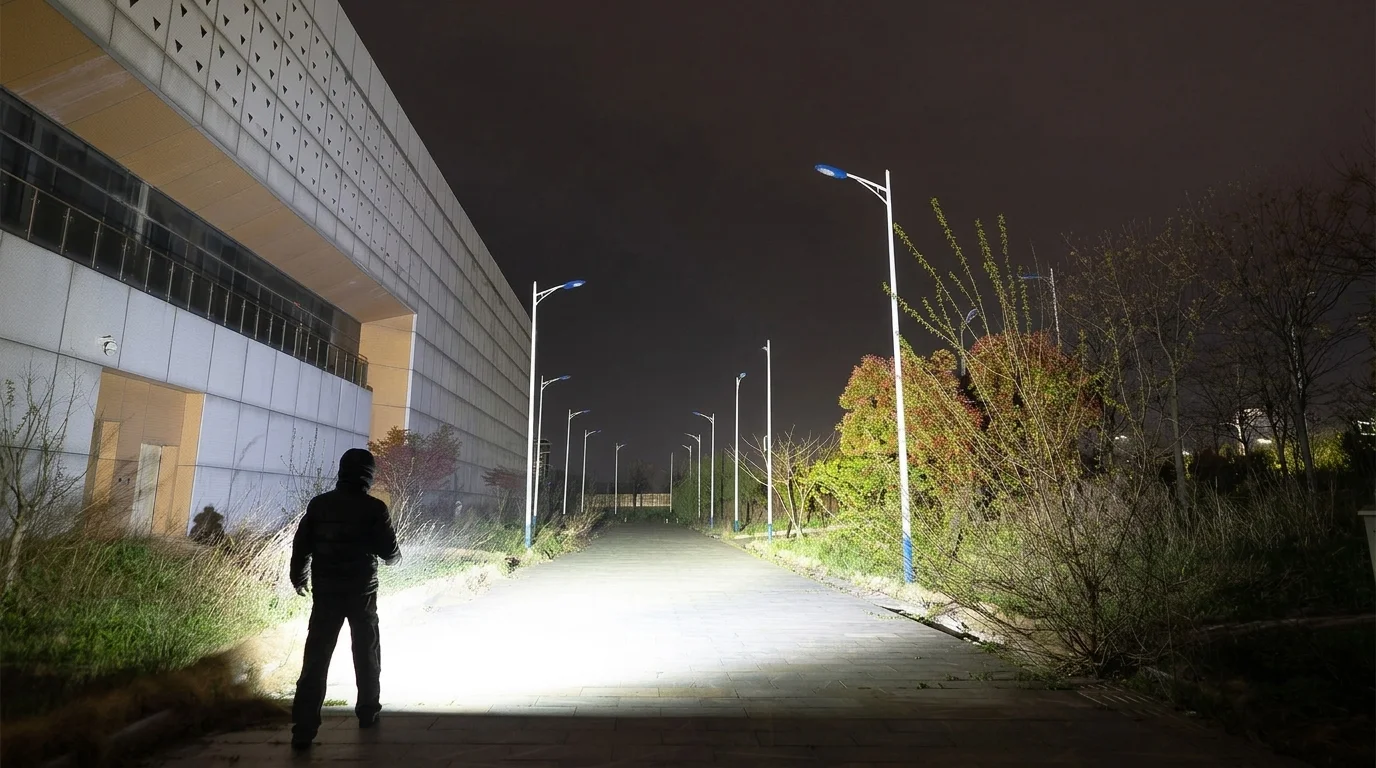
 Testing grab times in complete residential blackout reveals hidden gear bottlenecks immediately.
These realistic dry runs expose operational friction points instantly. You will quickly identify dead rechargeable cells, missing prescription packs, or children struggling with stiff buckles. Equipping each kit with a dependable titanium whistle best emergency kit backpack attachment gives family members an audible way to signal when trapped behind blocked doors or blinded by sudden household smoke. Rigorous drills transform theoretical plans into calm, coordinated reflexes when a crisis hits.
Consistently inspecting your gear guarantees complete field readiness across Australia's volatile summer storm and fire cycles. The best emergency kit backpack functions not just as static storage, but as an active, dependable safety harness engineered to guide you through complete darkness into safety.
Frequently asked questions
What is the best backpack for carrying an emergency kit?
The best backpack for an emergency kit is a 25 to 35-litre technical hiking pack constructed from durable 400D–500D ripstop nylon, featuring an internal supportive frame, ventilated lumbar padding, external hydration sleeves, and rugged MOLLE or strap lash loops. Tactical and outdoor hiking backpacks outperform ordinary travel duffels because they distribute the load evenly across the hips and shoulders while keeping hands-free lights instantly accessible on external webbing.
What should be in a WW3 survival kit?
A long-term catastrophic survival kit must focus on vital life-support priorities: certified NBC/CBRN filtration respirators, potassium iodide tablets where advised by health authorities, robust mechanical water filtration (such as 0.1-micron hollow-fibre purifiers), high-calorie compact food rations, heavy-duty emergency foil bivvy sacks, multi-band AM/FM/shortwave radios, faraday-shielded electronic backups, durable titanium signalling tools, and reliable multi-fuel fire starters.
What are the top 10 survival items to carry?
The top 10 indispensable survival essentials include: (1) portable water filter or purification tablets, (2) compact multi-mode LED torch with red beacon, (3) pealess emergency whistle, (4) heavy-gauge thermal space blanket, (5) comprehensive trauma first-aid kit, (6) multi-tool with knife and pliers, (7) windproof matches or ferrocerium rod, (8) 550 paracord, (9) power bank with charging cables, and (10) waterproof emergency route map with an analog magnetic compass.