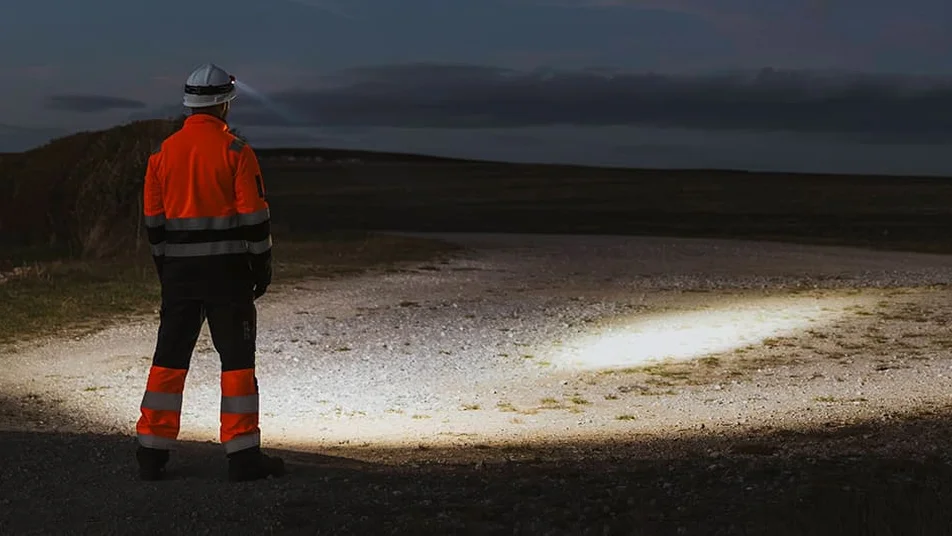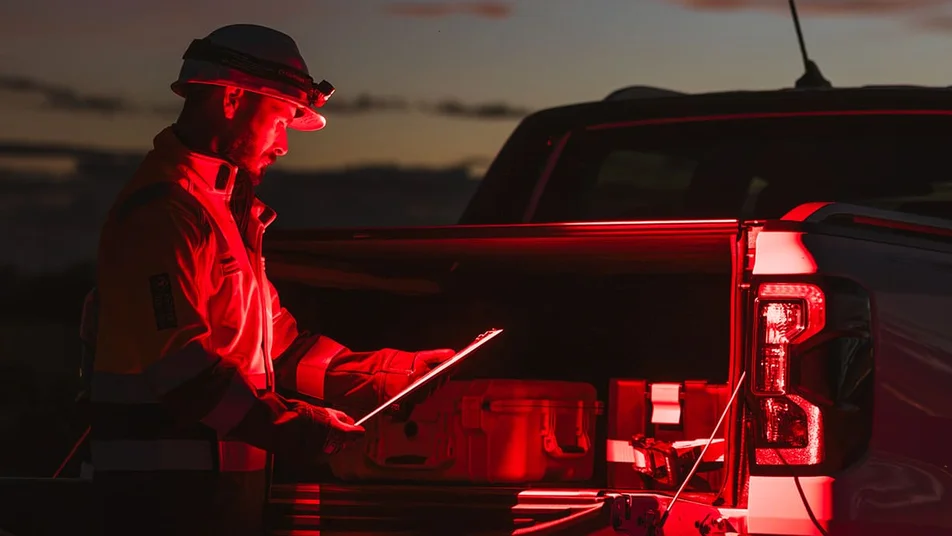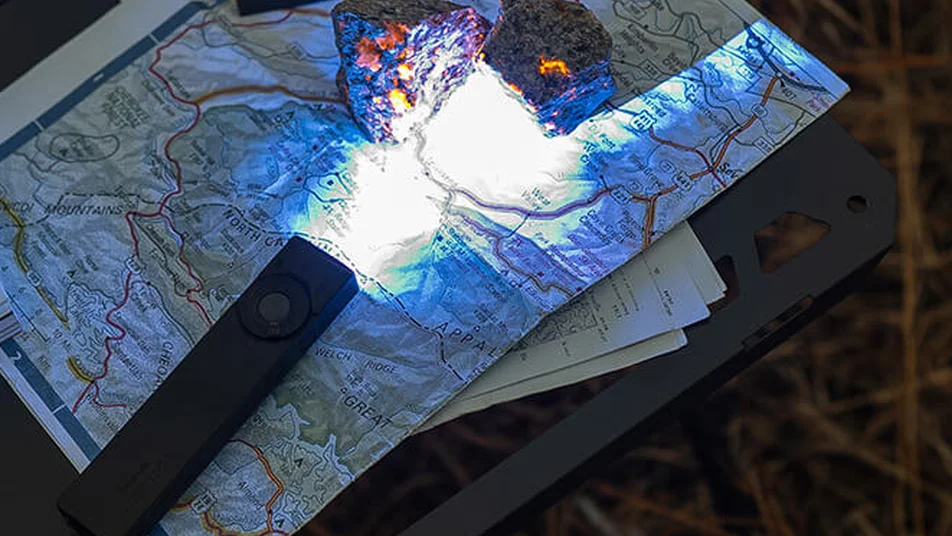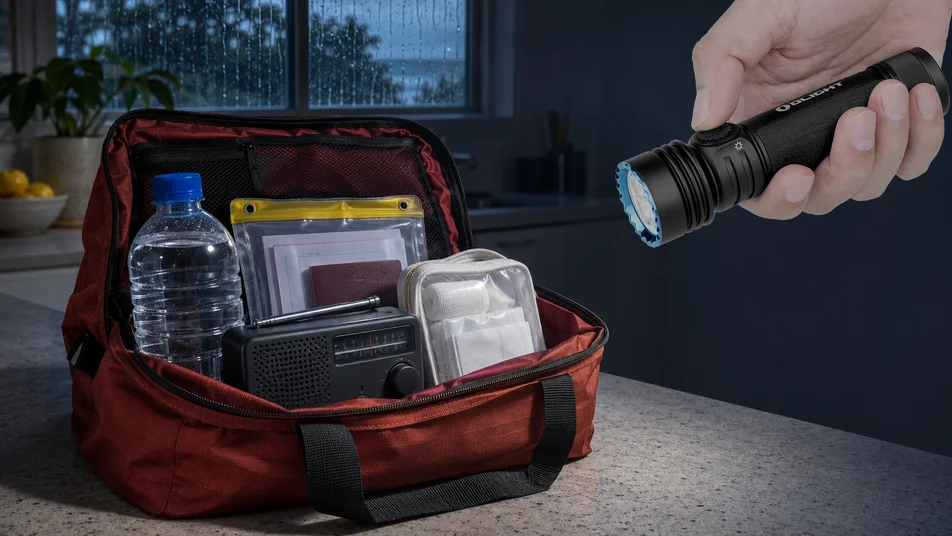
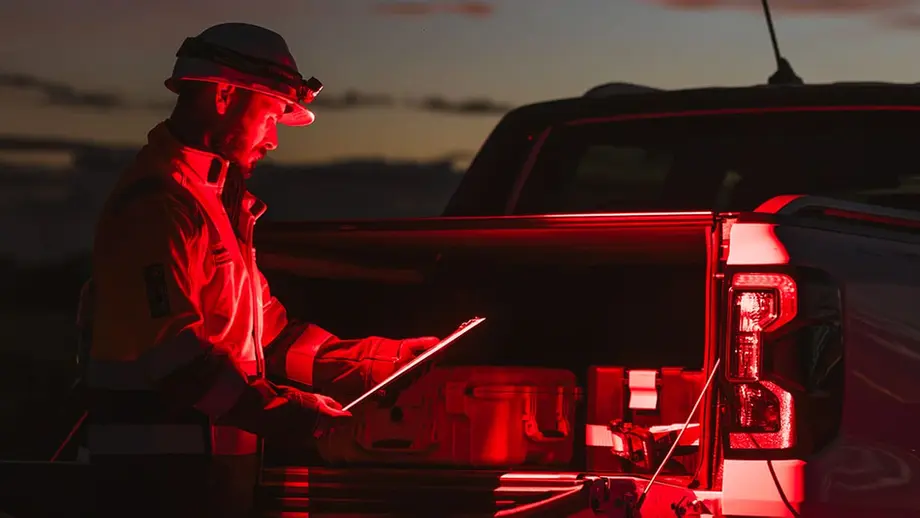
For wildlife watching, give a torch with a low setting and a steady red mode the recipient can select easily. The Marauder 3 makes sense as a bigger gift for someone who also lights a shed, paddock gate or campsite. For a possum watcher or a family night walk, start with a compact red-capable light.
| What they do | Light type | What to check first | Olight model |
|---|---|---|---|
| Check a big property and occasionally watch from a veranda | Handheld area light and a separate low red light | Separate white flood and spot modes for property jobs. A companion light supplies steady red. | Marauder 3 for the property, Oclip Pro for close red light |
| Sit quietly in a backyard or read a field guide | Compact clip torch | Steady red mode and a clip that holds the book or strap position securely. | Oclip Pro |
| Walk a permitted track with family or handle a camera | Adjustable head torch | Low white light for footing and a separate steady red setting. Headband stays put as they look down. | Perun X |
| Join their first guided night walk | Operator-approved torch or a tour booking | Ask what light the operator wants and whether it supplies one. | Perun X if the guide asks for a head torch |
Who should get the Marauder 3?
Give the Marauder 3 to someone who already has a reason to keep a full-size torch at home or in the camping kit. Think of a recipient who walks out to a shed, checks a distant gate, then comes back to a veranda to sit and listen. The Marauder earns its place on the first two jobs. A small red-capable light is a better tool for the last one.

Olight lists a 25,000 lm peak white flood, a maximum 1,000 m white spot beam distance and a built-in 31,900 mAh battery. At 840 g with battery, it suits a verandah, shed or vehicle kit where the holder has a hand free.
View Marauder 3The two beams solve different problems. A wide flood can show a doorstep, gear on the ground and a gate latch together. The narrower white spot helps the owner check the position of a distant landmark while keeping the rest of the yard darker. On a shared campsite, they can keep even the flood below eye level, away from other tents and surrounding habitat.
Those manufacturer maxima describe separate functions, and peak output is brief. A useful extra for car camping is the 30 W bidirectional USB-C port, which can top up a compatible phone. Save some charge for the walk back to camp. For a gift, check whether the recipient will carry 840 g and whether they routinely have a wide area to light. If their photo kit or walking bag is already heavy, a wearable light is more likely to leave the house.
Why a low, controllable beam matters more than throw
For wildlife viewing, start with darkness. Give your eyes time to adjust and stop to listen before adding light. A brief reflection can alert you to something moving, but eyeshine alone gives little basis for identifying the animal. Keep the light off when you can follow the animal by its movement or sound. If it moves away, let it go. (Source: Wildlife Tourism Australia, general wildlife viewing tips)
The Australian Government’s guidance says amber and red light are less likely to affect the night vision of native mammals than broad-spectrum white light. Animals still respond differently, and brightness and exposure matter. Keep the beam dim, off to the side, and short. If you cannot do that with the torch in hand, switch it off and try observing without the beam. (Source: DCCEEW, reducing light pollution impacts on mammals)
A hunting-style spotlight is built around concentrated reach. A wildlife gift should make the lowest useful light easy to select. If the recipient already has a torch with a compatible red filter, check that it stays fitted and reduces the light enough for the job. A steady built-in red mode is convenient when the park or guide allows it. Where instructions specify a filter or a power limit, follow the actual wording.
| Summer outing | Useful light and output | Runtime to plan for | Weather and fit |
|---|---|---|---|
| Quiet backyard watch | Use the lowest steady red setting that lights your notes. Keep the light off while watching where possible. | Short bursts during the visit. Check the charge and mode before sitting down. | Choose a secure clip and dry place to set the light down. |
| Permitted family track walk | Aim low white at the next patch of uneven footing. Reserve brief, subdued red for observations if allowed. | Check the working white mode for the outward and return legs, with spare light for delays. | Look up the exact water-resistance rating if rain is likely. Keep a spare dry and reachable. |
| Camp or property tasks on the same outing | Use adjustable white flood across a work area and a tighter white beam for a distant landmark. Keep both off wildlife. | Check the manufacturer’s runtime at the intended working level. Plan a separate small light for the walk back. | A stable handling position and a dry charging setup matter more than carrying the biggest light. |
What to give a backyard watcher, photographer or family
For a backyard possum watcher, the Oclip Pro is compact enough to bring out with a notebook and drink. Its fixed head makes the clip position important. Try it on the edge of a pocket or a firm strap, point it at your notes and check it stays there when you bend. This is the smaller companion that fills the close red-light role in a Marauder 3 gift.

Olight specifies separate white flood, white spot and red light, along with a spring clip and magnetic mounting on compatible steel. Choose a secure spot where the fixed beam points at the work.
View Oclip ProFor a photographer carrying a tripod or a parent managing a bag and a child’s hand, the Perun X keeps a light available throughout the walk. The headband follows their gaze and the quick-release mount lets them take the right-angle torch into their hand when they want to keep the beam fixed while turning their head. Use low white for path hazards. Keep the red mode brief and away from faces, animals and nests.

Olight lists spot, flood and red lighting, a quick-release headband mount and USB-C charging. A parent or photographer can adjust the beam down before stepping onto the track.
View Perun X
If you don’t know what they already carry, ask one question before choosing: what do they do with the hand that would hold the torch? Someone who has a camera in both hands benefits from the headband. Someone stationary with a notebook may prefer a compact clip. The Marauder 3 is the more substantial gift for the person who can name its second job before they unwrap it.
Check the specific park, reserve or property before giving a plan
Check the destination’s access hours, alerts and any instructions for torches or guided walks. Clear permission at one location does not transfer to the next. For private land, confirm access after dark with the owner and agree where people may walk. If you are giving an outing with the torch, a ranger-led walk is an easy way to leave the light choice to the operator.
| Location | What the operator says | What to do before you go |
|---|---|---|
| Rungulla National Park, Queensland | Queensland Parks advises a red or orange filter when viewing wildlife, a bulb of 30 W or less, and avoiding light directly in animals’ eyes. | Read the current activity page and alerts. Ask the park about a modern LED torch if its published specs do not establish compliance with the wattage and filter guidance. |
| Kurnell, Kamay Botany Bay National Park, NSW | NSW National Parks lists a bookable guided spotlight tour and asks participants to bring a torch. | Book first and check the access and torch instructions for the guided outing. |
| Private backyard or campground | Access depends on the owner or manager. Posted site conditions can govern after-dark activity. | Get permission where needed and choose a spot that avoids neighbours, sleeping campers and wildlife refuges. |
A watt is a power unit and a lumen describes visible light output. A high or low lumen setting on a retail box therefore cannot, by itself, establish whether the torch meets a park’s wattage instruction. If the park recommends a particular setup, use that setup or carry your torch for footing only, subject to local guidance. (Source: Queensland Parks, Rungulla National Park activities)
In NSW, the Kurnell guided programme is one option for a first family outing. Use the tour page for booking and meeting information. A published guided programme is specific to that activity, so check separately before planning a self-guided visit. (Source: NSW National Parks, Kurnell spotlight tour)
Write a useful note on the gift card
Try “Use the dimmest setting you can. Keep the beam beside the animal, switch it off after a brief look, and let it go if it moves away.” Add where the charge cable is and how to recognise the steady red mode. For someone who already has a good torch, a field guide, binoculars or a guided outing can complete the gift.
Charge the light with compatible equipment on a dry, hard surface, away from things that can burn. Let the recipient know where the manufacturer’s cable and instructions are, and keep damaged lithium-ion devices out of use. This is particularly helpful with a gifted torch that might otherwise be charged with whatever is to hand. (Source: ACCC Product Safety, lithium-ion batteries guide)
Frequently asked questions
What is a good spotlighting gift for someone who mainly watches possums?
Choose a small torch with a low, steady red setting and easy controls. A clip light works for notes at a fixed spot. Choose a head torch when they also need to keep both hands free on the walk in.
Is the Marauder 3 a good Christmas gift for an Australian wildlife watcher?
Yes, if they also regularly light a large yard, shed approach or camp work area. The Marauder 3 is the main gift for those white-light jobs. Pair it with a small, dim red-capable torch for brief viewing where the site permits it.
What can I give someone who already owns a red-light torch?
Book a guided night walk, choose a local wildlife field guide or buy binoculars suited to their interests. Check the operator’s instructions before adding another light to a guided outing.