Anglers frequently wonder, is night fishing safe when targeting trophy fish in coastal estuaries or rocky headlands? Night angling is exceptionally rewarding but introduces real risks: sudden tide surges, black algae slips, and collision hazards from passing boats. Safety depends on daylight reconnaissance, monitored tide shifts, hands-free red lighting, and reliable dual illumination.
| Core Safety Pillar | Primary Night Hazard | Essential Precaution | Gear Solution |
|---|---|---|---|
| Substrate Footing | Black rock algae, mud holes | Scout dry high-water escape routes | Cleated boots, hands-free light |
| Tidal Movements | Stranding on sandbars or ledges | Fish an outgoing tide or safe beach | Tide chart watch, GPS marker |
| Watercraft Visibility | Boat wash, dark channel collisions | Maintain 360-degree ambient alert | High-vis clip lights, whistle |
| Personal Safety | Hypothermia, loss of communication | File a trip plan with friends | Personal locator, emergency beacon |
Stepping out onto Australian shorelines after sundown unlocks some of the finest fishing available. Species such as mulloway, barramundi, mangrove jack, and snapper shed their daytime caution and patrol shallow channels under darkness. Yet many newcomers hesitate at the water’s edge. By mastering environmental terrain, reading tidal surges, and deploying purpose-built illumination, you can experience prime bites while protecting yourself from nocturnal hazards.
Quick answer: night fishing is manageable if you scout the spot in daylight, check tides, carry two lights and tell someone your plan
Addressing the fundamental concern of whether is night fishing safe comes down to risk preparation rather than luck. Anglers who venture into unknown waters at midnight without preparation invite disaster. Darkness distorts distance, masks rising surf, and transforms ankle-deep gutters into hazardous drop-offs.
If you ask experienced anglers whether is night fishing safe along unpredictable estuaries, their answer centres on systematic planning. You must inspect your venue under clear sun, verify local hydrographic shifts, equip yourself with dual independent light sources, and leave a detailed trip itinerary on shore. When executed with these four foundational practices, night angling turns into a predictable, highly successful outdoor pursuit.
Scout in daylight: exits, slippery zones and tide lines
A critical step in confirming is night fishing safe for your targeted location is daylight reconnaissance. Visiting a venue at low tide during daylight hours reveals the hidden geometry of the seabed. You can spot submerged rock bars, sudden drop-offs, discarded tackle, and shifting mud channels that remain invisible under torchlight.
When evaluating how is night fishing safe on unfamiliar rock platforms, pay close attention to the wet-line and weed coverage. Australian ocean ledges regularly host slippery black algae and cunjevoi beds that lose all traction when wet. High-tide debris lines show you exactly where the highest wash reached over recent cycles. Always identify two clear retreat paths back to your vehicle before unpacking your gear. (Source: NSW Department of Primary Industries - Rock Fishing Safety Regulations)
How do tides catch night anglers out?
To determine if is night fishing safe around coastal gutters, you must understand tidal movements. The most deceptive hazard is the incoming flood tide behind your stance. Anglers wading across shallow sandflats or standing on outer reef edges often become transfixed by strike indicators, unaware that rising water has severed their return sandspit.
No angler can legitimately claim is night fishing safe if they ignore incoming king tides or heavy ocean swells. In Australian tidal estuaries, vertical water levels can fluctuate between two and four metres in mere hours. Setting an hourly countdown timer on your watch forces you to check the waterline against fixed landmark stones, avoiding unexpected stranding. (Source: Bureau of Meteorology - Australian Tide Predictions)
Lighting your footing without spooking the fish
Illumination plays a huge role when deciding is night fishing safe while working near the water. While powerful beams are required for walking steep tracks, sweeping bright white lights directly across shallow pools instantly spooks cautious predatory fish like barramundi or bream.
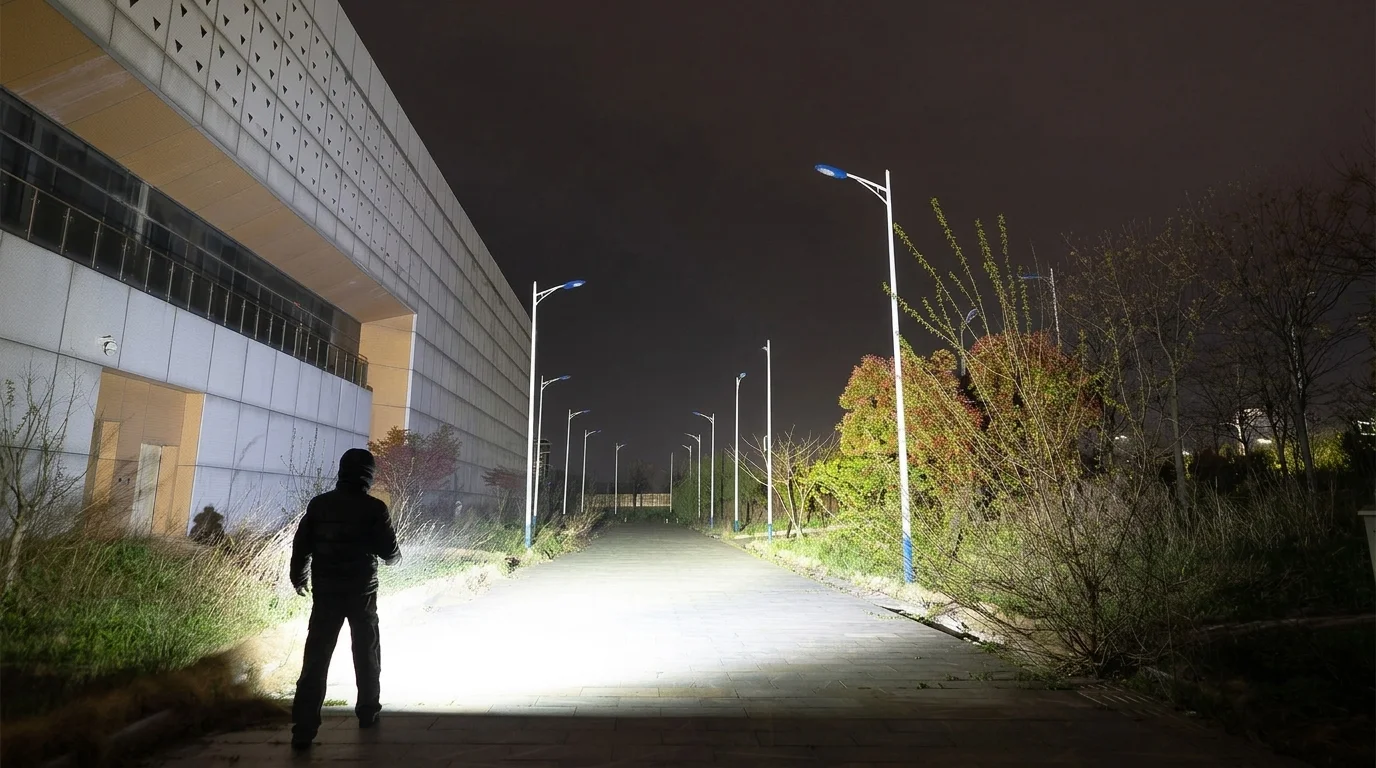
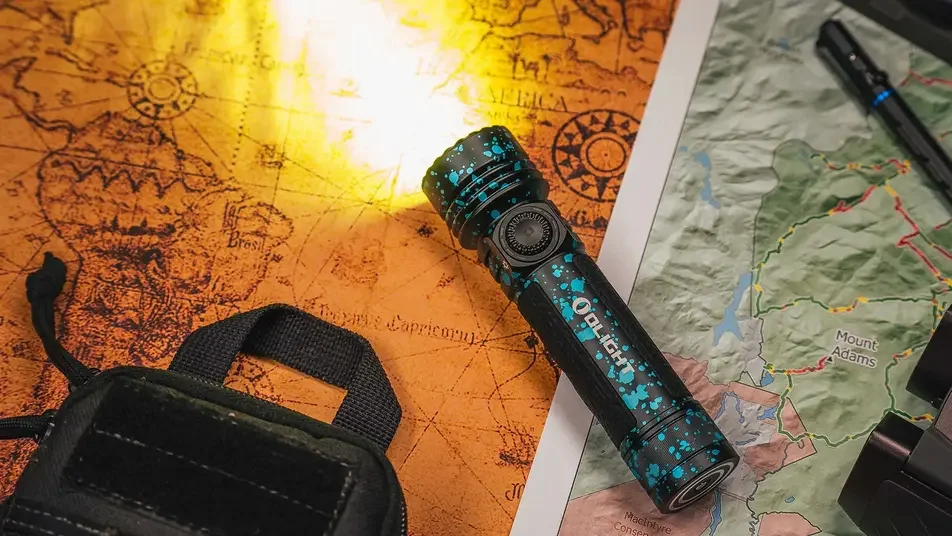
Deploying red light settings solves this dilemma. Red wavelengths protect natural pupil dilation, letting you bait hooks and untangle leaders without blinding yourself or alerting target species. When traversing rocky boulder fields, using the Olight Perun 3 head torch to verify is night fishing safe gives you hands-free control, switching effortlessly from an ultra-low red output to a broad 3,000-lumen emergency sweep.

Engineered with both clean white beams up to 3,000 lumens and dual red light settings, the Perun 3 delivers complete hands-free security. With IP68 waterproofing and a 5000mAh 21700 battery boasting up to 20 days runtime on Moonlight mode, it thrives in harsh Australian marine spray.
Being visible to boats, cars and other anglers
From a navigational standpoint, whether is night fishing safe on open bays depends on vessel awareness. Speedboats, tinnies, and commercial trawlers travel through estuary channels where shore-bound or kayak anglers cast their lines. A stationary angler dressed in dark camouflage is virtually invisible to a boat skipper navigating by radar or ambient markers.
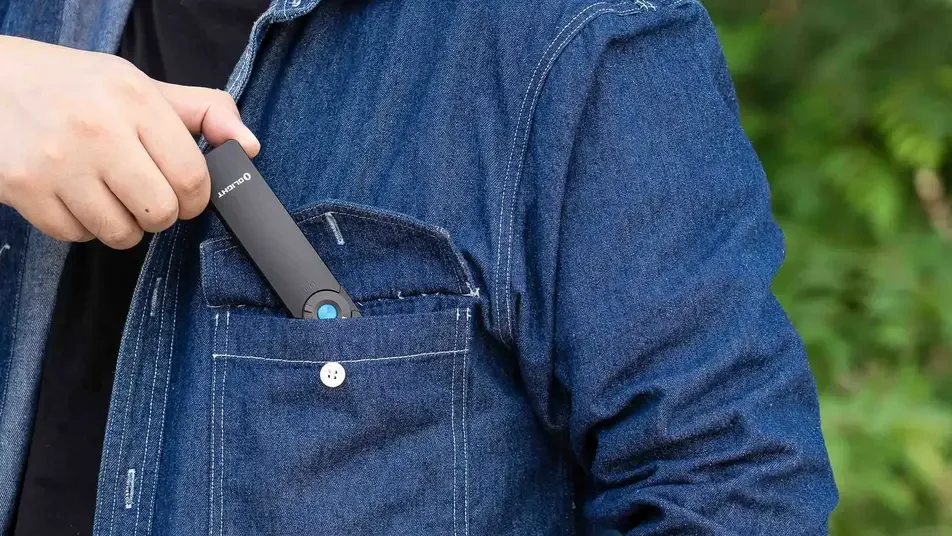
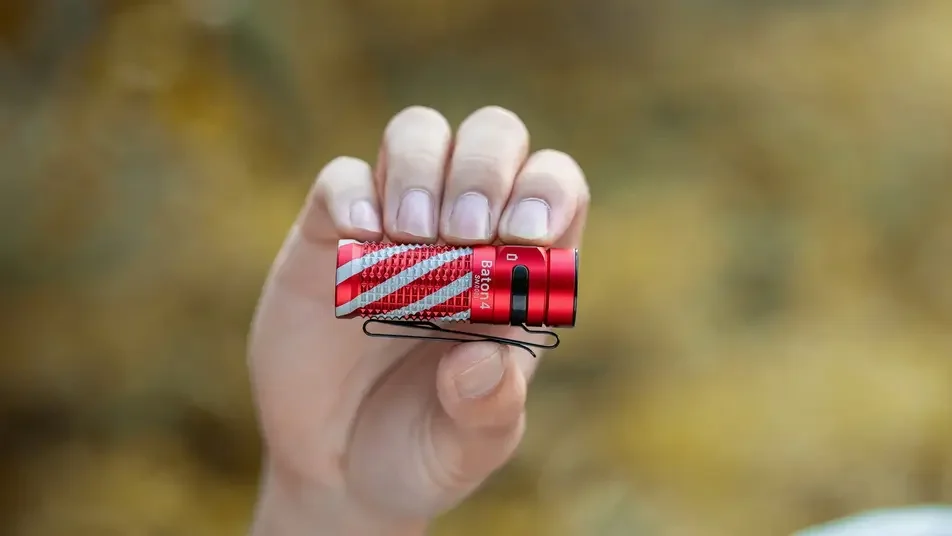
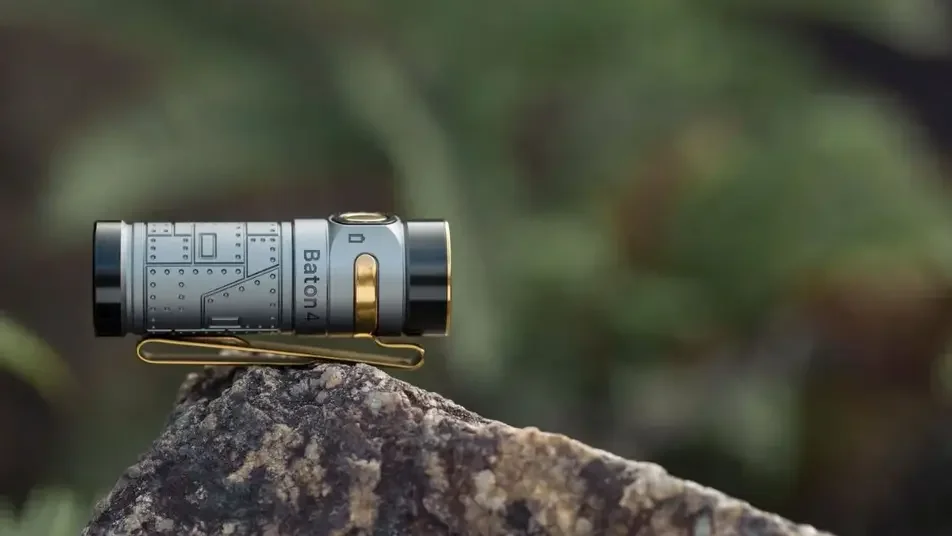
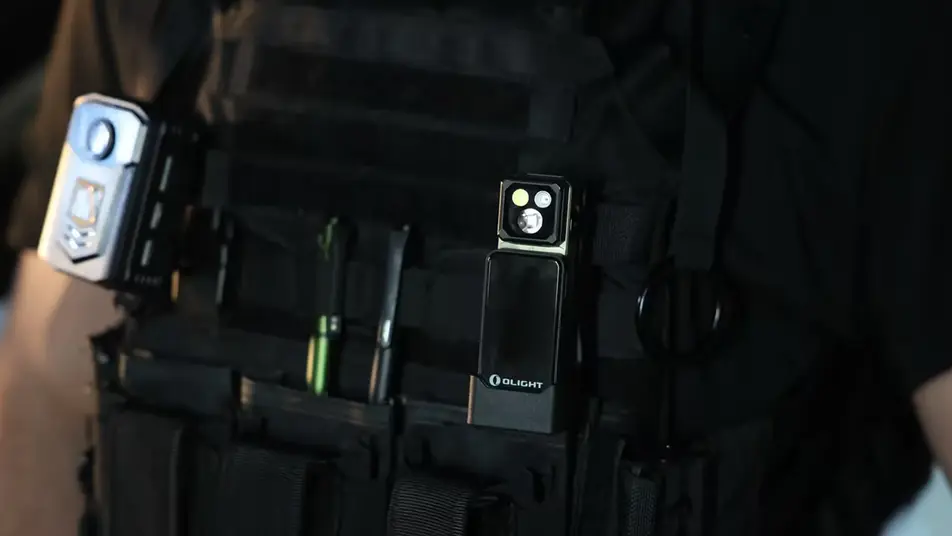
Clipping an active beacon like the Oclip 2 Ultra to ensure is night fishing safe marks your silhouette clearly against pitch-black shorelines without blinding approaching skippers. Maritime safety regulations require unpowered vessels and shore-adjacent wading anglers to display an all-round white light or rapid signalling source when power craft approach. (Source: Australian Maritime Safety Authority - Navigation Lights and Small Craft Visibility)

Featuring a 360-degree rotating clip and 115-degree head tilt, the Oclip 2 Ultra mounts securely to your fishing vest, hat, or backpack. Offering floodlight, spotlight, red beacon, and UV illumination, it ensures you remain visible to passing watercraft and can charge lures effortlessly.
Should you ever fish alone at night?
Solo trips raise the stakes; asking is night fishing safe when you are unaccompanied requires strict personal boundaries. While solo sessions offer serenity, an accidental tumble over oyster-encrusted rocks or a severe sting from a venomous catfish can quickly escalate into a life-threatening crisis.
If solo angling is your only choice, keep to enclosed beaches or public piers rather than remote ocean ledges. Packing a dedicated Olight Emergency Whistle so is night fishing safe even if mobile reception drops gives you an immediate acoustic distress signal. Always inform a contact of your precise coordinates and exact time of return.
A night safety checklist to keep in the tackle box
Before leaving home, confirm whether is night fishing safe under current marine forecasts by ticking off every item on this pre-departure gear and habits checklist:
- Daylight assessment complete: Confirm you have walked the location during daylight hours and logged low-water retreat points.
- Dual illumination sources: Pack a primary rechargeable headlamp with red output and a backup clip light.
- Tide table synced: Track water heights on an hourly timer to anticipate rapid ocean swells.
- Flotation and footwear: Wear an approved life jacket when fishing ocean rocks and cleated rubber soles.
- Acoustic signalling device: Secure a pea-less metal whistle to your vest zipper for immediate emergency distress.
Frequently asked questions
Can fish see the bait at night?
Yes. Predatory fish hunt effectively at night relying on their lateral line system to detect water displacement, along with keen olfaction and visual silhouettes against surface skylight. Using fresh, oily cut baits or dark-profile lures silhouetted against the night sky makes your presentation easy for fish to pinpoint.
Do you sleep when night fishing?
Anglers on multi-day beach encampments or overnight boat charters take short sleeping rotations, but sleeping directly on exposed shorelines, breakwalls, or tidal flats is extremely dangerous. Sneaker waves and fast incoming tides can engulf a sleeping angler within minutes.
Can I catch a fish at night?
Yes, many of the largest specimens are landed exclusively after dark. In Australian waterways, jewfish, mangrove jacks, barramundi, and gummy sharks feed actively in shallow flats during nighttime high tides, making the experience well worth the extra preparation while ensuring that is night fishing safe by maintaining stable footing.