TL;DR: Manufacturer runtime numbers are rarely continuous at peak output. The ANSI FL1 standard clocks battery endurance until output drops to a mere 10%, meaning a turbo claim may step down within minutes to manage heat. In our breakdown of best rechargeable torch australia reviews, real-world field endurance depends heavily on ambient thermal load, charging infrastructure, and standby drain.
| Feature / Metric | Lab Specification Standard | Real Australian Field Reality | What Critical Reviews Check |
|---|---|---|---|
| Turbo Runtime | ANSI FL1 (Timed to 10% brightness) | Step-downs occur within 90 to 150 seconds | Sustained lumen output and thermal throttling curves |
| Recharge Duration | Calculated using manufacturer high-amp dock | Standard 4WD 12V sockets deliver slower 5V/1A rates | Actual charge time via USB-C, magnetic MCC, and portable docks |
| Glovebox Storage | Quoted at stable 20°C ambient room temperature | Cabin temperatures reach 60°C in summer, accelerating drain | Microamp parasitic standby drain and mechanical lockout safety |
| Warranty Coverage | Multi-year or lifetime coverage marketing claim | Batteries are consumables often capped at 12–24 months | Australian Consumer Law alignment and local replacement turnaround |
Navigating marketing promises requires an analytical approach, especially when planning bush outings or off-grid touring. Enthusiasts evaluating the best rechargeable torch australia reviews often find striking discrepancies between printed box specifications and actual beam performance under harsh outdoor conditions. This guide dissects thermal stepping, lab test biases, charging formats, and environmental battery degradation to help you evaluate real product testing.
Quick answer: check which mode the runtime refers to and what charger was used for the charge time
When reading rechargeable torch reviews, your primary step is examining whether runtime claims combine multiple brightness levels into a single duration. Manufacturers frequently print an eye-catching metric—such as 4,000 lumens alongside a four-hour duration—on packaging. In reality, modern high-powered LEDs generate substantial thermal energy, forcing the driver to step down output from Turbo to a stable Medium level within minutes.
Similarly, recharging metrics are recorded under pristine laboratory test conditions using dedicated high-amp wall adaptors. When assessing the best rechargeable torch australia reviews, examine whether the tester measured recharge intervals via standard 5V/1A USB vehicle ports or proprietary charging docks. A battery taking 2.5 hours on an indoor 18W supply might take upwards of 5 hours when plugged into an accessory socket in a 4WD vehicle traveling remote tracks.
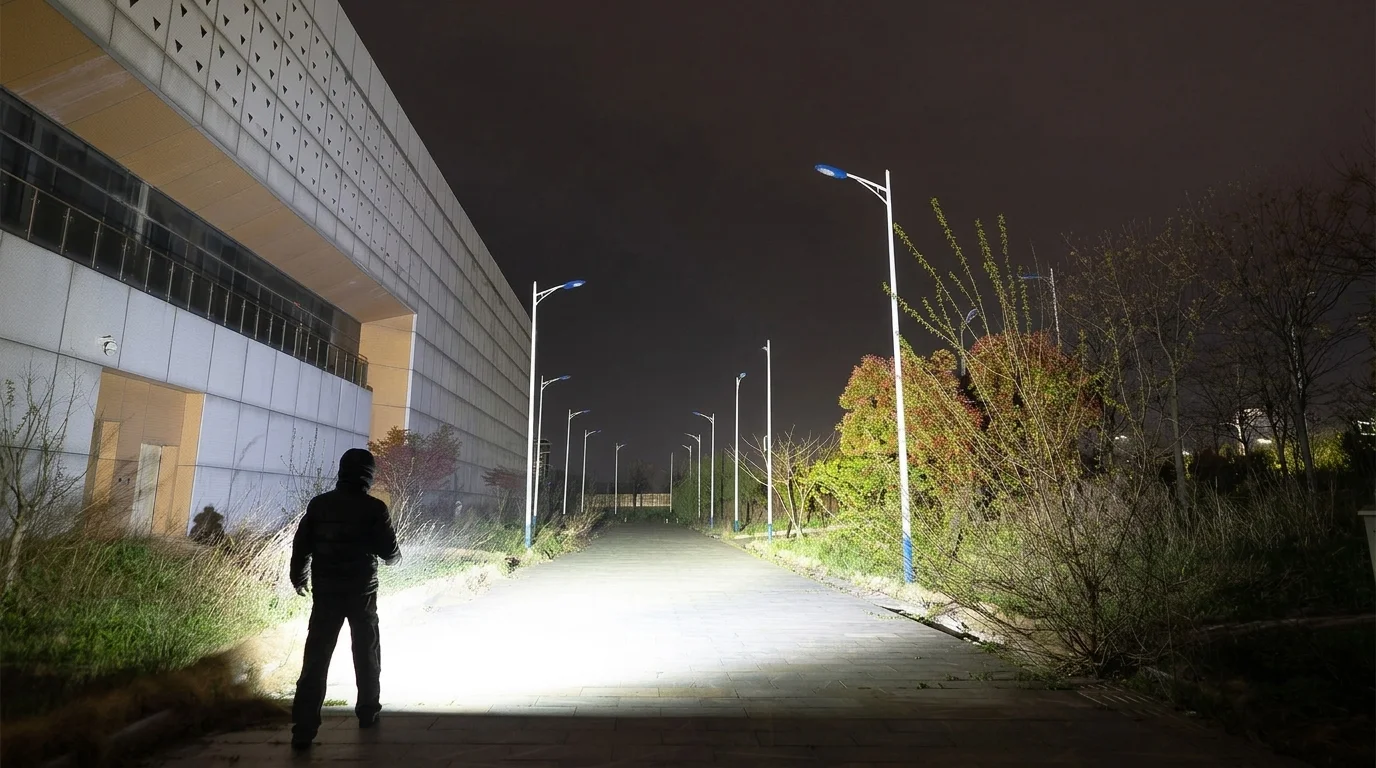
 Field conditions demand sustained visibility rather than fleeting burst output.
How ANSI FL1 runtime is defined and why reviews quote the kindest number
The industry-standard measurement for illumination performance stems from the ANSI/PLATO FL1 specification. Under these testing parameters, battery runtime is defined as the elapsed duration from initial activation (measured at 30 seconds post-turn-on) until the light output declines to exactly 10 percent of original brightness (Source: NEMA Standard FL 1 Flashlight Basic Performance). This allows manufacturers to report prolonged figures, even if the torch operates as a dim glow for the final two hours.
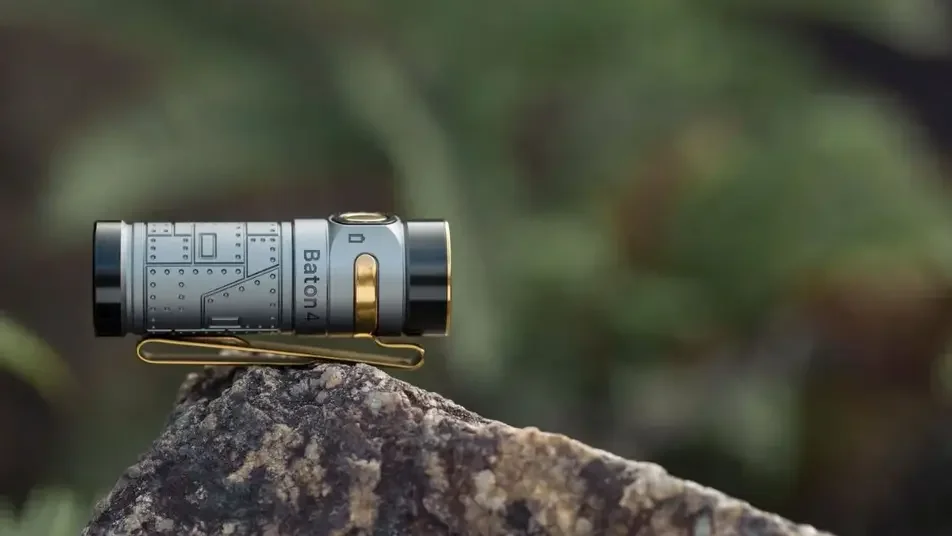
Uncritical evaluations merely reprint the headline specifications from retail packaging. Thorough rechargeable torch reviews include discharge graph measurements showing sustained brightness over time. If a torch claims 1,300 lumens for 75 minutes, authentic testing reveals whether it delivered 1,300 lumens for two minutes before downshifting to 300 lumens for the remaining 73 minutes, as documented in our Olight Baton 4 best rechargeable torch australia reviews technical assessment.
USB-C, magnetic cable or dock: what should a review test for each?
Australian outdoor conditions expose charging hardware to fine red dust, ocean spray, and vibration. Reliable rechargeable torch reviews need to evaluate the physical interface rather than just charge speed. Direct USB-C ports built into light bodies provide universal cable compatibility, but their rubber sealing gaskets can become compromised by bulldust or grit during remote camping trips.
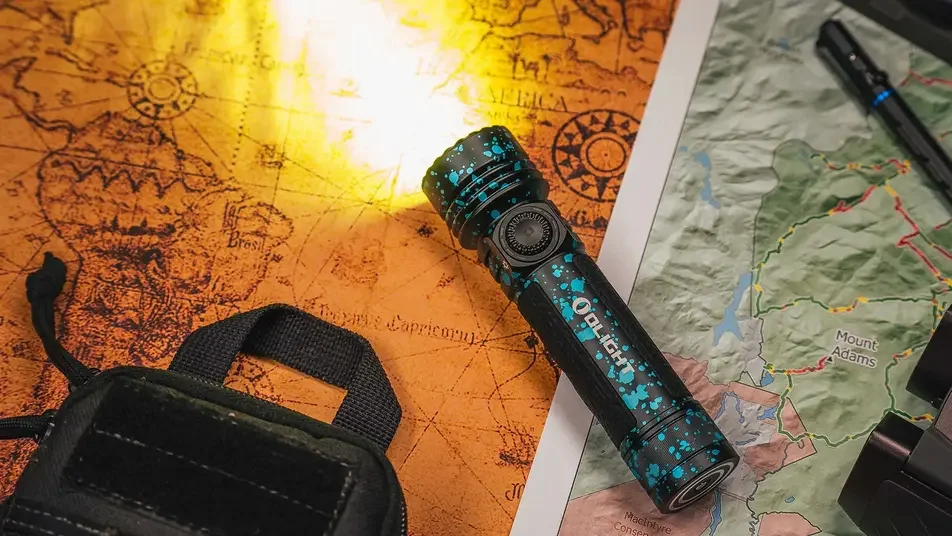
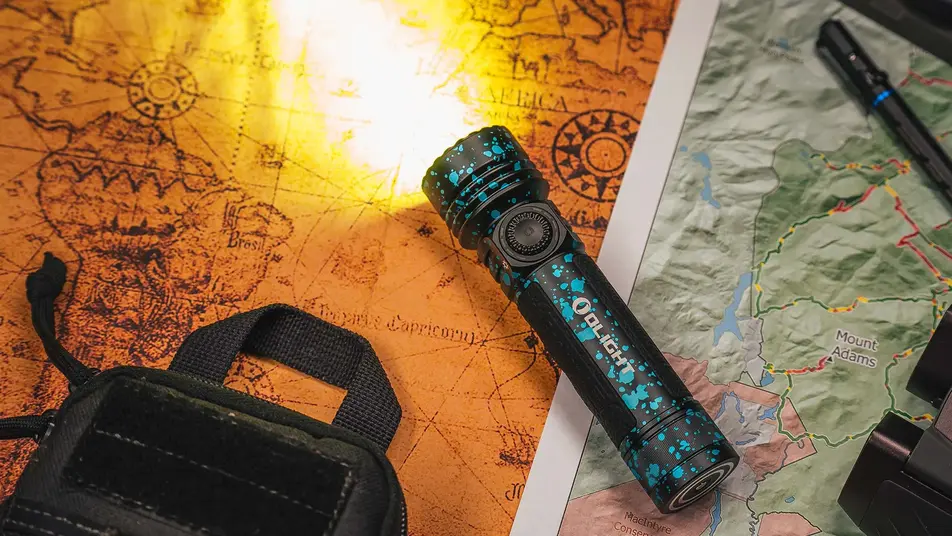
Conversely, proprietary magnetic interfaces like Olight's MCC system eliminate ingress openings on the tailcap, achieving an IPX8 immersion rating. However, reviewers must evaluate tailcap contact points when metallic iron sands accumulate in desert riverbeds. The best rechargeable torch australia reviews examine charging versatility across multiple formats, such as the cradle-and-magnetic system detailed in the Olight Seeker 4 Pro best rechargeable torch australia reviews overview.

Constructed for search tasks and outdoor work, the Seeker 4 Pro delivers up to 4,600 lumens with stepless rotary dimming and an innovative charging holster.
- Max Throw: 260 metres; Peak Output: 4,600 lumens
- Battery: Customized 5000mAh 21700 Lithium-ion
- Charging: USB-C via Holster or MCC3 2A magnetic cable
- Waterproof Rating: Submersible IPX8 anodised aluminium
Standby drain over a month in the glovebox
Electronic switches draw continuous micro-currents to detect user inputs. This quiescent current, or parasitic standby drain, quietly saps lithium cells when a unit sits idle in a camper trailer or glovebox. When evaluating the best rechargeable torch australia reviews, standby current must be measured in microamperes (µA) to establish whether an emergency torch will retain starting voltage after months of unmonitored storage.
Quality electronic drivers maintain parasitic draw below 30 µA, providing multiple years of theoretical shelf life. However, budget circuitry can consume 200 µA or more, draining a small cell in months. A quality review confirms whether a flashlight design supports mechanical lockouts—such as slightly unthreading the tailcap threads—to completely sever the circuit and protect emergency runtime.
 Emergency torches kept in storage must maintain standby voltage without drain.
What does an Australian summer do to a stored battery?
Leaving a rechargeable torch in a vehicle during an Australian summer tests chemical limits. Vehicle cabins under midday sun frequently reach internal temperatures exceeding 60°C. Elevated ambient heat accelerates irreversible capacity loss in lithium-ion cells through electrolyte oxidation and cathode breakdown (Source: Battery University Study on Prolonging Lithium-Based Batteries).
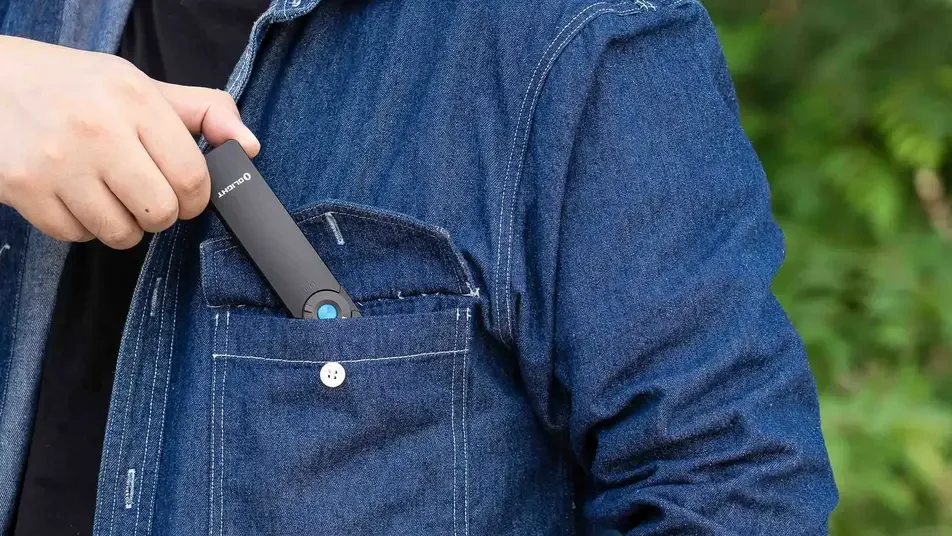
Storing a lithium cell at a full 100% state-of-charge under 60°C conditions causes permanent capacity reductions within weeks. Reputable best rechargeable torch australia reviews highlight internal thermal protection circuits and recommend storing batteries between 40% and 60% capacity during heatwaves. This thermal vigilance is especially important for compact pocket lights operating with smaller IMR cells.

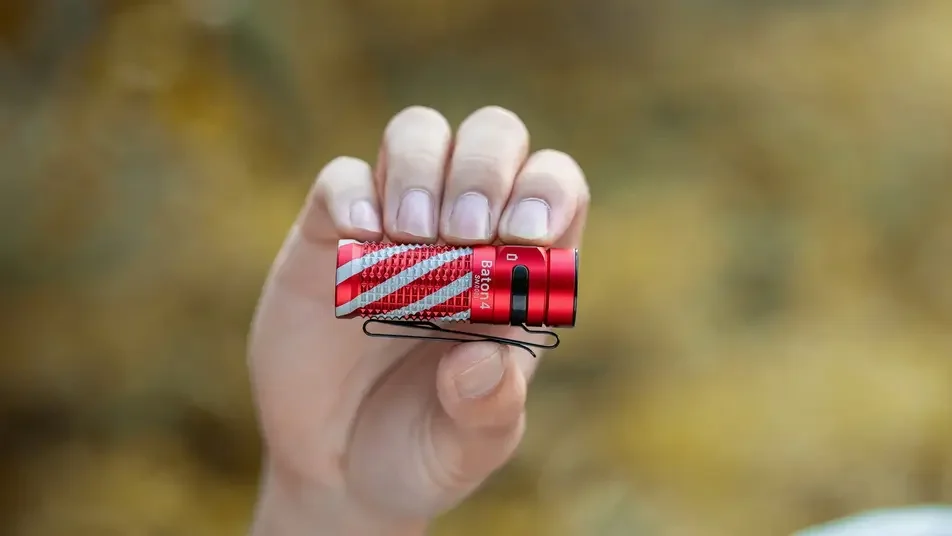
Weighing just 52.5 grams, the Baton 4 provides an impressive 170-metre beam and dual micro-perforated indicators showing battery and brightness status.
- Max Output: 1,300 lumens; Beam Distance: 170 metres
- Battery: 650mAh 3.6V IMR 16340 Lithium-ion
- Moonlight Runtime: Up to 30 continuous days
- Construction: Heavy-duty metal switch with IPX8 waterproofing
Warranty wording to look for before trusting a five-star score
Customer feedback scores frequently reflect initial out-of-the-box excitement rather than long-term durability. When evaluating rechargeable torch reviews, read the manufacturer warranty policy carefully. While flashlight bodies often carry 5-year or lifetime guarantees, lithium-ion battery cells are typically classified as consumable items, limiting their warranties to 12 or 24 months.
Australian consumer law establishes non-excludable statutory guarantees of acceptable quality and reasonable longevity, regardless of standard warranty clauses (Source: ACCC Consumer Guarantees and Warranties Overview). The best rechargeable torch australia reviews prioritize brands maintaining local repair infrastructure, ensuring warranty replacements do not require costly overseas return shipping.
Frequently asked questions
According to independent testing, the highest-rated models balance burst brightness with sustained thermal regulation. For everyday carry, the compact Baton 4 is frequently praised for its micro-perforated indicators and pocketable footprint. For demanding camp and search tasks, the Seeker 4 Pro receives consistent acclaim in best rechargeable torch australia reviews for its high-capacity 21700 cell and dual charging options.
Build quality is determined by aerospace-grade aluminium construction, hard anodising, water resistance, and consistent driver efficiency. High-quality torches like the Olight Seeker 4 Pro provide IPX8 submersible ratings, efficient thermal heat-sinking, and reliable physical lockout mechanisms. Reading genuine best rechargeable torch australia reviews helps identify units capable of withstanding rough treatment and intense outback conditions.
The optimal choice depends on your specific use case. For ultralight backpacking or pocket carry, a 1,300-lumen compact light like the Baton 4 is unmatched for utility. For search and rescue, farming, or touring, a 4,600-lumen model with larger battery capacity is ideal. Checking verified best rechargeable torch australia reviews ensures your selected model delivers honest runtimes suited to your needs.