TL;DR: Official emergency services across Australian states advise packing reliable battery-powered torches, portable AM/FM radios, and spare batteries in your emergency packs. However, generic guidelines often understate personal visibility demands. For resilient bushfire kits australia households assemble, dedicate one sturdy hands-free headlamp per adult, an independent pocket torch per room, and sealed power backups.
| State / Territory Agency | Official Lighting Specification | Radio & Broadcast Need | Recommended Household Upgrade |
|---|---|---|---|
| NSW RFS | Torch with spare batteries | Battery-operated radio | IPX8 compact torch + individual headlamp |
| Victoria CFA | Working torch with fresh batteries | Battery or solar radio | Dedicated task light per active adult |
| WA DFES | Reliable torch and batteries | AM/FM portable radio | Smoke-piercing neutral beam + audible whistle |
| SA CFS & QFD | Flashlight/torch with extra batteries | Battery-powered receiver | Magnetic base illumination for dark breaker panels |
Preparing for severe fire danger requires clear planning, robust property maintenance, and practical survival equipment. When building tailored bushfire kits australia residents frequently consult statutory fire authorities to assemble baseline supplies. While state inventories cover food, protective woollen blankets, and drinking water, their lighting guidance remains brief. This comprehensive guide reviews every state checklist, exposes critical visibility gaps, and details how to establish an adaptable bushfire kit lighting checklist to ensure your home or vehicle is equipped for midnight relocations, dense smoke, and sudden power failure.
Quick answer: use your own state's fire service list as the base; the lighting lines vary, so specify a head torch per adult and a torch per room yourself
Every state fire agency publishes an emergency kit inventory, yet their illumination instructions rarely extend beyond the phrase "torch and spare batteries". When smoke blankets a suburb at dusk or main grid transformers trip, a single handheld lantern in a hallway tote bag leaves your family vulnerable. When sourcing components for bushfire kits australia property owners must establish an active baseline: supply one hands-free headlamp per adult for loading vehicles, coupled with a robust pocket light stationed in every occupied bedroom.
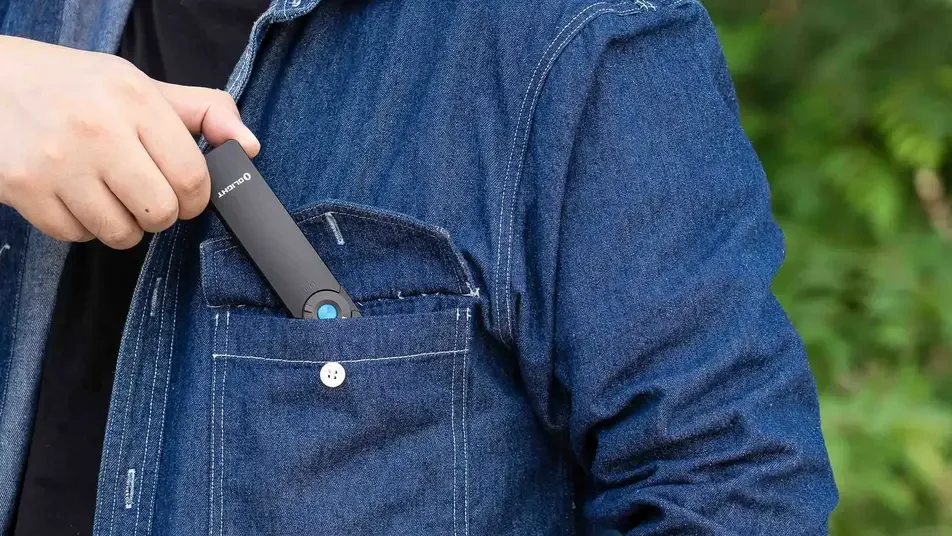
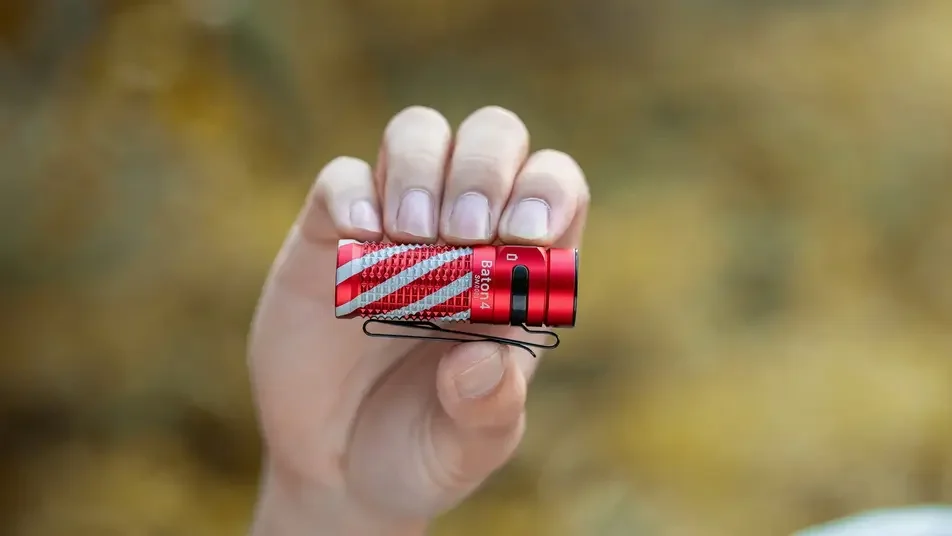
Hands-free illumination allows you to manipulate garden hoses, carry essential document folders, or handle domestic animals without juggling a bulky torch. Reviewing your specific baton 4 bushfire kits australia configuration demonstrates that secondary compact lights with magnetic tail caps deliver immense versatility. Such lights can latch onto metal switchboards or steel fence posts while leaving both hands free to clear gutters or open gates.
 Hands-free, high-output illumination is critical when inspecting vehicle readiness or managing equipment in low-visibility environments.
NSW RFS, CFA, QFD, DFES, SA CFS, TFS, ACT ESA and the NT: where each official list lives
Statutory emergency agencies across the Commonwealth tailor advice to regional vegetation, typography, and seasonal weather patterns. The New South Wales Rural Fire Service outlines essential evacuation items within its comprehensive survival checklist (Source: NSW Rural Fire Service Bush Fire Survival Plan). Victoria's Country Fire Authority emphasises household readiness, prioritising battery receivers and dependable illumination alongside woollen blankets and protective clothing (Source: Country Fire Authority Bushfire Survival Kit).
Further north and west, the Queensland Fire Department and Western Australia's Department of Fire and Emergency Services publish distinct bushfire kit by state guides reflecting subtropical scrub or arid woodland risks. Meanwhile, the South Australian Country Fire Service, Tasmania Fire Service, ACT Emergency Services Agency, and NT Fire and Rescue Service distribute local bush fire survival frameworks. Integrating a dedicated pocket torch bushfire kits australia setup across these state protocols ensures that regardless of regulatory borders, sudden grid collapse leaves no resident trapped in darkness.
Side-by-side table: how each state list describes torches, radios and batteries
Understanding how official wording differs helps property owners bridge the gap between regulatory minimums and real-world disaster preparation. While state resources are indispensable, relying entirely on basic checklists can lead to equipment oversights. Comparing guidance across jurisdictions highlights where you need to supplement your bushfire kits australia inventory.
| Jurisdiction | Torch / Flashlight Description | Emergency Radio Mandate | Battery & Charging Advice |
|---|---|---|---|
| NSW RFS | "Torch with spare batteries" | Battery-operated radio tuned to local ABC | Spare alkaline batteries or verified power pack |
| Vic CFA | "Working torch with fresh batteries" | Battery powered AM/FM radio | Stockpile fresh cells in waterproof bags |
| QFD (QLD) | "Torch or light source" | Portable battery/wind-up radio | Rotate dry cells quarterly against humidity |
| WA DFES | "Reliable torch and batteries" | Battery-powered radio | Maintain extra charged batteries on standby |
| SA CFS | "Flashlight and batteries" | Battery or crank radio | Inspect contacts and seal cells against heat |
| TAS TFS / ACT / NT | "Torch with spare batteries" | Portable radio for ABC emergency broadcaster | Match battery chemistry to extreme climates |
Because standard checklists cannot dictate specific commercial models, they use minimalist descriptors. Coupling an authoritative emergency receiver with a calibrated rechargeable torch bushfire kits australia pack transforms a baseline compliance box into a resilient evacuation system.
Why do the lighting lines vary, and what should you add?
The brevity of statutory lighting lines stems from a simple regulatory objective: government bodies want checklists that are accessible, affordable, and actionable for all demographics. Recommending specialised tactical or technical gear could deter vulnerable households from packing essentials. Nonetheless, real-world wildfire conditions present harsh challenges, including airborne ember storms, dense particulates, and disorienting ash fall that rapidly compromise low-lumen supermarket hardware.
When upgrading your personal bushfire kit lighting checklist, evaluate optical output, runtime tiers, and hands-free adaptability. A high-efficiency optical beam must pierce particulate-heavy air without throwing blinding backscatter directly into your eyes. Furthermore, alongside illumination, personal acoustic signalling devices should never be omitted. Packing an emergency whistle bushfire kits australia bundle provides a reliable sound beacon if spot fires or falling timber separate family members during low-visibility escapes.
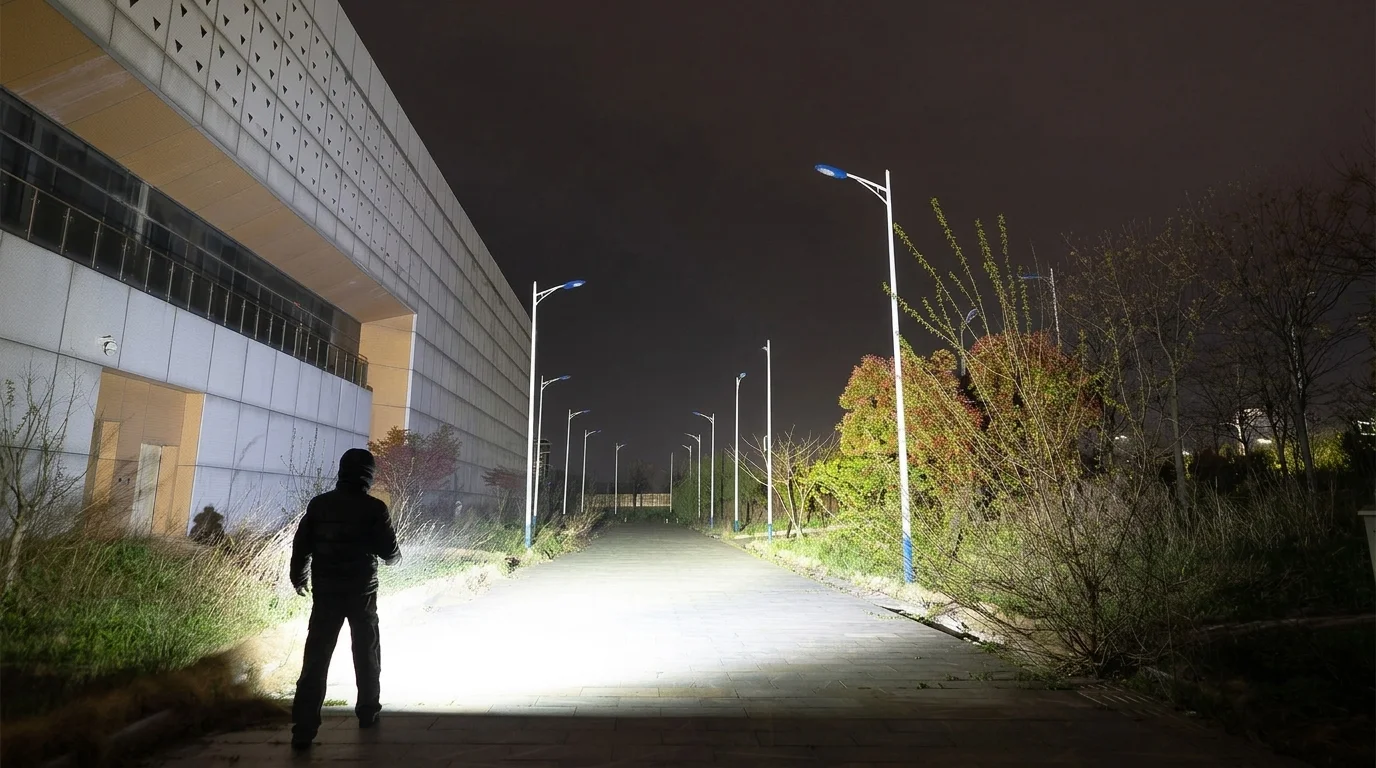
 When residential power drops ahead of a fire front, high-output directional lights ensure critical items are located without delay.
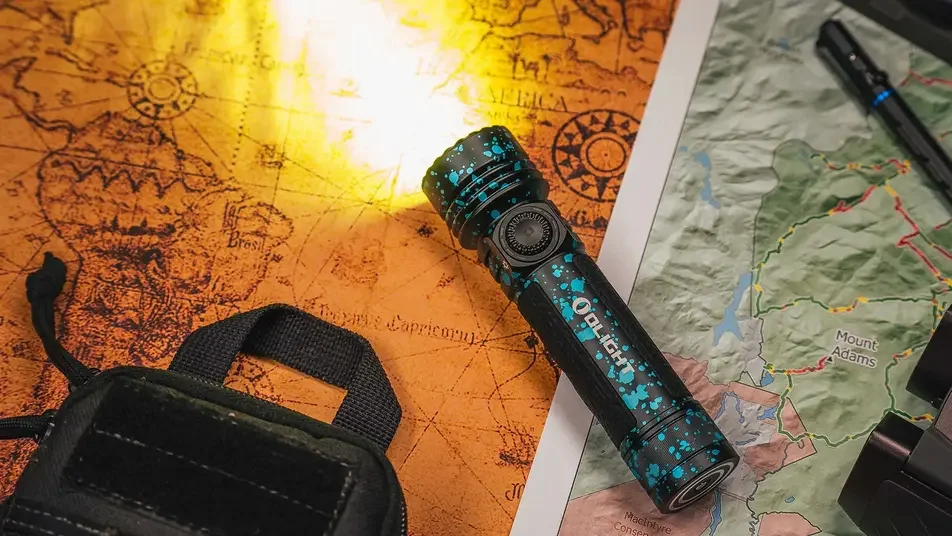
Consider housing a dedicated, high-performance illumination tool directly inside your primary grab container. Modern lithium-powered illumination units provide micro-perforated capacity indicators that prevent unexpected battery drain during emergency departures.

Compact High-Output Emergency Torch
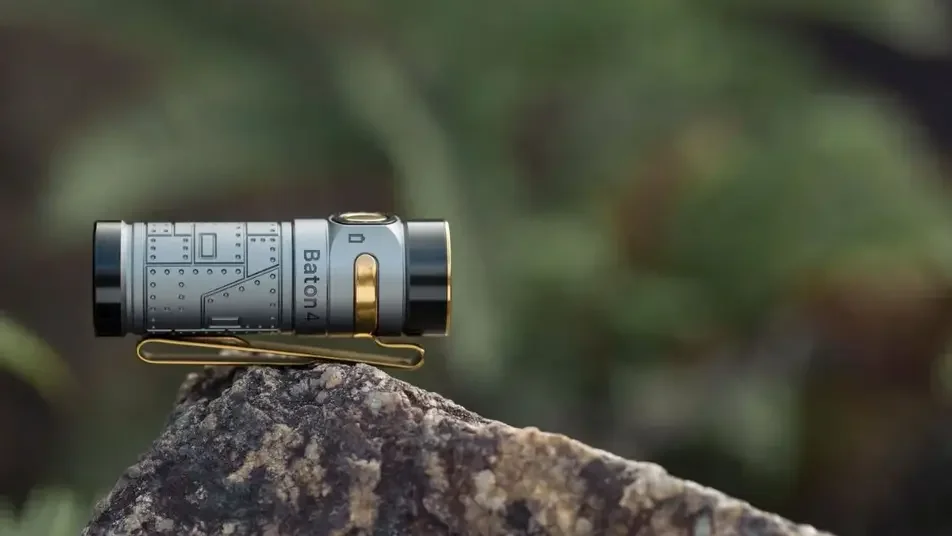
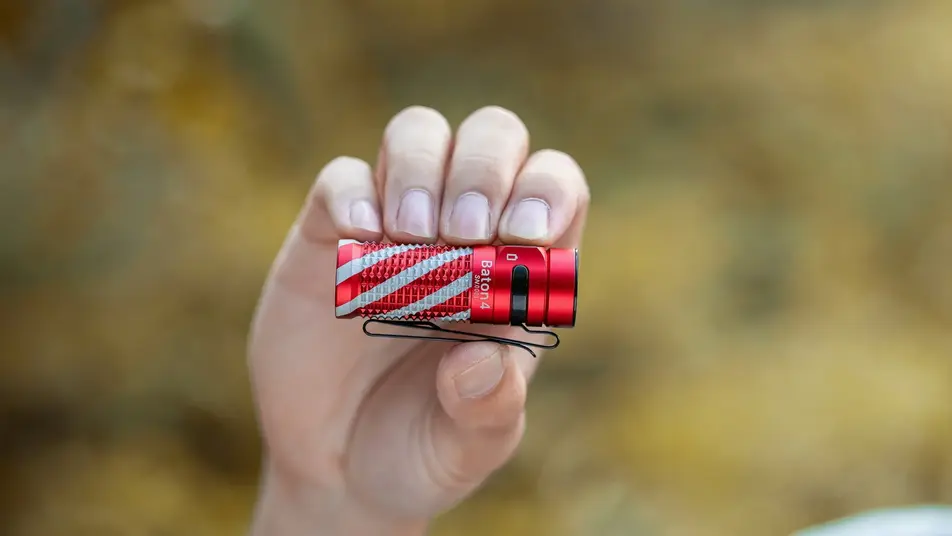
Delivering up to 1,300 lumens with a throw distance of 170 metres, the Baton 4 features laser micro-perforated brightness and battery indicators. Constructed from durable aluminium alloy with an IPX8 waterproof rating, its magnetic base attaches directly to electrical switchboards or vehicle panels, making it an essential upgrade for household grab bags.
- Max Beam Distance: 170 metres (7,225 candela)
- Run Time: Up to 30 days in Moonlight mode; 8 hours at 60 lumens
- Charging Type: Convenient MCC magnetic connection
Holiday homes and interstate moves: one kit per property?
A frequent mistake among Australians who own rural coastal retreats or holiday cabins is assuming a single mobile emergency tote can serve both primary and secondary residences. If catastrophic conditions spark while you are en route or spending the first night at a holiday home, locating unfamiliar switchboards, tank valves, and perimeter gates in the dark is exceptionally hazardous. Every bushfire-prone property requires its own dedicated, permanently staged emergency container.
When maintaining isolated outposts, pairing audible alerts with high-lumen torches is invaluable. Adding an outdoor whistle bushfire kits australia configuration ensures that if family members are scattered across bush acreage during a sudden wind shift, search and rescue personnel can pinpoint your location through thick smoke.
 Olight Emergency Whistle
High-Decibel Titanium Acoustic Signaller
Weighing just 7 grams and forged from solid titanium, this ultra-lightweight whistle emits an intense acoustic alert that easily cuts through high winds and roaring flames. Completely impervious to corrosion, water ingress, and extreme ambient heat, it clips effortlessly into any survival kit or jacket zipper.
- Material: Premium hypoallergenic titanium
- Dimensions: 0.35 in diameter, 2.09 in length
- Weight: 7 grams for featherweight carry
Checking lights in a kit you rarely open
Survival kits are often stowed away in cupboards or car boots, remaining untouched for months. Unfortunately, summer heat waves and high garage temperatures accelerate battery self-discharge and induce chemical leakage in standard alkaline cells. A corroded torch switch is the last thing you want to discover when ash blocks out the daylight. To guarantee readiness, establish a formal inspection routine aligned with the change of season.
The Australian Institute for Disaster Resilience underscores regular maintenance as a core component of emergency preparedness plans (Source: Australian Disaster Resilience Handbook Collection). Every October, ahead of peak fire season, inspect your kits methodically:
- Test Physical Switches: Cycle through all lighting modes to ensure mechanical and electronic switches engage smoothly.
- Verify Chemistry & Isolation: If storing primary lithium or alkaline cells, ensure they remain mechanically isolated or sealed in their factory packaging to prevent passive parasitic draw.
- Recharge Secondary Cells: Top up high-capacity rechargeable units and ensure your baton 4 tactical bushfire kits australia magnetic charging leads remain safely coiled beside your emergency storage banks.
- Check Seals and Lenses: Clean all optical lenses and inspect O-ring seals to preserve IPX8 dust and moisture barriers against fine charcoal particulates.
By conducting these regular seasonal audits, you can be certain that your bushfire kits australia gear will perform flawlessly whenever dangerous fire conditions threaten your community.
Frequently asked questions
What should be in a bushfire kit?
An official Australian bushfire emergency kit must contain protective natural-fibre clothing (heavy cotton or wool), sturdy leather work gloves, safety goggles, P2/N95 respirator masks, a portable AM/FM battery-powered radio, first aid supplies, a minimum of three litres of drinking water per person, essential prescription medications, copies of vital personal documents in a waterproof folder, and dependable illumination. Upgrade basic checklists by packing one dedicated hands-free headlamp per adult and a secondary high-output torch per room.
Where can I find survival kits in Australia?
Pre-assembled emergency and first aid kits can be purchased through humanitarian relief organisations like the Australian Red Cross, St John Ambulance Australia, and major outdoor adventure suppliers. However, state fire agencies strongly recommend assembling a customised kit yourself. Tailoring your container guarantees that equipment—such as robust lithium torches, specific family medications, protective clothing sizes, and pet provisions—fits your exact household evacuation requirements.
Does the government offer survival kits?
Australian state and federal government emergency agencies do not supply physical, pre-packed survival kits to private households. Instead, statutory authorities such as the NSW RFS, Victoria CFA, and Queensland Fire Department provide downloadable survival planning templates, checklists, and evacuation educational resources. Property owners are responsible for procuring their own supplies, maintaining their equipment, and updating survival kits before the fire season begins.