
Magnetic lighting technology has evolved from simple hardware store novelties into essential tools for professionals and outdoor enthusiasts alike. As we move into 2026, the demand for versatile, hands-free illumination is at an all-time high, especially in specialized fields like indoor gardening, automotive repair, and complex commercial maintenance. This guide explores the mechanics, benefits, and top-tier options for magnetic lights tailored to the Australian market.
Table of Contents
- 1. What Are Magnetic Lights?
- 2. Key Benefits of Magnetic Lights
- 3. Common Types of Magnetic Lights
- 4. Best Use Cases for Magnetic Lights
- 5. Key Features to Consider When Choosing Magnetic Lights
- 6. Magnetic Lights vs Regular Flashlights
- 7. How to Use Magnetic Lights Safely and Effectively
- 8. Frequently Asked Questions About Magnetic Lights
What Are Magnetic Lights?
Definition of Magnetic Lights
Magnetic lights are advanced illumination devices equipped with integrated magnets—usually high-performance, rare-earth Neodymium types—allowing them to adhere securely to ferromagnetic surfaces. Unlike traditional lighting solutions that require complex brackets, screws, or permanent fixtures, these units leverage powerful magnetic attraction for instantaneous mounting and mobility.
How Magnetic Mounting Works
The base or integrated clip of the light contains a magnetic element that creates a temporary yet incredibly strong bond with steel, iron, or nickel surfaces. In modern ergonomic designs, these magnets are often shielded or rubber-coated to maximize friction and prevent scratching the mounting surface while maintaining a high pull force for maximum stability in vibrating environments.

Why Magnetic Lighting Is Becoming Popular
The global shift toward magnetic systems stems from an increasing professional need for speed and operational flexibility. In fast-paced commercial environments or remote Australian outdoor settings, the ability to "slap" a light onto a structural beam, vehicle chassis, or tool cabinet saves valuable time and eliminates the need for permanent infrastructure modifications, making them a favorite for EDC enthusiasts.
Key Benefits of Magnetic Lights
Hands-Free Lighting for Work and Daily Tasks
The primary advantage of magnetic integration is the total liberation of both hands. For an automotive mechanic or an indoor gardener adjusting delicate hydroponic nutrient systems, having high-intensity light directed exactly where it's needed without the burden of holding a torch is indispensable for precision and safety.
%2FScenarios%2F00003169.JPG&c=6811f2a58014c&x=1920&y=1920&a=1&t=ef80wrkUXufY8mu)
Easy Installation Without Tools
There is absolutely no requirement for power drills, wall anchors, or specialized hardware. This plug-and-play approach allows users to move the light from a metal grow-tent pole to a commercial shelving unit in seconds, facilitating a dynamic and efficient workflow.
Flexible Placement on Metal Surfaces
Since the mounting is non-permanent, you can continuously adjust the angle and position of the light as your project evolves. This versatility is particularly useful in modern commercial projects where temporary lighting requirements often change during different construction or maintenance phases.
Portable and Versatile for Multiple Scenarios
Most magnetic lights feature a compact, lightweight form factor. A single high-quality unit can serve as a heavy-duty workshop light during the day and a reliable camping lantern at night, providing exceptional utility-per-gram for outdoor adventure enthusiasts.
Common Types of Magnetic Lights
Magnetic Work Lights
These typically feature a wide COB (Chip on Board) LED for superior floodlighting. They are engineered for rugged environments and often include a 360-degree swivel base to direct light at specific, hard-to-reach angles in workshops or construction sites.

Magnetic LED Flashlights
Standard handheld torches that feature a magnetic tail cap. This allows the light to stand vertically or horizontally on metal surfaces, effectively transforming a traditional flashlight into a stationary workspace lamp for emergency repairs.
Magnetic Cabinet and Closet Lights
Slim, strip-style lights frequently used in indoor gardens, pantries, or warehouses. They often include adhesive metal mounting plates for application on non-metallic surfaces, though the core attachment remains magnetic for easy removal and charging.
Magnetic Camping Lights
Often circular or lantern-shaped, these units attach firmly to 4WD awnings, steel tent poles, or metal camping tables to provide consistent ambient area lighting throughout the night in the bush.
Rechargeable Magnetic Lights
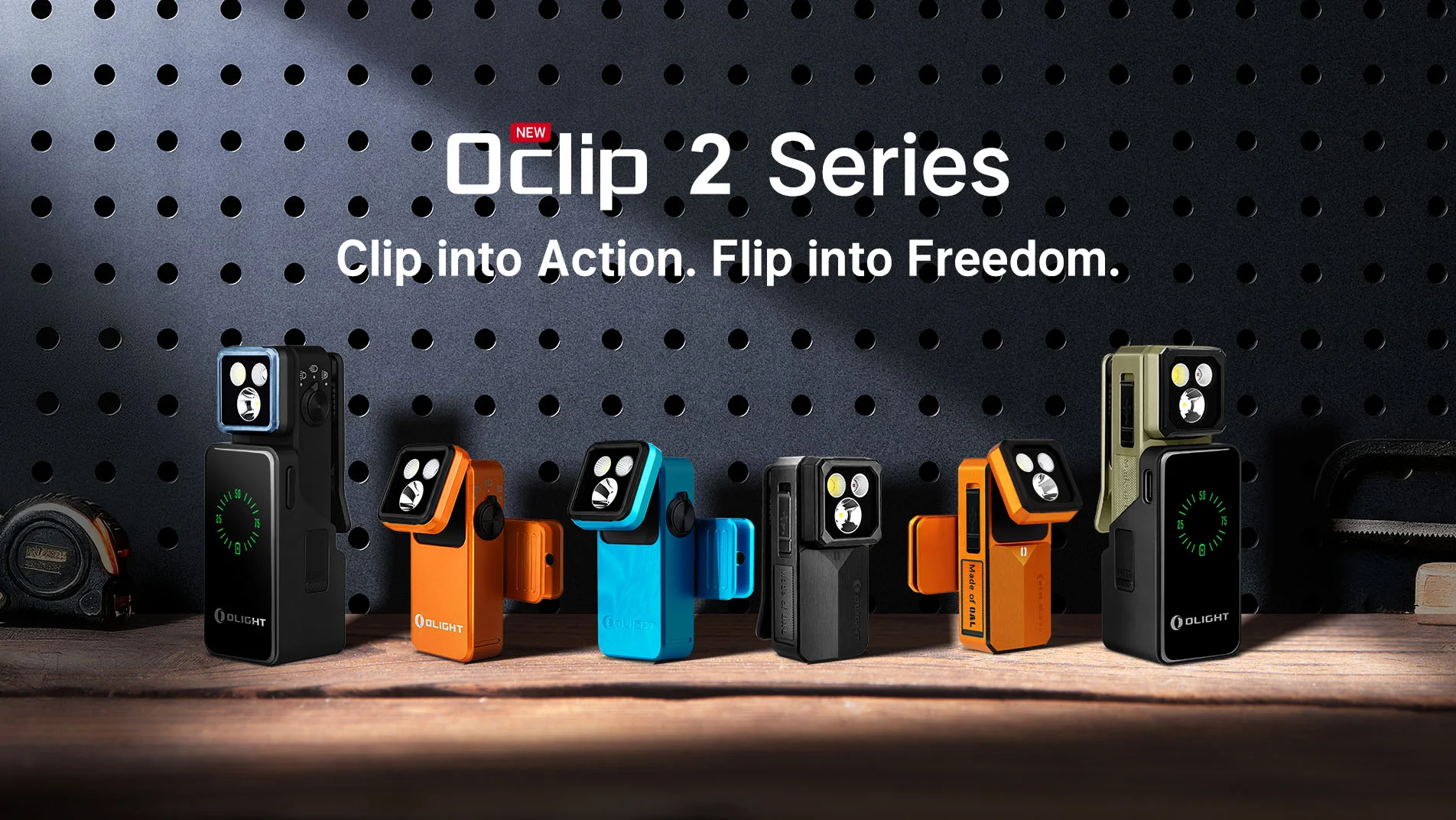
Modern units utilize high-speed USB-C or proprietary magnetic charging interfaces. For example, the Olight Oclip series provides multi-functional mounting solutions including a heavy-duty magnetic base for maximum versatility across different tasks.
| Feature | Oclip | Oclip Pro | Oclip Ultra |
|---|---|---|---|
| Max Output | 300 Lumens | 500 Lumens | 530 Lumens |
| Light Sources | White, Red | Flood, Spot, Red | Flood, Spot, UV |
| Max Distance | 70 Meters | 120 Meters | 130 Meters |
| Charging | Type-C | USB-C | USB-C |
| Weight | 30g | 53g | 55g |
| Special Feature | Signal Strobe | Extended Runtime | UV Light (365nm) |
Best Use Cases for Magnetic Lights
Automotive Repair and Mechanical Work
Professional mechanics utilize magnetic lights to illuminate the underside of a chassis or the deep, dark recesses of an engine bay by sticking the light directly to the steel frame or the underside of the hood, ensuring every bolt is visible.

Camping and Outdoor Activities
In the rugged Australian outback, a portable magnetic light like the Oclip Ultra is a vital piece of kit. Its UV light function can be used for identifying scorpions or inspecting gear, while the magnetic clip secures it to vehicle roof racks for hands-free cooking at dusk.
Emergency and Power Outage Situations
During a sudden blackout, sticking a magnetic light to the refrigerator or electrical distribution box provides immediate, stable room illumination without the risk of the light tipping over, as often happens with traditional torches and candles.
Home Lighting for Cabinets and Closets
They serve as excellent "set and forget" solutions for dark pantries, walk-in closets, or under-sink storage areas where hard-wiring is difficult or prohibitively expensive for homeowners.
Everyday Carry (EDC) Lighting
Compact magnetic clip lights are perfect for everyday use—clipping onto a hat brim for a late-night walk or sticking to a metal door frame when searching for keys in the dark, fitting perfectly into a modern EDC lifestyle.
Key Features to Consider When Choosing Magnetic Lights
Magnet Strength and Stability
A weak magnet is a significant liability. Ensure the light is rated to support its own weight even when subjected to vibrations, such as those found on a running diesel engine or a windy campsite in the Australian bush.

Brightness and Lumens
For detail-oriented work like mechanical repairs, look for at least 300-500 lumens. High-lumen outputs ensure comprehensive visibility in large commercial storage spaces or expansive outdoor campsites.
Battery Type and Runtime
Lithium-ion batteries are the industry standard for 2026. Look for lights offering "Moonlight" or "Eco" modes that can extend runtime to over 100 hours for long-term emergency preparedness and camping trips.
Size and Portability
In modern design trends, smaller is often better. The Oclip Pro offers a perfect balance, delivering 500 lumens in a featherlight 53g package, making it effortless to carry in a pocket or attach to a magnetic surface without sagging.
Durability and Waterproof Rating
For outdoor and commercial use, an IPX5 or IPX6 rating is essential to withstand the harsh Australian elements, including heavy rain, dust, and mud exposure common during off-road adventures.
Magnetic Lights vs Regular Flashlights
Installation and Mounting Differences
Regular flashlights rely primarily on handheld use or lanyards. In contrast, magnetic lights offer a "fix-and-forget" mounting experience on any ferrous metal surface, significantly expanding their functional utility for complex projects.
Hands-Free Convenience
While some flashlights include headlamp straps, magnetic lights allow you to place the light source farther away from your face. This reduces glare, minimizes "tunnel vision," and provides superior spatial lighting for complex mechanical tasks.

Best Situations for Each Type
Regular flashlights remain superior for long-distance searching and patrolling. Magnetic lights excel in task-oriented scenarios such as automotive repairs, precision gardening, and providing static ambient lighting in fixed locations like workshops.
How to Use Magnetic Lights Safely and Effectively
Choosing the Right Metal Surface
Magnets achieve the best "bite" on flat, thick steel. Thin sheet metal or surfaces with heavy powder coating may reduce the effective holding force. Always test the grip before fully releasing the device to ensure it won't drop on delicate equipment.
Preventing Slipping or Dropping
If mounting on a vertical or slick surface, ensure the magnet has high friction. Premium magnetic lights utilize rubberized or textured bases to increase grip and prevent gradual sliding under their own weight.
Proper Charging and Battery Care
Avoid leaving your rechargeable lights at 0% battery for extended periods. Utilize the manufacturer-provided USB-C or magnetic charging cables to maintain long-term battery health and peak capacity for emergency use.
%2FScenarios%2F0G1A9233.JPG&c=accfe232b07be076b0ec0f6d43c9c323&x=1920&y=1920&a=1&t=HLbiZmcfwl31nAK)
Frequently Asked Questions About Magnetic Lights
Are magnetic lights strong enough to stay in place?
Absolutely. High-quality professional models utilize N52 Neodymium magnets, which are specifically engineered to hold many times the actual weight of the light itself, even in high-vibration environments like a running vehicle engine.
Can magnetic lights damage electronic devices?
Modern electronics such as smartphones and laptops use Solid State Drives (SSDs), which are generally unaffected by small magnets. However, it is a best practice to keep them away from older magnetic stripe credit cards or legacy mechanical hard drives.
Are magnetic lights waterproof?
Many professional-grade models, including the Oclip Pro and Oclip Ultra, feature IPX6 ratings, meaning they are fully protected against heavy splashing, rain, and pressure-washing during outdoor use.
How long do rechargeable magnetic lights last?
On low or "moonlight" settings, these lights can last between 27 to 144 hours. When operated on high-output settings (300-500 lumens), you can typically expect 1 to 2 hours of continuous, peak-performance use before requiring a recharge.