Modern outdoor gear has evolved beyond simple illumination. Today, enthusiasts increasingly turn to versatile tools that combine traditional LED power with laser technology. Understanding the capabilities and safety requirements of a laser torch is essential for any adventurer looking to upgrade their kit.
This guide explores the technology, practical applications, and essential safety protocols for using laser-integrated lighting tools in 2026.
What is a Laser Torch?
A laser torch is a specialized lighting device that emits a highly concentrated, coherent beam of light. Unlike a standard flashlight that spreads light over a wide area, a laser torch maintains a tight, narrow beam over extreme distances. In modern EDC (Everyday Carry) contexts, this technology is often integrated into multi-source devices.
- Beyond the Standard Laser Pointer
While many people are familiar with low-power laser pointers used in classrooms, a tactical or outdoor laser torch is a different grade of equipment entirely. Standard pointers usually operate at very low milliwatt levels designed for indoor use. Outdoor-grade laser torches are engineered for high visibility against ambient light, featuring superior heat dissipation and robust housing to survive rugged environments.
- How High-Power Beams Work
High-power beams utilize diode technology to produce light at specific wavelengths. The coherence of the beam means the light waves are in phase and travel in the same direction with minimal divergence.

Top Practical Uses
The utility of a laser torch extends far beyond simple pointing. For outdoor enthusiasts and professionals in Australia, these tools provide unique advantages in communication and inspection.
- Astronomy and Star Pointing
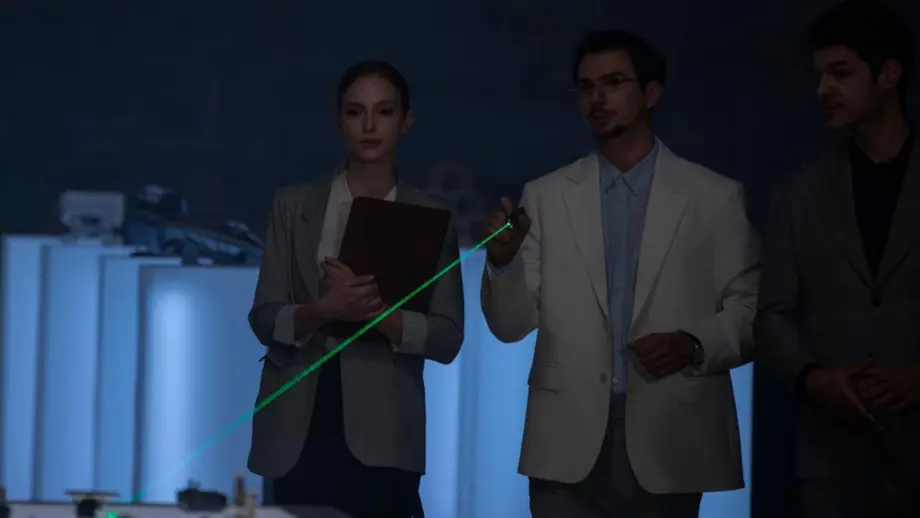
For hikers and campers under the clear Australian sky, a green laser is an invaluable tool for astronomy. Because green light is highly visible to the human eye, the beam appears to extend all the way to the stars. This makes it easy to point out constellations or specific celestial bodies to a group without the ambiguity of using a finger or a standard flashlight beam.
- Emergency Signaling and Survival
In emergency situations, a laser torch acts as a powerful signaling device. A concentrated beam can be seen from miles away, especially at night or in hazy conditions. If you are stranded or need to signal a rescue team, the high intensity of a laser can cut through environmental interference more effectively than a standard SOS flash from an LED.
- Professional and Industrial Use
In professional settings, such as construction, search and rescue, or large-scale inspections, a laser torch allows for precise communication.
- Construction: Pointing out specific structural elements on high ceilings or distant scaffolding.
- Search and Rescue: Marking specific areas of interest for team members without moving from a secure position.
- Inspections: Highlighting cracks, leaks, or points of failure in industrial machinery.

Key Features to Consider
When selecting a laser-integrated tool, several technical specifications determine its effectiveness and suitability for your specific needs.
- Beam Color (Green vs. Blue vs. Red)
The color, or wavelength, of the laser dictates its visibility and application.
- Green: The most popular for outdoor use. The human eye is most sensitive to green, making these beams appear much brighter than red or blue at the same power level.
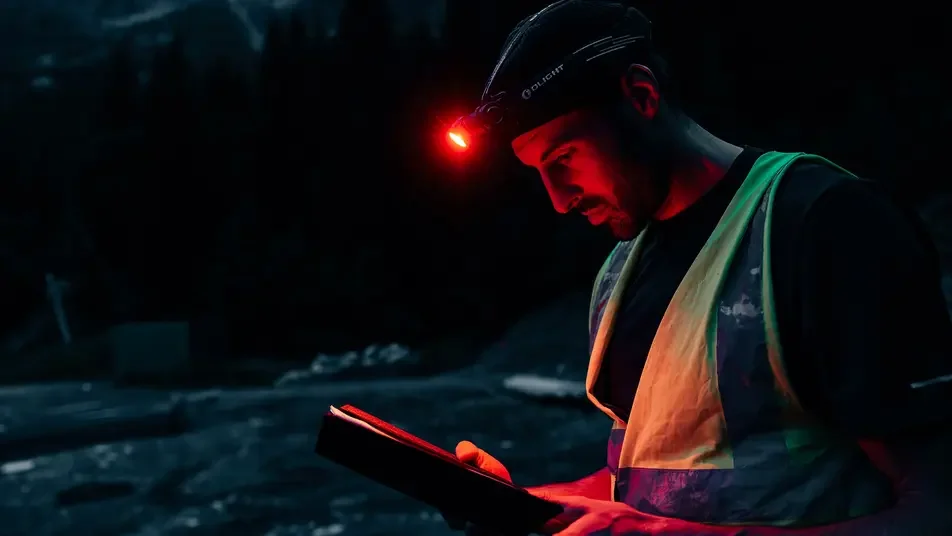
- Red: Often used for indoor pointing or low-light tactical situations where preserving night vision is a priority.
- UV: While not a "beam" in the traditional pointing sense, UV light is often included in high-end torches.
- Power Output and Range
For a laser torch, range is often measured by the beam's ability to remain visible at a distance.
- Battery Type and Durability
High-power lighting requires consistent energy. Look for devices with integrated rechargeable batteries and efficient charging systems. The Arkpro utilizes a USB-C or MCC magnetic charging system, ensuring the device is always ready.

Safety Essentials
While incredibly useful, laser torches must be handled with professional care. They are not toys and require a strict adherence to safety protocols.
Protecting Your Eyesight
The primary danger of any laser beam is eye damage. Even a reflected beam can cause permanent retinal injury if it is powerful enough.
- Never stare directly into the beam: Treat the aperture with the same respect as the muzzle of a firearm.
- Avoid reflective surfaces: Be cautious when pointing at glass, mirrors, or polished metal, as the beam can bounce back toward you or others.
- Use the lockout feature: Most advanced torches like the Arkpro feature a selector or lockout mode to prevent accidental activation in your pocket or bag.

Responsible Use and Legal Limits
In Australia and many other regions, there are strict laws regarding the use of lasers.
- Do not point at aircraft or vehicles: This is a serious criminal offense and can dazzle pilots or drivers, leading to catastrophic accidents.
- Respect public spaces: Avoid using high-power lasers in crowded areas where people may be startled or accidentally struck by the beam.
- Check local regulations: Some jurisdictions have specific power limits for handheld lasers. Ensuring your device is a recognized Class 1 or appropriate consumer-grade tool is vital for legal compliance.
Final Tips for New Users
When you first receive your laser-integrated torch, spend time familiarizing yourself with the mode operation. Use the central button and selector to practice switching between the pure flood, spotlight, and laser modes. Always start in the lowest setting to understand the beam's path and ensure that you are always using your tool responsibly. By following safety guidelines and understanding the technical capabilities of your gear, you can significantly improve your efficiency and safety during your next outdoor adventure.