| Use | Pack | What it needs to do | Example |
|---|---|---|---|
| Read the track | Adjustable head torch | White flood with a usable lower setting. Runs through your return and delay allowance on that setting. | Perun X |
| Keep a backup handy | Independently powered clip torch | White light, a clip that holds and a beam you can aim below eye level. | Oclip 2 Pro |
| Manage heat and insects | Water, breathable clothes, sun protection and repellent | Enough drinking water for the route and extra time. Covered skin where practical. | Water bottle, long-sleeved shirt, hat, sunscreen and labelled repellent |
| Get back by the route you planned | Offline map, first aid kit and dry pouch | A route you can check without mobile service and dry storage for the second light. | Downloaded map, first aid kit and zipped dry pouch |
Set a return time before you leave
Waiting for the sun to drop can take the edge off direct heat, but the build-up still brings humidity and showers or storms. Decide while you have signal whether the track can be finished in daylight and whether you have time to turn around before the weather arrives. A head torch covers an unexpectedly slow exit or a dusk walk on a route that permits it. (Source: Bureau of Meteorology, October 2026 Tropical Climate Update)
At Litchfield National Park, NT Parks advises avoiding strenuous activity in the heat of the day, carrying plenty of water and following signs. Check Litchfield’s current access report for the exact road and track. Near Cairns, Queensland Parks says to walk Mount Whitfield in daylight only and to start the Blue Arrow circuit by 2 pm at the latest. The park’s 24-hour opening does not change that walking advice. Use Litchfield and Cairns as examples of why your cut-off comes from the specific track, local sunset and forecast. (Source: NT Parks, safety in Litchfield) (Source: Queensland Parks, visiting Mount Whitfield safely)
Work backwards from the time you need to be back. If your descent normally takes 45 minutes, allow for wet steps and route checks before choosing your turn time. Tell someone your route, planned return and when to raise the alarm. A shorter out-and-back near the trailhead gives you a straightforward exit if the weather changes.
Fit the head torch before the strap gets wet
Set the strap just tight enough that the lamp stays put when you look down. Tilt the light until it covers the next few steps, then nod or shake your head once to check it holds. If your cap brim casts a shadow where you need to step, raise the brim or reposition the lamp. The Perun X uses a 35 mm band and a removable right-angle lamp, with separate white flood, spot and red settings. On the AU product page, the black built-in-battery version is one option. Check the battery configuration you are selecting.

Choose flood for the ground ahead and switch to spot when you need to read a distant marker. Olight lists IPX7 water resistance and USB-C charging for the black built-in-battery option.
View Perun XIf a wet band begins to slide, stop off the walking line, wipe the contact area and reset the tension. A strap that holds with moderate pressure is more comfortable than one that needs frequent tightening. Check for wet hair or a buff under the strap before tightening again.
Dry the band and cool the battery
Once you get back, unclip the lamp if the mount allows it and let the fabric air dry fully outside the pack. Follow the maker’s cleaning instructions to remove salt and sweat from a washable strap, then lay it out somewhere airy rather than bundling it with wet clothes. If you walk on consecutive evenings, a dry spare strap is useful when the first one has not aired through.

Wipe the housing dry, let it cool and check that the charging port and connector are dry before plugging in. Store the light somewhere cool between trips, away from direct sun and the inside of a parked vehicle. The ACCC advises letting lithium-ion devices cool after use before recharging and using manufacturer-approved charging equipment. (Source: ACCC Product Safety, lithium-ion batteries guide)
Choose a light level you can keep using
Read the maker’s output for the setting you actually use. Olight describes the Perun X as having active thermal management. Its combined spot-and-flood maximum of 2,000 lm is a peak specification. A light shedding heat in still, warm air may reduce output, and a high mode can already have a staged drop under the maker’s own test conditions. The peak number gives you no timed prediction for a humid Queensland or Top End walk.
For example, a return expected to take 45 minutes, with 15 minutes for slower footing and a 30-minute reserve, calls for 90 minutes at a readable setting. Compare that figure with the rated runtime for that beam and output. Check the battery before leaving, then try the chosen low or medium flood on ground you know before taking it onto a rougher track. If you reach for Turbo just to see each step, slow down and reassess the route.
| Use | Output to start with | Runtime to budget | Wet-weather check |
|---|---|---|---|
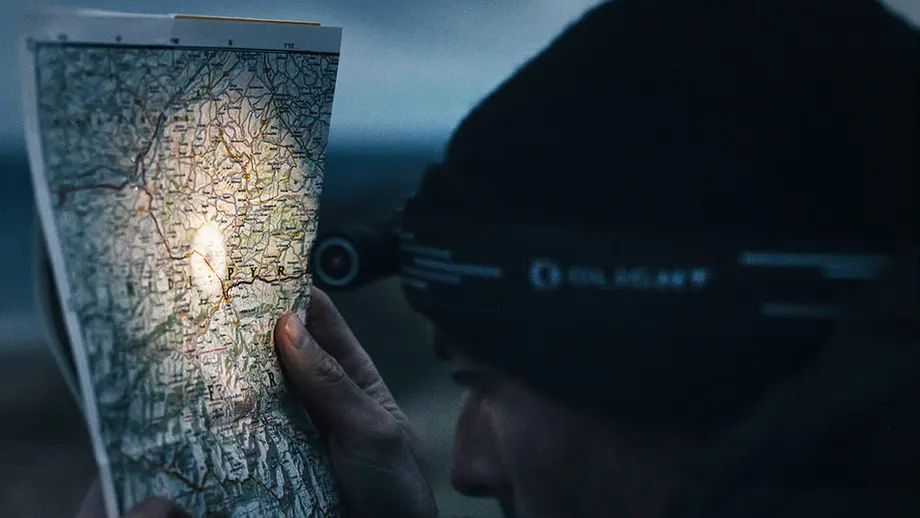
| Read a map while stopped | Start low and move the beam across the paper if glare hides detail. The Oclip 2 Pro has a 10 lm low flood setting. | Several brief stops. Keep the longer return allowance on your main light. | Keep the map in a sleeve and the dry pouch closed between stops. |
| Walk out on a wet formed track | Use white flood. Step up from low if edges and roots blend into the surface. Compare the setting you can maintain. | Cover the expected time until your exit plus delay. An extra 30 min is an example margin for a short, known route. | Perun X is rated IPX7. Keep the charging port closed and stay off flooded sections. |
| Read a marker farther ahead | Stop and switch to a short burst of spot. Go back to flood when walking again. | Budget occasional bursts separately from the normal walking setting. | If rain, glare or fog make the marker unreadable, regroup and use the map instead of pressing on. |
| Main light stops working | Switch to a white backup beam. Oclip 2 Pro medium flood is rated 100 lm if low does not show enough detail. | The backup needs to cover the exit on its own. Olight rates the clip’s medium flood at 3 h 45 min. | IP66 is the stated rating for the clip torch. Keep it protected from immersion. |
Move the light away from your face when insects gather
Angle the head torch down and lower the brightness until you can still read the ground. For an easy section or a stop, you can move the emitter below your face with a white clip light on a firm belt or pack strap. Warm white may look more comfortable to you, but colour temperature alone is a poor basis for an insect claim. One field study of household lamps found similar insect catches for the warm-white and cool-white LEDs it compared. The study tells us little about the effect of either beam on a northern Australian track. (Source: Wakefield and colleagues, Ecology and Evolution)
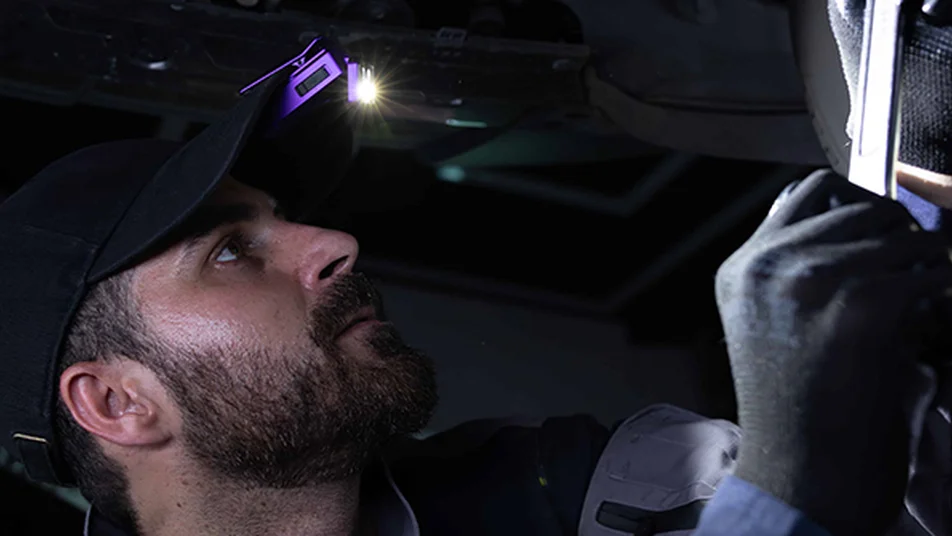
The Oclip 2 Pro gives you a separate battery and an adjustable lower light. Its clip rotates 360° and its head tilts 115° according to Olight. On a belt, angle the white flood down and forward, then take a few steps to see if your arm or pack blocks it. On steep or uneven ground, switch back to a head torch so the beam follows your gaze as you look for your next foothold.

Olight lists white flood, white spot and red light, plus a 10 lm low white flood and an IP66 rating. On the shared product page, choose an Oclip 2 Pro option if you want the torch without a Premium charging bundle.
View Oclip 2 ProAt a stop, try red for a simple close task if you can still read what you need. Switch to white for maps with coloured marks and for rough footing. Repellent used as labelled and covering exposed skin are the measures to rely on for bites. Queensland Parks includes both in its Mount Whitfield packing advice. (Source: Queensland Parks, Mount Whitfield essentials)
If you already own a clip torch, check that it stays aimed when you walk. The Oclip series includes models with different mounting and aiming options.
Read roots, rocks and wildlife before stepping
Look one or two steps ahead, keep the white beam low enough to pick up shadows around roots, and stop if reflections on wet rock wash out the edges. At steps or an unclear marker, move the beam from the side to check the height before shifting your weight. If your torch is clipped to a swinging hem or strap, steady it or remount it before you move.

Treat movement near a root as a reason to pause. If a snake is on the track, stand well back and give it room to leave. Avoid handling snakes or cane toads and avoid stepping into grass or off the formed track to pass them. If the way stays blocked, turn back. Ongoing rain can change creeks and make surfaces slick, and standing water can disguise the edge of a path. (Source: NT Government, snakes and safe handling boundaries)
Shorten the walk before thunderstorms get close
Check the Bureau’s local forecast, radar and warnings as well as park alerts. If storms are likely during your walk or on the drive out, pick a different time or a shorter route with a clear exit. The Bureau issues warnings for severe thunderstorms. Lightning is possible even in storms that fall below its warning criteria. (Source: Bureau of Meteorology, severe thunderstorm warnings)
If you hear thunder or see lightning, seek shelter immediately in a solid building or hard-top vehicle. The Bureau advises against sheltering under trees, inside fabric tents or under small open structures. Keep out of floodwater. If the weather window is already closing at the car park, leave the torch in your pack and reschedule the walk. (Source: Bureau of Meteorology, what to do if caught outdoors)
Before your next walk, check that you can reach both lights, find the low white setting without hunting through modes and see your footing with a wet brim in place. If you need a different fit or beam, compare the head torch range and see the hiking head torch guide for other ways to match a lamp to the track.
Frequently asked questions
What should I wear when hiking in hot weather?
Wear a light, breathable shirt, quick-drying bottoms and walking shoes with grip. A loose long-sleeved shirt gives you cover from sun and insects. Use a brimmed cap and carry labelled repellent, sunscreen and enough drinking water.
What should I wear hiking in the Australian summer?
For a humid walk in the north, dress for sweat and sudden showers. Pack a light rain shell, dry socks and clothing that still moves freely when damp. On an exposed route you may need more sun cover, even when the afternoon turns cloudy.
What is the three-layer rule for hiking?
The usual system uses a base layer to move sweat, a middle layer for warmth and an outer layer for wind or rain. In humid heat you will often walk in the base layer and carry the shell. Add insulation to the pack only if elevation, overnight conditions or your route call for it.