In an LED torch sale, shortlist by the job first: a pocket torch for quick checks, a head torch for hands-free work, or a wide beam for lighting an area. Match the exact model and kit, then buy only if the delivered price beats the alternatives you would actually use.
| Use | Torch type | What it needs to do | Model or option |
|---|---|---|---|
| Find the keyhole or check under a seat | Pocket torch | Carry comfortably, start low and run long enough for repeated short checks | Baton 4 |
| Work with tools or walk with both hands free | Head torch | Hold its aim and stay comfortable for the full job or walk | Adjustable head torch with a documented working mode |
| Light a shed, campsite or side of a vehicle | Wide-beam handheld torch | Cover the working area on a sustained mode, with a clear recharging plan | Seeker 4 Pro |
| Check a distant marker or gate | Long-throw torch | Reach the actual target in the mode you plan to use | Focused-beam torch with stated beam distance and mode data |
Which torch type is worth buying on sale?
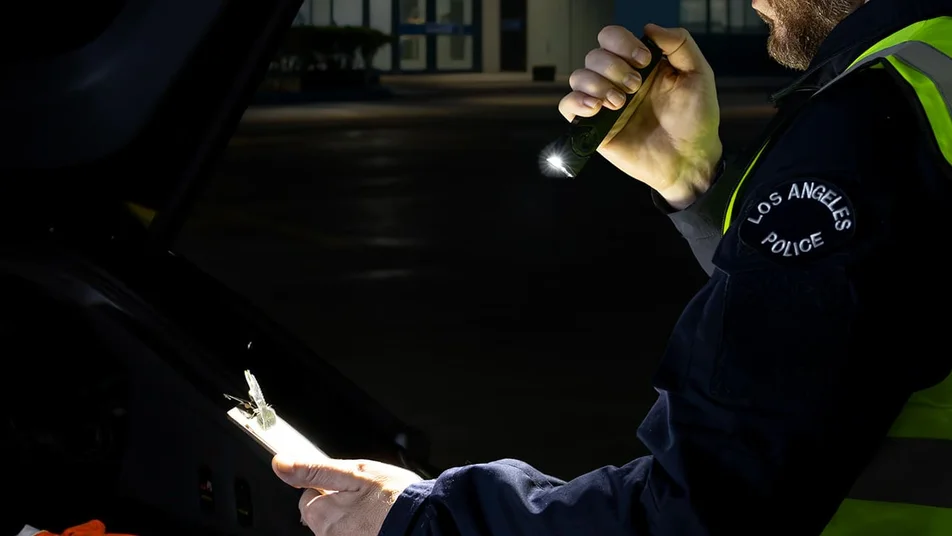
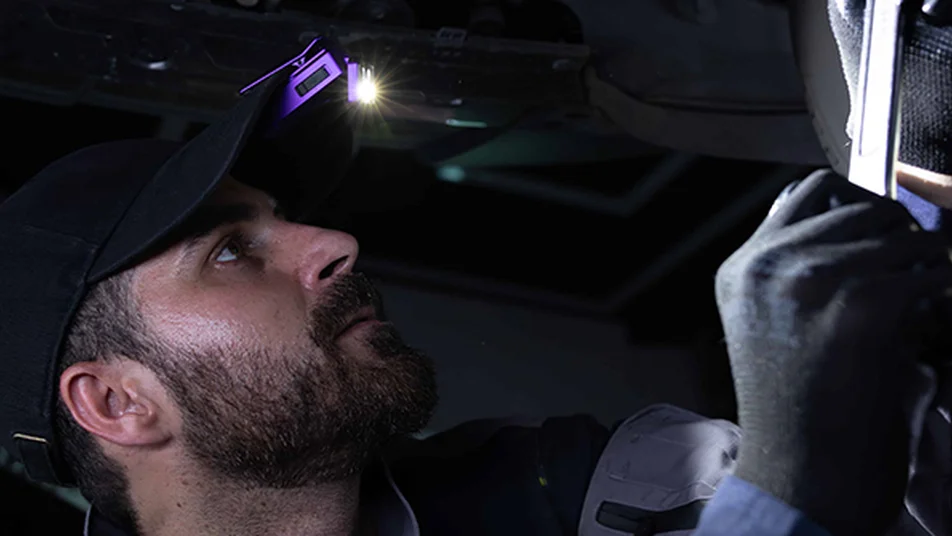
Write down the last two times you wanted more light. If both jobs lasted a few minutes and happened within arm’s reach, a torch you can clip into a pocket will usually get more use than a larger one left in a drawer. If you were tightening a fitting or setting up camp with both hands occupied, start with a head torch.
Pocket torch for quick checks
Olight rates the Baton 4 at up to 1,300 lumens and 170 metres of beam distance. For finding something in a bag or unlocking a gate, its small size and easy-to-reach low modes matter more than either maximum. Check the listing for the charging hardware in the selected kit, especially if the photos show a case you expect to receive.

Olight lists a 1,300-lumen maximum and magnetic charging for the standard torch. Compare the standard and charging-case bundles as separate offers.
View Baton 4You can compare sizes and carry options in the pocket torch range before you shortlist a particular model.
Broad light for a shed or camp setup
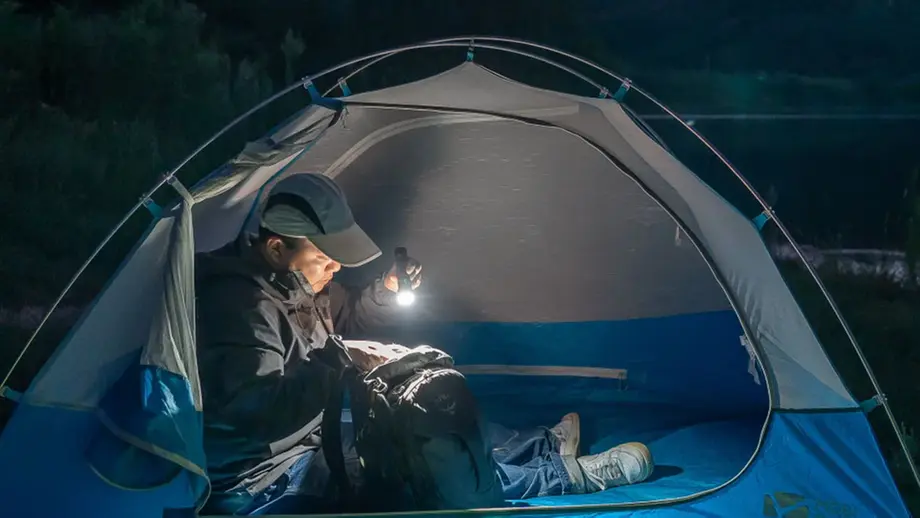
Olight lists a 4,600-lumen maximum and a rated beam distance of 260 metres for the Seeker 4 Pro. Its wider beam and rotary brightness control make more sense when you regularly need to scan a broad area, such as looking across a shed or getting gear out beside a vehicle. The holster gives you a USB-C charging route, so decide where you would keep it before making it part of your kit.

Olight lists a 4,600-lumen maximum, rotary brightness adjustment and USB-C charging through the holster. Check the mode table for the output and time that fit your job.
View Seeker 4 ProAiming the light where you need it
For two-handed jobs, check that a head torch can tilt down without slipping. To identify a marker at a distance, look at the beam distance and, where published, candela, which measures peak beam intensity. Two torches can produce the same total lumens while putting very different amounts of light on the same distant object.
| Sub-scenario | Output and beam | Working runtime to check | Water exposure to check |
|---|---|---|---|
| Close-up pocket checks | A low setting you can start directly for reflective surfaces | Enough for repeated short jobs between your normal charging opportunities | Check the torch rating for the rain you are likely to encounter |
| Two-handed pack-down | A broad low or medium setting with an aim that holds | At least one full pack-down or walk plus time for a delay | Check the rated light and specified seal or port-cover conditions |
| A shed, yard or campsite | A broad working beam, with high output available for short scans | At least one full session at the setting you expect to run | Check the rating of the torch separately from its holster or charger |
| A distant gate or marker | Beam distance in the relevant mode and a hotspot suited to the target | Enough sustained output for the entire check or route | Look for a stated water rating if the route regularly exposes the light to rain |
A turbo rating is a peak. For example, Olight lists 2.5 minutes at 4,600 lumens for the start of the Seeker 4 Pro’s Turbo sequence, followed by lower outputs. Its Medium setting is rated at 300 lumens for 11 hours. For a long pack-down, start your comparison with the working mode and check the beam coverage you need.

When is an older generation good value?
Start by matching the full model name. Olight’s specifications put the Baton 3 at 1,200 lumens maximum and the Baton 4 at 1,300. That 100-lumen peak difference alone is a weak reason to pay more. The Baton 3 shows battery status, while the Baton 4 adds a dedicated brightness readout alongside its battery indicator. That is handy if you share a torch and want to check both before heading out.
A genuine run-out offer makes sense when the older torch still does the job and the delivered price includes everything you need to use it. Confirm whether it is new, open-box or refurbished, whether a suitable charging cable or case is in the box, and whether an approved replacement is still available. For a gift or a torch that will live away from mains power, check the exact charging-case kit rather than assuming every colour or listing includes one.

When comparing run-out stock with a newer equivalent, put a dollar figure on the feature you would miss. Say you value the indicator or charging arrangement at A$15 and the newer kit costs A$30 more (hypothetical AUD amounts including GST). The older torch makes sense if it meets your requirements. If your current torch already does the job, you can skip both offers.
How can you tell if the ‘was’ price is meaningful?
Treat the crossed-out price as a claim to check. A retailer’s previous selling price, the manufacturer’s recommended retail price (RRP) and the price another shop charges are three different references. The ACCC says a past-price comparison can mislead if the shop did little or no selling at the higher price shortly before the sale. (Source: ACCC guidance on price displays)
- Match the listing. Record the full model, colour or beam option, kit contents and condition. Compare identical stock where possible.
- Find a baseline. Look at your dated screenshot, a recent promotion for the same SKU or another seller’s current offer. Price trackers can help if their record clearly covers the same kit and seller. An advertised price history points to past asking prices and rarely shows what was actually paid.
- Use the checkout. Compare totals in AUD including GST and delivery to your postcode. Check code eligibility, membership requirements and which variant the “from” price actually covers.
A dated screenshot should show the selected variant, reference price and sale terms. It gives you something to compare if the offer changes after you open the cart. When the baseline is unclear, compare today’s all-in prices and treat the percentage as unverified.
What are bundles and free gifts worth to you?
Give each extra the value of a purchase it would actually replace. If you already own the right cable, a second one may be worth A$0 to you. If you planned to spend A$15 on a compatible case, count A$15 in avoided spending, even if the banner claims more. Include anything you would still have to buy to use the torch.
| Offer | Checkout total | If you still need a compatible case | If you already have the case |
|---|---|---|---|
| Single torch A$75 + A$9 shipping | A$84 | A$99 after adding your separately available A$15 case | A$84 total |
| Torch and case bundle A$89 with delivery included | A$89 | A$89 total, saving A$10 | A$89 total, costing A$5 more |
The bundle wins for one shopper and loses for the other. A future voucher is a separate decision. Check the expiry, minimum spend and eligible products before counting any of it. If redeeming it means placing an order you had no plans to make, compare the two offers at their full checkout totals.
When should you shop Black Friday, Boxing Day or EOFY?
Use late-November Black Friday and Cyber Monday for pre-Christmas purchases, 26 December as the Boxing Day checkpoint, and June for end-of-financial-year offers ahead of 30 June. If a summer camping trip or gift has a fixed deadline, compare delivery dates and pickup availability before deciding to wait. Broader retail survey results can tell you which events shoppers plan for. The price history of the exact torch is what tells you whether to buy. (Source: Monash ACRS research on Australian sale events) (Source: ATO financial-year dates)
Set your maximum delivered price now. Buy once the correct kit meets it and can arrive in time. If the same price has appeared repeatedly, treat it as an ordinary buying opportunity. In its November 2026 sweep announcement, the ACCC singled out excluded products in storewide offers, misleading reference prices and false scarcity or limited-time claims. Check whether the terms actually include the model and kit you selected. (Source: ACCC 2026 Black Friday guidance)
For an example of how membership, free gifts and qualifying spend worked in a previous promotion, see the archived Olight Black Friday shopping guide.
What happens if a discounted torch is faulty?
Australian Consumer Law guarantees still apply to sale and clearance goods bought from a business. A blanket “no refunds on sale items” sign cannot override those rights. The available remedy depends on the problem and the circumstances. (Source: ACCC guide to repairs, replacements and refunds)
| Situation | What to do |
|---|---|
| Major problem, such as a torch that is unsafe | Ask the seller for your choice of a refund or replacement. |
| Minor fault that the seller can fix | Give the seller the opportunity to fix it for free within a reasonable time. Other remedies can be available if the seller fails to do so. |
| A defect clearly disclosed before purchase | A guarantee generally cannot be claimed for that disclosed fault. Contact the seller if a different, undisclosed fault appears. |
| A working torch you no longer want | Check the seller’s change-of-mind terms. The Australian Consumer Law generally does not require a change-of-mind refund. |
Keep proof of purchase and a copy of the listing. If the torch will not charge, record what came in the box and contact the seller with the fault and the remedy you are seeking. For gifts, check whether the seller offers a gift receipt and when any voluntary return period ends.
For rechargeable clearance stock, check the battery condition at delivery. Stop using a lithium-ion battery that is swollen, damaged or overheating, and charge a sound battery with the supplied or maker-recommended charger on a non-flammable surface. If a bundled accessory uses a button or coin battery, check that its compartment is child-resistant and keep spares away from children. (Source: ACCC Product Safety lithium-ion battery guide) (Source: ACCC Product Safety button battery guide)
If you are still choosing between categories, browse Olight’s best sellers and note the exact model and kit you want to price-check.
Frequently asked questions
What is the best LED torch to buy on sale?
Buy the type that fits the job and compare the same kit at checkout. A small pocket torch suits short checks, a head torch frees your hands, and a wide-beam handheld makes sense when you regularly light a larger area.
Is the brightest LED torch the best deal?
A higher peak output helps when you need a short burst over a broad area. For working time, compare the output after the first step-down. For distance, compare the beam rating and candela where available. Look for the mode you will use most often.
Which torch brand is best when comparing offers?
Compare the exact models rather than choosing by brand alone. Look for a mode-by-mode runtime table, a compatible charger you can obtain, and clear Australian seller and returns details for the specific listing.