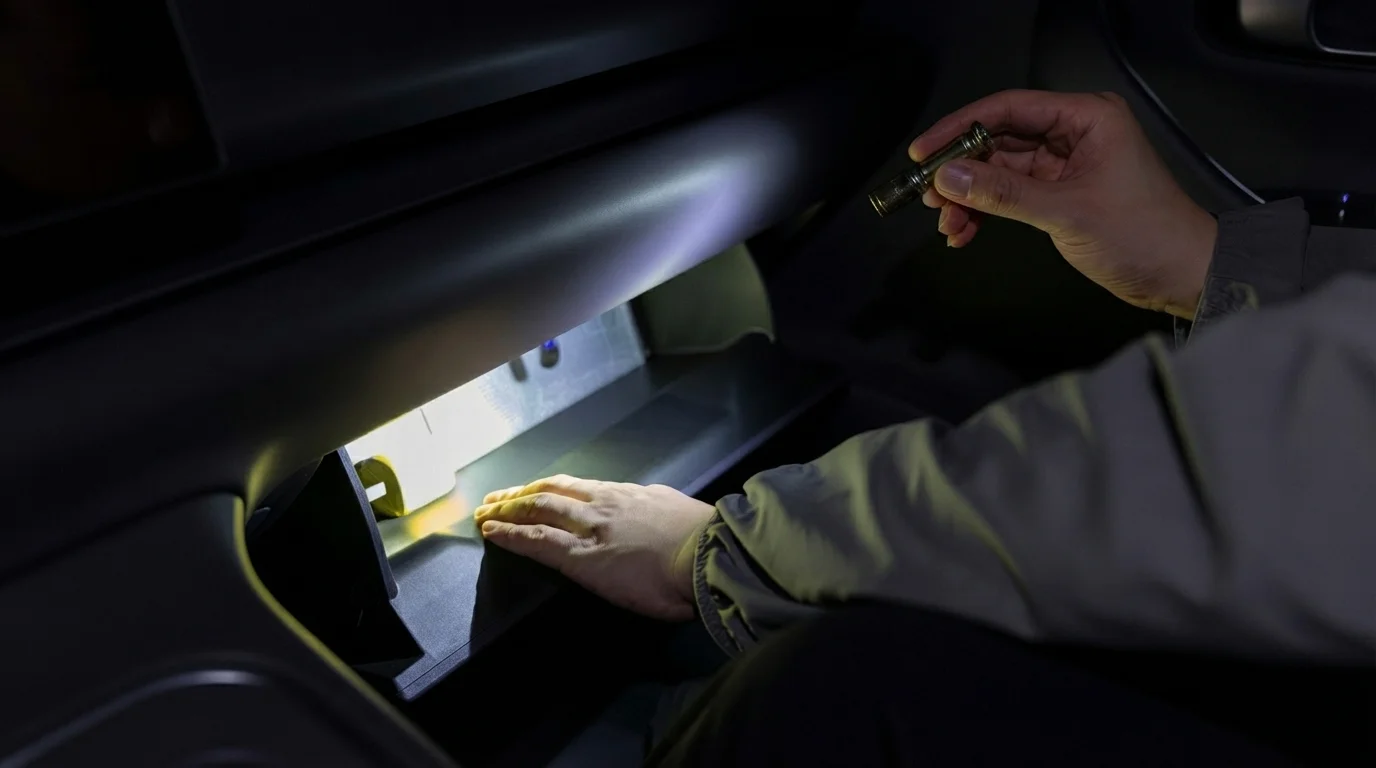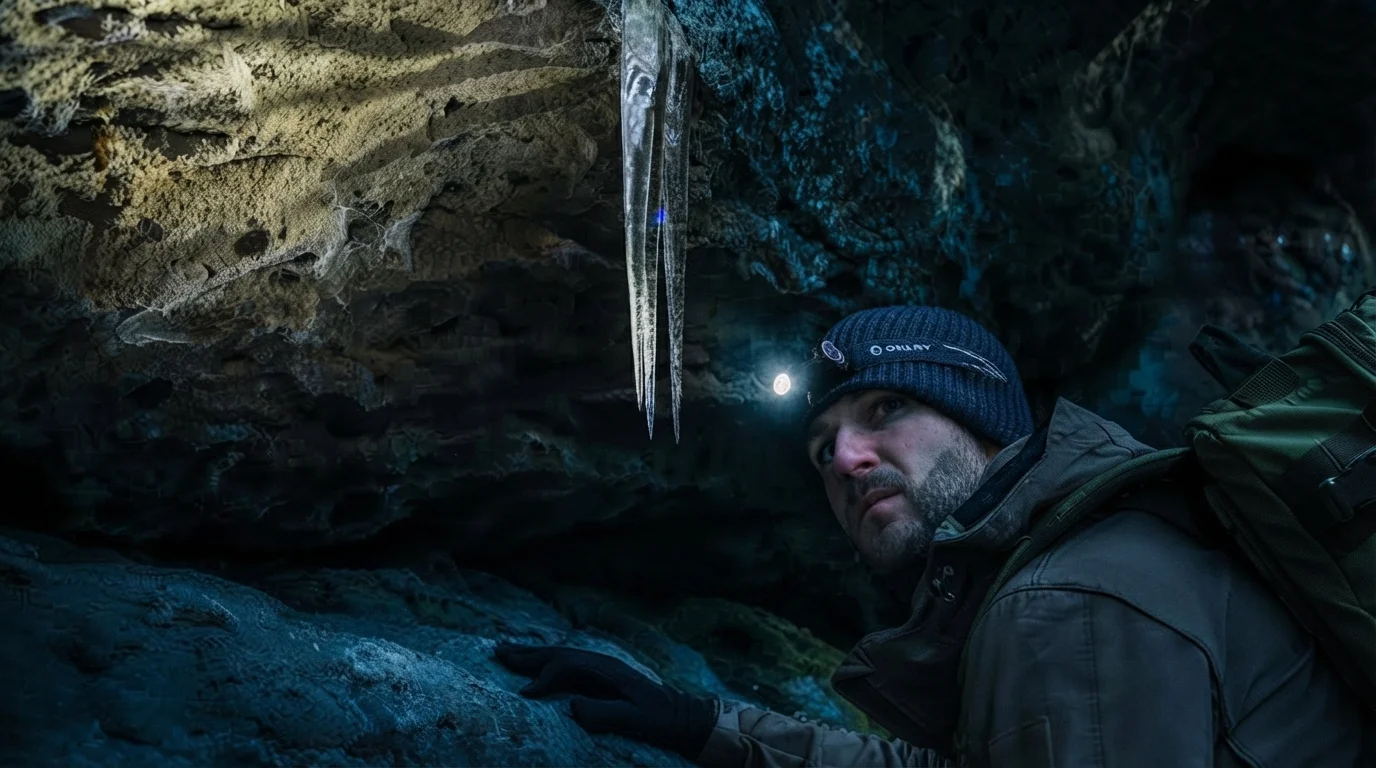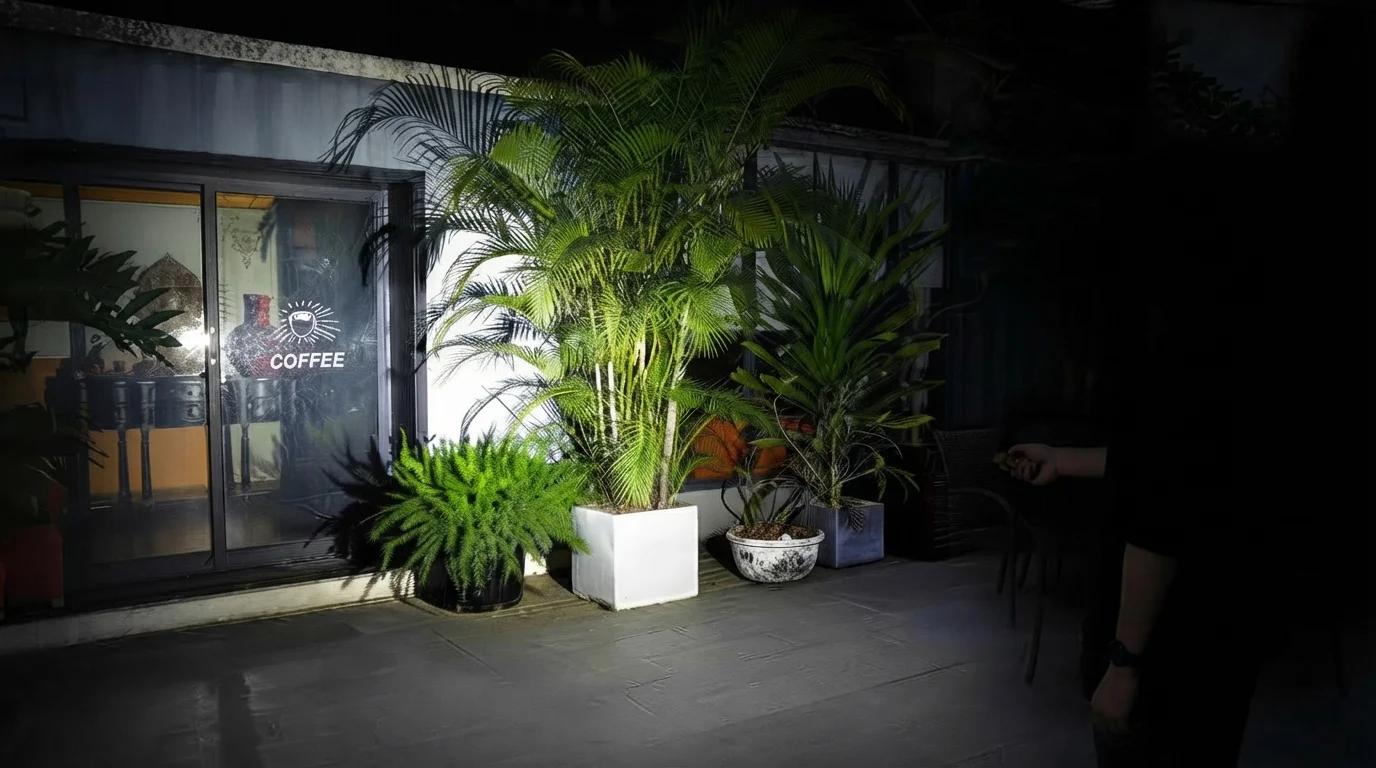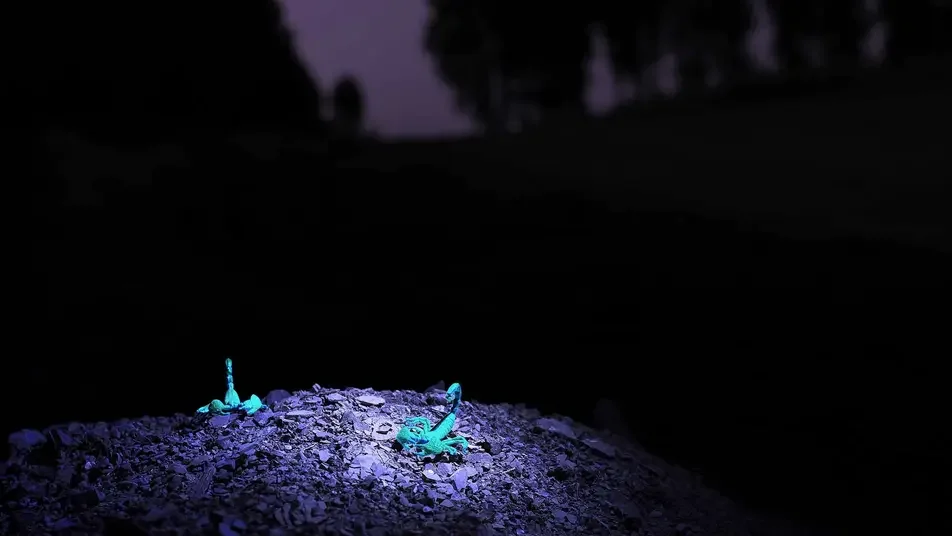
Whether you are rigging a line on a dark jetty, scanning the night sky for constellations, or checking on children in a tent without waking them, a standard high-lumen white beam is often the wrong tool for the job. Blinding white light ruins your hard-earned night vision, attracts swarms of insects, and disturbs everyone within a twenty-metre radius. This is why a dedicated head torch with red light is an essential piece of kit for outdoor enthusiasts, anglers, and campers across Australia.
| Use Case / Scenario | Recommended Model | Key Feature / Lower Limit | Estimated Price (AUD) | Primary Benefit |
|---|---|---|---|---|
| Night Fishing & Stargazing | Array 2S | Direct-to-red mode, 250lm max red, IPX4 | $109.95 | Preserves night vision and avoids fish-spooking glare |
| Compact EDC & Camping | Perun 3 Mini | Multi-fuel compatibility, detachable red clip | $89.95 | Versatile pocket and head wear with multi-colour output |
| Long-Endurance Field Work | Array 2 Pro | Extended battery pack, flood/spot mix | $149.95 | Maximum runtime on low-output red and white modes |
Quick answer: choose a head torch that can start directly in red
If you want to avoid fumbling in the dark, choose a head torch that allows you to turn on the red light straight from the off position rather than forcing you to cycle through blinding white settings first. The ideal red-light head torch features a dedicated physical switch or a simple double-click/long-press mechanism, balanced flood illumination to prevent harsh hotspots, and enough battery capacity to run for hours on low-output preservation modes. Designed around genuine user convenience to eliminate night blindness upon activation, models like the Array 2S and Perun 3 Mini meet these exact field requirements for Australian conditions.
Mode access: dedicated button, long-press or cycle
One of the most common frustrations reported by Australian campers and anglers is poor user-interface design regarding secondary light colours.
The Cycling Trap:
Many cheap or poorly designed headlamps force the user to press the main power button repeatedly. The sequence typically goes: Low White → Medium White → High White → Off, or worse, it forces you to cycle through white modes just to access red. The first click invariably blinds you and ruins your night adaptation. This UI flaw defeats the core purpose of maintaining low optical disturbance in pitch-black environments.
Direct Access:
Premium options feature a separate, secondary switch specifically for auxiliary lighting, or incorporate a simple gesture or long-press from off that bypasses the white emitter entirely. Engineering the interface with independent tactile switches ensures seamless transitions for fast-paced outdoor tasks.
When evaluating a head torch with red light, always check the manufacturer’s manual to confirm whether it supports a direct-from-off red activation shortcut.
How bright should red light be for fishing and stargazing?
Brighter is not always better when it comes to the red spectrum. In fact, excessive lumens in red mode defeat the entire purpose of using it.
For Stargazing & Astronomy:
You need ultra-low output—typically between 1 to 5 lumens. High-intensity red light can still wash out sensitive astronomical instruments or interfere with dark adaptation when scanning star charts. According to astronomical illumination standards, minimizing stray photonic interference is critical for deep-sky observation (International Astronomical Union guidelines).
For Night Fishing:
Around 10 to 50 lumens is ideal. This gives you enough throw to tie knots, check tackle boxes, and land fish safely on a slippery rock shelf or jetty without casting an aggressive beam across the water that spooks fish or blinds fellow anglers.

Olight Perun 3 Mini
Designed for maximum versatility in a pocket-sized frame, featuring integrated white and red lighting options, intuitive switch operation, and secure head-mount/clip options for seamless outdoor transitions.
Buy NowRed light and night vision: what it does and does not protect
The human eye relies on two types of photoreceptors: cones (for colour and bright light) and rods (for low-light and peripheral vision). Rhodopsin, a visual purple pigment in the rods, is responsible for night vision and takes up to 30 to 45 minutes to fully regenerate in total darkness.
- How Red Light Helps: Rod cells are significantly less sensitive to longer wavelengths of light (above ~600nm, which appears red). Using a red beam allows you to read maps, handle gear, and navigate trails while preserving the chemical composition of rhodopsin in your rods. Visual science confirms that longer wavelength photons have minimal bleaching effect on rhodopsin pigments compared to short-wavelength blue or white light (National Institutes of Health visual physiology research).
- The Myth: Red light does not render you completely invisible, nor does it mean your eyes experience zero impact. Extremely bright red LEDs can still degrade night adaptation over extended exposure. The key rule in the field is to use the lowest usable lumen setting necessary for the task at hand.

Is a separate red LED better than a red filter?
When shopping for a head torch with red light, you will generally encounter two technical designs:
- Dedicated Red LEDs: Independent chips mounted on the circuit board alongside the main white emitters. This is the superior, modern approach. It maximises optical efficiency, allows precise beam profiling (such as a wide, diffused flood for close-up tasks), and eliminates mechanical failure points. Direct emitter integration optimizes battery draw and thermal dissipation compared to legacy optical filters.
- Red Filters (Slip-on caps or flip lenses): A white LED shining through a coloured piece of plastic or glass. These are largely outdated. They waste a large percentage of light output, trap heat inside the bezel, and add bulk and weight to the front of the bracket.
Battery life on red mode
Because red LEDs draw significantly less power than high-output white turbo modes, running a head torch on a dedicated red setting yields exceptional runtimes. Tailored for extended outdoor excursions where power re-supply is limited, this high-efficiency design maximizes safety and reliability.
- On a standard 2000mAh to 3500mAh lithium-ion rechargeable cell, a low-to-medium red setting (10–30 lumens) can easily run continuously for 20 to 50 hours.
- For multi-day camping trips or overnight fishing expeditions, this means you can rely on red light for camp chores and tent navigation without draining your primary battery reserve needed for emergency white light.

Frequently Asked Questions
Which red-light head torch model are you adding to your outdoor kit for your upcoming adventures?