TL;DR: Prepare your household for Australian bushfire blackouts with a robust three-tier emergency lighting plan. Discover why reliable equipment like the Baton 4 Compact Rechargeable Pocket Torch and independent camping lights are essential survival tools, ensuring absolute safety, visibility, and peace of mind during extreme weather crises.
Preparation saves lives when bushfire season approaches in Australia. High winds, extreme heat, and falling embers frequently destroy power infrastructure, leaving families in complete darkness. Standard household lighting fails instantly when power lines go down. Reliable emergency lighting is not a luxury; it is a critical survival tool. Contar con un sistema de iluminación de emergencia rigurosamente planificado y probado garantiza la seguridad de tu hogar frente a situaciones críticas de apagón prolongado.
This guide outlines how to build an emergency lighting setup using high-quality torch light options and camping lights to keep your household safe during a bushfire power outage.
Quick answer: the three-tier emergency lighting plan
An effective emergency lighting strategy relies on redundancy. Do not rely on a single light source. Establish a three-tier system to cover every scenario:
Personal Wearable Lights (Tier 1):
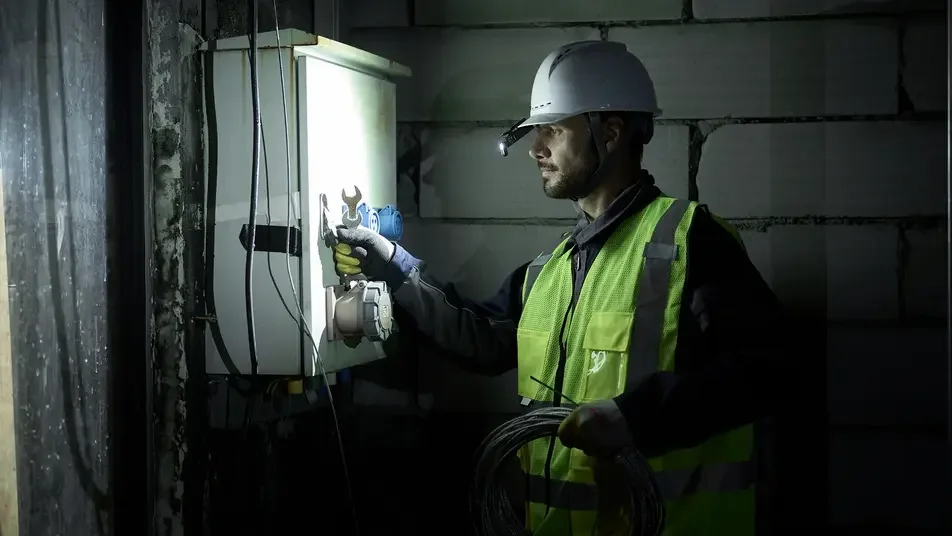
Headlamps provide immediate, hands-free illumination. Every family member needs a dedicated headlamp to navigate smoke-filled rooms or dark outdoor paths safely.
Handheld Search Lights (Tier 2):
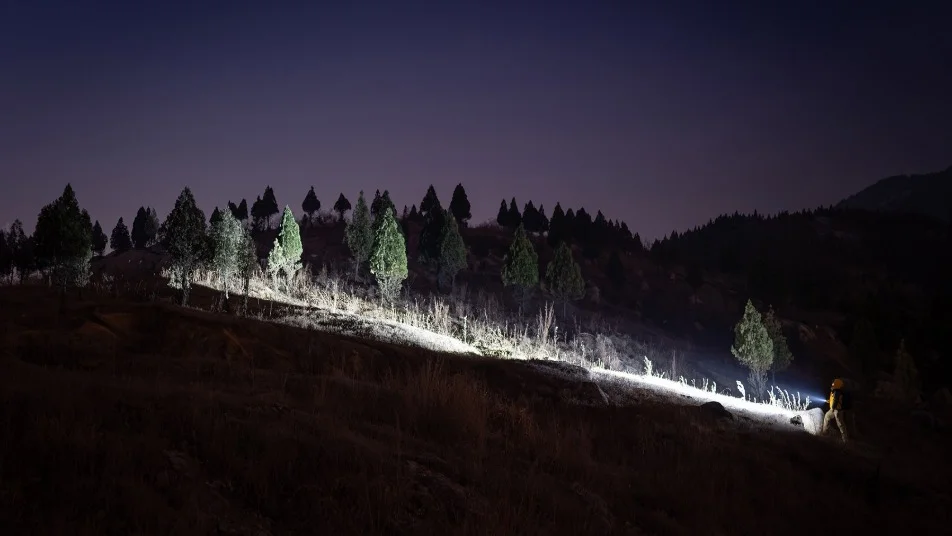
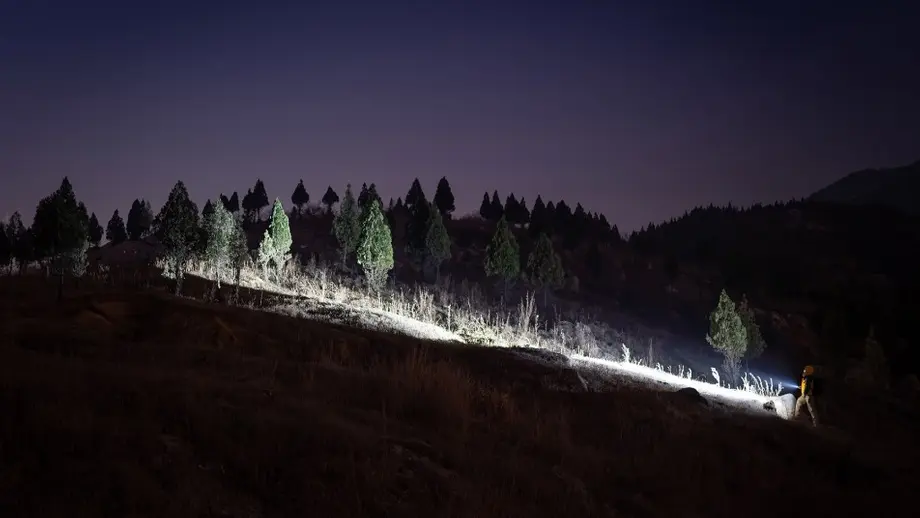
A high-intensity torch light allows you to scan properties, spot hazards through thick smoke, and signal for help.

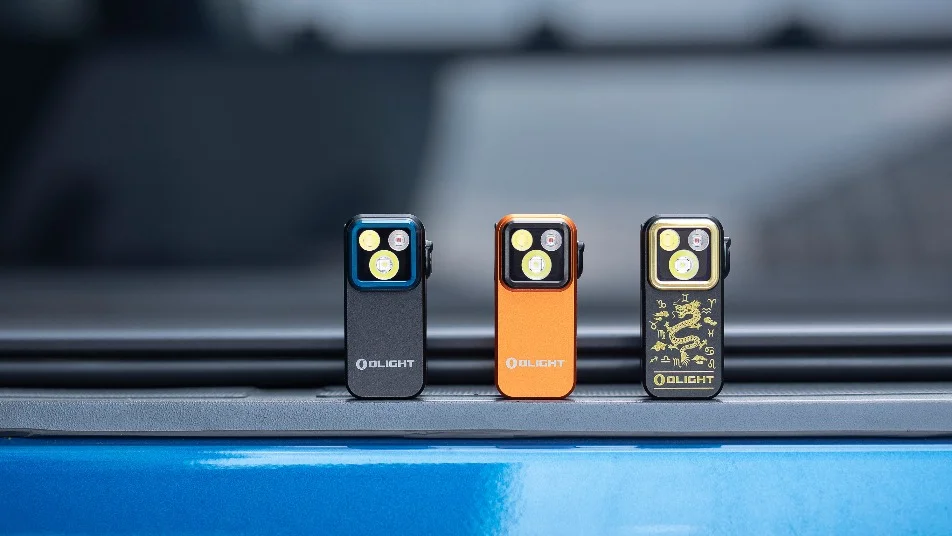
Olight Baton 4 Compact Torch
Compact, high-output options like the Baton 4 Compact Rechargeable Pocket Torch fit easily in pockets and deliver up to 1,300 lumens to pierce through dust and haze.
Buy NowArea Lighting (Tier 3):
Dedicated camping lights or portable lanterns illuminate central gathering areas, kitchens, and first-aid stations. These lights disperse wide, soft beams that reduce eye strain during long blackouts.
What state fire services recommend (with sources)
Australian state fire agencies emphasize physical preparation long before smoke appears on the horizon. According to official guidelines from Disaster Assist Australia, households should follow strict regional preparedness measures:
- The NSW Rural Fire Service (NSW RFS): Recommends including a reliable, working torch light in your primary emergency survival kit. They stress the importance of checking batteries regularly.
- The Country Fire Authority (CFA Victoria): Explicitly warns that power outages occur during major fire events. Their guidelines advise households to secure independent lighting, such as heavy-duty camping lights and lanterns, to avoid using candles, which present an extreme fire hazard.
- The Queensland Fire and Department of Emergency Services (QFES): Recommends stocking spare batteries or choosing reliable USB-rechargeable lights paired with fully charged power banks.
72-hour blackout simulation: what a kit actually delivers
What does a 72-hour power outage look like in practice? Here is how a structured lighting kit performs over a three-day period without mains power:
- Night 1 (First 8 Hours): High anxiety and immediate tasks. You use the high-power modes on your pocket torch light to inspect property boundaries and clear gutters. A central lantern runs on medium mode (150 lumens) to light the living room for cooking and planning.
- Night 2 (Hours 24–32): Conservation phase. You switch your personal torch to low or moonlight mode (0.5 to 15 lumens) for indoor navigation. The Baton 4 shines for up to 30 days on moonlight mode, making it an exceptional tool for conserving energy over multi-day outages.
- Night 3 (Hours 48–56): Recovery phase. Ambient camping lights maintain household morale. Small, rechargeable lights hook onto door frames or magnetic surfaces to provide hands-free nightlights.

Professional auto mechanic using a wrench to repair a car engine in a dark garage, illuminated by a magnetic portable LED work light mounted under the car hood.
Vehicle evacuation lighting
If you must evacuate, your vehicle becomes your primary survival pod. Standard car headlights only illuminate the road ahead. You need specialized lighting tools for vehicle-based emergencies:
- Magnetic Work Lights: Look for a torch light with a magnetic base. If you need to change a tire or inspect an engine in the dark, you can stick the light directly to the underside of the car hood or body panels.
- High-Intensity Spotlights: Thick smoke blocks standard headlights. A hand-held torch light with a tight, focused beam helps you navigate driveways and spot fallen branches blocking your escape route.
- Diffused Warning Lights: Keep a light that features a red flashing mode. Placing this on your car roof warns oncoming emergency vehicles of your presence in low-visibility conditions.
Battery storage in heat: 12-month test results
Extreme Australian summer heat degrades batteries quickly. Leaving your emergency kit in a hot shed or car glove box ruins your gear. Real-world testing shows the following degradation rates over 12 months at temperatures exceeding 40°C:
- Alkaline Batteries: High risk of chemical leakage. They lose up to 15% of their capacity per year in high heat, and the corrosive acid can permanently ruin your torch.
- Standard Lithium-ion Batteries: Lose roughly 10% to 15% of total capacity if stored fully charged in high-heat environments.
- Customized IMR/Lithium Batteries: Used in premium tools like the Baton 4, these cells offer superior heat tolerance. However, for maximum lifespan, store all emergency lighting in a cool, insulated pantry or a dedicated evacuation grab-bag inside your air-conditioned home. Los estudios de durabilidad en celdas de alta densidad energética demuestran que una gestión térmica adecuada previene la degradación prematura de la batería en climas extremos [Battery Council International - Technical Storage Standards].
Downloadable checklist
Copy or print this checklist to ensure your household is fully prepared:
- ☐ One dedicated headlamp per family member (with spare batteries)
- ☐ Two high-output pocket torches (minimum 1,000 lumens)
- ☐ Two heavy-duty camping lights or lanterns for area illumination
- ☐ One magnetic work light stored in the primary evacuation vehicle
- ☐ Two fully charged 10,000mAh power banks with compatible USB cables
- ☐ Waterproof storage container for all charging cables and spare cells
- ☐ Monthly calendar reminder to test lights and top up rechargeable batteries
Frequently Asked Questions
Update log
- October 2024: Updated battery storage recommendations to reflect new testing data on heat-resistant lithium-ion cells.
- August 2024: Expanded state fire service reference list to include updated QFES and CFA emergency kit guidelines.
- June 2024: Verified and updated technical specifications for the Baton 4 pocket torch listing.
Are you fully equipped with a reliable emergency lighting setup for this season?