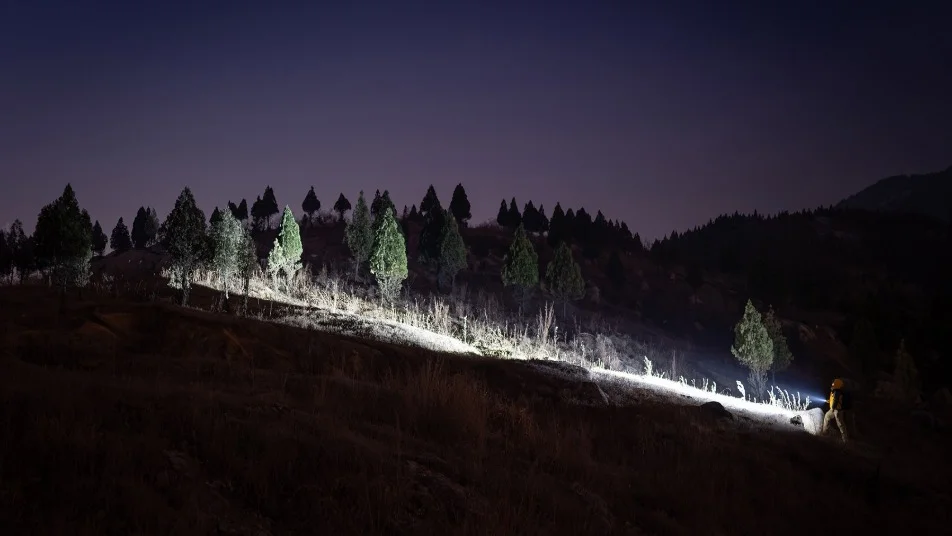
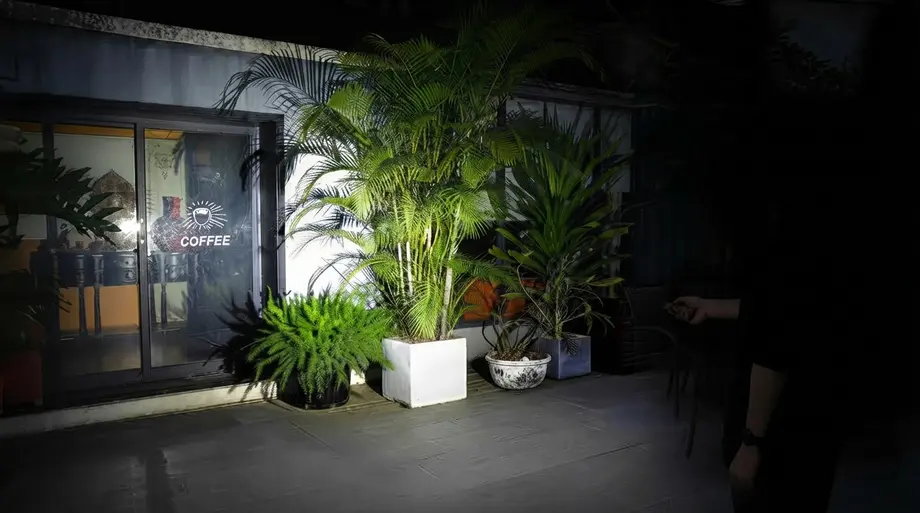
TL;DR: Preparing an effective home emergency kit for Australian seasonal risks requires more than generic supplies. This comprehensive guide outlines a tailored three-tier emergency lighting plan—featuring dedicated head torches, reliable handheld torches like the Baton 4, and safe ambient lanterns—aligned with official Australian Red Cross RediPlan and SES frameworks to ensure your household remains secure during blackouts and natural disasters.
When preparing an emergency kit for Australian storm, bushfire, or flood seasons, lighting is often overlooked or reduced to a single generic torch. A reliable home emergency lighting plan requires a three-tier setup: a dedicated head torch for every adult for hands-free evacuation, a robust handheld torch for every room, and at least one long-running lantern for central illumination during extended blackouts.
- 1. Quick Answer: The Essential Australian Home Emergency Lighting Plan
- 2. Australian Checklists vs. Imported Lists: What's Different?
- 3. Lighting Spelled Out: How Many, and Which Kinds?
- 4. Where Should the Kit Live, and Who Knows Where It Is?
- 5. Documents, Medications, and Pets: Official Items to Include
- 6. Seasonal Reminders: Spring Storms, Summer Fires, and Wet-Season Floods
- 7. How Do You Keep the Lights Ready Year-Round?
- 8. Frequently Asked Questions (FAQ)
| Emergency Purpose | Recommended Type | Minimum Specs | Olight Model |
|---|---|---|---|
| Hands-free evacuation & repairs | Head Torch | 200+ lumens, red light mode | Perun Mini Kit |
| Room-to-room navigation | Handheld Torch | Tail-switch, high CRI, rechargeable | Baton 4 |
| Central living area / tent lighting | Lantern / Ambient Light | Warm ambient output, 360° spread | Olantern Classic Mini |
Quick Answer: The Essential Australian Home Emergency Lighting Plan
Aligned with official guidance from the Australian Red Cross RediPlan and state SES frameworks (such as NSW SES, VIC SES, and Get Ready Queensland), a household emergency kit must be self-sufficient for at least 72 hours. Standardising your emergency lighting means ensuring every adult has a head torch for hands-free tasks, a dependable torch stationed in every primary room, and a stable lantern for family areas.
Australian Checklists vs. Imported Lists: What's Different?
Many online emergency preparedness guides originate from the Northern Hemisphere and focus primarily on winter blizzards or hurricanes. In Australia, disaster readiness is dictated by distinct regional threats: summer bushfires, severe coastal storms, tropical cyclones in the north, and flash flooding. Imported lists often suggest generic battery-powered radio equipment without addressing the reality of high ambient summer temperatures, which degrade standard alkaline batteries in storage. Australian checklists emphasise robust, rechargeable lithium-ion cells, integrated power banks, and equipment capable of withstanding high humidity and dust.
Lighting Spelled Out: How Many, and Which Kinds?
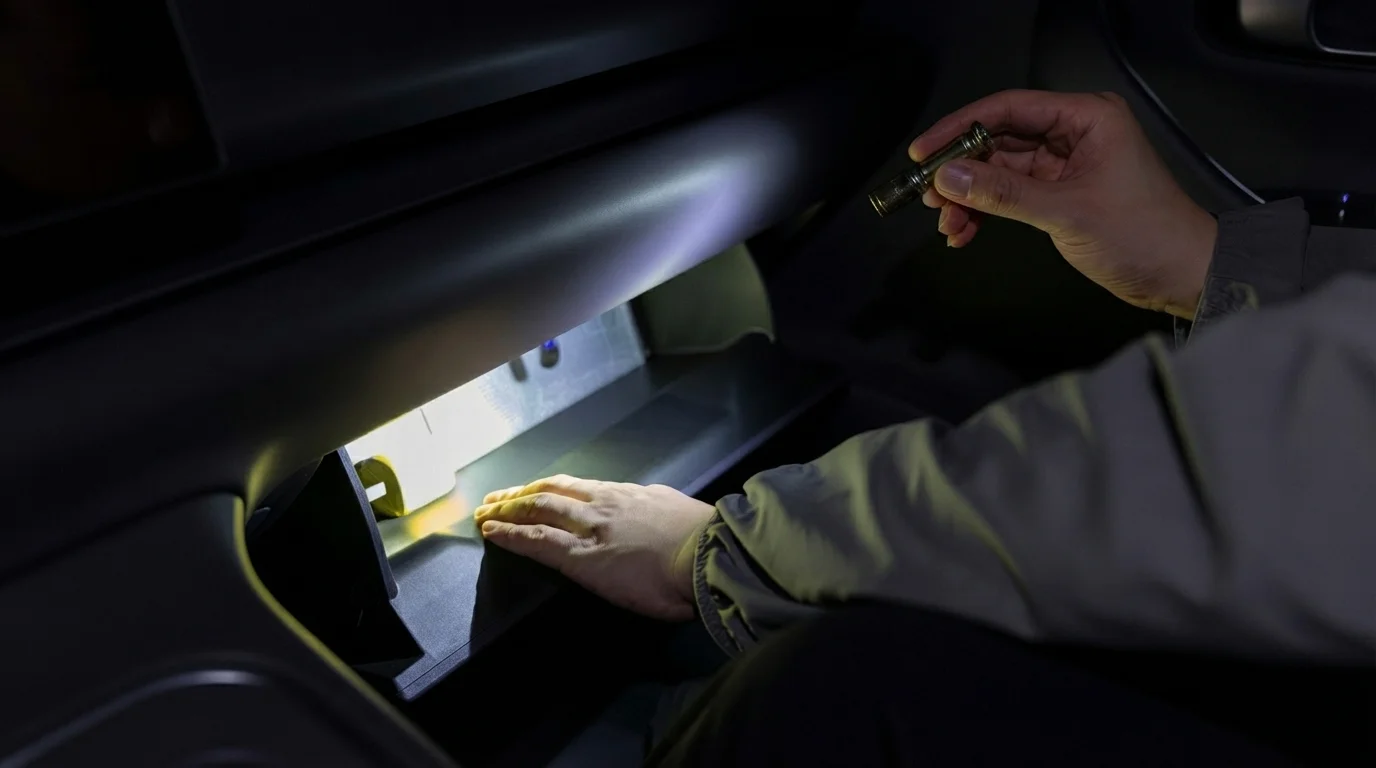
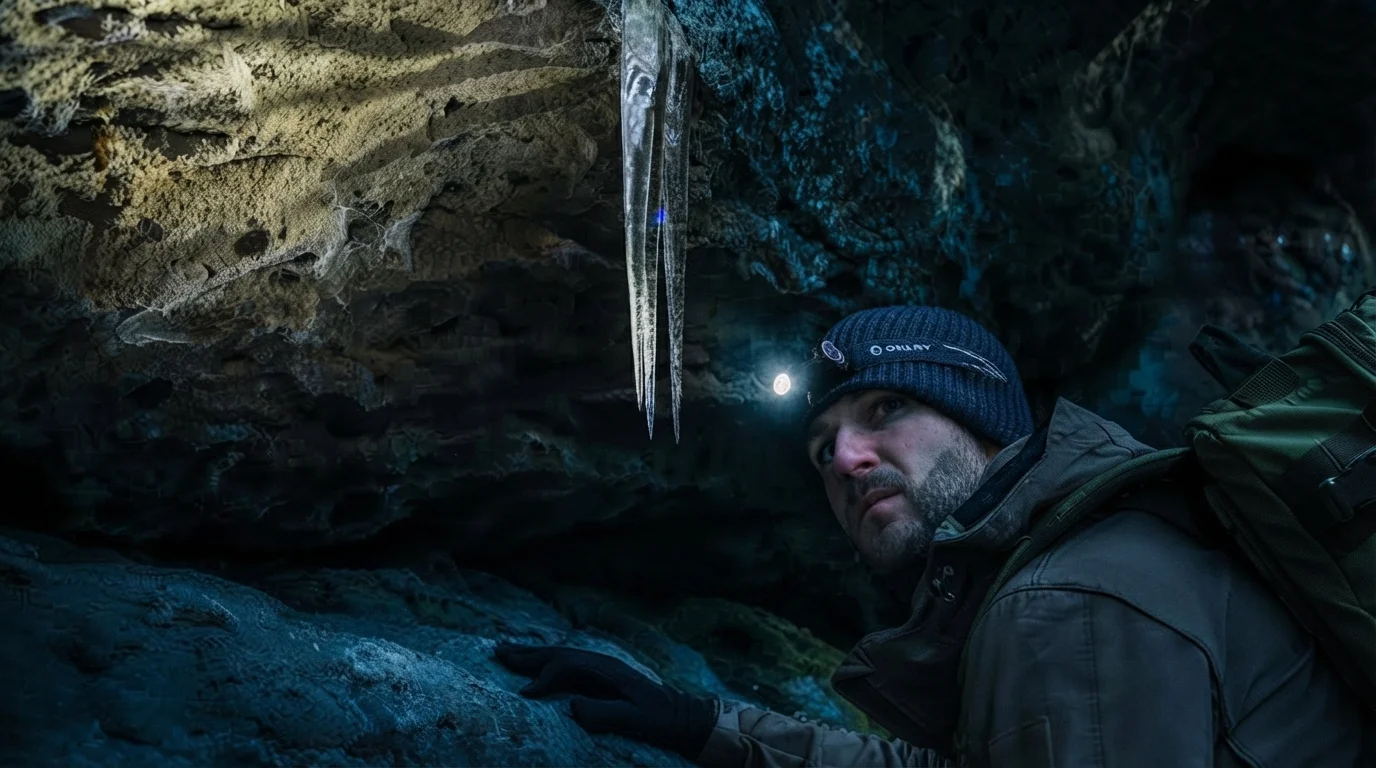
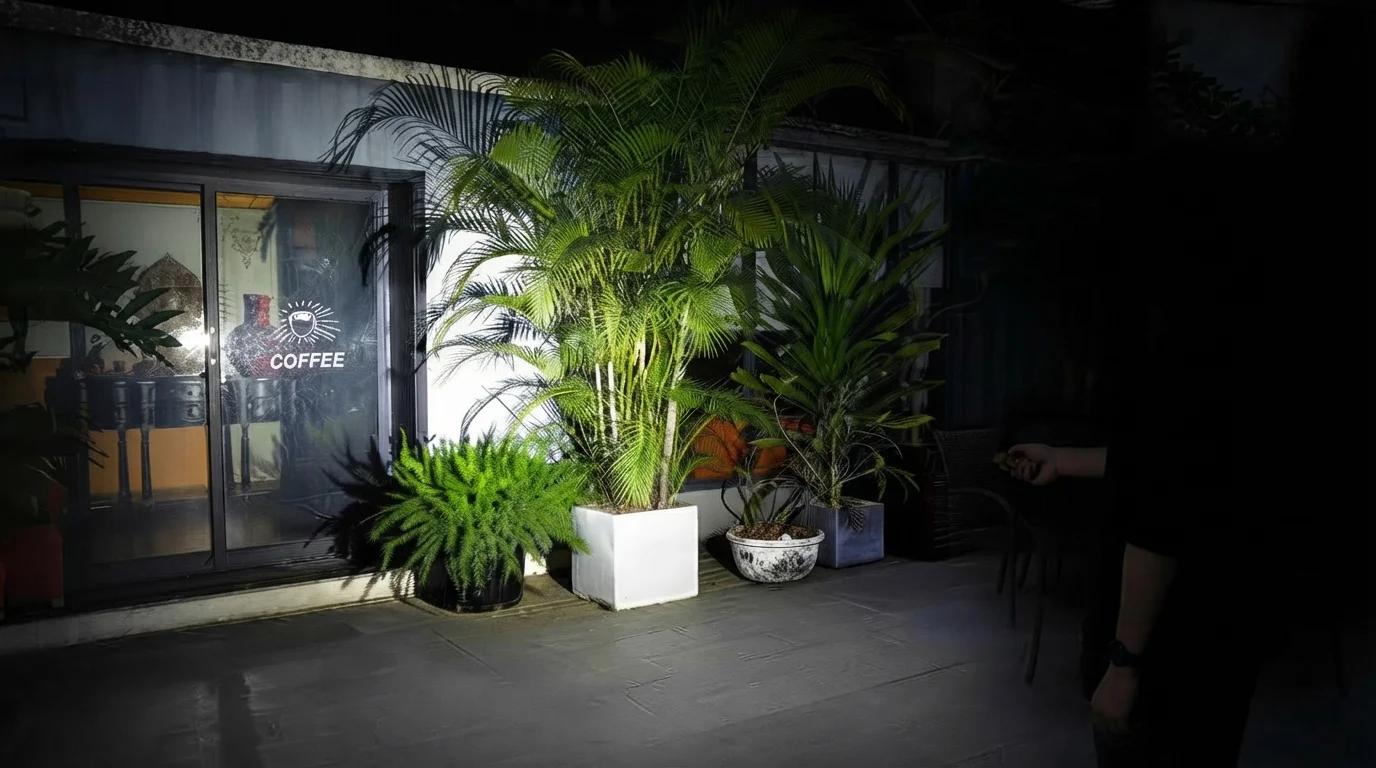
Relying on a single household flashlight during a grid failure creates bottlenecks. Field tests across Australian households indicate an optimal ratio: one head torch per adult (such as the Perun Mini Kit) to keep hands free for sandbagging or clearing debris; one compact, high-output torch per bedroom and hallway (such as the Baton 4) to provide immediate navigation support during unexpected blackouts; and a diffuser-equipped lantern (such as the Olantern Classic Mini) to illuminate kitchens or living spaces safely without relying on candles, which present a severe fire hazard during windstorms.

Olight Baton 4
Delivering astonishing output and multi-function smart case convenience, engineered for instant illumination during home emergencies.
Shop Baton 4 →Where Should the Kit Live, and Who Knows Where It Is?
An emergency kit is only useful if it can be accessed in pitch darkness within seconds. The primary grab bag or designated emergency storage box should be kept in an easily accessible communal area—such as a hall closet or pantry—rather than buried in a locked garage or a high attic shelf. Every member of the household, including older children, must know its exact location. Additionally, magnetic mounts or luminous glow-in-the-dark docks ensure that primary torches can be located instantly when mains power fails abruptly.
Documents, Medications, and Pets: Official Items to Include
According to emergency service guidelines, lighting and power are part of a broader survival framework. Your kit should also house waterproof ziplock bags containing:
- Printed copies of essential identification, insurance policies, and emergency contact numbers.
- A 7-day supply of critical prescription medications and basic first-aid supplies.
- Emergency pet supplies, including portable bowls, leads, and a small clip-on safety light (such as a beacon or compact marker) to track pets during night evacuations.
- An emergency whistle to signal for help if structural damage blocks exits.

Olight Emergency Whistle
Precision-engineered for maximum sound projection with minimal effort, ensuring you can signal rescue teams effectively during critical distress scenarios.
Shop Emergency Whistle →Seasonal Reminders: Spring Storms, Summer Fires, and Wet-Season Floods
The Bureau of Meteorology (BOM) seasonal outlooks regularly highlight shifting weather intensity across Australia. Spring brings severe wind and hail storms, summer triggers high-risk bushfire conditions across southern and eastern states, and the northern wet season brings cyclones and floods. Review your emergency kit biannually—ideally during daylight saving transitions—to check battery charge levels, inspect seals for moisture resistance, and ensure that backup charging cables are accounted for.
How Do You Keep the Lights Ready Year-Round?
Lithium-ion rechargeable gear offers superior performance compared to disposable alkaline cells, which are prone to leaking and corroding device terminals in hot Australian attics or garages. To maintain readiness year-round, establish a routine: test-run your emergency torches every six months, top up their batteries to 100%, and store them with lockout modes engaged to prevent accidental activation. Pairing your lights with a dedicated solar charging panel or a reliable power bank guarantees off-grid independence during extended utility outages.
Frequently Asked Questions
What essential emergency lighting gear is currently part of your home preparedness plan?
Last Updated: September 2026 | Reviewed by: Australian Emergency Preparedness & Field Testing Team
Update Log: Updated seasonal guidelines to reflect 2026/2027 Bureau of Meteorology weather outlooks, integrated updated state SES recommendations, and refined rechargeable lighting specifications for Australian home kits.