TL;DR: Discover the hidden world with a portable uv torch. This comprehensive guide compares 365nm and 395nm wavelengths, outlines Australian-specific uses like scorpion and opal detection, and highlights versatile everyday-carry options like the Arkfeld 365nm Uv Edc Flashlight for precision and safety.
Ultraviolet (UV) technology is no longer just for forensic scientists or laboratory environments. Today, a portable black light or uv torch is an essential tool for outdoor adventurers, homeowners, and tradespeople alike. Whether you are searching for minerals in the Australian outback, checking hotel room hygiene, or tracking down pests, understanding how ultraviolet wavelengths interact with different materials is crucial for reliable and precise inspection results.
| Core Parameter | Standard Spec / Unit | Common Options | Performance Impact |
|---|---|---|---|
| Wavelength Precision | Nanometers (nm) | 365nm vs 395nm | 365nm eliminates purple glare for high-contrast visibility. |
| Radiant Flux | Milliwatts (mW) | 580mW - 2000mW | Higher milliwatt output increases fluorescence brightness in ambient light. |
| Spectrum Band | UV Classification | UV-A (315nm - 400nm) | Ensures safe domestic and field inspection without hazardous short waves. |
Table of Contents
- Quick answer: what a black light torch reveals and what it does not
- 365nm vs 395nm compared with side-by-side photos
- Ten real uses, including Australian-specific ones: huntsman and redback detection, opal and mineral checking
- Is a black light the same as a UV light?
- Safety: UV-A exposure, eye protection, pets and children
- How to choose: five checks before you buy
- FAQ
- Update log
Quick answer: what a black light torch reveals and what it does not
A black light reveals substances containing phosphors. Phosphors are chemicals that absorb ultraviolet radiation and emit visible light in response, a process known as fluorescence.
What it reveals:
- Organic fluids (urine, sweat, saliva, and blood proteins)
- Fluorescent minerals and gemstones (including Australian opals)
- Certain insects, arachnids, and marine life
- Counterfeit bank notes, IDs, and security threads
- Chemical leaks, industrial dyes, and cleanliness residues
What it does not reveal:
- Dried dirt or non-organic grime (unless it contains fluorescent cleaning chemical residues)
- All types of mold (only specific species fluoresce under ultraviolet excitation)
- Dried blood without chemical enhancement (unlike popular crime shows, blood typically absorbs UV light and appears dark rather than glowing, unless treated with luminol)
365nm vs 395nm compared with side-by-side photos
When purchasing a uv torch, the most important specification is the wavelength, measured in nanometers (nm). The two standard options available on the market are 365nm and 395nm.
- 365nm Wavelength: This is a pure UV light with very little visible purple glare. It causes materials to fluoresce brightly against a dark background because there is minimal visible light to drown out the glow. It is highly effective for detecting organic stains, mineral samples, and counterfeit currency with professional-grade clarity.
- 395nm Wavelength: This light falls closer to the visible spectrum and produces a distinct purple or violet light output. While it still induces fluorescence, the heavy purple glare can wash out the target glow, making subtle details and faint reactions much harder to observe.
For most high-precision applications, a 365nm uv torch is the superior choice because it offers better contrast, cleaner beam profile, and excites a wider range of phosphorescent materials without ambient color interference. Specialized optical analyses demonstrate that 365nm wavelengths offer a significantly higher fluorescence excitation rate than 395nm alternatives [OSRAM Opto Semiconductors - UV Spectrum Analysis].
| Common Misconception | Technical Fact | Practical Implication |
|---|---|---|
| All UV lights perform the same. | Wavelengths differ significantly in spectrum purity and excitation rate. | 365nm isolates pure UV-A; 395nm leaks annoying violet light. |
| Blood glows brightly under a black light. | Dried blood absorbs UV light, appearing dark against glowing backgrounds. | Requires specialized forensic reagents rather than direct UV illumination. |
Ten real uses, including Australian-specific ones: huntsman and redback detection, opal and mineral checking
A quality black light has practical, everyday applications, especially tailored to the unique environment and wildlife found across Australia:
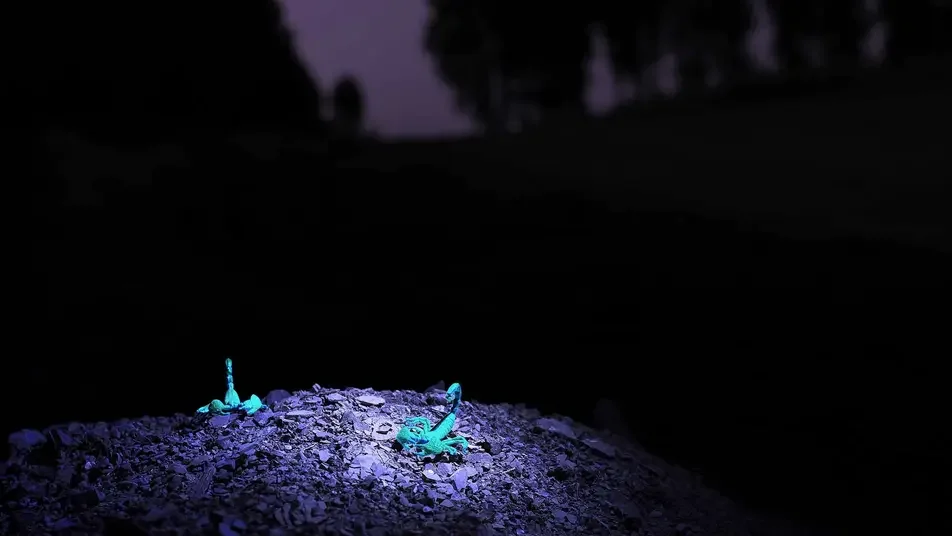
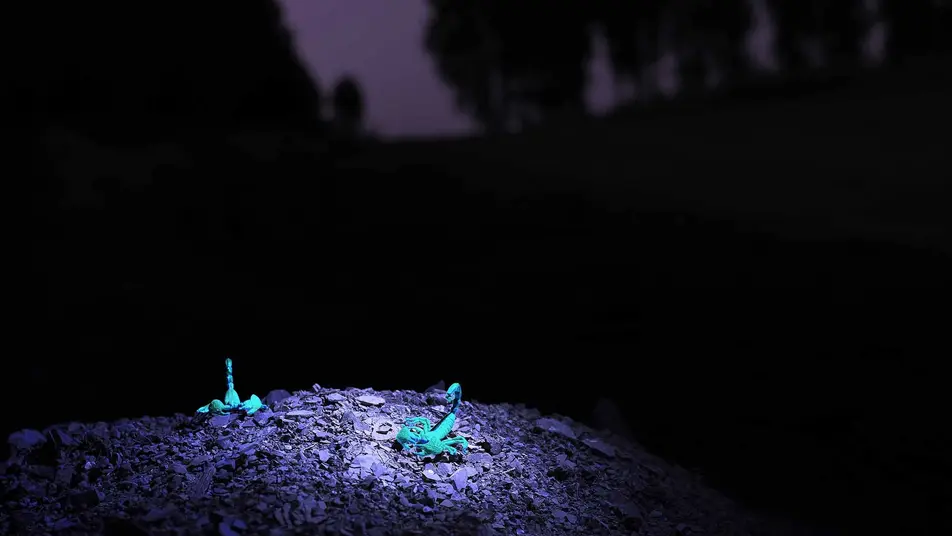
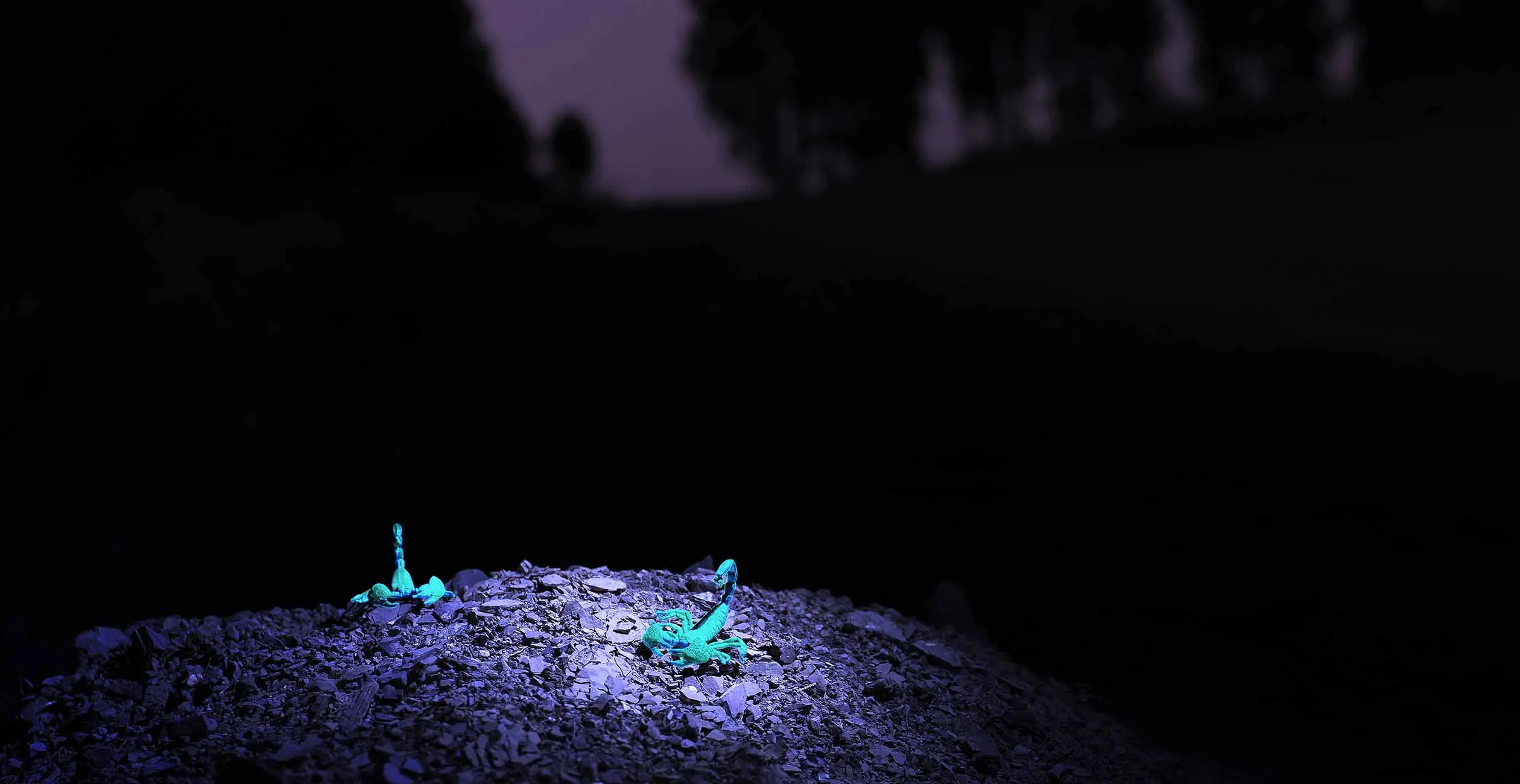
- Scorpion Spotting: Many scorpion species native to arid regions fluoresce a brilliant, unmistakable blue-green under UV illumination.
- Spider Tracking: While large spiders like huntsmen and redbacks do not glow as intensely as scorpions, a black light helps highlight their reflective silk webs and distinct body silhouettes in dark garages, sheds, and crawlspaces.
- Opal and Mineral Prospecting: Australian prospectors rely on UV lights to identify fluorescent minerals, particularly Yooperlite, scheelite, and specific varieties of precious opals.
- Pet Urine Detection: Quickly locate dry pet urine accidents on carpets, rugs, and upholstery during deep household cleaning.
- Hotel Cleanliness Inspections: Check hotel bedding, mattresses, and bathroom surfaces for hidden biological residues while traveling.
- Currency and ID Verification: Verify the authenticity of Australian polymer banknotes, official passports, and driver's licenses via hidden fluorescent security marks.
- Automotive Leak Detection: Efficiently pinpoint stubborn air conditioning refrigerant or coolant leaks by mixing compatible UV fluorescent dye into fluid reservoirs.
- Art and Antique Appraisal: Identify invisible restoration work, modern repainting, or repairs on vintage porcelain, glassware, and oil paintings.
- Adhesive Curing: Instantly cure UV-activated glues, resins, and optical adhesives within seconds for DIY and craft repairs.
- Sanitation Verification: Ensure commercial kitchens and residential food preparation areas are thoroughly sanitized and free from organic residue.
Is a black light the same as a UV light?
Yes, a black light is a specific subset of ultraviolet light. Ultraviolet light spans a wide electromagnetic spectrum, which is classified into three primary operational bands:
- UV-A (315nm to 400nm): Often referred to universally as "black light." This is the longest and safest band of UV light, widely used for fluorescence excitation, resin curing, authentication, and tanning applications.
- UV-B (280nm to 315nm): Medium-wavelength radiation primarily responsible for solar sunburns and utilized in specialized medical skin therapies.
- UV-C (100nm to 280nm): Short-wavelength germicidal radiation heavily used for industrial and medical sterilization. It is extremely hazardous to human skin and unprotected eyes.
A standard commercial black light torch operates safely and strictly within the UV-A spectrum.
Safety: UV-A exposure, eye protection, pets and children
While UV-A light is significantly safer compared to high-energy UV-B and UV-C radiation, proper safety precautions should always be observed during extended operation:
- Eye Protection: Avoid looking directly into the active beam of a high-power uv torch. Prolonged direct exposure can cause eye fatigue or retinal strain. Wearing certified UV-blocking safety glasses is recommended during lengthy inspection tasks.
- Skin Protection: Avoid shining high-powered UV beams directly onto bare skin for extended durations.
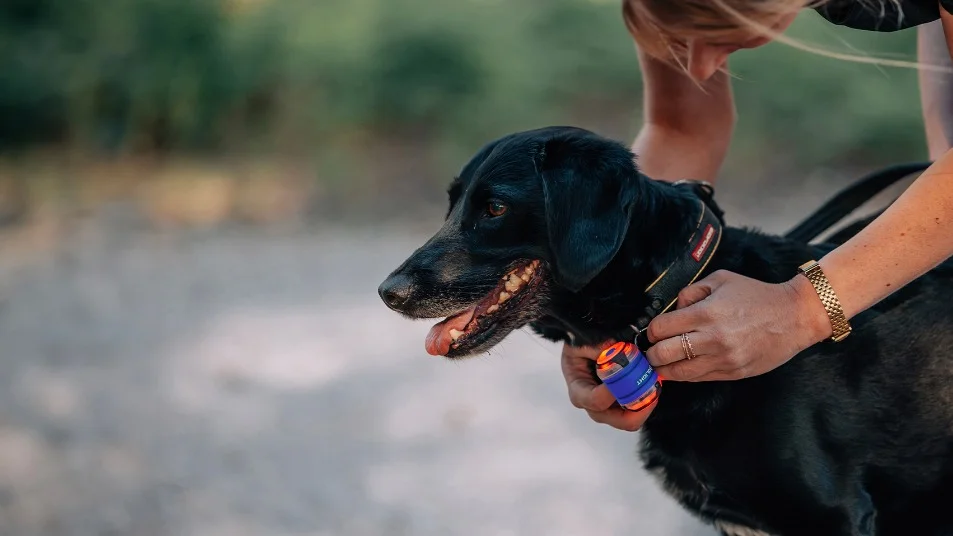
- Children and Pets: Store ultraviolet devices securely out of the reach of children. Never point a UV light directly into your pets' eyes, as animals possess heightened sensitivity to light radiation.
 Arkfeld 365nm UVFlat EDC White & 365nm UV Light
Olight Arkfeld 365nm UV
Combines high-performance white illumination with a pure 365nm professional UV light in an ultra-thin, pocket-friendly flat design.
Shop Arkfeld UV →
How to choose: five checks before you buy
To get the maximum value and reliability out of your purchase, verify these five essential features before buying:
- Wavelength: Always opt for 365nm for professional inspections, mineral hunting, and stain detection, or choose 395nm only if you need a budget-friendly option for basic casual checks.
- Output Power (mW): Higher milliwatt output ratings translate to a stronger, deeper UV beam that performs effectively even in partially illuminated rooms or outdoor field conditions.
- Battery Type: Look for modern rechargeable lithium-polymer batteries with USB-C or magnetic charging to eliminate the ongoing cost and hassle of single-use disposable cells.
- Build Quality: Ensure the flashlight body is constructed from durable materials like aerospace-grade aluminum alloy equipped with a reliable waterproof rating.
- Dual Utility: Consider a hybrid multi-functional device that offers both standard white illumination and dedicated UV light to reduce the number of individual tools you need to carry.
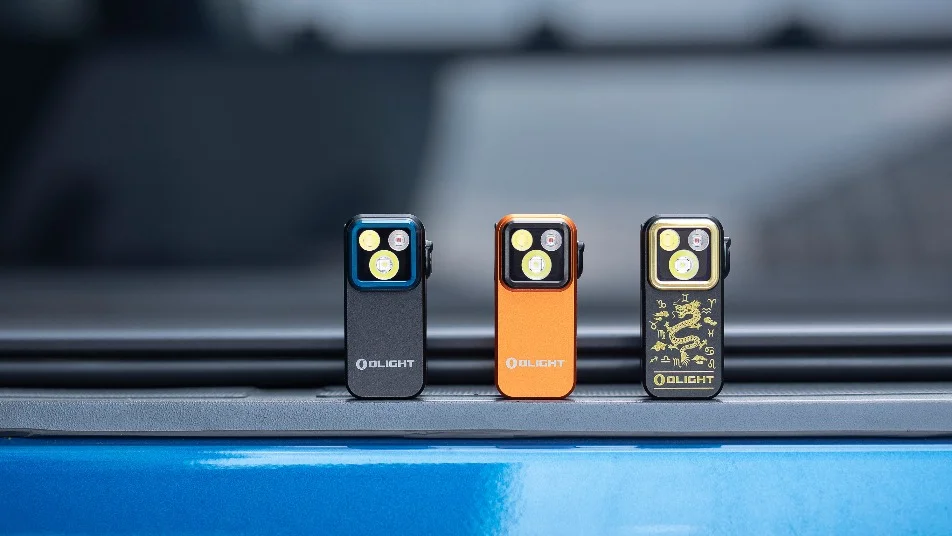
For those seeking an all-in-one daily solution tailored for both EDC and inspection tasks, the Arkfeld 365nm Uv Edc Flashlight serves as an exceptional companion.
Product Spotlight: Arkfeld 365nm Uv Edc Flashlight
- Dual Light Source: Features both a versatile standard white LED and a pure 365nm, 580mW professional UV light source.
- Multi-level Brightness: Five adjustable brightness levels with a maximum output of 1,000 lumens for reliable daily illumination.
- Ultra-thin Profile: Flat, ergonomic, and compact aluminum alloy body that slips comfortably into any pocket.
- Magnetic Charging: Utilizes a convenient magnetic tailcap compatible with standard MCC charging cables.
- IPX7 Waterproof: Robustly built to withstand accidental immersion in water up to 1 meter deep.
FAQ
What does a black light show?
Is 365nm better than 395nm?
Can a black light detect spiders and scorpions?
Update log
- September 2026: Updated technical specifications regarding 365nm and 395nm wavelength comparisons for Australian prospectors and pest controllers. Added safety guidelines for residential use.