Master the Art of Fishing with Expert Tips and Techniques
- Case Study 1: Matching Tackle to Target
- Case Study 2: Prioritising Safety & Comfort
- Case Study 3: The Power of Local Knowledge
- Your Ultimate Preparation Blueprint
There’s an elemental thrill to fishing that resonates deep within us. Whether it’s the quiet solitude of a dawn estuary, the exhilarating challenge of beach fishing against the surf, or the strategic pursuit of a trophy fish offshore, Australia offers a breathtaking backdrop for this timeless pastime. However, the difference between a frustrating day of fruitless casting and a truly memorable adventure often comes down to one crucial element: preparation.
While many anglers attribute success to luck or expensive gear, seasoned experts know the truth: successful fishing is a calculated art. It’s about understanding your environment, anticipating challenges, and making strategic choices long before your line even touches the water.
This guide dives deeper than a simple checklist. We will explore three common fishing scenarios—real-world case studies every Australian angler can relate to. By dissecting these situations, we’ll reveal how professional-level preparation transforms your experience, ensuring you’re not just ready for the day, but poised for the catch of a lifetime.
Case Study 1: The Bream Chaser's Dilemma – Matching Tackle to Target
The Scenario: Alex, an enthusiastic angler, heads to a calm coastal estuary renowned for its large, wily Bream. He brings his trusty 15-25lb setup, the same one he uses for chasing Snapper on the inshore reefs. He ties on a large, flashy lure and casts with confidence, expecting a quick bite. Hours pass. Despite seeing Bream darting in the clear water, he gets nothing but a few half-hearted follows. Frustration mounts.
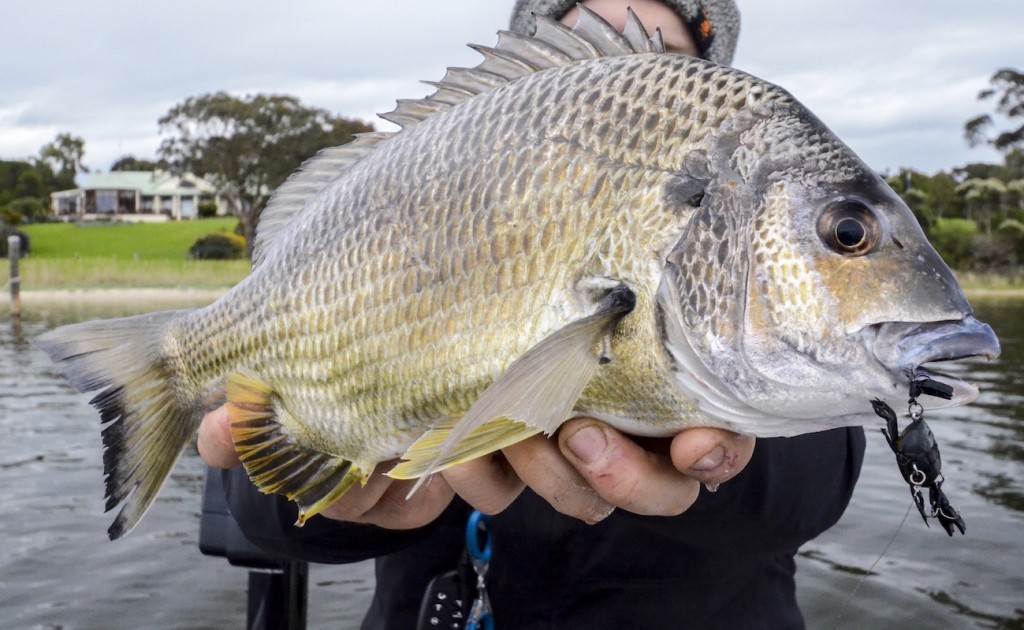
The Problem: Alex has made a classic mistake: he’s mismatched his tackle. Bream, especially in heavily fished estuaries, are notoriously clever and easily spooked. His heavy line is as visible as rope in the clear water, his stiff rod can't impart the subtle action needed for his lure, and the lure itself is too large and aggressive for their delicate feeding habits.
The Professional Preparation: A seasoned angler preparing for this exact scenario would adopt a "finesse" approach, tailoring their gear specifically for the target.
- Rod & Reel: Instead of a heavy offshore combo, the choice would be a light 1-3kg or 2-4kg spin rod with a fast tip. This provides sensitivity to detect the slightest nibble and the flexibility to cast lightweight lures accurately. It’s paired with a small 1000 or 2500-size spinning reel for balance.
- Line & Leader: The heavy monofilament is replaced with a 4-6lb braided mainline. Braid offers near-zero stretch for incredible sensitivity and a very thin diameter for longer casts. Crucially, a 1.5 to 2-metre-long leader of 4-6lb fluorocarbon is attached. Fluorocarbon is nearly invisible underwater, a critical factor for fooling line-shy fish like Bream.
- Lures & Bait: The tackle box would be filled with small soft plastics (like 2-inch grubs or creature baits) on lightweight jig heads (1/20th - 1/8th oz), tiny hardbody crankbaits, and surface-walking "pencils" for those exciting topwater bites—not large offshore jigs.
The Outcome: By preparing with finesse tackle, the angler can present a small, natural-looking offering stealthily. They can feel every bump and tick as the lure moves across the bottom, and when a Bream cautiously mouths the lure, the sensitive rod signals the strike instantly. This thoughtful preparation, tailored specifically to the target species and environment, is what turns a frustrating day into a successful session.
Case Study 2: The Southerly Buster Surprise – Prioritising Safety & Comfort
The Scenario: Ben glances at the morning weather forecast. Sunny with light winds—perfect. He and a mate decide to take their small boat a few kilometres offshore to chase Flathead. They pack rods, bait, and a few drinks. By early afternoon, the sky darkens ominously. A classic "Southerly Buster" rips through, bringing a sudden wind change, steep chop, and driving rain. Drenched and cold, they face a harrowing and dangerous trip back to the ramp.
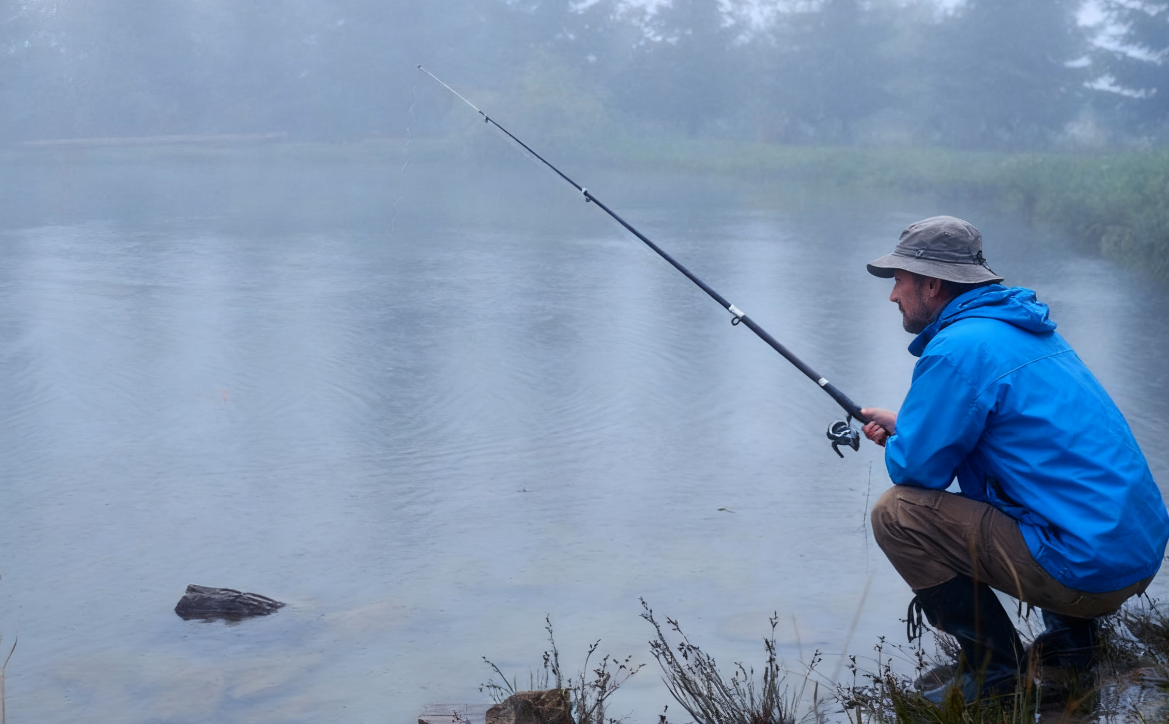
The Problem: Ben relied on a single morning forecast and failed to prepare for a rapid change in conditions—a common occurrence along Australia's coastline. Their lack of appropriate clothing and safety gear turned a pleasant day into a miserable and potentially life-threatening ordeal.
The Professional Preparation: Safety is not an option in fishing; it’s the foundation of every successful trip. An experienced skipper prepares for the worst, even on the best of days.
- Advanced Weather Intelligence: Preparation starts by checking multiple weather sources. The Bureau of Meteorology (BOM) Marine & Ocean portal is essential. Look not just at the forecast, but at the synoptic chart to understand broader weather patterns. Is a front approaching? What time is the wind change predicted?
- Essential Safety Gear (The "Must-Haves"):
- Lifejackets (PFDs): One for every person, properly fitted and in good condition. In rough conditions, they must be worn, not just stowed.
- Communication: A waterproof VHF radio is superior to a mobile phone offshore. Know how to use it. An EPIRB (Emergency Position Indicating Radio Beacon) is a non-negotiable for any serious offshore fishing.
- First-Aid Kit: A comprehensive kit in a waterproof case to handle everything from cuts and hooks to seasickness and dehydration.
- Personal Comfort & Protection:
- Layered Clothing: Even on a warm day, pack high-quality wet weather gear (jacket and pants). It provides a crucial barrier against wind and rain, preventing hypothermia.
- Sun Protection: Australia's sun is harsh. A long-sleeved fishing shirt with a high UPF rating, a wide-brimmed hat, polarised sunglasses, and SPF 50+ sunscreen are mandatory.
The Outcome: The prepared angler, seeing the southerly change on the forecast, might have decided to fish in a protected bay or started heading home an hour earlier. If caught out, they would don their wet weather gear and PFDs, remain relatively warm and dry, and use their radio to log their position with the local marine rescue if necessary. Their preparation ensures safety and allows them to handle adversity with a calm, clear head.
Case Study 3: The Estuary Explorer’s Edge – The Power of Local Knowledge
The Scenario: Picture this: Chloe and David are fishing the same large tidal river for Flathead. David motors to a likely-looking sandbank, anchors up, and starts casting randomly. Chloe, however, spends ten minutes studying her surroundings and a chart on her phone. She spots a channel edge where the water drops from 1 to 3 metres. Positioning her boat upstream, she begins a controlled drift, casting her soft plastic lure into the shallow water and working it down the drop-off. By the end of the session, Chloe has landed half a dozen quality Flathead, while David has only one small fish to show for his efforts.

The Problem: David is fishing blind. He’s in a good general area, but he isn’t targeting the specific structures where predatory fish ambush their prey. He’s relying entirely on luck.
The Professional Preparation: Success in fishing is often about location, but it's more about understanding why a location is good. This intellectual preparation is as vital as any piece of gear.
- Pre-Trip Research: Before leaving home, the expert angler studies.
- Tide Charts: Are the tides running in or out? A run-out tide is often prime time for Flathead, as it forces baitfish off the flats and into the waiting mouths of predators in the channels.
- Navigational Charts & Satellite Maps: Google Maps (in satellite view) and specialised marine apps (like Navionics) are invaluable tools. Look for drop-offs, weed beds, oyster racks, rock bars, and deep holes. These are the "structures" that attract fish.
- On-Water Observation: Once at the location, technology and observation combine. A sounder/fish finder is used to confirm the drop-offs and mark any schools of bait. The angler also watches for signs of life—birds diving, baitfish scattering on the surface.
- Strategic Approach: Chloe's success was no accident. Her strategy was based on a simple predatory truth: Flathead lie in ambush on the down-current side of a drop-off, waiting to intercept bait being washed off the flats. Her controlled drift and precise casting method presented her lure perfectly through the strike zone on every cast.
The Outcome: Chloe’s preparation allowed her to "think like a fish." She didn't just go fishing; she executed a well-researched plan. This strategic mindset, built on a foundation of research and observation, is what consistently separates the top 10% of anglers from the rest.
Your Ultimate Preparation Blueprint
Ultimate mastery in fishing lies at the intersection of the right gear, a deep respect for safety, and a strategic understanding of your target and environment. By learning from these case studies, you can build your own blueprint for success. Before your next trip, ask yourself:
- Who is my target? Have I selected the right rod, reel, line, and lures for this specific species?
- What are the conditions? Have I thoroughly checked the weather and tides, and do I have the right safety gear and clothing for a worst-case scenario?
- Where will the fish be? Have I researched the location to identify key structures and formed a strategic plan for how to fish them effectively?
By answering these questions, you shift from simply hoping to catch a fish to actively engineering success. You elevate your pastime into a strategic art form. So, prepare with purpose, cast with confidence, and get ready to write your own incredible fishing stories.