Table of Contents
Hunting in Australia provides an unparalleled adventure, connecting you with the rugged beauty of the bush while testing your skills and patience. Understanding what you should prepare when you go hunting is fundamental—not just for increasing your odds of success, but for guaranteeing your safety and upholding respect for the environment.
This comprehensive guide will walk you through the essential gear, safety protocols, and administrative steps to take before you head out on your next hunting adventure in Australia.
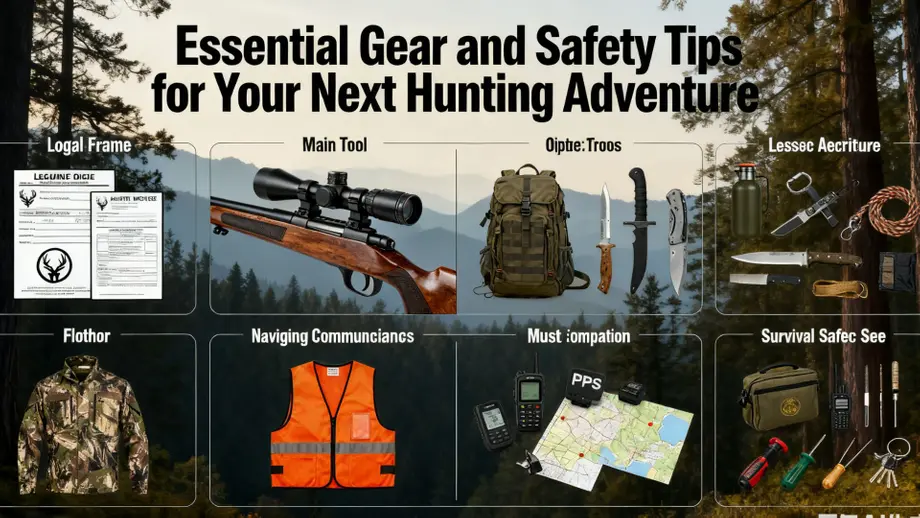
1. The Legal Framework: Licensing and Permissions
Before you even consider packing your gear, your first and foremost priority is to ensure full compliance with all legal requirements. This step is absolutely non-negotiable for any hunter.
- Firearms and Hunting Licences: Verify that your firearms licence is current. Additionally, secure the correct state-specific game or hunting licence. Regulations vary significantly between states like New South Wales, Victoria, and Queensland, so always check the relevant government authority's website (e.g., DPI, GMA).
- Game Tags and Permits: For specific species, such as deer, you may be required to purchase tags or obtain special permits. Always be aware of designated seasons, bag limits, and approved hunting areas.
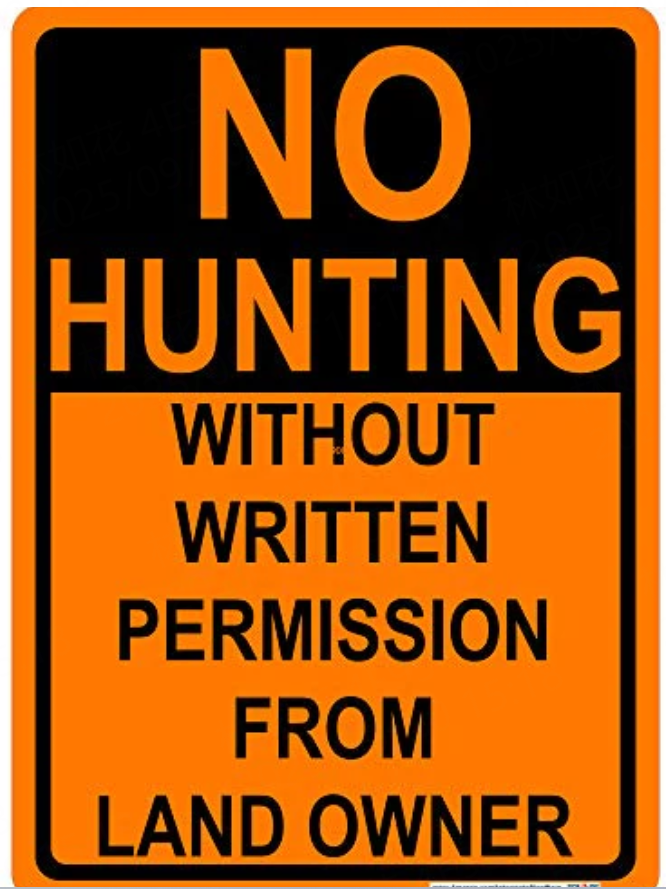
- Permission to Hunt: If you plan to hunt on private property, you must obtain explicit, preferably written, permission from the landowner. For public land, confirm that hunting is permitted in that specific state forest or park and fully understand any local restrictions that may apply.
2. Your Primary Tools: Weapon, and Optics
Your choice of firearm or bow is the cornerstone of your hunt. Responsible preparation means ensuring your equipment is in perfect working order to guarantee an ethical and effective hunt.
- Weapon of Choice: Select a firearm or bow appropriate for your target species and compliant with local regulations.
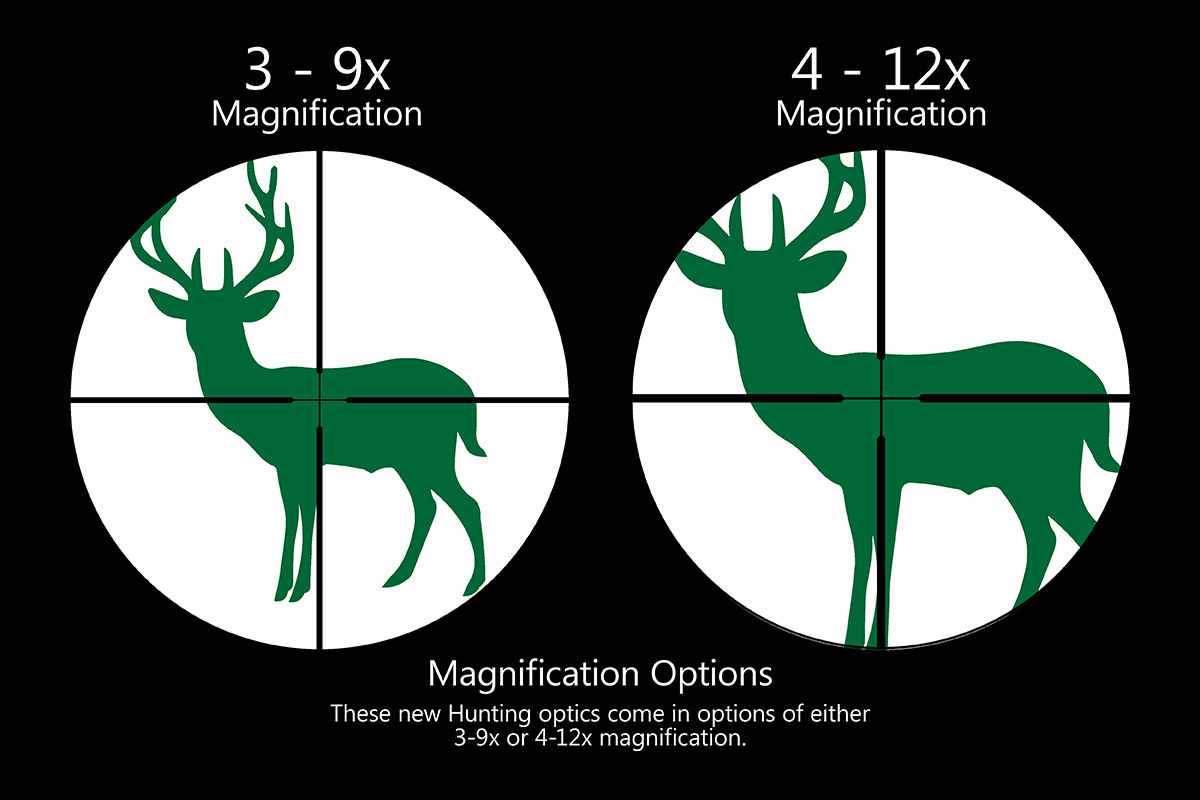
- Maintenance and Sighting-In: Your weapon must be thoroughly cleaned and inspected before your trip. Crucially, take the time to sight-in your rifle at the range. An ethical hunt demands a clean, single-shot kill, which is only achievable with a properly zeroed scope.
- Essential Optics: High-quality optics are a genuine game-changer, significantly improving your effectiveness in the field.
- Binoculars: A pair of binoculars is indispensable for spotting and identifying game from a distance, preventing wasted time and energy stalking the wrong animal.
- Rangefinder: This tool eliminates guesswork by providing the exact distance to your target. This is critical for ethical shot placement, particularly in varied and challenging terrain.
3. Field Essentials: The Gear in Your Pack
Your backpack is your lifeline in the field. It must be comfortable, durable, and packed with intelligent, well-organized hunting gear.
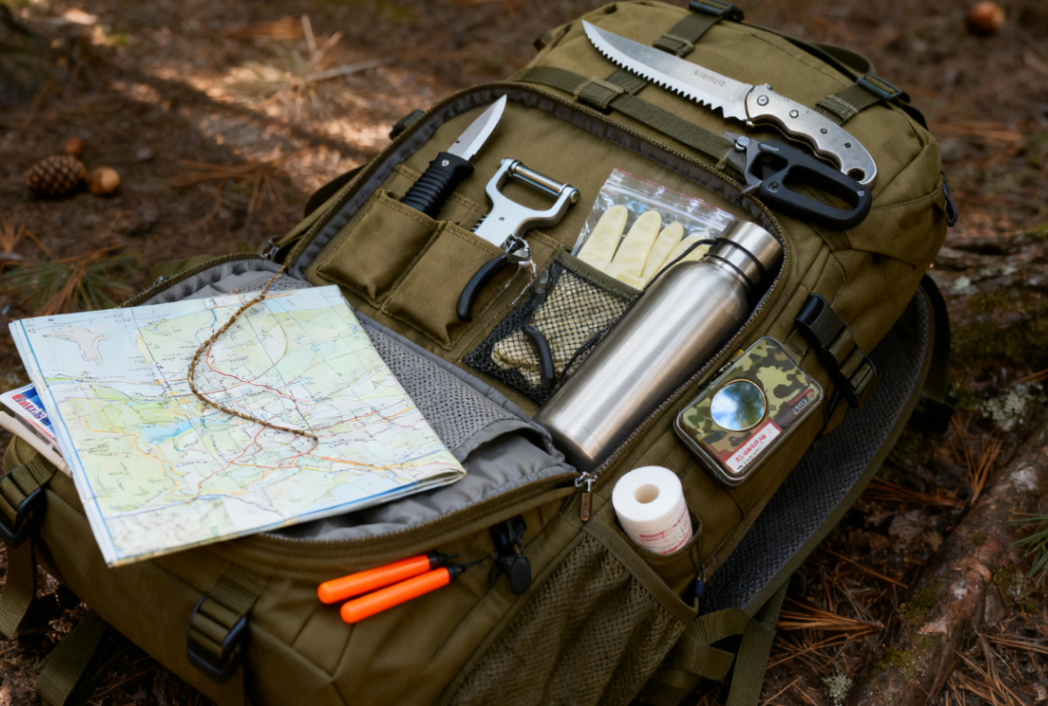
- Sturdy Pack: Choose a daypack (20-30 litres) for short excursions or a larger pack (40+ litres) for overnight or multi-day hunts that require more equipment.
- Field Dressing Kit: A successful hunt means you will need to process the animal. Your kit should include:
- A sharp, high-quality hunting knife (and a sharpener).
- Disposable latex or nitrile gloves.
- Game bags to keep the meat clean and protected.
- A small bone saw for processing larger animals.
4. Clothing: Dress for Stealth and Survival
Australia’s weather conditions can be highly unpredictable. Adopting a layering system is the most effective strategy to stay comfortable, dry, and concealed from your quarry.
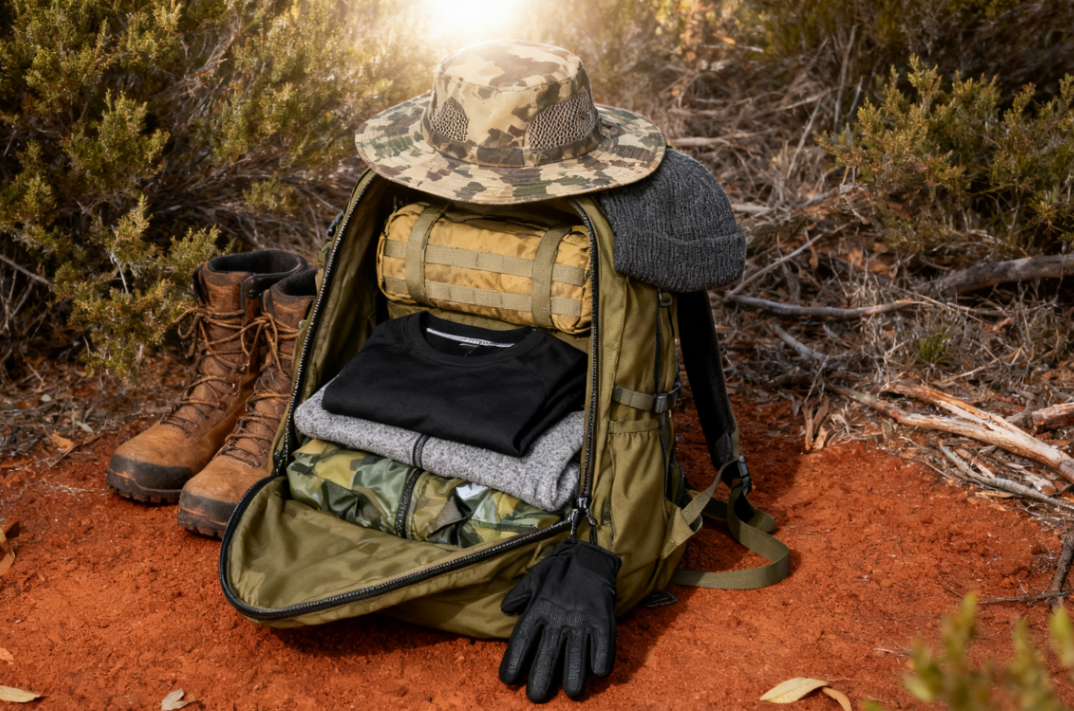
- Base Layer: A moisture-wicking or synthetic shirt is essential to draw sweat away from your skin and keep you dry.
- Mid-Layer: An insulating layer, such as a fleece or puffer jacket, provides crucial warmth in cooler temperatures.
- Outer Layer: A waterproof, windproof, and quiet shell jacket and pants are your shield against the elements. Choose camouflage patterns with earthy tones and broken-up designs that blend seamlessly with the Australian bush.
- Footwear: Invest in a pair of sturdy, waterproof, and well-broken-in hiking boots that offer excellent ankle support. Your feet are your most important asset in the wild.
- Extremities: Pack a warm beanie for cold mornings, a wide-brimmed hat for sun protection, and a pair of gloves for improved grip and warmth.
5. Navigation and Communication: Don't Get Lost
The Australian bush is vast and can be incredibly disorienting. Never rely on a single method of navigation; redundancy is key to your safety.
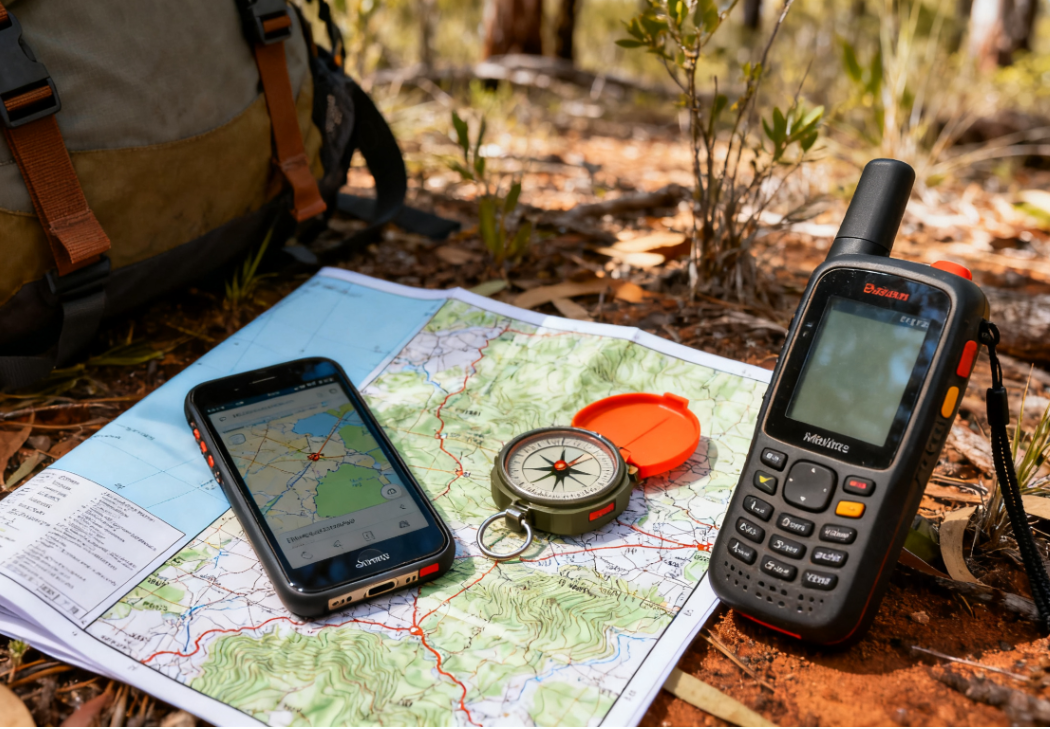
- Primary Navigation: A GPS unit or a smartphone with a reliable mapping app loaded with downloaded offline maps is essential.
- Backup Navigation: Always carry a physical topographic map of the area and a compass. Electronics can and do fail; knowing how to use a map and compass is a potentially life-saving skill.
- Communication: Carry a fully charged mobile phone. For remote areas lacking reception, a personal locator beacon (PLB) or a satellite phone is a critical piece of safety equipment. Always inform someone of your exact plans, including your intended route and expected return time.
6. Survival and Safety Kit: Be Prepared for the Unexpected
This compact survival kit should remain in your pack at all times, as you never know when you might need it.
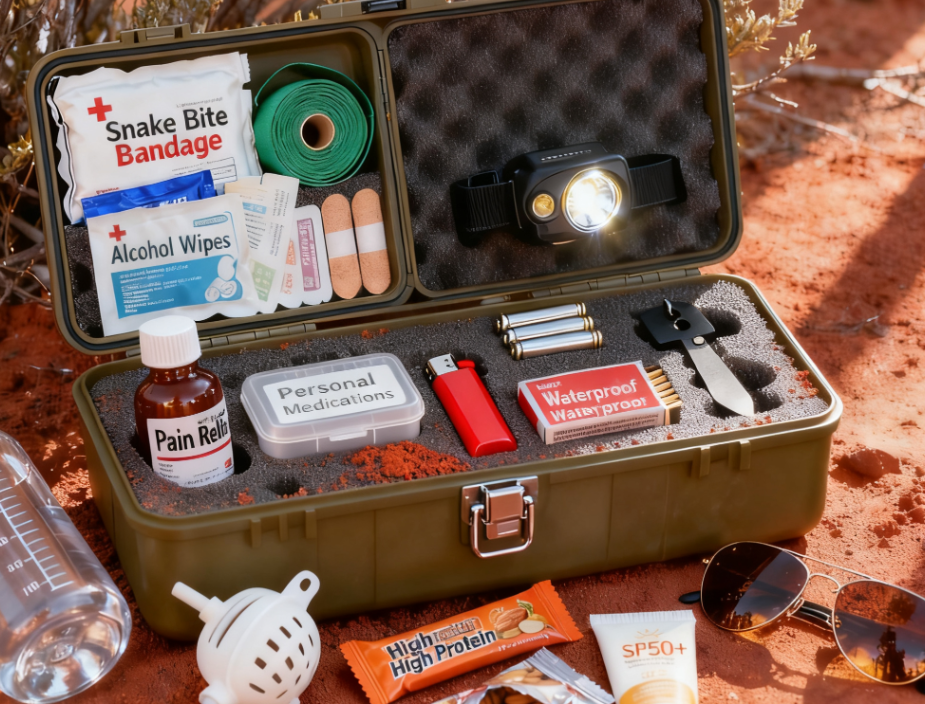
- First-Aid Kit: A comprehensive kit is vital. In Australia, it must include a snake bite bandage, and you must know how to apply it correctly. Also include blister treatment, antiseptic wipes, various bandages, pain relief, and any personal medications.
- Light Source: A headlamp is superior to a handheld torch as it keeps your hands free for other tasks. Always pack extra batteries.
- Fire Starters: Carry multiple fire-starting methods, such as a lighter, waterproof matches, and a ferro rod or other dedicated fire starter.
- Water and Food: Carry more water than you think you will need, and include a water filter or purification tablets as a reliable backup. Pack high-energy snacks like nuts, jerky, and protein bars.
- Sun Protection: The Australian sun is notoriously harsh. Always have high-SPF sunscreen and quality sunglasses on hand.
Ultimately, a well-prepared hunter is a successful, safe, and ethical hunter. By taking the time to assemble the right gear and plan for all contingencies, you not only enhance your own safety but also demonstrate profound respect for the animals you pursue and the wild places you explore. Now, get your gear sorted, double-check your list, and enjoy the incredible experience of hunting in the Australian wilderness.