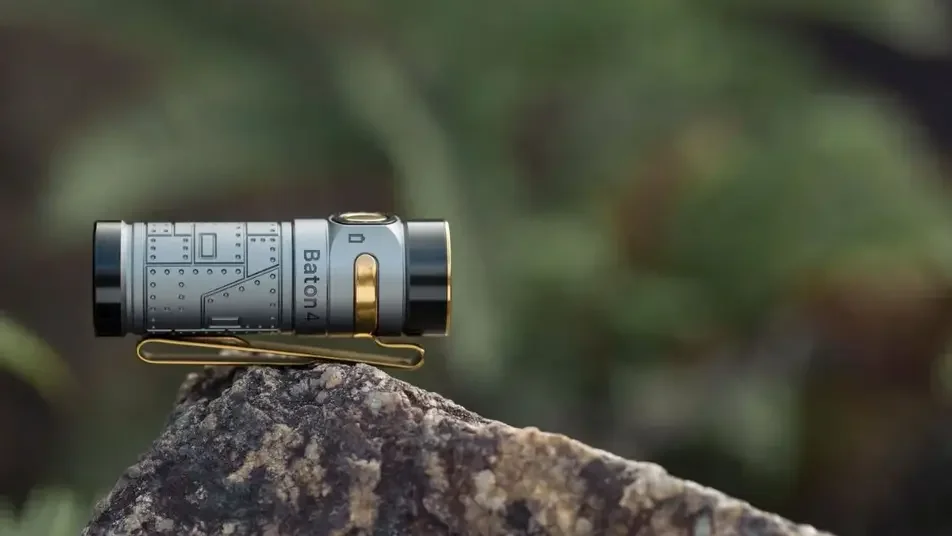
TL;DR: Learning how to choose uv lamp gear comes down to matching true ultraviolet wavelength and visible leak suppression to your target. Opt for 365nm optical emitters equipped with dark black filter glass for mineral fluorescence, amber spotting, and fine scorpions. A broad flood beam sweeps creek beds efficiently, while focused pocket lights pinpoint delicate specimen details safely.
| Hunting Application | Ideal Wavelength | Filter Glass Required? | Recommended Beam Profile | Key Specimen Target |
|---|---|---|---|---|
| Rockhounding / Fossicking | 365nm UVA | Yes (Essential) | Focused spot / Mid flood | Calcite, fluorite, sodalite (Yooperlite) |
| Scorpion Tracking | 365nm to 395nm | Optional / Recommended | Wide flood | Exoskeleton cuticular fluorescence |
| Glow Jigs / Lure Charging | 365nm to 395nm | No (Visible light acceptable) | Close-range flood | Phosphorescent tackle, squid jigs |
| Hygiene & Stains | 365nm UVA | Yes | Even flood | Organic residues, pet urine, currency |
Heading into the Australian bush for night fossicking or mineral identification requires more than grabbing an ordinary hardware shop ultraviolet torch. Selecting proper gear demands understanding optical physics, radiant energy, and visual interference. This guide breaks down emitter bands, optical filtration, beam geometry, form factors, and outdoor safety so you can make an informed choice for your nocturnal adventures.
Table of Contents
- 1. Quick answer: choose 365nm with a filter lens for real fluorescence work; 395nm lamps show more purple glare and less glow
- 2. Which wavelength suits rocks, scorpions and glow jigs?
- 3. What does filter glass remove and why does it matter?
- 4. Beam size: flood for creek beds and camp edges, spot for single specimens
- 5. Handheld torch vs fixed lamp vs keyring UV light
- 6. How do you use UV lights safely around eyes and skin?
- 7. Frequently asked questions
Quick answer: choose 365nm with a filter lens for real fluorescence work; 395nm lamps show more purple glare and less glow
When evaluating how to choose uv lamp hardware for authentic outdoor fieldwork, the emitter wavelength determines success. Standard economy flashlights frequently deploy 395nm to 405nm LEDs. While budget-friendly, these emitters sit directly on the boundary of human vision, spewing intense violet glare that drowns out faint mineral luminescence.
In contrast, true 365nm ultraviolet radiation falls cleanly within the UVA spectrum. The light output itself remains almost invisible to human eyes, allowing your retinas to perceive the vibrant secondary light emitted by reacting minerals, organic matter, and desert fauna. Anyone studying how to choose uv light setups will quickly discover that 365nm paired with a Woods glass barrier delivers crisp, high-contrast fluorescence without blinding surface reflections. For a versatile handheld companion, the multi-beam Olight Arkfeld Pro how to choose uv lamp balances white output with a dedicated 365nm beam.
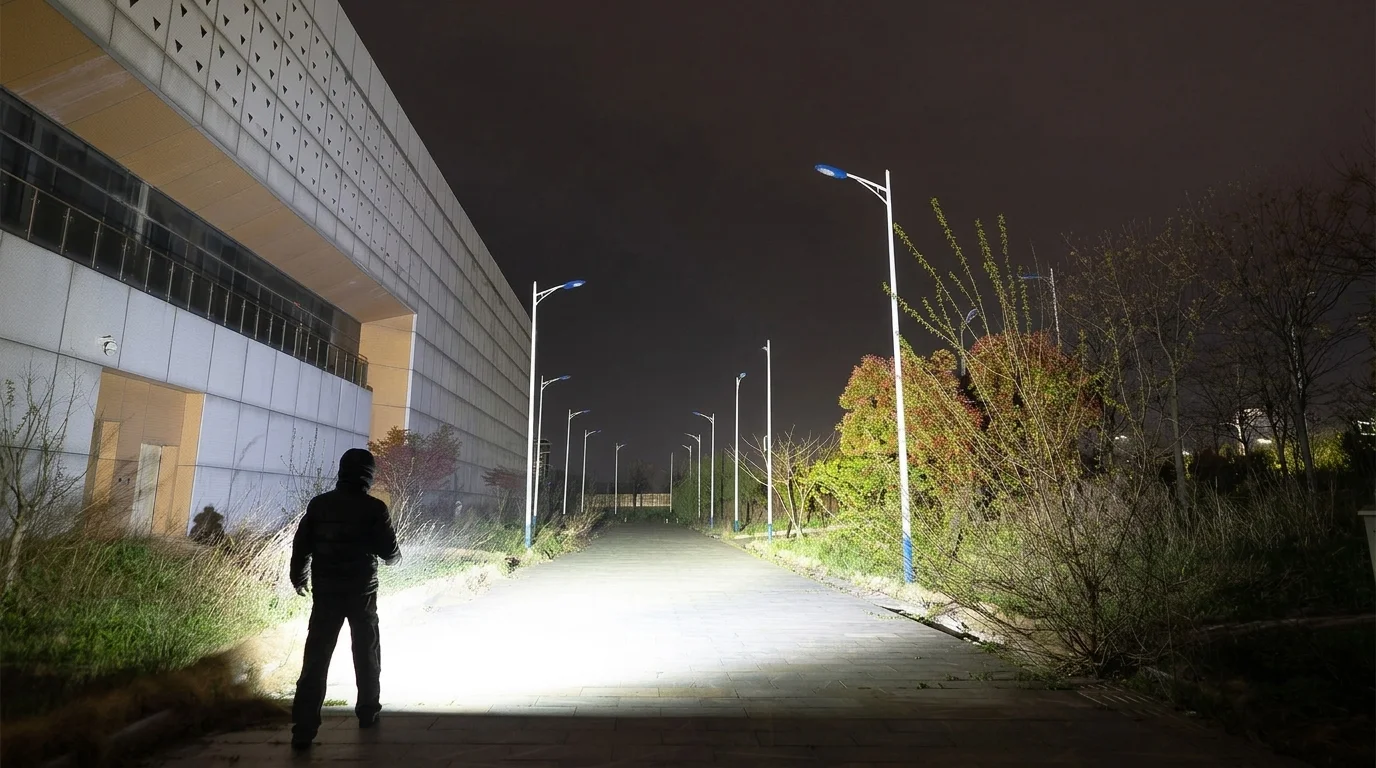
 Navigating rugged bush tracks requires dependable, multi-spectrum illumination tools before switching over to focused blacklight sweeps.
Which wavelength suits rocks, scorpions and glow jigs?
Target chemistry dictates optical requirements. Minerals such as sodalite, willemite, and fluorite exhibit Stokes shift, absorbing shortwave energy and re-emitting longer visible wavelengths. A 365nm source excites these compounds without flooding rock crevices with distracting purple wash. Understanding how to choose uv flashlight equipment for Australian fossicking reserves means targeting dedicated 365nm diodes capable of exciting subtle calcite veins or opal traces.
Scorpions present a slightly more forgiving target. The hyaline layer of their cuticle contains beta-carboline and 7-hydroxy-4-methylcoumarin, which glow brilliant cyan under both 365nm and 395nm light (Source: Australian Museum Scorpions Overview). While cheap 395nm lights can reveal scorpions at short range, a filtered 365nm beam increases detection distance substantially by eliminating blinding purple bounce off dry sand and limestone. For tackle boxes, charging luminous squill jigs requires rapid excitation where visible violet leak causes zero operational harm.
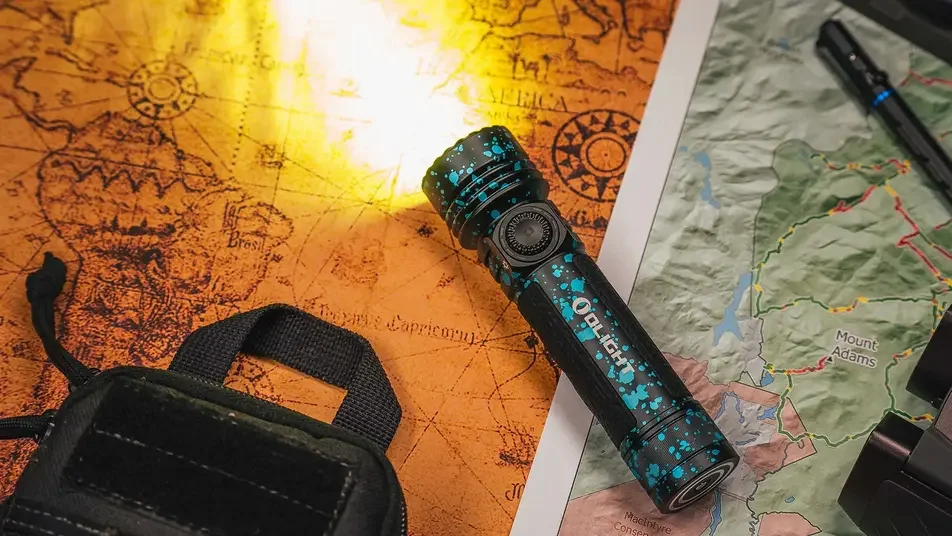
For compact clipping convenience during nocturnal creek scouting, the versatile Olight Oclip Pro S how to choose uv lamp provides pure 365nm output alongside handy RGB signalling.

- Features high-powered 900mW radiant UV flux at 365~370nm
- Includes 1,300 lumen white light with class 1 green laser pointer
- Slim 16mm profile with secure pocket clip and magnetic charging base
- Built with IPX7 waterproof aircraft-grade aluminium alloy
What does filter glass remove and why does it matter?
An untreated 365nm LED rarely outputs pure monochrome radiation. Semiconductor dies emit parasitic white and violet photons between 400nm and 450nm. When exploring how to choose uv torch gear, checking for an integrated ZWB2 filter lens is crucial. This specialised black nickel-oxide glass absorbs non-reactive visible light while permitting UV rays to pass unhindered.
Without a filter, subtle amber and green mineral flashes are swallowed by stray white reflections bouncing off river rocks. When mastering how to choose UV lamp 365nm vs 395nm australia options for outback fossicking, a 365nm UV torch with black filter glass transforms your visual field into an ultra-dark background where target specimens glow with intense clarity.
 High-output ultraviolet rays assist in inspecting technical fluids, identifying refrigerant dyes, and finding surface residues.
Beam size: flood for creek beds and camp edges, spot for single specimens
Beam geometry dictates field efficiency. Wide flood optics disperse UV energy over several square metres, enabling prospectors to scan gravel bars, dried gullies, and timber lines without excessive head panning. For comprehensive outback sweeping, discovering the best UV torch for rockhounding australia means balancing wide angular coverage with sufficient forward radiant power.
Conversely, tight spot optics concentrate radiant milliwatts into a narrow zone. This concentrated power excites deeply embedded crystal pockets inside basalt vugs or illuminates fossils located metres away along quarry walls. The multi-functional Oclip 2 Ultra how to choose uv lamp integrates adjustable positioning, providing both flood and focused beam manipulation for intricate specimens.
 Olight Oclip Pro S
- Pure 365-370nm UV diode delivering up to 800mW optical flux
- 600 lumen primary white beam coupled with RGB signalling modes
- Weighs only 53g with magnetic base and heavy-duty pocket clip
- Direct USB-C recharging with up to 144-hour endurance
Handheld torch vs fixed lamp vs keyring UV light
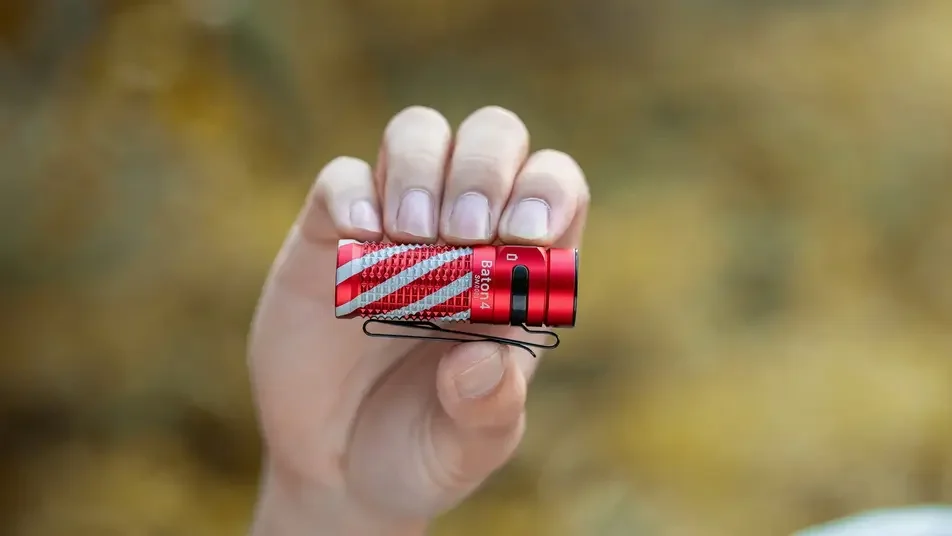
Selecting housing architecture depends on your working environment. Heavy field stations rely on multi-tube bench lamps powered by external 12V battery packs. While ideal for sorting gem trays back at camp, their bulk restricts rough cross-country bushwalking. Lightweight keyring units slip onto keyrings effortlessly, yet lack the thermal heatsinking needed to run radiant emitters above 300mW continuously.
Rugged handheld EDC torches bridge this gap effectively. Modern designs machine housings from aerospace aluminium to dissipate LED thermal build-up while offering IPX7 or IP66 weatherproofing against creek splashes and dust storms. Choosing the right design requires assessing how frequently you need hands-free lighting versus sustained hunting power.
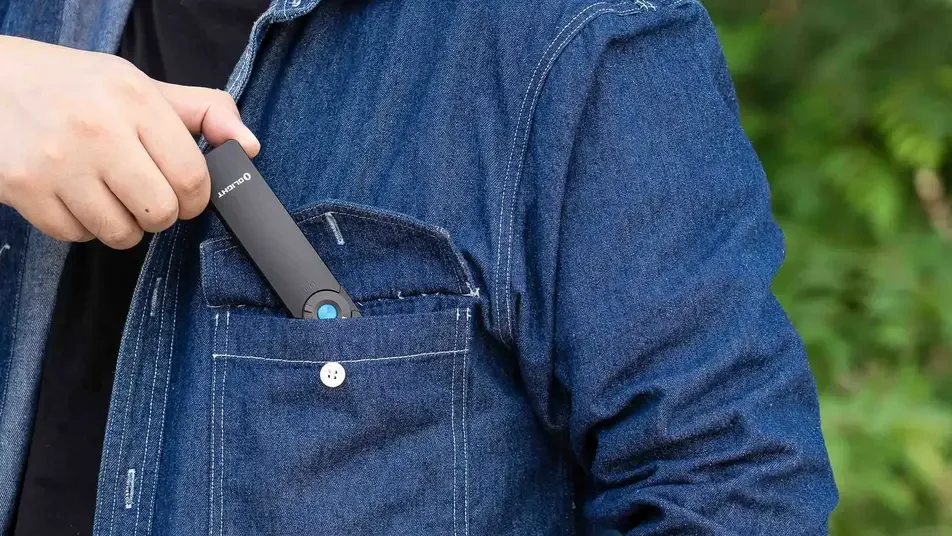
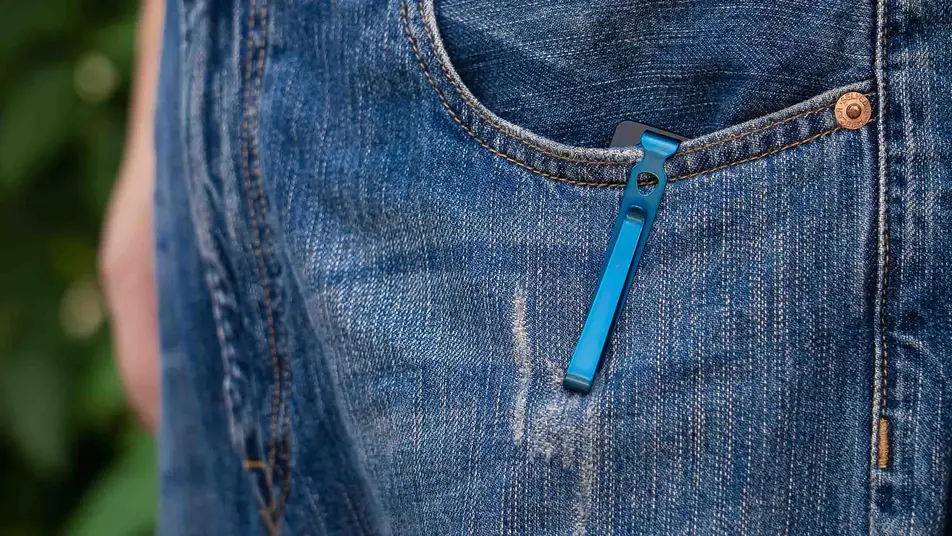
When sorting mineral boxes or examining hands-on projects, clipping an Oclip 2 Ultra how to choose uv torch onto a hat brim or pack strap frees both hands for rock hammers and chisels.

- Features high-intensity 800mW UV emitter with dual flood and spot beams
- Dual-axis mechanical adjustment with 115° tilt and 360° clip rotation
- Dual charging versatility with USB-C and magnetic dock options
- IP66 water resistance with 2-metre certified drop protection
How do you use UV lights safely around eyes and skin?
High-powered UV emitters generate significant optical radiation that bypasses natural blink reflexes because the beam appears dim to human sight. The Australian Radiation Protection and Nuclear Safety Agency outlines clear occupational exposure limits for non-ionising ultraviolet emissions across UVA and UVB bands (Source: ARPANSA Ultraviolet Radiation Guidelines). Unfiltered UVA exposure can contribute to ocular fatigue and corneal irritation over prolonged prospecting trips.
Safe fieldwork requires certified UV400 safety eyewear. Most clear polycarbonate glasses absorb wavelengths under 400nm completely, shielding your retinas while allowing you to enjoy vibrant fluorescent mineral reactions safely. When using high-output emitters like the Olight Arkfeld Pro how to choose uv light, never shine the emitter toward camp companions, avoid pointing at reflective metallic surfaces, and secure lockout mode before packing the light into pockets.
For hands-on rockhounders working in close quarters, wearing lightweight gloves prevents cumulative UVA exposure when handling glowing specimens under an active beam. Combining proper protective glasses with an agile, well-sealed light like the Olight Oclip Pro S how to choose uv torch ensures productive night outings without safety compromises.
Frequently asked questions
How to know if an UV lamp is good?
A quality UV lamp emits minimal visible purple glare when shone against a non-fluorescent white surface, casting almost no visible beam until it strikes a reactive mineral or security strip. Reliable units state their exact wavelength (typically 365nm), list radiant flux in milliwatts (mW) rather than visible lumens, and feature solid aluminium heat dissipation to prevent diode degradation.
How many watts should a good UV lamp have?
For portable outdoor fossicking and specimen inspection, pure optical power matters more than electrical wattage. A handheld UV torch delivering 500mW to 1000mW (0.5W to 1.0W) of true radiant optical flux provides plenty of punch to illuminate fluorescent minerals up to 3 to 5 metres away. Bench-mounted mineral lamps for large display cabinets typically consume 5W to 15W of electrical power to cover broader viewing areas.
Which is better, 365 or 395 UV light?
For mineral prospecting, counterfeit detection, and cleanliness checks, 365nm light is distinctly superior because it triggers intense fluorescence without washing out subtle colours with visible purple glare. A 395nm light is cheaper and works well for fast scorpion tracking or curing UV resins, but its harsh violet wash makes it poorly suited for serious mineralogy.