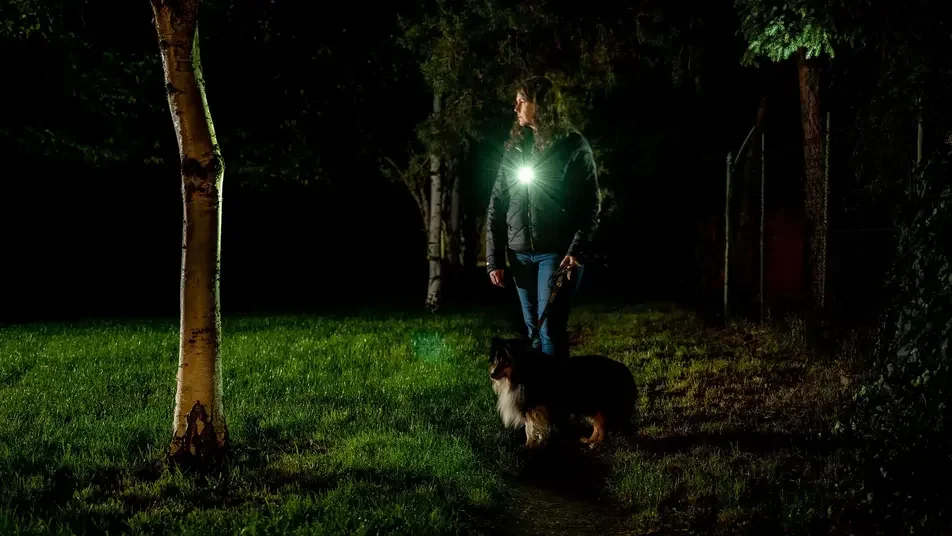
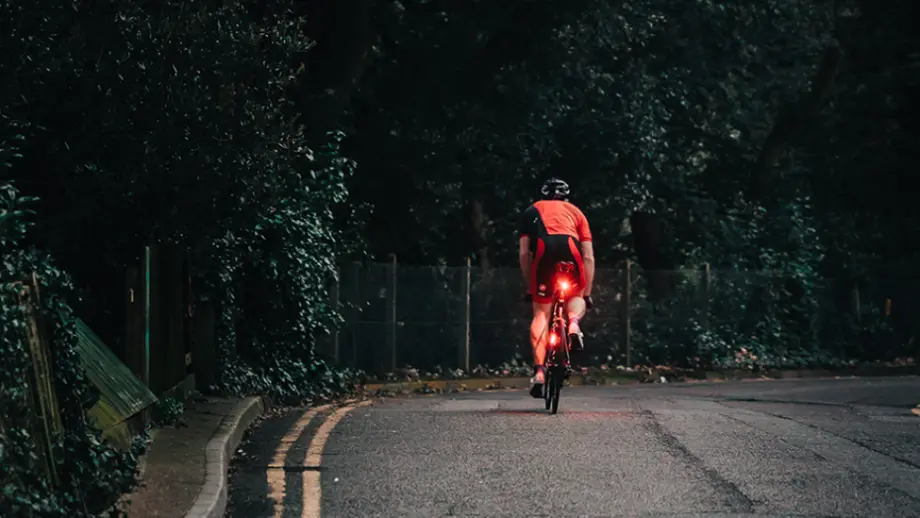
TL;DR:
Choosing the best bike light for kids requires a tool-free mounting system that fits narrow handlebars, a high-visibility rear flasher, and lightweight construction. Under Australian road laws, young riders riding at dusk or night require a front white light visible from 200 metres, a rear red light visible from 200 metres, and a rear reflector.
| Light Position | Key Requirement | Recommended Mounting | Ideal Lumens for Kids |
|---|---|---|---|
| Front Handlebar | White light visible from 200m; wide beam | Tool-free silicone strap (fits 10–35mm) | 30–200 Lumens (anti-glare) |
| Rear Seatpost | Red light visible from 200m; 230° side visibility | Compact silicone O-ring for short posts | 15–30 Lumens |
| Helmet / Backpack | Secondary eye-level visibility; ultra-lightweight (<40g) | Velcro strap or dual-direction clip | 10–50 Lumens (flashing) |
Ensuring child cyclists remain visible on Australian suburban footpaths, shared bike paths, and neighbourhood streets involves distinct technical challenges compared to adult commuters. Smaller frames, compact handlebars, short seatposts, and strict weight limits require tailored lighting hardware. This guide outlines how to configure compliant, secure, and hassle-free rechargeable bike lights for kids, explains state road rule mandates, examines helmet light safety, and details best practices for safe USB lithium charging at home.
- Quick answer: a white light and a red light that mount without tools, plus a clip light on the bag or helmet
- Night riding light rules: check your state road rules
- Fitting lights to 16 and 20 inch bikes: bar diameter and seatpost length
- Flashing or steady: what helps drivers see a small rider?
- Should a child wear a helmet light?
- Charging routines and lithium battery safety: what the ACCC advises for kids' lights
- Frequently asked questions
Quick answer: a white light and a red light that mount without tools, plus a clip light on the bag or helmet
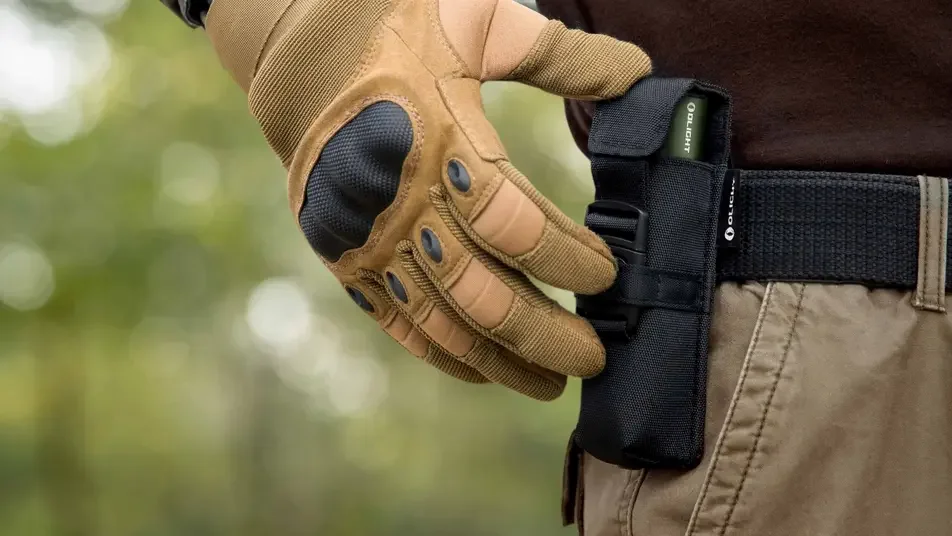
The most reliable setup for children riding in low-light conditions consists of three core components: an adaptable front white beam, a wide-angle red tail flasher, and an optional clip-on safety light mounted to a helmet or school backpack. Because kids frequently lean their bikes against walls or drop them on grass, rigid plastic screw mounts often snap. Instead, durable silicone strap brackets provide impact resilience and fit smaller handlebar tubes without tools.
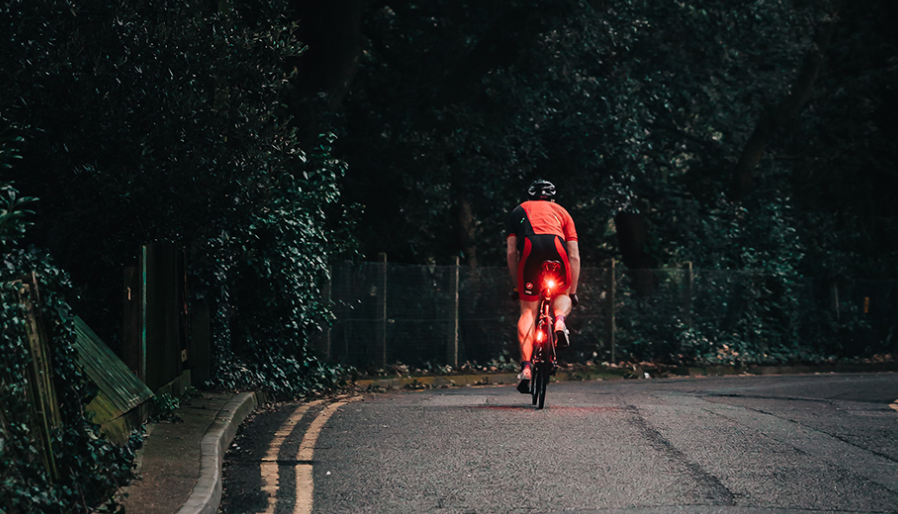
Choosing a dedicated bike light for kids with internal USB-rechargeable lithium cells eliminates ongoing battery costs while preventing small button-cell ingestion hazards. Modern lightweight units provide IPX6 water resistance, ensuring steady performance during unexpected afternoon rain showers.
Night riding light rules: check your state road rules
In Australia, road and footpath safety for cyclists is governed by uniform national model road rules adapted into state legislation (such as Transport for NSW and VicRoads regulations). Under Rule 259 of the Australian Road Rules, any bicycle ridden at night or in hazardous weather conditions causing reduced visibility must have fitted:
- A white light on the front that is clearly visible from at least 200 metres.
- A red light on the rear that is clearly visible from at least 200 metres (either steady or flashing).
- A red reflector on the rear that is clearly visible from at least 50 metres when illuminated by a vehicle's headlights.
These regulations apply equally to children riding on footpaths, separated cycle tracks, and quiet residential roads across New South Wales, Victoria, Queensland, Western Australia, and South Australia (Source: Transport for NSW Bicycle Safety Regulations).
Fitting lights to 16 and 20 inch bikes: bar diameter and seatpost length
Standard adult bike lights are engineered for handlebars with 31.8mm or 35mm clamping diameters. However, children's 16-inch and 20-inch bicycles typically feature skinny 19mm to 22.2mm steel or aluminium handlebars. Rigid plastic clamps designed for adult bikes will slide loosely around junior bars, tilting downward over bumps and failing to illuminate the road ahead.

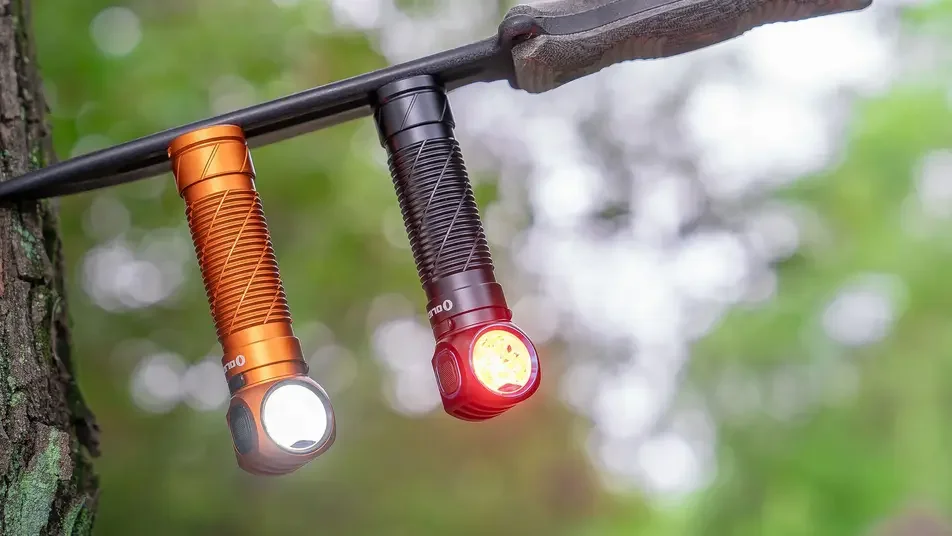
Engineered with heavy-duty silicone straps, the FB-1 accommodates torch and bar diameters from 10mm to 35mm. It adapts instantly to narrow 16-inch or 20-inch children's handlebars, offering rotational angle adjustments without scratching bike paint or needing hex keys.
- Clamping range: 10mm–35mm bar and torch compatibility
- Tool-free silicone strap attachment with included spare bands
- Rotatable base design for flexible optical alignment
Rear seatposts present an identical clearance challenge. When a saddle is lowered close to the frame for proper leg extension, there may be as little as 30mm of exposed seatpost. A low-profile rear light with a vertical orientation is essential so it does not interfere with the saddle clamp or catch on the child's clothing when mounting and dismounting.

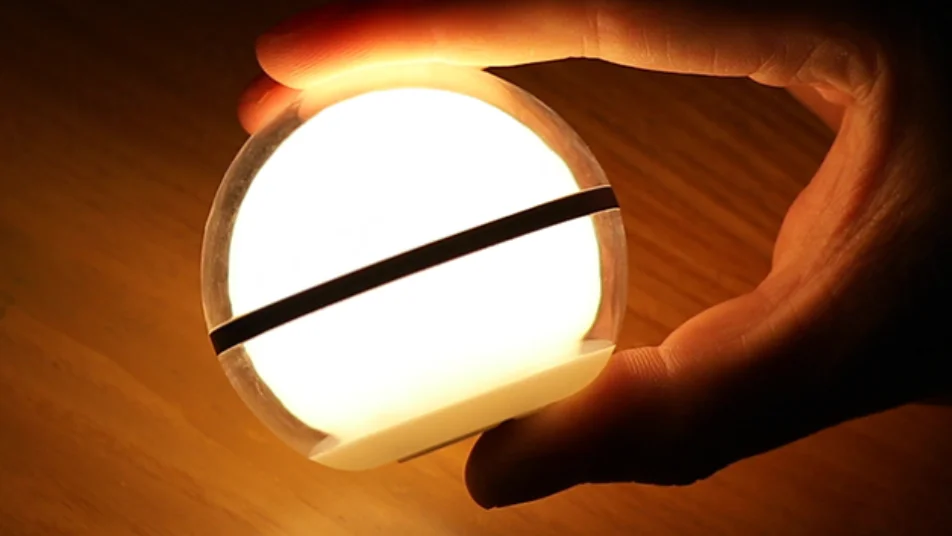
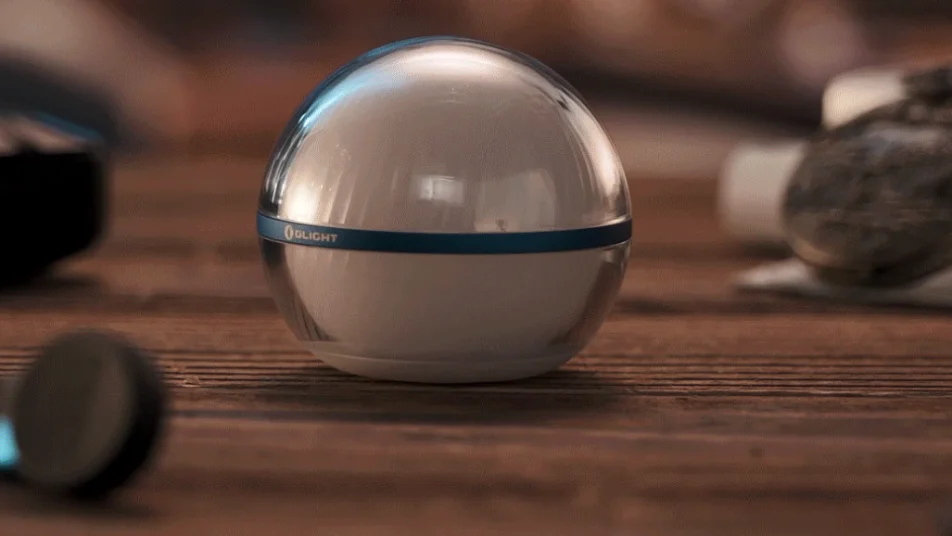
Featuring COB LEDs, transparent optical casing, and 230-degree wide-angle visibility visible up to 800 metres, the SEEMEE 30 TL fits cleanly onto cramped junior seatposts using a flexible silicone O-ring strap.
- Max 30 lumens output with 800-metre visibility
- Ultra-lightweight: only 24g with IPX6 waterproof rating
- Automatic low-power flash mode triggered at 5% battery
- Up to 9.5 hours runtime in eco mode
Flashing or steady: what helps drivers see a small rider?
Road safety research confirms that steady and flashing light modes serve distinct visual purposes for oncoming and trailing motorists. Flashing lights capture peripheral attention substantially faster in cluttered visual environments, such as street-lit suburbs filled with parked vehicles and commercial signage.
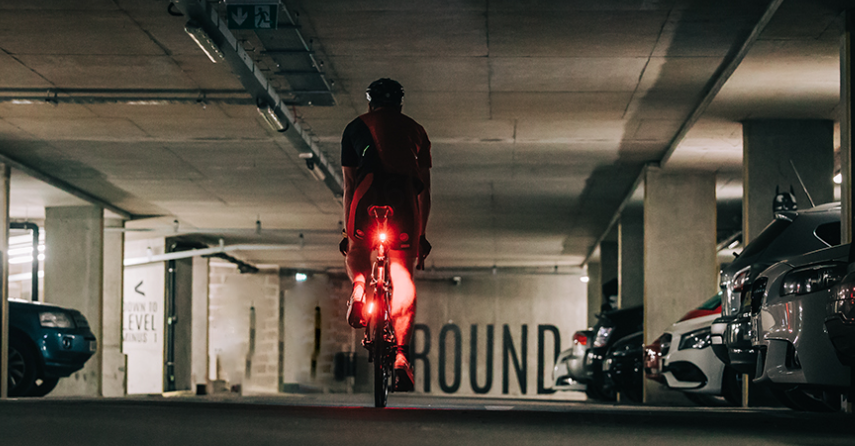
However, a high-frequency flashing light makes it harder for approaching drivers to estimate distance and closure speed. For optimal safety:
- Front light: Keep on a steady beam. This allows the child to see bumps, sticks, and surface changes while preventing disorientation or glare for oncoming path users.
- Rear light: Use a slow pulse or flash mode during twilight and daytime rides to stand out against background traffic, switching to steady or gentle pulse after dark.
Should a child wear a helmet light?
A bike helmet light for kids offers a distinct advantage: the beam follows where the child turns their head, illuminating driveways and side paths before the handlebars turn. Furthermore, a helmet-mounted light sits well above car bonnets and roadside parked vehicles.
However, strict mechanical precautions must be followed:
- Weight threshold: Any helmet-mounted accessory should weigh under 50 grams to avoid excessive neck fatigue or rotational strain on young vertebrae.
- Breakaway mounting: Never drill or screw directly into an Australian AS/NZS 2063 certified helmet shell. Use Velcro or light silicone brackets designed to detach on impact without compromising helmet structural integrity.
- Secondary status: A helmet light should supplement—never replace—the fixed handlebar and seatpost lights required by state road rules.
Charging routines and lithium battery safety: what the ACCC advises for kids' lights
Switching to rechargeable bike lights for kids avoids toxic button batteries, but lithium-ion power cells require responsible home handling. The Australian Competition and Consumer Commission (ACCC) emphasizes crucial guidelines for charging consumer lithium devices (Source: ACCC Lithium-ion Battery Safety Guidance):
- Supervised charging: Charge lights on hard, non-combustible surfaces (e.g., kitchen benches or desks) rather than carpets, beds, or couches.
- Disconnect once charged: Avoid leaving lights plugged in overnight or unattended for prolonged periods after reaching 100% capacity.
- Inspect for impacts: Because children's bikes experience frequent drops, inspect light casings periodically for cracks or swelling, and retire any damaged units immediately.
Frequently asked questions
How many lumens does a child's bike light need?
For suburban pathways, shared footpaths, and residential streets, a front light delivering 50 to 150 lumens provides ample illumination to highlight surface hazards without causing blinding glare for pedestrians. A rear tail light between 15 and 30 lumens (such as the Olight SEEMEE 30 C) delivers over 800 metres of visibility, meeting Australian road standards while preserving battery life.
Can a helmet light replace a handlebar light in Australia?
No. Under Rule 259 of the Australian Road Rules, required lights must be fitted directly to the bicycle itself. A helmet light serves as a valuable secondary visibility device that tracks the child’s head movement, but legal compliance requires a fixed front white light and rear red light mounted on the frame, handlebar, or seatpost.
How do I stop bike lights from sliding down small handlebars?
Junior bikes (16" and 20") feature slim 19mm–22.2mm bars. Avoid rigid plastic screw clamps, which slip easily. Use flexible silicone ladder straps like the Olight FB-1 mount or high-friction rubber O-rings, which grip narrow diameters securely without requiring separate spacers or scratching the bicycle frame.