TL;DR: Selecting the best torch for security guard duties across demanding night shifts requires reliable 12-hour sustained runtimes, a tactical tail switch, dual-beam flexibility, and quiet low modes for close-up ID checks. Prioritise secure duty belt retention and compliant form factors to ensure professional performance during industrial, perimeter, and venue patrols.
| Security Duty Role | Key Beam Requirement | Recommended Control Type | Primary Shift Advantage |
|---|---|---|---|
| Perimeter & Industrial Yards | High candela long throw (300m–600m+) | Two-stage tactical tail switch | Cuts through fence glare and identifies gate intruders instantly |
| Gatehouse & Venue Access | Even floodlight with sub-15 lm low mode | Direct side switch access | Prevents glare blinding during identification and credential checks |
| Mobile Vehicle & Foot Patrol | Balanced beam profile with multi-output levels | Dual switch (tail and side) | Adapts seamlessly from indoor stairwells to broad open car parks |
| Crowded Venue Crowd Control | Compact profile with immediate strobe access | Intuitive tactile tail cap | Pocketable body that remains non-threatening on standard utility belts |
Working security across Australian commercial sites, construction compounds, and licensed venues introduces distinct physical hazards once the sun sets. Whether inspecting boundary lines along unlit industrial estates or handling credentials at an entry checkpoint, frontline personnel depend heavily on their personal illumination tools. This operational guide explores duty belt ergonomics, runtime efficiency, tactical switching configurations, and compliance factors to help operators identify the best torch for security guard duties under rigorous shift conditions.
Table of Contents
- 1. Quick answer: a rechargeable torch with a tail switch, a low mode for ID checks, a high mode for perimeters and a holster you can draw from without looking
- 2. What does a 12-hour patrol shift demand from a battery?
- 3. Tail switch, side switch or dual switch: which works under pressure?
- 4. Checking IDs and faces: why a low mode helps keep things calm
- 5. Perimeter fences and car parks: throw vs flood
- 6. Holsters, belt keepers and duty belts
- 7. Could a torch be treated as a weapon? What licensing rules and employers require you to check
- 8. Frequently asked questions
Quick answer: a rechargeable torch with a tail switch, a low mode for ID checks, a high mode for perimeters and a holster you can draw from without looking
An effective security illumination platform must balance sudden tactical deterrence with practical administrative utility. The best torch for security guard deployment is not simply the brightest model available, but rather a balanced system delivering instant high outputs, gentle low modes, robust charging protocols, and secure blind-draw holster retention.
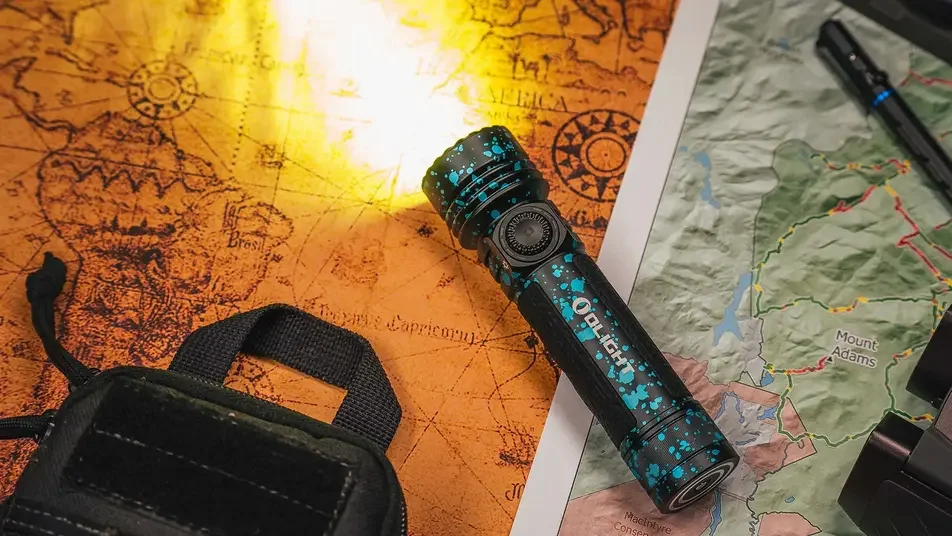
When investigating fence breaches or sudden noises in unlit yards, an officer must access maximum candela instantly without scrolling through multiple brightness settings. Conversely, reading a visitor logbook or inspecting a driver licence requires an instant, glare-free beam under twenty lumens to avoid destroying night-adjusted vision. Modern high-capacity lithium-ion platforms combine these requirements into rigid aluminium housings that ride smoothly on a uniform belt. Selecting a proven Warrior 3S best torch for security guard configuration ensures operators possess immediate tactical response capabilities alongside prolonged administrative runtimes.

Engineered specifically for security, patrol, and emergency services. Features a dual-switch user interface, TIR optical lens delivering 300 metres of throw, integrated proximity sensor, and magnetic USB recharging.
- Maximum Output: 2,300 lumens (23,000 candela)
- Run-time Flexibility: Up to 55 days on 1-lumen moonlight mode; 13 hours on 200 lumens
- Battery & Power: Customized 5000mAh 21700 rechargeable lithium-ion battery
- Waterproof Rating: Submersible IPX8 aluminium housing
What does a 12-hour patrol shift demand from a battery?
Standard Australian guarding rosters frequently mandate 12-hour night shifts where exterior site inspections occur hourly. Under these prolonged operational timelines, equipment failure during a routine round presents significant workplace safety risks. Under model workplace health and safety frameworks, employers and workers must manage risks associated with inadequate visibility and solitary work environments (Source: Safe Work Australia Model Code of Practice).
A high-capacity 21700 lithium-ion cell (typically 5000mAh) has largely replaced legacy disposable alkaline batteries and smaller 18650 formats on professional duty belts. The extended milliamp-hour capacity enables sustained mid-range illumination (200 to 300 lumens) for anywhere from 8 to 13 consecutive hours. This ensures that routine foot patrols do not drain emergency reserves required for defensive bursts.
Recharging simplicity represents another vital operational metric. Guards transitioning between mobile patrol vehicles and static gatehouses benefit tremendously from magnetic charging docks or sealed USB-C ports. Having versatile charging cables prevents guards from needing to disassemble torch bodies in wet or dusty field environments, keeping internal water seals intact across severe weather conditions.
Tail switch, side switch or dual switch: which works under pressure?
Under acute physical stress or during sudden altercations, fine motor skills degrade rapidly. Trying to locate a flush-mounted side button on an aluminium barrel while wearing duty gloves or managing an uncooperative trespasser can lead to critical delays. Understanding switch mechanics helps pinpoint the best torch for security guard utility.
Tactical tail switches offer an intuitive, gross-motor control interface. A rear endcap button allows positive index-finger or thumb activation straight out of the holster. Two-stage electronic tail switches differentiate between a soft press for immediate partial lighting and a full depression for instant Turbo or defensive Strobe. Conversely, side-mounted switches prove far more ergonomic during long, relaxed perimeter walks where the torch is carried down beside the hip in an underhand grip.
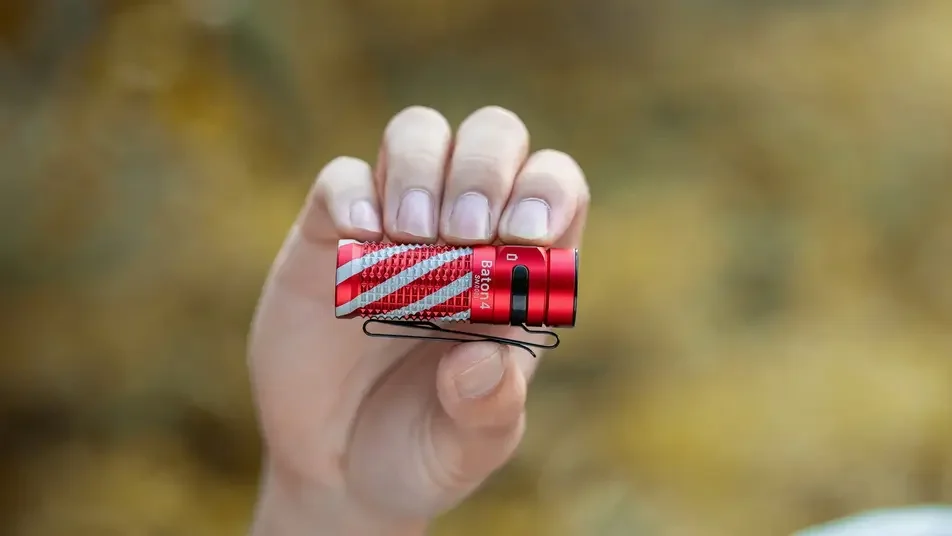
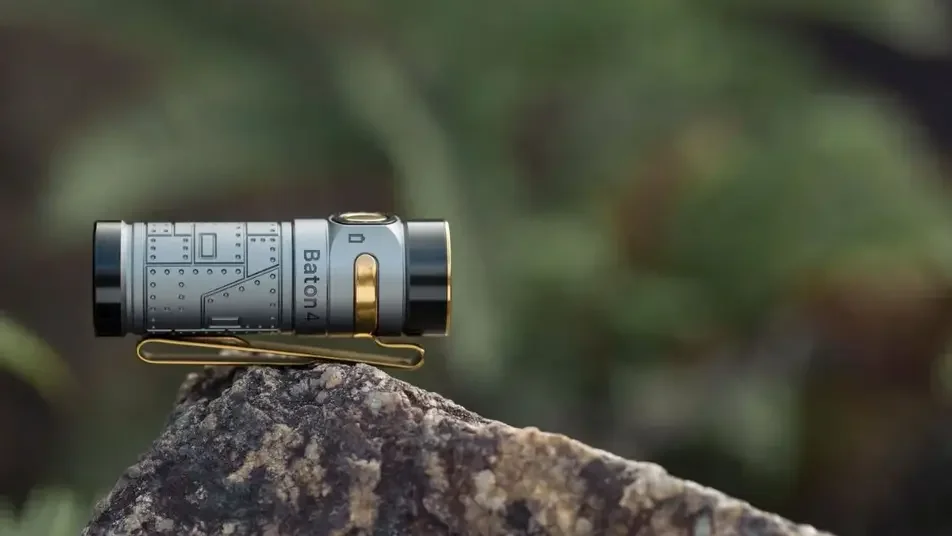
For this reason, frontline security specialists overwhelmingly favour dual-switch layouts. A dual-switch interface keeps tactical overwatch settings isolated on the rear tailcap, while general administrative levels are cycled effortlessly via the side housing. Carrying an ultra-reliable Baton 4 Pro best torch for security guard setup as a secondary backup provides effortless dual-interface versatility in a pocket-sized package.

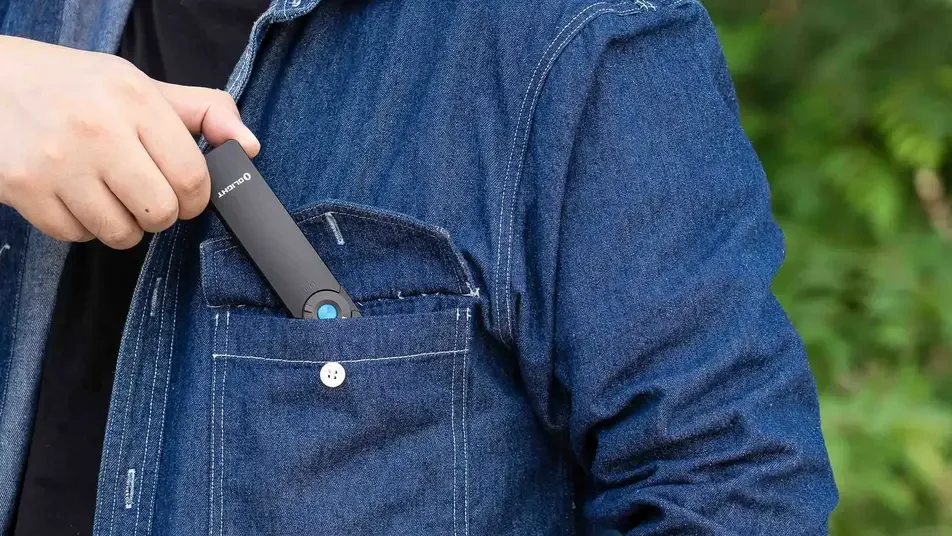
The ideal vest-pocket or secondary backup torch for crowd control and administrative patrols. Delivers impressive punch with dual charging options and intuitive indicators.
- Peak Performance: 1,600 lumens with a focused 200-metre beam
- Control Interface: Tactile tail switch for rapid high access alongside side button
- Battery System: 3,500mAh 18650 cell offering up to 100 days of Moonlight runtime
- Form Factor: Ultralight 114g chassis with deep knurling for positive wet-weather grip
Checking IDs and faces: why a low mode helps keep things calm
In crowd control, static guard posts, and hospitality environments, interpersonal conflict de-escalation is a foundational skill. Blasting a patron or delivery driver with a 2,000-lumen strobe during a standard entry verification immediately elevates tension, provokes confrontation, and temporarily blinds everyone in the immediate vicinity.
Scientific standards for workplace lighting outline that sudden visual discomfort and disability glare compromise personal hazard awareness and situational acuity (Source: Standards Australia AS/NZS 1680.1 Interior Lighting). Shining excessive brightness into someone's eyes at close range causes intense photopigment bleaching, producing prolonged afterimages and reactive aggression.
A dedicated low or moonlight output (between 1 and 15 lumens) allows security professionals to inspect holographic driver licences, read manifests, and verify wristbands without projecting an aggressive profile. Furthermore, sub-lumen modes preserve natural night adaptation in the guard's own retinas, so their vision remains clear when turning back toward a pitch-black car park.
Perimeter fences and car parks: throw vs flood
Guards monitoring expansive distribution centres, rail sidings, or rural solar farms face completely different optical obstacles than those working indoors. Understanding the distinction between raw lumens (total light volume) and candela (focused beam intensity) is essential when choosing the best torch for security guard perimeter management.
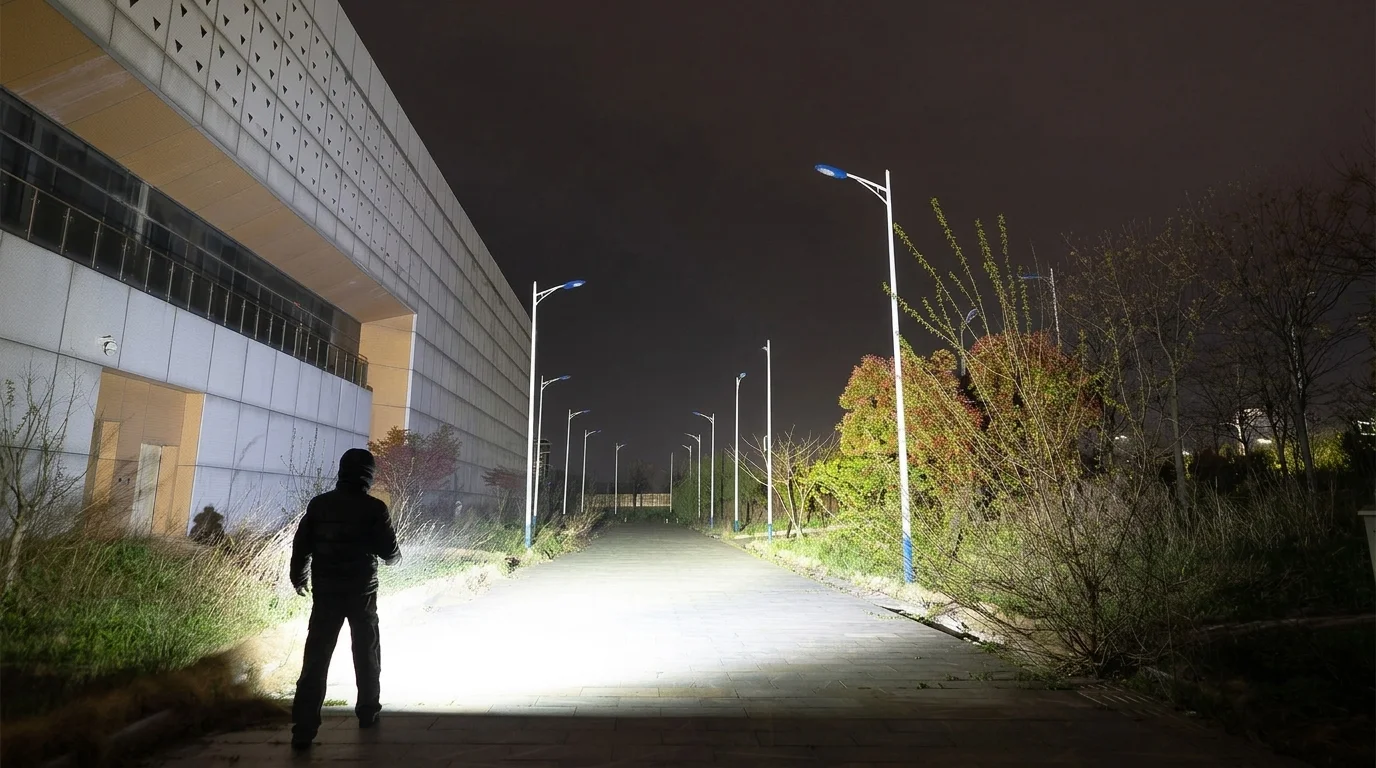
A pure floodlight scatters energy across a wide field of view. While helpful for checking narrow corridors, broad flood optics bounce blinding reflections off chain-link boundary fencing directly back into the guard's eyes, leaving the exterior darkness completely opaque. A high-candela throw beam, on the other hand, punches clean light through diamond-wire mesh, illuminating trespassers hiding several hundred metres away along distant tree lines.
When your operational mandate centres around perimeter isolation and long-distance verification, deploying an extreme-throw system like the Warrior X 4 best torch for security guard variant provides unmatched tactical clarity over vast outdoor expanses.

Engineered specifically for expansive open spaces, long fence lines, and border security. High-candela emitter projects a dense spotlight past 600 metres to penetrate mist, fences, and deep shadow.
- Distance Performance: 2,600 lumens producing 99,310 candela with 630m maximum throw
- Recharging Versatility: Dual charging via MCC3 magnetic base or concealed Type-C port
- Control System: Enlarged tail switch featuring nano-molding metal dust protection
- Field Durability: Heavy-gauge aluminium body rated to IPX8 with aggressive strike bezel
Holsters, belt keepers and duty belts
A duty light is only as reliable as its holster. Security officers carrying batons, handcuffs, communications radios, and medical kits on standard 50mm (2-inch) duty belts must manage limited hip space and maintain strict gear placement. In an unexpected emergency, an officer must be able to index, draw, and re-holster their illumination equipment without looking down.
Flimsy fabric pouches with hook-and-loop flaps present several severe problems: the loud ripping noise immediately betrays your presence during a stealth building sweep, while collapsed nylon pouches require two hands to re-holster the light. Rigid polymer and reinforced molded vertical holsters hold their shape perpetually, allowing a clean one-handed slide return.
Pairing an ergonomic light with a dedicated carrier like the Seeker 4 Pro Vertical Holster best torch for security guard accessory ensures positive duty belt retention through intense foot pursuits, obstacle climbing, or physical struggles.
 Seeker 4 Pro Holster
Engineered specifically for security duty belts. Delivers rapid one-handed draw capabilities with firm retention clips that prevent accidental loss during vigorous physical movement.
- Duty Belt Compatibility: Clips securely over standard utility and tactical patrol belts
- Form Retention: High-grade rigid composite maintains open mouth for blind re-holstering
- Operational Security: Silent draw with zero Velcro noise to avoid alerting trespassers
- Impact Protection: Fully shields bezel and lens elements from scuffs and bumps
Could a torch be treated as a weapon? What licensing rules and employers require you to check
In Australia, security personnel operate under stringent legislative controls that vary slightly between states and territories, such as the Security Licensing & Enforcement Directorate (SLED) framework in NSW or Licensing & Regulation Division (LRD) in Victoria. A regular question raised across training academies is whether an aluminium torch can legally cross the threshold into a prohibited weapon.
Under state-based weapons prohibition legislation, items designed primarily as strike weapons or batons are strictly restricted (Source: NSW Weapons Prohibition Act 1998 Schedule 1). Heavy, four-D-cell steel flashlights or aftermarket attachments featuring razor-sharp, crenulated DNA-collector spikes may easily be interpreted by police and magistrates as offensive weapons carried with intent to inflict bodily harm.
To maintain full compliance with licensing authorities and company standard operating procedures (SOPs), guards should carry compact torches with modest, defensive strike bezels that serve primarily to protect the front optical glass from drop impacts. Always select purpose-built illumination gear designed for clarity, accountability, and hazard reduction rather than intimidation.
Frequently asked questions
What is the best flashlight for security guards?
The best flashlight for security guards balances high output (2,000+ lumens) with durable dual-switch controls and a sub-15 lumen administrative mode. Models like the Olight Warrior 3S excel because their 21700 lithium-ion battery sustains a full 12-hour patrol shift, while the instant tail-switch Turbo delivers immediate distance visibility during exterior emergencies.
What torches do Australian police use?
Australian state and federal police services issue duty-grade rechargeable LED torches meeting strict tactical procurement specifications. These tools typically feature aircraft-grade aluminium bodies, dual-stage tail switches for instant tactical strobe access, IPX8 waterproofing, and secure hard-polymer vertical belt carriers that prevent weapon-retention interference.
Which torches do police use?
Police officers globally deploy compact, rechargeable tactical flashlights that generate between 1,000 and 2,500 lumens with substantial peak beam candela. Key agency requirements include single-motion momentary-on switches, thermal proximity sensors that prevent uniform scorching, and modular charging cradles designed for rapid vehicle and locker-room turnarounds.