Effective campsite lighting is essential for safety, navigation, and comfort during outdoor excursions. In Australia, where camping environments range from dense coastal bushland to the expansive Outback, selecting the right illumination gear can determine the success of your trip. Modern camping lights have evolved beyond basic torches, incorporating advanced LED technology, diverse power sources, and specialized beam patterns. This guide analyzes the essential types of lighting, key technical specifications, and top recommendations for 2026 to help you optimize your outdoor setup.
Table of Contents
Essential Types of Camping Lights
A comprehensive lighting strategy for camping involves layering different light sources. Relying on a single device often results in inadequate coverage or excessive battery drain.
LED Lanterns for Area Lighting
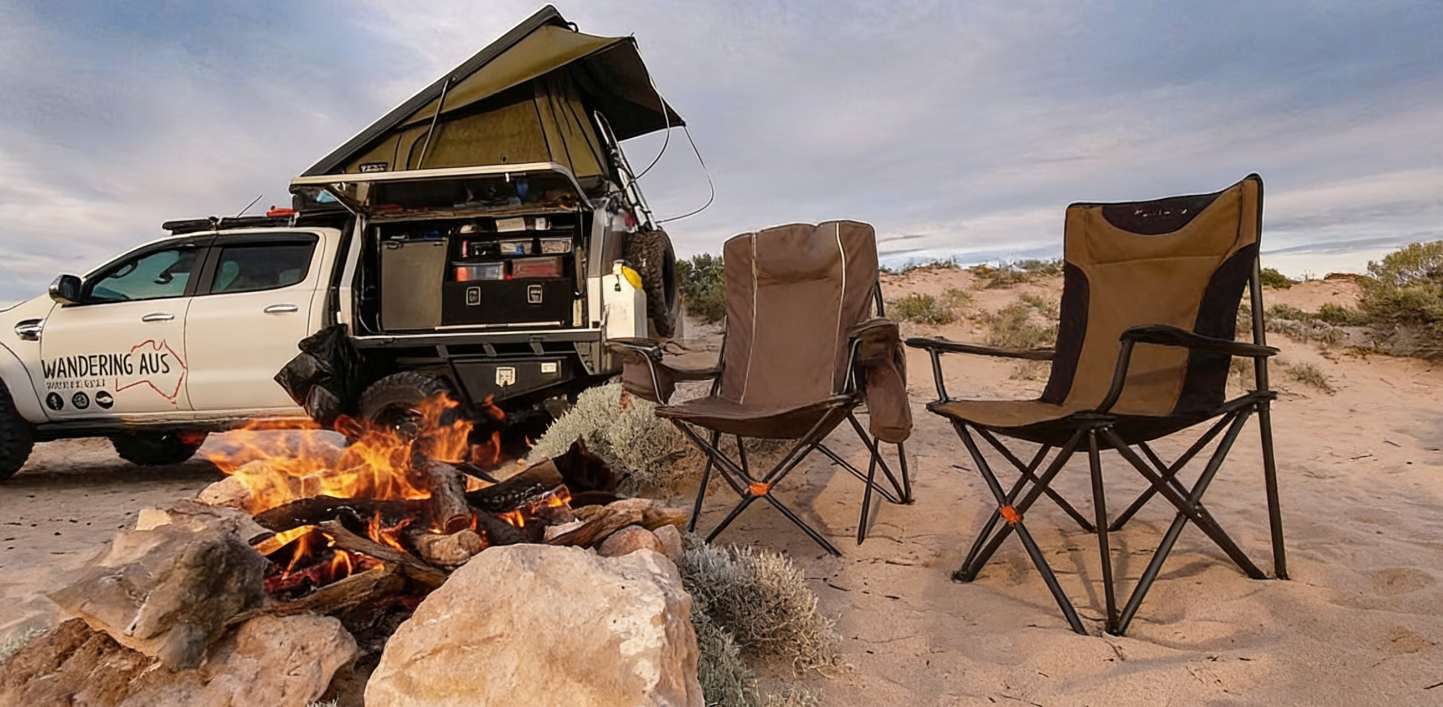
LED lanterns remain the primary choice for area illumination. They provide 360-degree light distribution, making them ideal for placement on picnic tables, hanging from the center of a tent, or illuminating a communal cooking area. Modern lanterns often feature frosted diffusers to reduce glare and multiple brightness settings to conserve energy.
Headlamps for Hands-Free Tasks
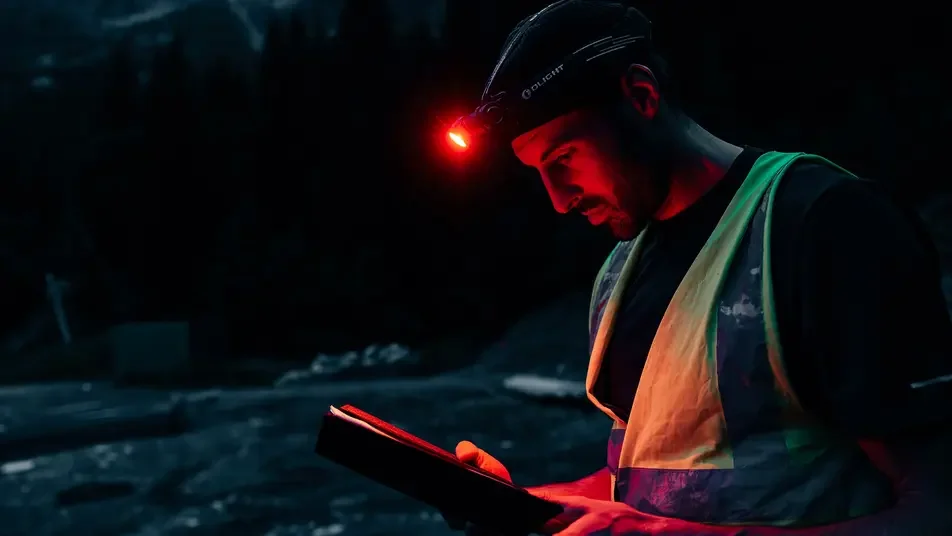
For task-oriented activities, a headlamp is indispensable. Whether you are setting up a tent after dark, preparing a meal, or navigating a trail to the amenities block, hands-free operation increases efficiency and safety. High-quality headlamps offer adjustable tilt, multiple beam widths (flood vs. spot), and a red-light mode to preserve night vision.
Ambient String Lights & Strip Lights
Ambient lighting has gained popularity among "glamping" enthusiasts. USB-powered LED string lights or flexible light strips provide a soft, low-intensity glow that illuminates a large perimeter without the harshness of a high-power lantern. These are effective for marking guy-ropes to prevent tripping and creating a relaxed atmosphere around the campsite.
Key Features to Consider Before Buying
Before purchasing new equipment, evaluate these technical parameters to ensure the gear meets your specific environmental requirements.

Brightness (Lumens) & Adjustability
Lumens measure the total amount of visible light emitted by a source. For camping, more lumens are not always better. High-intensity beams (over 1,000 lumens) are useful for search and rescue or long-distance spotting, but they can be blinding in close quarters.
- 1-50 Lumens: Sufficient for reading inside a tent or low-level ambient lighting.
- 100-300 Lumens: Ideal for general campsite tasks and walking around the camp.
- 500+ Lumens: Required for illuminating large open areas or navigating difficult terrain.
Always prioritize lights with dimming capabilities or multiple discrete modes to adapt to different scenarios.
Power Sources: Rechargeable vs. Solar
The choice of power source affects both convenience and sustainability.
- Rechargeable (Lithium-ion): These are the most common in 2026. USB-C charging allows for fast replenishment from portable power stations or vehicle outlets. They offer high energy density and consistent performance.
- Solar: Solar-integrated lights are excellent for long-term stationary camps. However, they rely on weather conditions and generally have slower charge rates. Solar is best used as a secondary or emergency backup.
- Traditional Batteries: While less eco-friendly, alkaline or lithium AA/AAA batteries are useful in remote areas where recharging is impossible, as spares can be carried easily.
Durability & Waterproof Ratings
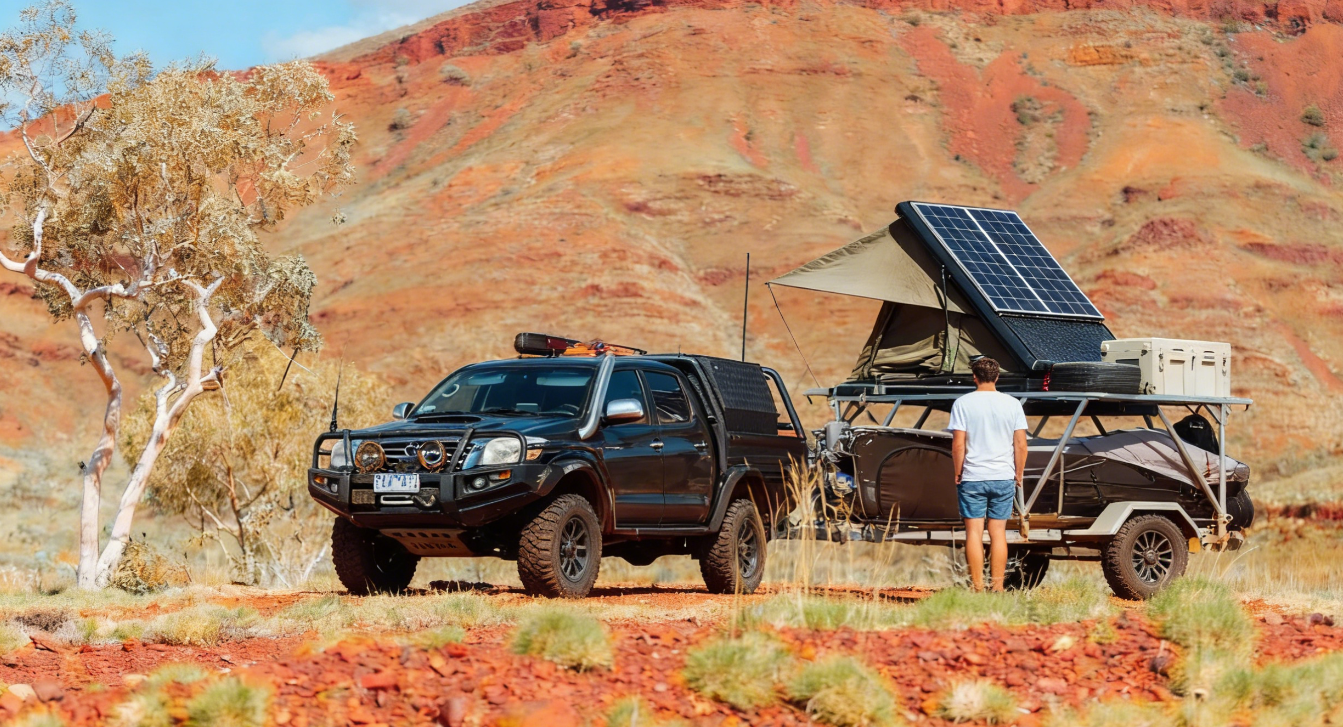
Outdoor gear must withstand dust, drops, and moisture. Look for the Ingress Protection (IP) rating:
- IPX4: Resistant to water splashes from any direction (suitable for light rain).
- IPX6: Resistant to high-pressure water streams.
- IPX8: Waterproof and submersible (essential for kayaking or extreme weather).
Shock resistance is also critical. Ensure the device is rated for at least a 1-metre drop onto hard surfaces.
Top Recommendations by Camping Style
Different camping styles require specific lighting solutions. Below are high-performance options tailored to various outdoor activities.
Best Overall for Family Camping
Family camping requires a balance of high output and ease of use. A combination of a large-capacity base lantern and several small, portable torches for children is recommended. Look for units that feature a "warm white" mode to make the campsite feel more welcoming.
Best Lightweight Option for Backpackers
For backpackers, every gram counts. The Baton 4 Premium Edition Rechargeable EDC Torch is an elite choice for weight-conscious adventurers.

| Feature | Specification |
|---|---|
| Max Performance | 1,300 lumens |
| Weight | 52.5 g |
| Battery | 5,000mAh (Charging Case) |
| Waterproof | IPX8 |
| Beam Distance | 170 metres |
The Baton 4 features a unique wireless charging case that can charge the torch up to five times, providing an incredible 30-day runtime in "moon" mode. Its compact size (63 mm length) makes it an ideal backup or primary light for hikers.
Best Multi-Functional Light with Power Bank
For those who need versatility and specialized functions, the ArkPro Series Flat Led Torch offers a multi-source lighting solution in a rugged, slim form factor.

| Feature | Specification |
|---|---|
| Max Performance | 1,500 lumens |
| Light Sources | Flood, Spotlight, UV, Green Laser |
| Waterproof | IPX7 |
| Beam Distance | 205 metres |
| Charging Type | USB-C / MCC |
The ArkPro is particularly useful for campers who need more than just white light. The integrated UV light is effective for inspecting gear or identifying certain minerals/insects, while the green laser aids in pointing out landmarks or constellations. Its 1,500-lumen floodlight provides exceptional area coverage.
Pro Tips for Campsite Lighting
Maximizing the utility of your lights involves more than just turning them on. Follow these professional tips to improve your experience.
Avoiding Insects with Warm Light Modes
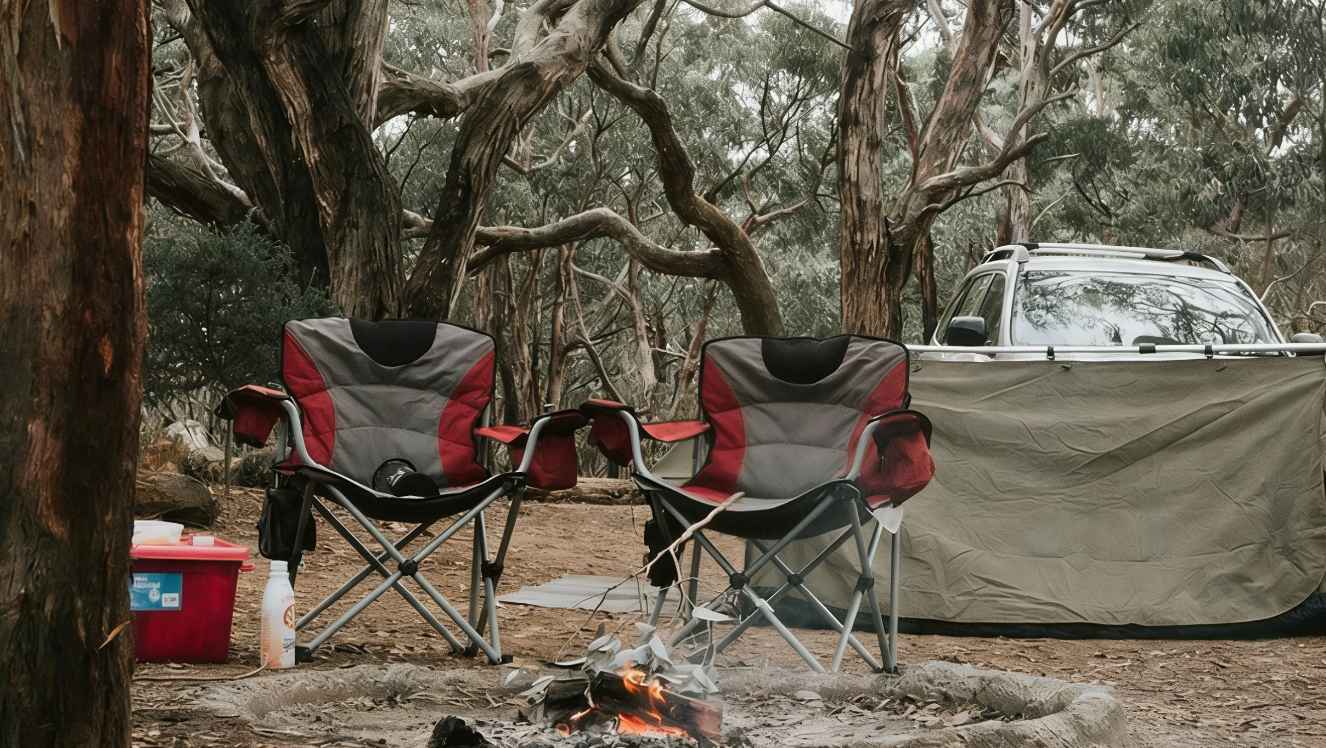
Most insects are attracted to the shorter wavelengths of blue and "cool white" light. By using "warm white" or yellow light modes (which have longer wavelengths), you can significantly reduce the number of bugs swarming your light source. If your light has a red-light mode, use it for late-night tasks to minimize insect attraction and keep your eyes adjusted to the dark.
Battery Conservation on Long Trips
To extend the runtime of your devices during multi-day trips:
- Use the lowest brightness setting necessary for the task.
- Turn off lights immediately when not in use.
- Keep batteries warm in cold climates; extreme cold can reduce lithium-ion efficiency. Store your torch inside your sleeping bag if temperatures drop below freezing.
- Utilise the "Lockout" mode on torches like the Baton 4 or ArkPro to prevent accidental activation in your pack.
FAQ: Common Questions About Camping Lights
How many lumens do I need for camping?
For a typical campsite, 100 to 300 lumens is sufficient for most activities. If you are navigating trails or need to light up a large clearing, look for a device capable of 1,000+ lumens.
Are solar camping lights worth it?
They are worth it as secondary lights or for long-term camps where you have consistent sun exposure. However, for primary lighting, a USB-rechargeable system is more reliable as it can be charged from a vehicle or power bank regardless of the weather.
How do I store lithium-ion camping lights?
If you are not using your lights for an extended period, store them with approximately 40% to 60% charge. Avoid storing them fully depleted or at 100% charge for months, as this can degrade battery health. Store them in a cool, dry place and check the charge every three months.
By understanding the technical requirements and selecting the appropriate gear, such as the Baton 4 Premium Edition Rechargeable EDC Torch for portability or the ArkPro Series Flat Led Torch for versatility, you ensure your 2026 camping adventures remain safely illuminated.