TL;DR: The most reliable family camping lighting kit for four people balances personal visibility with ambient camp illumination. Equip each family member with an individual, hands-free head torch featuring a dedicated red-light mode, add one high-efficiency 360-degree lantern for the picnic table, keep one low-lumen night light inside the tent, and unify everything around magnetic or USB-C rechargeable batteries. This eliminates battery waste, simplifies campsite management, and keeps night walks safe.
| Camp Lighting Zone | Recommended Gear | Ideal Lumens | Primary Purpose |
|---|---|---|---|
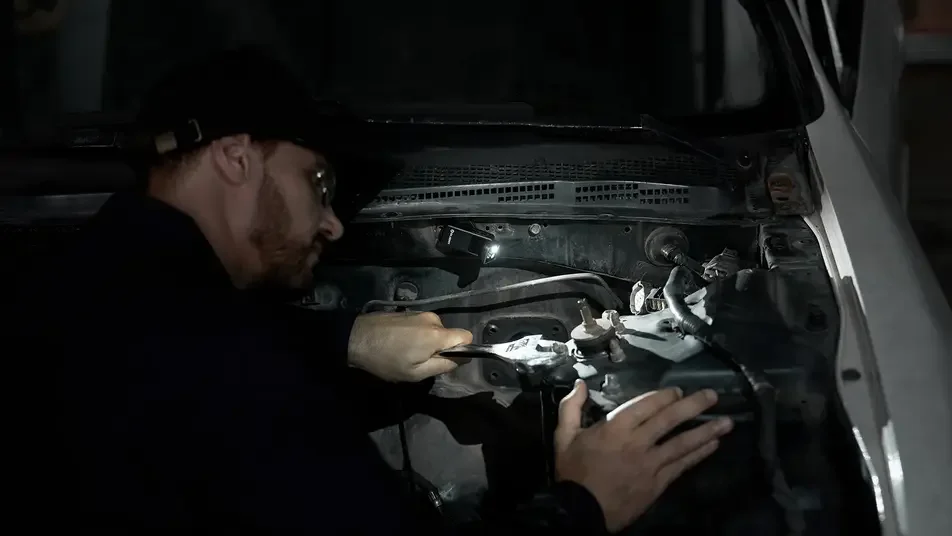
| Personal (x4) | Compact Head Torches (e.g. Perun 2 Mini) | 15 – 250 lm (Red Mode: 40 lm) | Hands-free toilet trips, bush walking, cooking |
| Campsite & Table | 360° Diffused LED Camp Lantern | 150 – 500 lm | Meal prep, dining, board games without glare |
| Tent Interior | Low-Lumen Diffused Light / Amber Glow | 2 – 30 lm | Bedtime reading, soothing night light for kids |
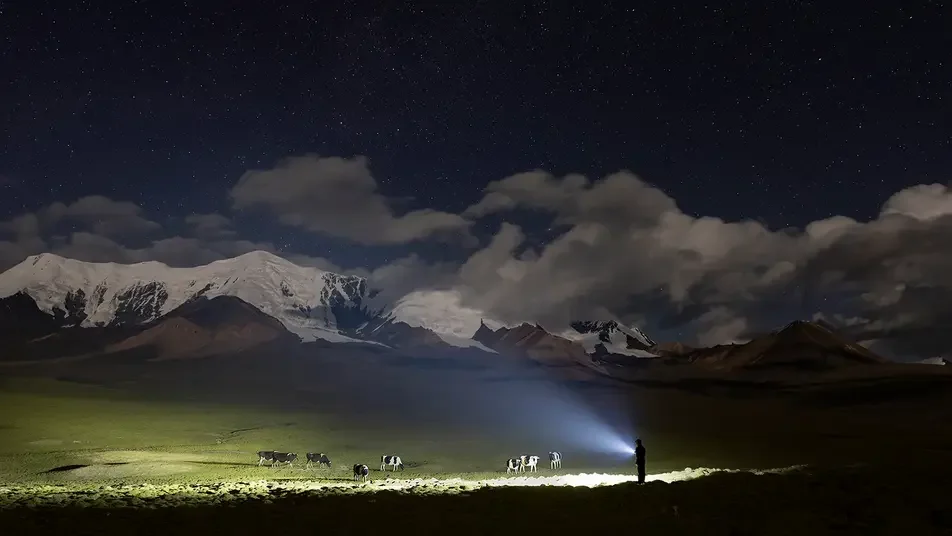
| Backup / Search | High-Output Handheld EDC Torch | 500 – 1,100+ lm | Perimeter checks, nocturnal wildlife spotting |
Planning an outdoor getaway across Australia requires durable, dependable equipment, and choosing the best camping gear for families starts with getting your illumination right. When dusk settles over an unpowered bush campsite, inadequate lighting quickly leads to misplaced gear, stubbed toes on tent pegs, and distressed children navigating dark amenities blocks. This comprehensive guide outlines the exact gear configurations, lumen requirements, child-safety standards, and power maintenance protocols needed to build a seamless family lighting setup that withstands the Australian elements.
- 1. Quick answer: one head torch per person, one main lantern for the table, one dim tent light and a single charging routine
- 2. Counting lights: who needs what in a family of four or five?
- 3. Colour-coding and naming: how do you stop the nightly torch hunt?
- 4. The table, the tent and the toilet block: three light zones for families
- 5. Kid-proofing: drop resistance, simple switches, sealed batteries and ACCC button cell rules
- 6. Charging five lights over a long weekend
- 7. A family lighting kit by budget in AUD including GST
- 8. Frequently asked questions
Quick answer: one head torch per person, one main lantern for the table, one dim tent light and a single charging routine
The baseline rule for stress-free family camping is simple: individual mobility requires individual lights, while shared living spaces require diffused ambient sources. When assembling the best camping gear for family of 4, never rely on a single shared mega-lantern. If someone walks to the camp kitchen or amenities block with the only light source, the rest of the campsite is plunged into darkness.
A complete family lighting setup consists of four dedicated head torches (one per parent and child), one warm diffused table lantern for communal dining, and one ultra-low-lumen lantern or moonlight-mode torch hung inside the sleeping quarters. By anchoring this kit with rechargeable batteries powered by a unified power bank system, you ensure zero battery runs to remote petrol stations during your holiday.
Counting lights: who needs what in a family of four or five?
When packing for a family of four (two adults, two children) or five, lighting requirements must be allocated based on campsite roles rather than random packing. Adults handle technical tasks such as striking pegs, lighting gas burners, and slicing food, demanding versatile lights with wide flood beams and reliable burst outputs. Children require lightweight, straightforward lights that keep their hands free for climbing steps or balancing walking poles.
- Adults (2 Head Torches): Require variable outputs ranging from 15 lumens for close-up tasks to 250+ lumens for perimeter surveillance, paired with a distinct red-light mode to prevent blinding each other during conversation.
- Children (2 to 3 Head Torches): Require compact, featherweight units (under 60g) with simple one-click operations and secure, washable headbands that do not slip over beanies.
- Communal Area (1 Main Lantern): Positioned at the picnic table or under the awning, delivering 200–400 lumens of glare-free 360-degree light.
- Tent Haven (1 Low-Output Light): A dedicated night light running at 2 to 10 lumens that can stay illuminated overnight without disturbing deep sleep cycles.
Colour-coding and naming: how do you stop the nightly torch hunt?
At family campsites, gear displacement is constant. When every family member has an identical black headlamp, evening routines stall as parents try to figure out whose battery is depleted or who left their torch in the camp kitchen. Implementing a structured identification system eliminates this friction entirely.
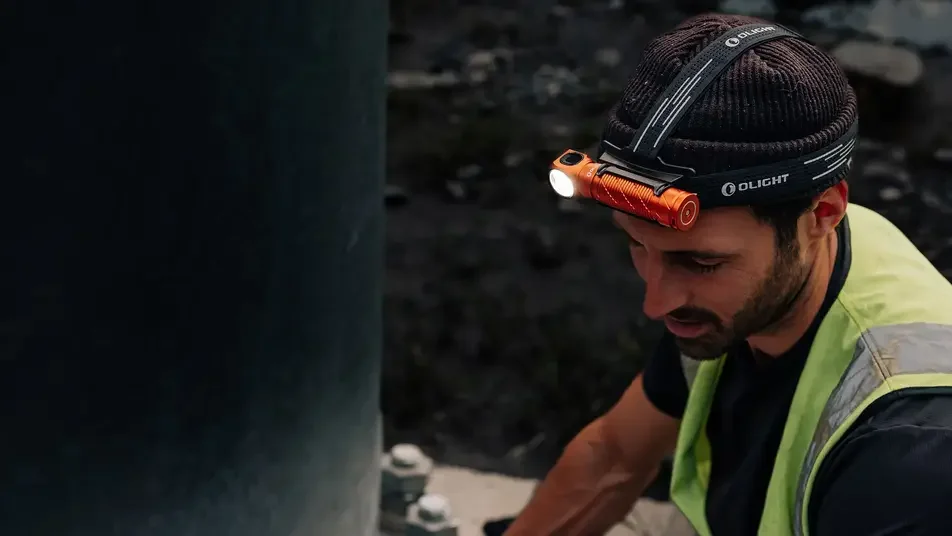
Select multi-body colour variants for your headlamps (such as Lime Green, Orange, and Classic Black) or use coloured silicone bands to give each child ownership of their device. Assigning distinct colours establishes personal accountability for returning gear to the central charging station each morning. Custom laser engraving or reflective name tags attached to headbands also ensure misplaced units are quickly returned by fellow campers in busy holiday parks.
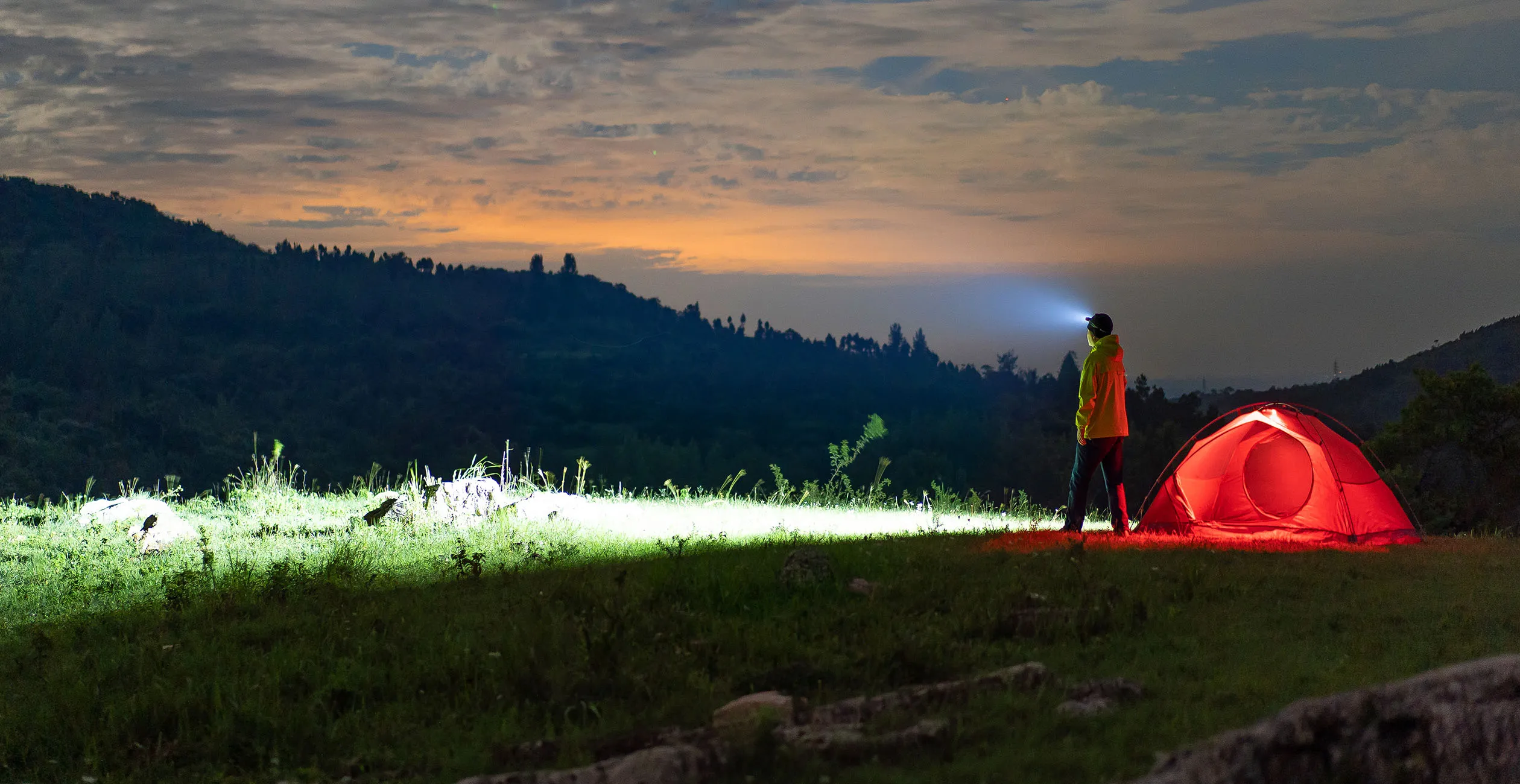
A well-balanced lighting layout keeps the campsite functional and welcoming after sunset. The table, the tent and the toilet block: three light zones for families
Managing a family campsite requires tailoring brightness and beam distribution to specific activity zones. According to outdoor camping guidelines across national parks in Australia, excessive glare disrupts local wildlife and neighbouring campers (Source: Parks Victoria Outdoor Regulations). Structuring your campsite into three dedicated lighting zones solves this problem:
1. The Table & Camp Kitchen (Warm, 360-Degree Flood)
Cooking on a portable stove and eating meals requires 150 to 300 lumens of warm-toned (2700K–3500K) diffused illumination. Cold white spotlights mounted directly over food create intense shadows and attract flying insects. Suspend a frosted lantern roughly 1.5 to 2 metres above the table or use magnetic-base torches mounted to gazebo struts to create an even, relaxing dining space.
2. The Tent Interior (Subdued Moonlight / Ambient Warmth)
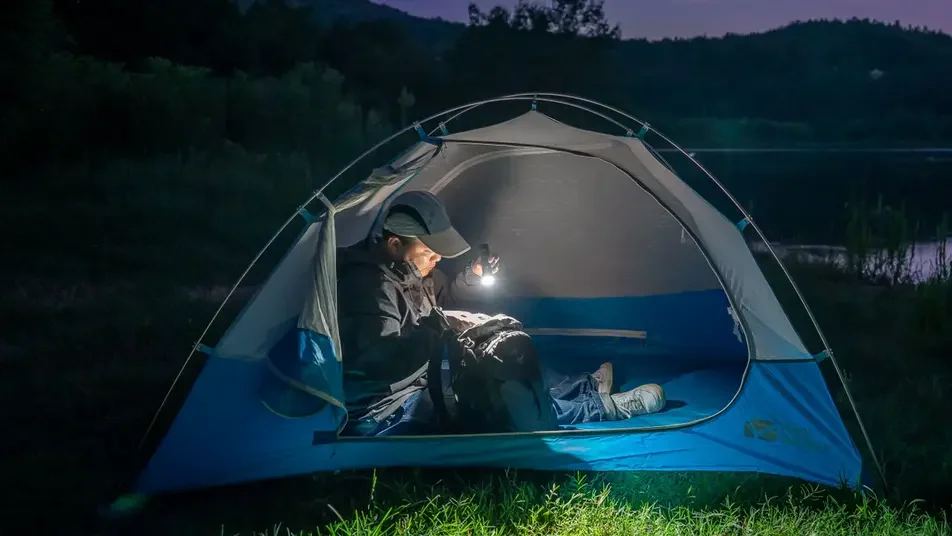
Inside sleeping quarters, bright white beams destroy melatonin production and blind sleeping tent-mates. Keep a dedicated low-lumen light (2 to 15 lumens) suspended from the central gear loft loop. Torches equipped with a true Moonlight Mode (such as 2 lumens) can run continuously throughout the night, reassuring younger children who fear total darkness without draining the primary battery cell.
3. The Toilet Block & Trail Path (Focused Directional Beam)
Navigating unpaved gravel tracks, tree roots, and wildlife hazards (such as nocturnal spiders or snakes) on the way to the amenities block requires forward beam projection of 30 to 60 metres (60 to 150 lumens). Headlamps keep hands completely free to hold small hands or carry wash bags, while a red-light secondary mode preserves night vision when returning to a dark tent.
Kid-proofing: drop resistance, simple switches, sealed batteries and ACCC button cell rules
Family gear experiences rough handling. Torches get dropped onto river rocks, left in damp grass overnight, and stepped on inside swags. When selecting lighting gear for children, prioritize an IPX8 waterproof rating and a minimum 1.5-metre drop resistance built from aerospace-grade aluminium alloy rather than brittle plastic housings.
Safety standards are equally critical. In Australia, the Australian Competition and Consumer Commission (ACCC) enforces strict mandatory safety standards for consumer goods containing button and coin batteries (Source: ACCC Button Battery Safety Standards). Cheap novelty torches often use accessible coin cells that present severe ingestion risks to toddlers. Opt for lights with secure, tool-secured compartments or fully sealed rechargeable lithium-ion cells that prevent accidental child access while providing superior runtimes.
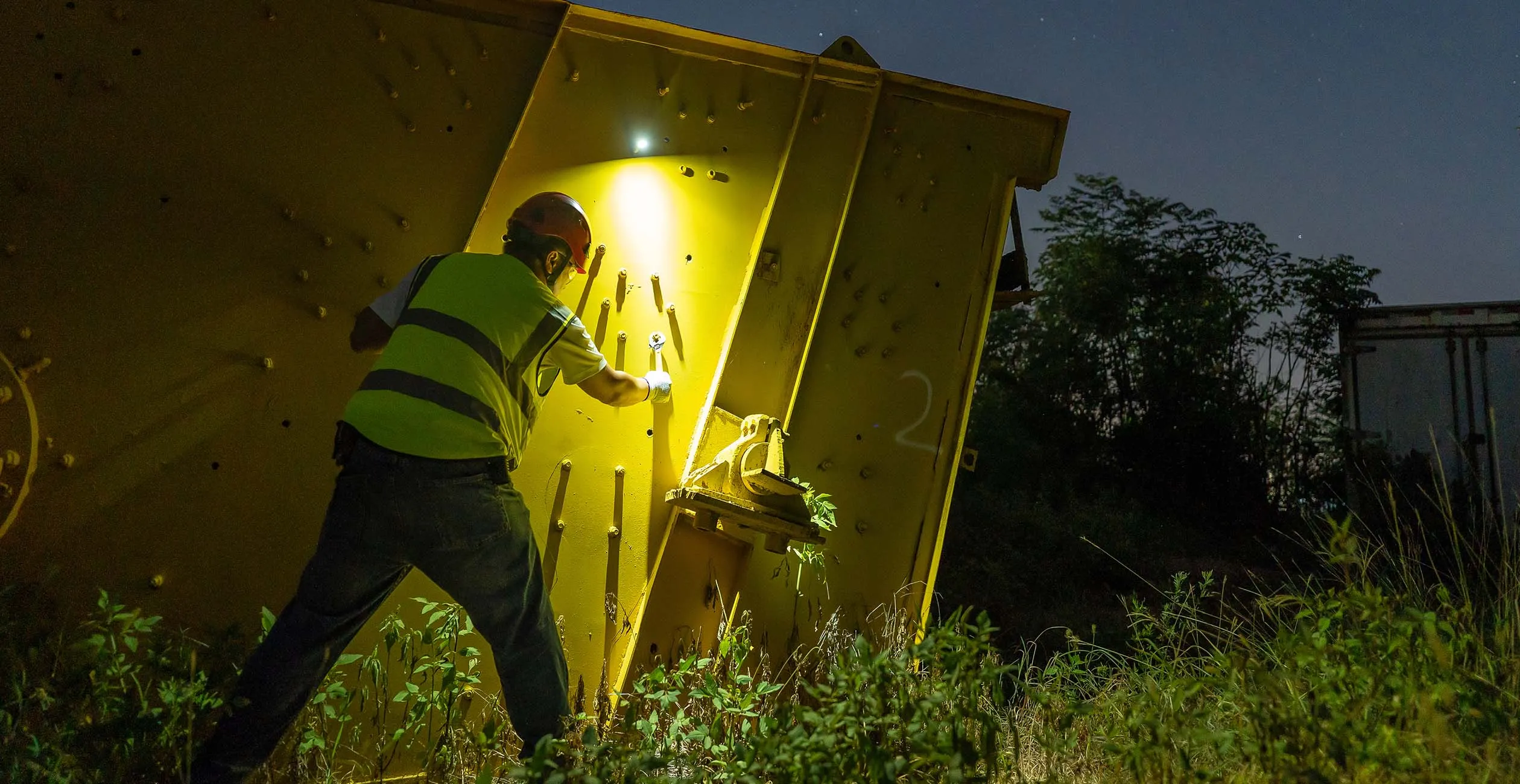
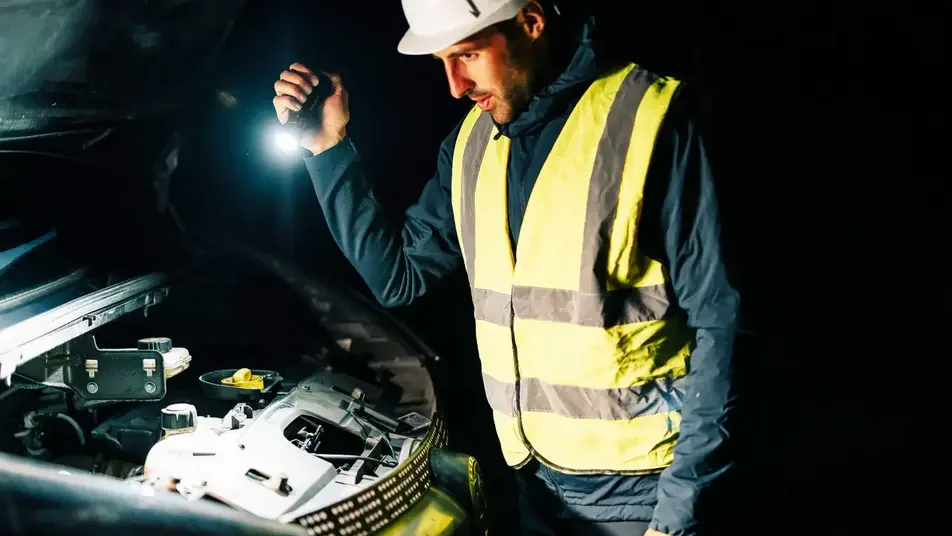
Heavy-duty construction ensures head torches handle rugged drops, unexpected rain, and demanding tasks. Charging five lights over a long weekend
Managing power for five or six lighting devices on a three-to-four-day unpowered trip requires a systematic approach. Discard disposable alkaline batteries, which perform poorly in cold conditions and create hazardous environmental waste (Source: DCCEEW Australian Waste Management Guidelines).
Adopt a single, unified charging protocol. Carry one rugged 20,000mAh external power bank with multi-port outputs or utilize a 12V vehicle socket during daytime driving excursions. Establish a daily camp habit: immediately after breakfast, collect all headlamps and lanterns, connect them to magnetic charging cables or USB-C hubs, and allow them to top up before afternoon activities. Torches featuring tri-colour battery level indicators (Green >60%, Orange 10–60%, Red <10%) allow you to check readiness at a single glance.
A family lighting kit by budget in AUD including GST
Building an effective family camping lighting kit can be tailored to various investment levels. Below is an indicative budget breakdown designed for Australian families, incorporating genuine quality gear with Australian GST included:
Kit Tier Included Gear & Allocation Estimated Cost (AUD inc. GST) Best Suited For Essential Starter Kit 4x Entry Rechargeable Headlamps + 1x Compact Hanging Area Lantern $180 – $260 AUD Occasional summer weekend campers & holiday parks Pro Bush Camper Kit 4x Olight Perun 2 Mini Head Torches + 1x Multi-Mode Lantern + 1x High-Capacity Power Bank $380 – $520 AUD Frequent unpowered bush campers & 4WD tourers Expedition Family Kit 4x Premium Headlamps + 2x Smart Table Lanterns + 1x High-Power Searchlight + Solar Charging Hub $650 – $900+ AUD Extended outback touring & remote off-grid expeditions Frequently asked questions
Why is red-light mode so important for family camping headlamps?
Red-light mode preserves natural rhodopsin in the human eye, preventing night blindness when talking face-to-face across a camp table. It also avoids dazzling family members inside a tent and is significantly less attractive to nocturnal flying insects than high-intensity white light beams.
How many total lumens do we need around a family campsite?
A family of four requires a combined active output of approximately 400 to 800 lumens across all devices. For individual tasks and walking, 15 to 100 lumens per head torch is ideal. For central table dining, 150 to 300 lumens from a diffused lantern provides ample visibility without light pollution.
Are rechargeable magnetic torches safe for children to use?
Yes. Quality magnetic rechargeable torches like the Olight Perun 2 Mini feature securely enclosed battery compartments that prevent child tampering, aligning with strict Australian ACCC consumer safety principles. The magnetic snap-on charging base is simple enough for young children to connect without damaging USB ports.