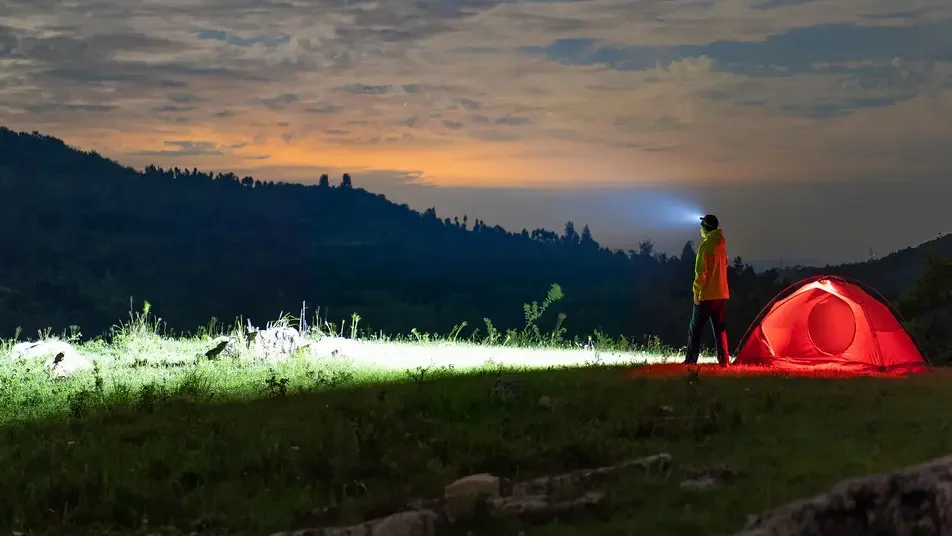
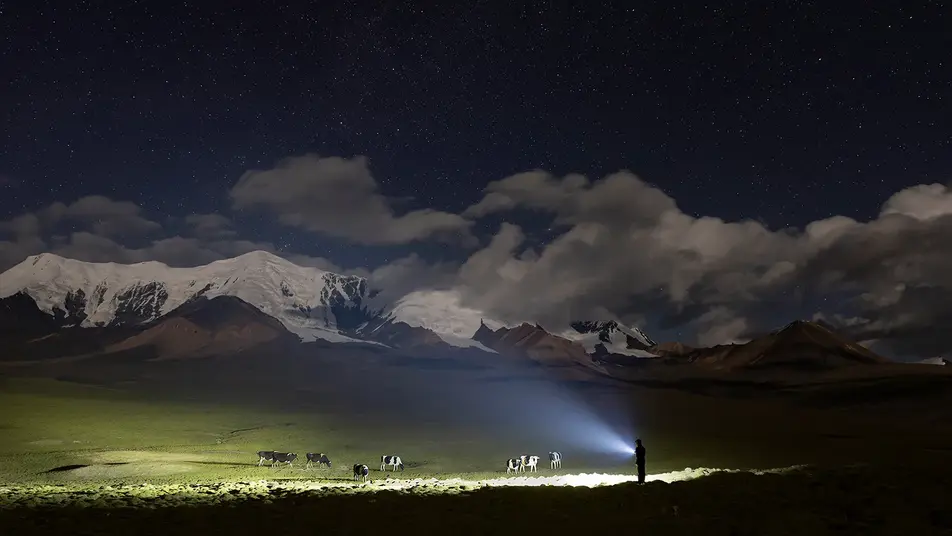
TL;DR: Selecting the best head torch for Australian bush camping requires balancing a 300–600 lumen output with an ultra-low moonlight mode to preserve night vision and comply with dark-sky standards. Equipping your kit with versatile, USB-C rechargeable units like the Oclip 2 Pro and Perun 3 ensures reliable illumination across rugged 40°C summer heat and multi-night off-grid conditions.
| Scenario | Model | Peak Throw / Candela / Lumens | Weight (with battery) | Charging Format | Key Trade-off |
|---|---|---|---|---|---|
| Camp Kitchen & Tent Setup | Oclip 2 Pro | 125m / 3,900cd / 530lm | 49 g | USB-C & Magnetic | Shorter max throw than dedicated heavy-duty throwers |
| Multi-Night Track Navigation | Perun 3 | 190m / 9,025cd / 3,000lm | 122 g | MCC3 Magnetic / USB-C | Slightly heavier footprint for ultra-light minimalists |
Heading into the Australian bush demands reliable lighting tested against ANSI/NEMA FL1 standards and tailored to unique backcountry challenges. Whether navigating uneven tracks littered with eucalyptus roots, managing nocturnal wildlife encounters, or working around communal national park campgrounds under strict environmental guidelines, an overpowered or poorly regulated light can ruin an evening. This comprehensive guide details exact mode requirements, lumen thresholds, and battery estimation models to help you identify the best headlamp for camping under rugged Australian conditions.
Table of Contents
- 1. Quick Answer: 300–600 Lumen Balanced Performance
- 2. Sunset to Lights-Out: Matching Modes to Chores
- 3. How Bright Is Too Bright Around Shared Campsites?
- 4. Red Light at Camp: Night Vision vs Safety
- 5. Battery Planning for Three Nights Off-Grid
- 6. Keeping Gear Dry, Dust-Free, and Pest-Protected
- 7. What to Do if Your Headlamp Fails at 2 AM
- 8. Frequently Asked Questions
Quick answer: a 300–600 lumen head torch with a low first mode, red light and USB-C charging covers most bush camps
While marketing often celebrates multi-thousand-lumen outputs, bush campers rarely need such blinding power. In reality, an all-around headlamp for camping should produce between 300 and 600 lumens at its ceiling. This provides enough throw to locate track markers or survey tree canopies without incurring excessive thermal throttling or deadweight battery packs.
Crucially, usability hinges on the low-output spectrum. A moonlight or low mode delivering 1 to 10 lumens lets you check sleeping bags or read without waking companions. When paired with modern USB-C charging—supported universally across contemporary power banks—and a dedicated red emitter, this balanced configuration reliably covers Australian bush exploration.
Sunset to lights-out: which mode suits pitching, cooking and the loo run
Camp chores demand distinct beam profiles and intensity levels. Setting up a tent or driving pegs in twilight calls for an even, broad floodlight between 50 and 100 lumens. Concentrated spot beams create high contrast and harsh shadows that impede depth perception when pegging out guy lines or tensioning canvas.
Cooking near open swags or camp stoves requires wide dispersion so you can monitor burner flames and food hygiene without a blinding central hot spot reflecting off stainless steel cookware. Conversely, taking a late-night walk toward camp facilities demands a mixed beam of 100 to 300 lumens to illuminate both immediate foot placement and perimeter ground where venomous snakes or spiders may shelter.

Oclip 2 Pro Clip Light
A versatile 3-in-1 lighting tool offering a 530-lumen floodlight, 125-metre spotlight, and dedicated red mode. Its heavy-duty clip, magnetic base, and multi-axis articulation make it ideal for camp kitchens, tent poles, and hat brims.
- Max Performance: 530 lumens / 3,900 cd
- Beam Distance: 125 metres max throw
- Articulation: 115° head tilt and 360° rotating clip
- Weather Resistance: IP66 rating with 2 m impact resistance
How bright is too bright around shared campsites?
Artificial light at night presents severe issues in remote parks. Blasting hundreds of lumens into communal camping areas causes glare disability, disrupts fellow campers' sleep cycles, and creates unnecessary light pollution that masks natural nightscapes.
Responsible bush etiquette dictates keeping main camp lighting below 50 lumens unless an urgent task requires broader illumination. Tilting lamp heads downward toward the ground prevents beam scatter from penetrating nearby swags and tents. The Australasian Dark Sky Alliance emphasizes that reducing excessive artificial light preserves night habitats and minimizes behavioral disruptions in native wildlife (Source: Australasian Dark Sky Alliance: Wildlife and Light Pollution Resources).
Red light at camp: when it helps and when white is safer
Red light is prized because human rod photopigments are relatively insensitive to long-wavelength red photons. Operating a red emitter between 4 and 40 lumens allows you to consult star charts, read trail notes, or walk within camp without resetting dark adaptation, which takes up to thirty minutes to recover after bright white exposure.
Scientific evidence from the Sleep Health Foundation notes that short-wavelength blue-white light suppresses melatonin synthesis, impairing normal sleep onset after evening activities (Source: Sleep Health Foundation: Light and Sleep Guidelines). Using soft red light before turning in prevents circadian disruption.
However, red light has critical limitations. It flattens visual depth and obscures color rendition. Identifying venomous wildlife—such as distinguishing an eastern brown snake from harmless bark, or spotting an approaching bull ant nest—demands high-CRI white light. While hiking along unformed bush paths or performing first aid, switch to white illumination for situational safety.
Battery planning for three nights off-grid: runtime maths you can do at home
Estimating power consumption prevents dangerous mid-trip blackouts. An average night around a remote campsite involves approximately 2.5 hours of active lighting:
- Cooking & camp clean-up: 60 minutes at 50–100 lumens
- Tent organisation & reading: 60 minutes at 1–10 lumens
- Evening perimeter checks: 30 minutes at 100–250 lumens
Over three nights, total active operational runtime reaches roughly 7.5 hours across moderate outputs. For extended unassisted expeditions, multi-use right-angle torches like the Perun series paired with dedicated mounting accessories allow hands-free operation while supporting quick battery swaps or rapid magnetic top-ups between night shifts.

Perun 3 Headlamp
Built for demanding off-grid hikes, the Perun 3 delivers up to 3,000 lumens with a max throw of 190 metres. Featuring dual white and red illumination modes, it transitions seamlessly from a high-power trail headlamp to a magnetic work light.
- Max Performance: 3,000 lumens / 9,025 cd
- Beam Distance: 190 metres max throw
- Weight: 122 g (including battery and strap)
- Power System: High-capacity rechargeable battery with MCC3 / USB-C
| Output Level | Typical Lumen Range | Daily Usage | 3-Night Energy Need |
|---|---|---|---|
| Moonlight / Red Low | 1–4 Lumens | 60 mins | Minimal (~5% cell capacity) |
| Medium Flood | 80–120 Lumens | 60 mins | Moderate (~60% cell capacity) |
| High / Track Scan | 250–500 Lumens | 30 mins | High (~40% cell capacity) |
Keeping a head torch dry, dust-free and away from ants overnight
The Australian backcountry subjects electronics to fine red bullust, heavy river-valley dew, and invasive insects. Leaving your light sitting on an outdoor camp table overnight exposes it to heavy condensation and hungry nocturnal ants drawn to salt residues on the headband fabric.
Opt for an IP66 or IP68 rated torch body built with sealed charging ports or magnetic connectors that keep fine grit out of internal contacts. When retiring to your swag or tent, clip your headlamp to an internal gear loop or store it inside an inner tent pocket. This protects electronic switches, isolates damp headbands, and ensures instant accessibility if you wake to unexpected noises.
What should you do if the head torch dies at 2am?
Waking up in total darkness with a depleted battery is a safety hazard. NSW National Parks and Wildlife Service urges bushwalkers and campers to carry secondary backup lights and plan for self-rescue scenarios in remote parks (Source: NSW National Parks: Bushwalking and Outdoor Safety Guidelines).
Always store a secondary, lightweight backup light in the exact same pocket of your rucksack or roof-top tent organizer. If forced to troubleshoot in darkness, use your phone display merely to locate your backup torch or power bank. Familiarise yourself with your torch's physical lock-out mechanism before departure to prevent accidental pack discharge during transit.
Frequently asked questions
Does a red light mode spook Australian wildlife or nocturnal pests during camp setups?
No, operating a red emitter between 4 and 40 lumens preserves your dark adaptation while causing minimal disruption to most native fauna compared to harsh white beams. However, for identifying dangerous ground hazards like eastern brown snakes or funnel-web spiders in open paddocks or bush camps, switching to a low-CRI white flood mode is always recommended for safety.
How long does the Perun 3 run on medium mode during a three-night off-grid trip?
The Perun 3 provides sustained runtimes designed for multi-night excursions. When utilized on medium flood outputs (80–120 lumens) for roughly one hour each evening for cooking and camp chores, it comfortably lasts over three consecutive nights without requiring a recharge, utilizing its high-capacity battery cell and efficient thermal regulation.
What is the best head torch for camping across Aussie bush sites?
The best head torch balances a 300–600 lumen output ceiling with a dedicated moonlight mode and universal USB-C or magnetic charging. Models like the Oclip 2 Pro and Perun 3 excel in Australian conditions by offering dual flood/spot beam configurations, robust IP66 weatherproofing, and hands-free versatility.
How do ANSI/NEMA FL1 standards verify Olight runtime and throw accuracy?
ANSI/NEMA FL1 protocols standardize flashlight performance testing across the industry. They measure peak beam candela (determining throw distance in metres), total lumen output, and runtime duration until output drops to 10% of initial strength, ensuring that specifications cited for Olight products match real-world backcountry performance.