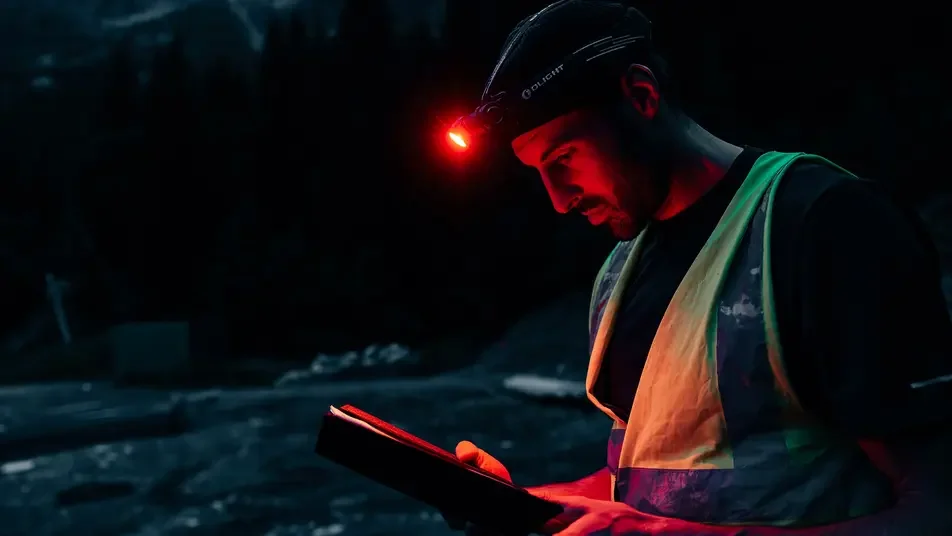
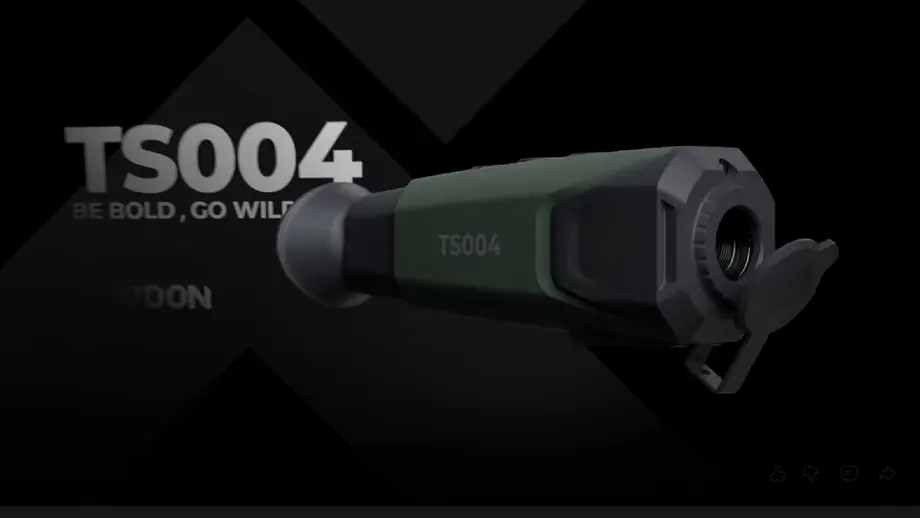
The landscape of night-time reconnaissance and outdoor exploration is changing. As we enter 2026, the demand for high-definition thermal optics has moved from specialized military use to the hands of dedicated hunters, hikers, and search teams. The TS004 Thermal Imaging Monocular represents this shift, offering professional-grade sensing technology in a portable format designed for the rugged Australian environment.
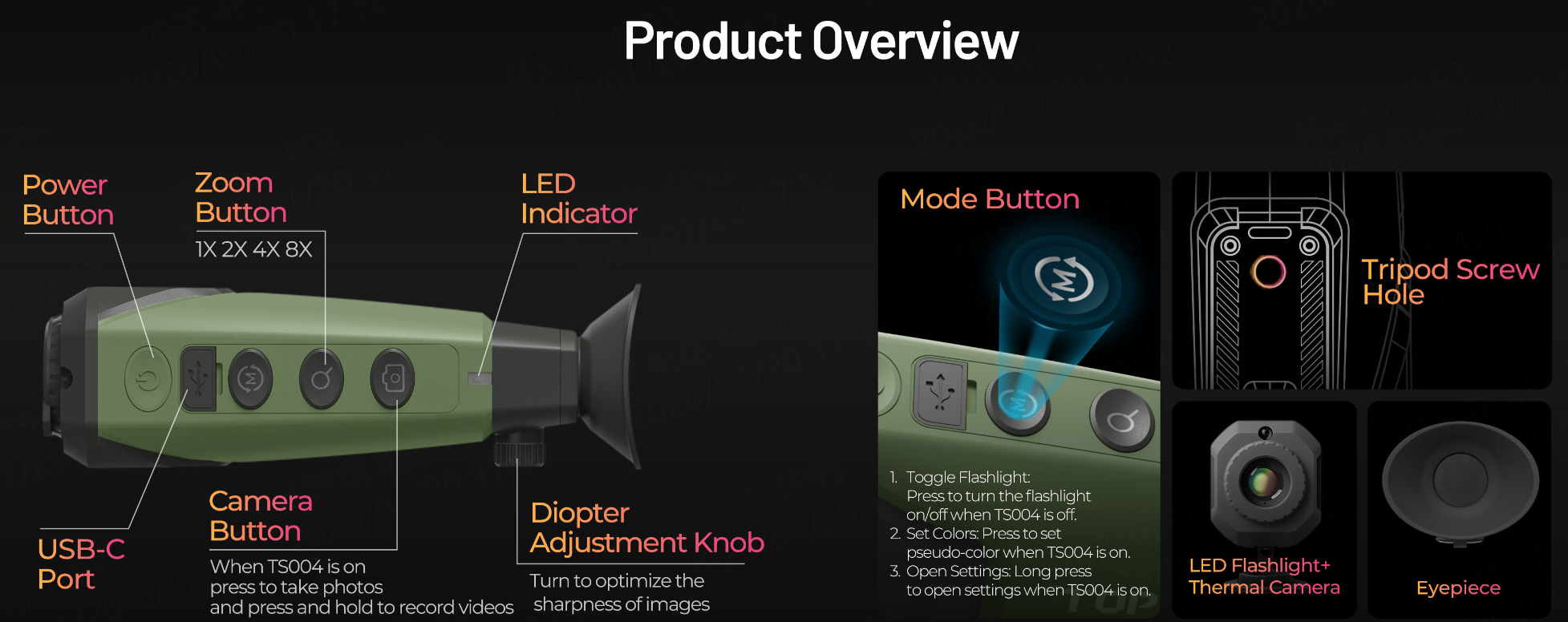
Effective field operations require more than just a heat signature. You need clarity, range, and reliability. This review breaks down why the latest thermal imaging monocular technology is setting a new standard for performance this year.
Quick Navigation
Unveiling the New Standard in Thermal Optics
Thermal imaging technology has evolved rapidly over the last decade. Early devices were bulky, low-resolution, and suffered from significant lag. The 2026 generation of the thermal imaging monocular solves these issues by integrating high-sensitivity sensors with advanced digital processing.
The TS004 focuses on three pillars of performance: thermal sensitivity, refresh rate, and ergonomic integration. When you operate in total darkness, your gear must translate temperature differences into a sharp, actionable image. This device utilizes a 12μm pixel pitch sensor, which allows for more detail and a longer detection range than older 17μm models.
Whether you are tracking feral pigs in the bush or conducting a search and rescue operation in dense scrub, the ability to distinguish between a heat source and its background is critical. The high thermal sensitivity (NETD <25mK) ensures that even in rain or fog, you can identify targets clearly.
Core Technical Specifications and Parameters
Precision gear requires precision data. Below are the core technical specifications for the TS004. These parameters define how the device performs under varying environmental conditions.
| Parameter | Specification |
|---|---|
| Sensor Resolution | 400 x 300 pixels |
| Pixel Pitch | 12μm |
| Thermal Sensitivity (NETD) | <25mK |
| Refresh Rate | 50Hz |
| Detection Range (Human) | Up to 1,000 meters |
| Objective Lens | 25mm / 35mm options |
| Display Type | 0.39-inch OLED |
| Digital Zoom | 1x, 2x, 4x, 8x |
| Battery Type | Replaceable 18650 Li-ion |
| Protection Rating | IP67 Waterproof |
Key Features for 2026 Field Operations
The TS004 includes several innovations that improve user experience during long field shifts.
High Refresh Rate for Fluid Tracking
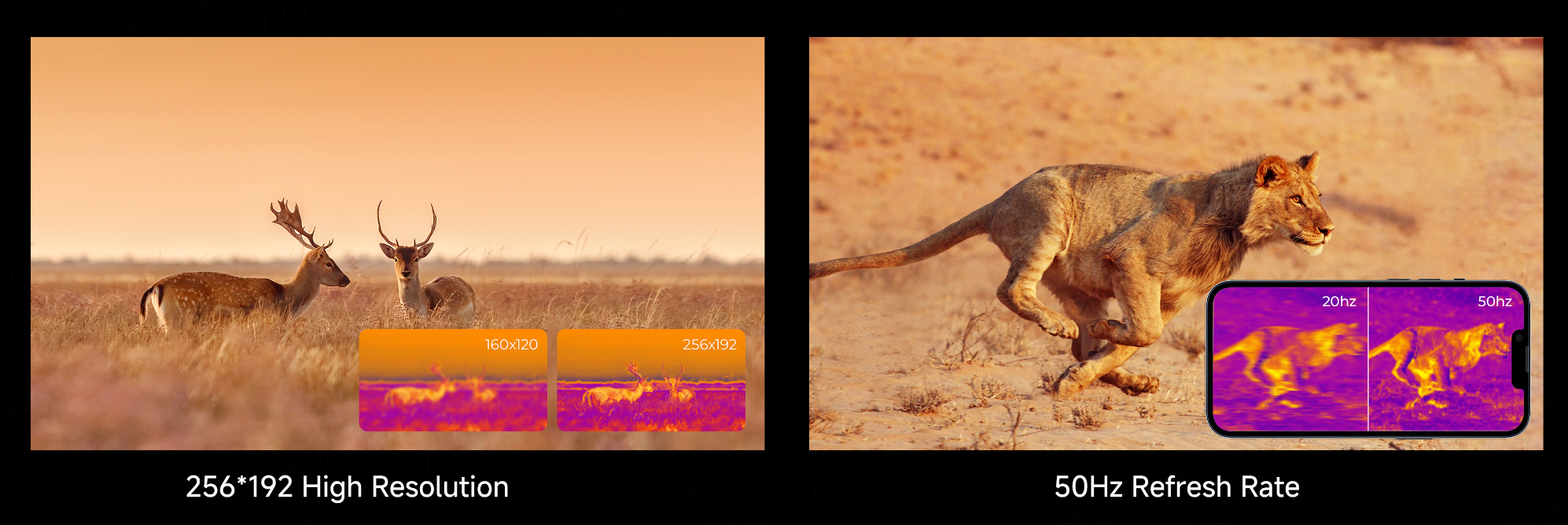
A 50Hz refresh rate is standard for 2026. This means the screen updates 50 times per second. Older devices often use 9Hz or 25Hz, resulting in "choppy" motion. With 50Hz, you can track fast-moving wildlife without motion blur, which is essential for accurate identification.
Advanced Digital Zoom and Image Processing
Modern image processing algorithms reduce graininess. Even when using the 4x or 8x digital zoom, the TS004 maintains a sharp edge around heat signatures. This allows for better long-distance spotting without needing a heavy, oversized lens.
Wireless Connectivity and Recording
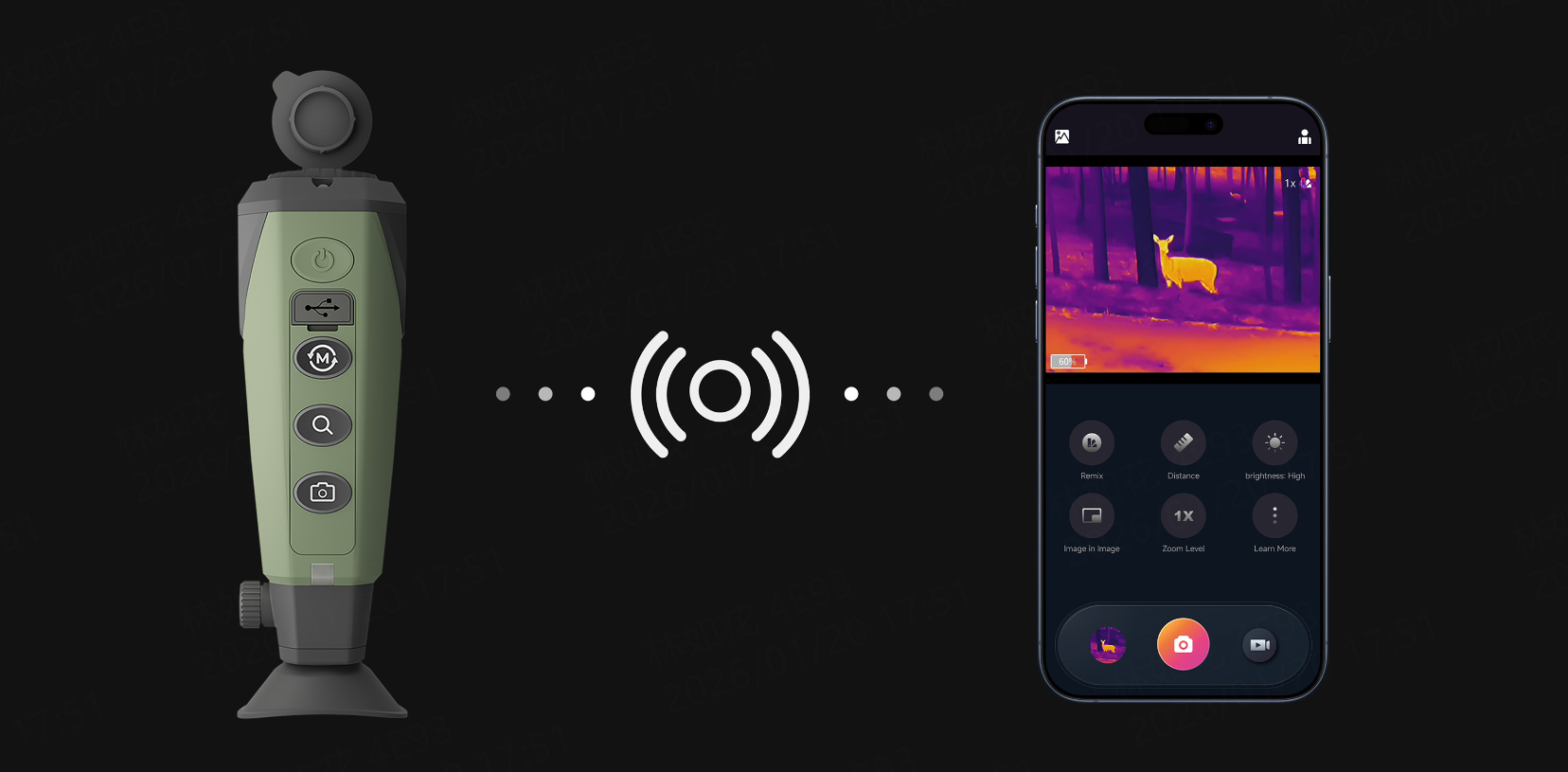
Documentation is a part of modern field operations. This device includes built-in Wi-Fi and internal storage. You can stream the thermal view directly to a smartphone or tablet. This feature is particularly useful for teams where one person observes while others coordinate their movements.
Practical Applications in the Australian Outback
The Australian environment presents unique challenges for thermal optics. High ambient temperatures during the day can make traditional thermal sensors struggle at dusk. However, the TS004 is calibrated for high-dynamic-range environments.
Pest Control and Hunting
Hunters targeting invasive species like foxes, rabbits, or goats benefit from the long detection range. You can spot an animal’s heat signature from several hundred meters away, well before it detects your presence. This allows for more ethical and efficient pest management.
Search and Rescue (SAR)
In emergency situations, time is a critical factor. A thermal imaging monocular can see through light foliage and identify a person's heat signature even when they are wearing camouflage or are obscured by darkness. This significantly reduces the time required to clear a search area.
Wildlife Observation
For researchers and enthusiasts, thermal imaging provides a non-intrusive way to observe nocturnal animals. You can watch natural behaviors without the need for bright white lights or infrared illuminators that might startle the wildlife.
Advanced Imaging Modes Explained
The TS004 offers multiple color palettes to suit different viewing conditions. Each mode serves a specific tactical purpose.
- White Hot: The most common mode. Heat sources appear white. It is ideal for general detection in open fields.
- Black Hot: Heat sources appear black. Many professional hunters prefer this mode for better detail on the animal’s body.
- Red Hot: Highlights the warmest parts of the image in red. This is excellent for quickly picking out a target in a complex environment.
- Iron Bow / Rainbow: Uses a spectrum of colors to show varying temperature gradients. This helps in identifying mechanical heat leaks or specific environmental features.

Durability and Battery Management
Field gear must survive drops, rain, and dust. The TS004 Thermal Imaging Monocular features an IP67-rated housing. It can withstand immersion in water up to one meter deep for 30 minutes. The exterior is coated in a non-slip rubber armor, providing a secure grip even when wearing gloves or when the device is wet.
Battery life is another critical factor. Many thermal devices use internal batteries that cannot be changed in the field. The TS004 utilizes a standard, high-capacity 18650 lithium-ion battery. This design allows you to carry spares and swap them out in seconds, ensuring you are never left without vision during an overnight operation.
Frequently Asked Questions
Can a thermal imaging monocular see through glass?
No. Thermal sensors detect infrared radiation (heat), which is reflected or blocked by standard glass. If you look at a window with a thermal device, you will likely see your own heat reflection rather than what is on the other side.
How does weather affect thermal performance?
Heavy rain or thick fog can scatter infrared radiation. While a thermal imaging monocular performs much better than standard night vision in these conditions, its effective range will decrease slightly during extreme weather.
What is the difference between night vision and thermal imaging?
Night vision requires some level of ambient light (like starlight or infrared) to amplify. Thermal imaging requires no light at all; it creates an image based entirely on heat. Thermal is superior for detecting hidden targets, while night vision is often better for identifying specific facial features or reading signs.
Conclusion
The TS004 Thermal Imaging Monocular is a powerful tool for anyone serious about nocturnal operations. By combining high-resolution sensors, a fluid 50Hz refresh rate, and a rugged build, it sets a clear benchmark for 2026.
Whether you are protecting livestock from predators, searching for a missing person, or simply exploring the Australian bush at night, this device provides the clarity you need. Invest in gear that extends your capabilities. The ability to see the invisible is no longer a luxury; it is a tactical necessity.