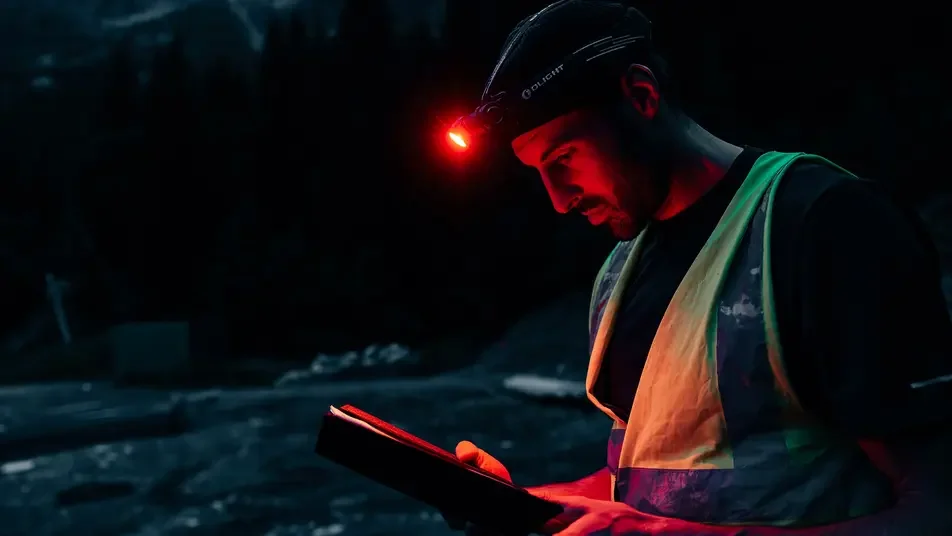

Effective lighting determines the safety and accuracy of any professional or DIY project. As we move into 2026, work light technology focuses on increasing site clarity through high-intensity LED chips, optimized thermal management, and versatile mounting options. Selecting the correct work light ensures that low-light environments do not hinder productivity or compromise safety standards. This guide provides a technical overview of modern work lighting solutions, helping users identify the specific features required for various professional and outdoor applications.
Table of Contents
- What Is a Work Light?
- Why a High-Quality Work Light Matters
- Types of Work Lights
- Key Features to Look for in a Work Light
- Best Use Cases for Work Lights
- How to Choose the Right Work Light for Your Needs
- Frequently Asked Questions About Work Lights
What Is a Work Light?
A work light is a high-intensity lighting tool designed specifically to illuminate a workspace rather than a long-distance path. Unlike standard flashlights that utilize reflectors to create a concentrated beam (hotspot) for distance, a work light typically employs COB (Chip on Board) LEDs or diffused lenses to produce a wide, uniform floodlight. This ensures even coverage over a specific area, such as an engine bay, a circuit breaker panel, or a construction site.
The primary difference lies in the beam pattern and mounting capabilities. Regular flashlights require handheld operation or a specific holster. In contrast, a work light often features integrated hooks, magnets, or adjustable stands to allow for hands-free operation. Professionals in industries such as automotive repair, HVAC maintenance, electrical engineering, and heavy construction rely on these tools to maintain visibility in enclosed or poorly lit areas. In 2026, the definition has expanded to include multi-functional devices that combine spotlighting for distance and floodlighting for task-specific work.

Why a High-Quality Work Light Matters
Investing in a professional-grade work light directly impacts project outcomes. High-quality lighting increases work efficiency by eliminating shadows that often lead to measurement errors or missed details. When a technician can see every fastener, wire color, and surface texture clearly, the time required to complete a task decreases significantly.
Safety is another critical factor. In low-light environments, the risk of tripping over debris or contacting live electrical components increases. A robust work light provides the necessary site clarity to identify hazards before they cause injury. Furthermore, high-quality LEDs offer better Color Rendering Index (CRI) ratings. Lower-tier lights often produce a "washed-out" blue tint that causes eye strain and fatigue over long shifts. Professional work lights provide a more natural light spectrum, reducing ocular pressure and allowing users to work longer without discomfort.

Types of Work Lights
LED Work Lights
LED technology is the industry standard due to its superior energy efficiency and lifespan. Modern LED work lights consume up to 80% less power than traditional halogen bulbs while producing less heat. This heat reduction is vital in confined spaces where high temperatures can be dangerous. Additionally, LEDs are solid-state components, making them resistant to vibrations and impacts that would typically shatter a filament-based bulb.
Portable Work Lights
Portable units prioritize a balance between output and weight. These lights are essential for DIY enthusiasts and on-site repair technicians who move between different locations. A portable work light must be compact enough to fit into a tool bag while providing sufficient lumen output to light up a medium-sized room. Many portable models now feature folding designs to protect the lens during transport.
Rechargeable Work Lights
Rechargeable models eliminate the ongoing cost and environmental waste associated with disposable batteries. Modern units predominantly use USB-C charging, allowing for faster power delivery and compatibility with universal cables. High-capacity Lithium-ion or Lithium-polymer batteries provide consistent output levels; unlike alkaline batteries, the brightness does not significantly dim as the battery depletes.
Magnetic & Hands-Free Work Lights
For mechanical and automotive work, hands-free operation is mandatory. Magnetic bases allow the light to adhere to vehicle frames, hoods, or steel beams. Many also include 360-degree rotating hooks, enabling the user to hang the light from pipes or wires. This category ensures the light is directed exactly where needed while leaving both hands free to operate tools.

Key Features to Look for in a Work Light
When evaluating a work light, technical specifications determine performance in the field.
Brightness (Lumens Explained)
Lumens measure the total amount of visible light emitted by a source.
- 10–100 Lumens: Suitable for close-up inspections or small cabinets.
- 200–500 Lumens: Ideal for general task work, automotive repairs, and household DIY.
- 1000+ Lumens: Required for large job sites or illuminating entire outdoor areas. High brightness is not always better; excessive glare in confined spaces can be counterproductive. Adjustable brightness levels are essential for versatility.
Beam Type and Coverage
A floodlight beam offers wide-angle illumination (usually 100 degrees or more), which is perfect for painting or construction where you need to see the entire surface. A spotlight beam is better for identifying specific components at a distance. The best work lights offer a hybrid mode or dual-light sources to cover both needs.
Battery Life and Power Options
Runtime is a critical metric for professional use. A work light should last at least a full shift on its medium setting. Check the "Run-time" specifications for each brightness level. Built-in batteries offer more compact designs and better weather sealing, while replaceable batteries allow for "hot-swapping" during extended projects.
Durability and Build Quality
Work environments are harsh. Look for an IK impact rating (resistance to drops) and an IP (Ingress Protection) rating. An IPX4 rating protects against splashes, while IP67 allows for temporary submersion. Aluminum housings or high-density polymers with rubber over-molding provide the best protection against drops onto concrete.
Product Spotlight: Olight Swivel-Magnetic Work Light
The Swivel Magnetic Work Light represents a versatile solution for both professional and emergency use. It combines a COB floodlight with a traditional LED spotlight.

| Parameter | Specification |
|---|---|
| Max Performance | 400 lumens |
| Max Beam Distance | 80 meters |
| Light Sources | Cool White COB / Cool White LED (6500K) |
| Battery Type | Built-in 3.7V 2600mAh Li-Polymer |
| Charging Type | USB A-C |
| Waterproof Rating | IPX4 |
| Weight | 180g (6.35oz) |
| Folded Length | 123mm (4.84in) |
| Max Runtime | 90 hours (at 12 lumens) |
Operational Modes:
- Level 1: 400 lumens (5 hours)
- Level 2: 200 lumens (5 hours)
- Level 3: 160 lumens (9 hours)
- Level 4: 50 lumens (27 hours)
- Level 5: 12 lumens (90 hours)
Best Use Cases for Work Lights
Automotive Repair and Maintenance
Mechanics require lights that fit into tight engine compartments and stick to steel chassis. A magnetic work light with a swiveling head allows for precise angling under the car or deep within the engine block, highlighting leaks or worn components that are otherwise invisible.
Construction and Job Sites
Large-scale work lights with high lumen output are necessary for framing, drywalling, or electrical rough-ins before the building's permanent power is connected. These lights must be rugged enough to withstand dust and accidental drops.
Home Improvement and DIY Projects
For painting, plumbing under sinks, or attic work, a portable LED light provides the necessary clarity to ensure professional results. Consistent light prevents the "missed spots" often discovered only after the project is finished and the sun comes out.
Emergency and Power Outages
A work light with a long runtime (such as 90 hours on low mode) is a vital part of an emergency kit. Unlike a flashlight that you must hold, a work light can be set on a table to illuminate a whole room, making it easier for families to navigate the home during a blackout.
How to Choose the Right Work Light for Your Needs
To select the best work light, first identify your primary work environment.
- Indoor Task Work: If you are working in cabinets or under desks, a compact, magnetic light with 200–400 lumens is sufficient. Prioritize a wide flood beam to reduce glare.
- Outdoor and Night Use: For outdoor adventure enthusiasts or emergency roadside repairs, look for higher beam distances (up to 80m) and a rugged IPX4 or higher waterproof rating.
- Professional vs. Household: Professionals should prioritize build quality and battery capacity. A light that runs for only 2 hours is useless on a job site. For occasional household use, a basic rechargeable model with a built-in hook is often the most cost-effective choice.
- Hands-Free Requirement: If your work requires both hands (plumbing, mechanical work, electrical), never buy a light without a magnet or a robust stand.

Frequently Asked Questions About Work Lights
How many lumens does a good work light need?
For most task-based work like automotive repair or DIY, 200 to 500 lumens is the "sweet spot." It provides enough light to see detail without causing blinding reflections off metallic surfaces. For large area illumination, look for 1000 lumens or more.
Are rechargeable work lights better than battery-powered ones?
Yes, in almost all professional scenarios. Rechargeable lights using Lithium batteries offer more consistent power delivery, lower long-term costs, and better environmental sustainability. USB-C charging allows you to charge the light in your vehicle or via a power bank.
Can work lights be used outdoors in the rain?
This depends on the IP rating. A work light with an IPX4 rating can handle light rain and splashes from any direction. However, for heavy storms or extremely wet job sites, you should look for a rating of IP65 or higher. Always ensure the charging port cover is securely closed before exposing the unit to moisture.