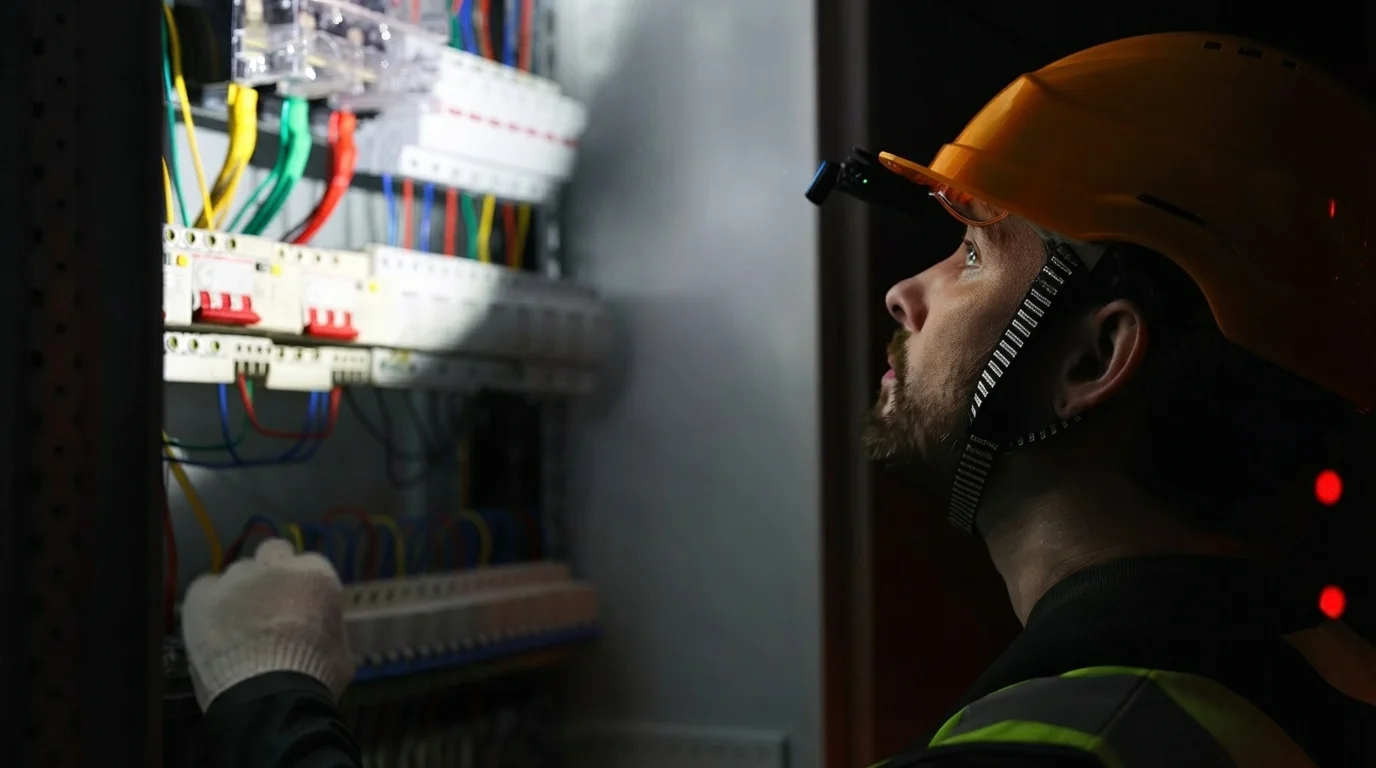
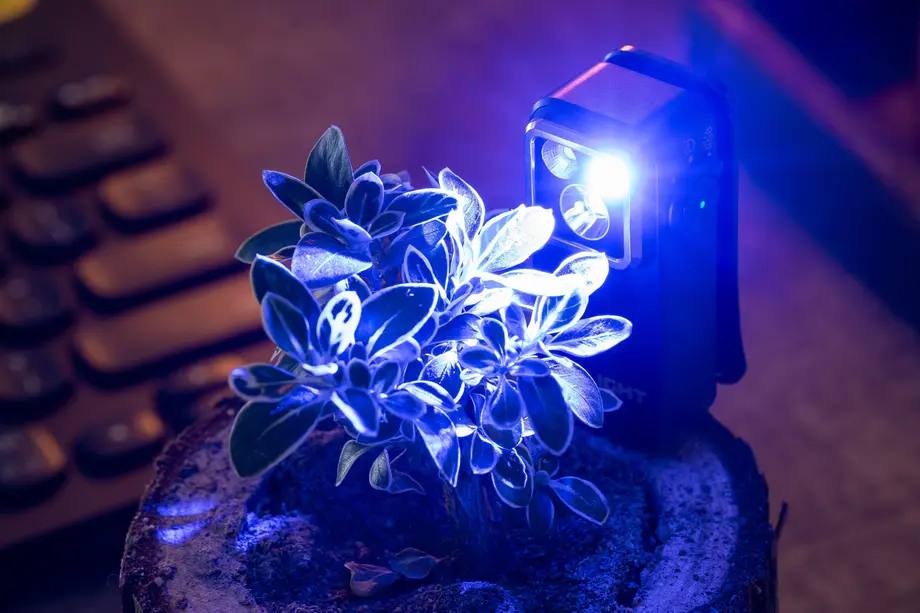
The Oclip Pro S represents a significant advancement in compact lighting technology. This 5-in-1 multifunctional tool integrates white light, RGB colors, and high-performance 365nm UV light into a singular, portable chassis. For outdoor enthusiasts and homeowners, understanding the technical capabilities of UV light—and how a device like the Oclip Pro S utilizes it—is essential for maintaining hygiene and safety.
1. What Is UV Light and How Does It Work?
2. What Can UV Light Reveal in Your Home?
3. Why 365nm UV Light Is Better for Home Inspection
4. How to Use a UV Flashlight at Home
What Is UV Light and How Does It Work?
Ultraviolet (UV) light is a form of electromagnetic radiation with wavelengths shorter than visible light but longer than X-rays. While the human eye cannot see UV light directly, its effects become visible when it interacts with specific materials through fluorescence, making it an invaluable tool for detection and inspection.
Understanding 365nm vs 395nm UV Light
The performance of a UV flashlight depends heavily on its wavelength, measured in nanometers (nm). Choosing the right wavelength is crucial for clear detection:
- 395nm UV Light: This wavelength is closer to the visible spectrum and produces a significant amount of visible purple light. While it can detect some stains, the "purple wash" often obscures subtle details and reduces contrast.
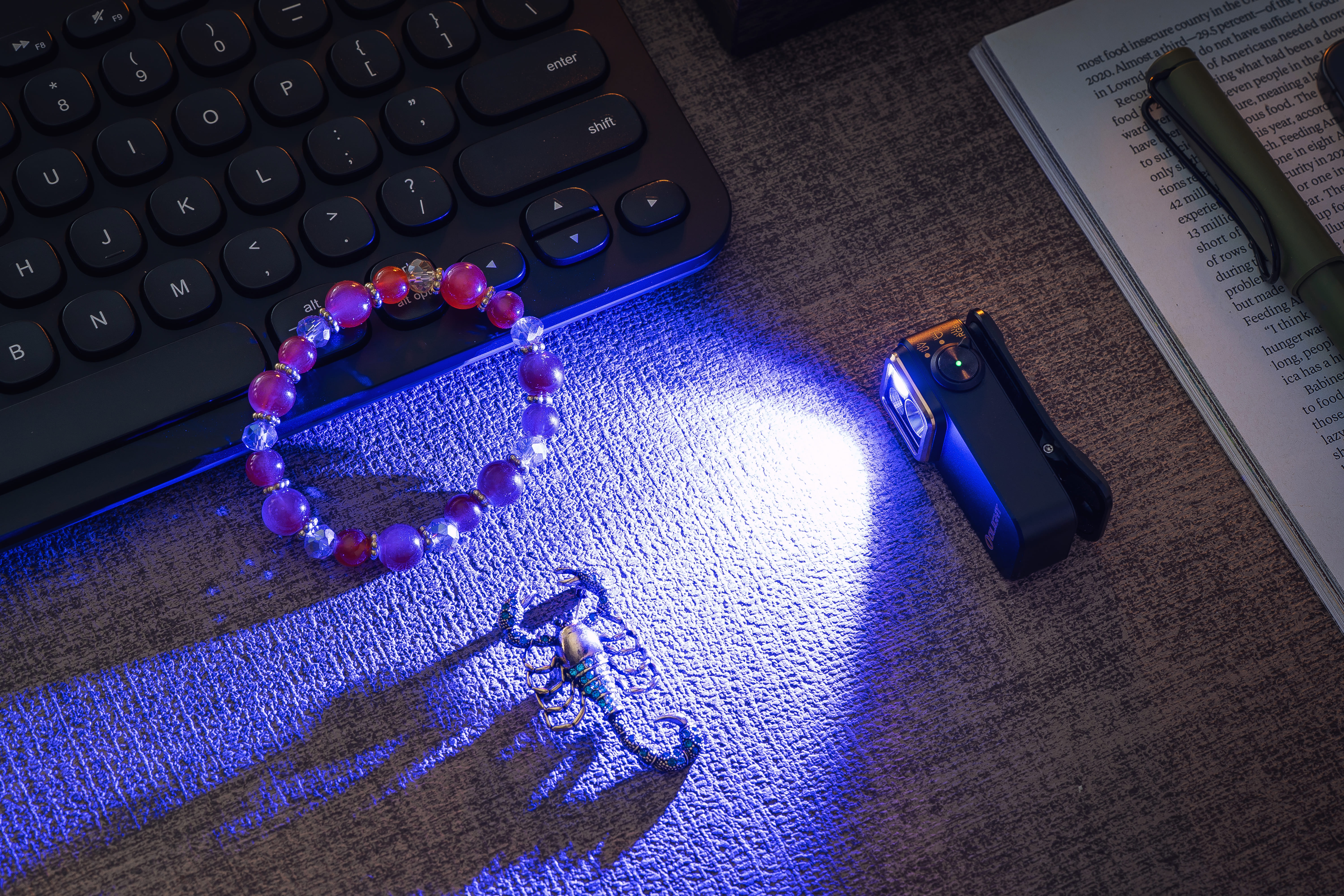
- 365nm UV Light: This is the professional standard used in the Oclip Pro S. It emits very little visible light, focusing energy into the true UV spectrum. This results in much higher contrast, making fluorescent materials stand out vividly without purple interference.
Why Certain Materials Glow Under UV Light
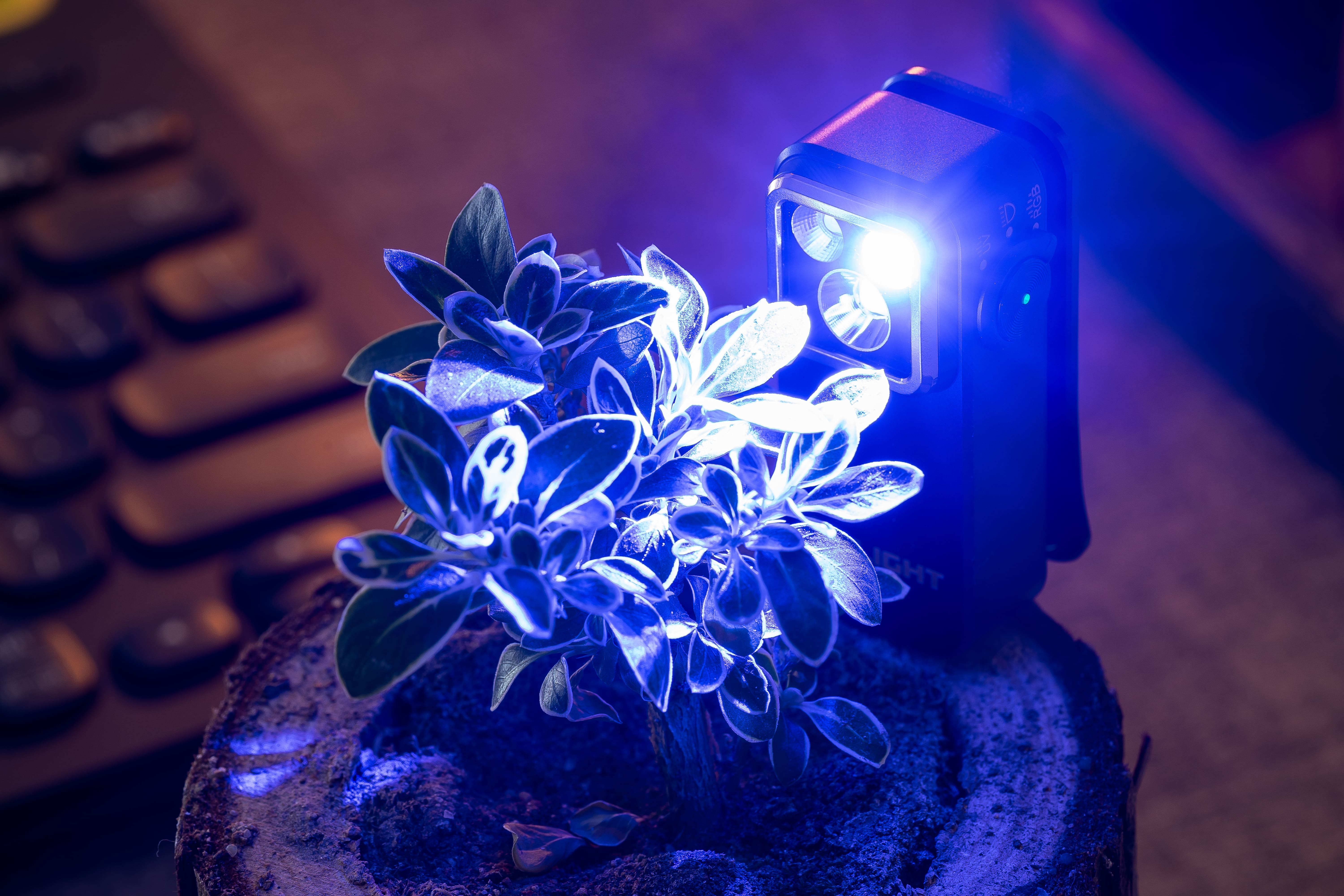
Fluorescence occurs when a material absorbs UV radiation and re-emits it as visible light. Many organic substances, such as proteins in biological fluids or minerals, contain "phosphors" that react this way. When you shine the Oclip Pro S on these surfaces, invisible contamination becomes visible instantly.
Safety and Design
A UV flashlight, often called a blacklight, is a handheld device that uses specialized LEDs to emit ultraviolet radiation. Unlike traditional bulky lamps, a compact tool like the Oclip Pro S allows for targeted, portable inspections. While safe for brief home inspections, users should avoid direct skin exposure and never look directly into the LED.
What Can UV Light Reveal in Your Home?
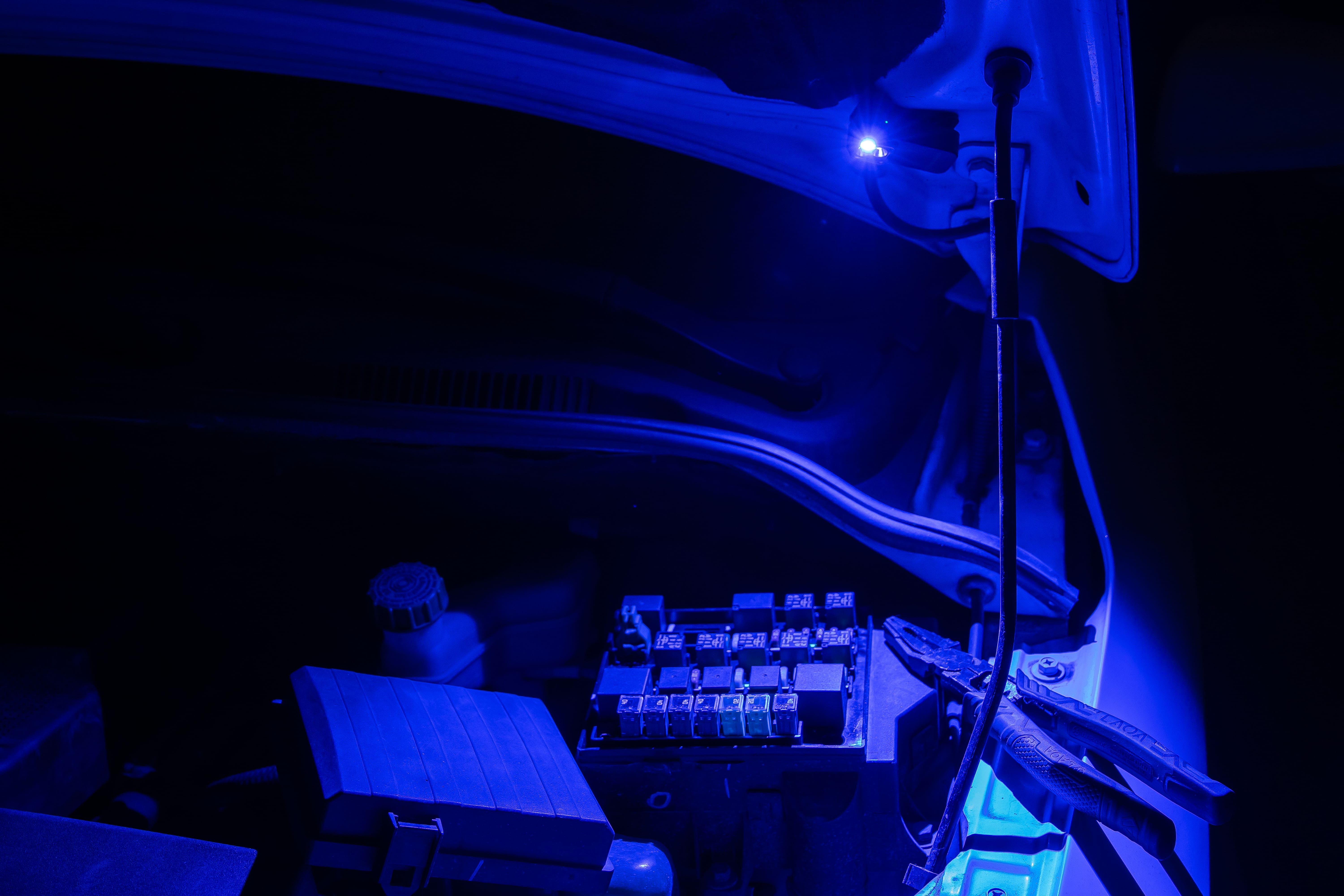
Using a high-quality UV source reveals hidden contamination that standard white light cannot detect, assisting in deep cleaning and security:
- Pet Stains: Dried urine, saliva, and vomit contain proteins that glow brightly under 365nm light.
- Kitchen Grease: Splattered oils and residues on backsplashes or stovetops often fluoresce, highlighting areas that need degreasing.
- Bathroom Hygiene: Urine splashes around toilets or hidden mold growth in grout become clearly visible for targeted cleaning.
- Counterfeit Detection: Easily verify passports, banknotes, and IDs containing UV-reactive security threads.
- Pest Activity: Detect the tracks or droppings of certain rodents and insects that may otherwise go unnoticed.
Why 365nm UV Light Is Better for Home Inspection
The Oclip Pro S utilizes a 365-370nm UV light source because it provides superior technical advantages for rigorous inspection tasks.
Higher Detection Accuracy
Because 365nm light is further from the visible spectrum, it triggers fluorescence in a wider range of substances. Lower-quality 395nm lights often fail to detect older or diluted stains that the 365nm beam picks up with ease.
Minimal Visible Interference
A major drawback of standard UV lights is the flood of purple light that masks fluorescence. The Oclip Pro S produces a "pure" UV beam. When pointed at a non-reactive surface, it appears dark; when it hits a target, the material glows vividly against the dark background.
How to Use a UV Flashlight at Home
Optimizing Your Inspection
For the best results, use your Oclip Pro S in low-light conditions. Total darkness provides the highest contrast. Focus your search on high-traffic areas, corners, and upholstered furniture where organic matter accumulates.
Scanning Techniques
- Maintain a distance of 10 to 30 centimeters from the target surface.
- Move the beam slowly in a grid pattern to ensure no spots are missed.
- Pay close attention to vertical surfaces like baseboards and the sides of sofas.
How to Choose the Best UV Flashlight for Home Use
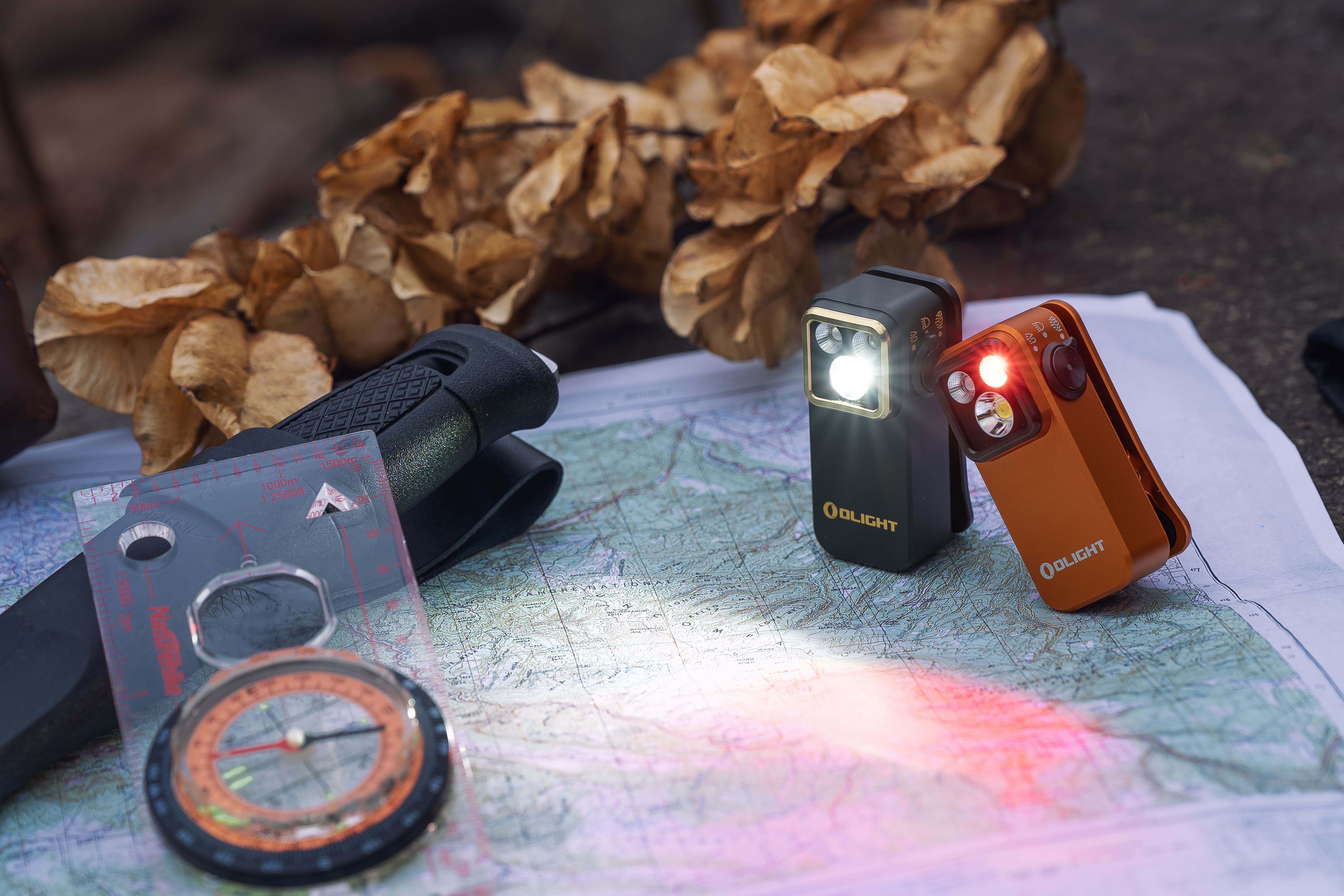
The Oclip Pro S is designed to meet the rigorous demands of both Everyday Carry (EDC) and specialized home inspection. Below are the technical specifications that set it apart:
| Feature | Oclip Pro S Specification |
|---|---|
| Max Performance | 600 lumens |
| UV Wavelength | 365-370 nm (Pro Grade) |
| UV Output | 800 mW (High) / 300 mW (Low) |
| Body Material | 6061 Aluminum Alloy |
| Weight | 53 g (1.76 oz) |
| Light Sources | White, Red, Green, Blue, UV |
| Waterproof |
IPX6 |
Final Thoughts: Clean Smarter, Not Harder
Integrating the Oclip Pro S into your routine removes the guesswork from home maintenance. Instead of scrubbing blindly, you can target specific areas that require attention, saving both time and effort. The combination of powerful white light and professional-grade UV makes this an indispensable tool for every Australian home.
Frequently Asked Questions (FAQ)
What does UV light detect in a house?
It detects organic matter such as pet urine, blood, saliva, and sweat. It also reveals mold, kitchen grease, mineral deposits, and fluorescent security features on currency or ID documents.
Is 365nm better than 395nm for home use?
Yes. 365nm is significantly better because it produces less visible light, providing higher contrast. This allows for the detection of stains that 395nm lights often miss due to the "purple wash" effect.
Is 365nm UV light harmful?
Brief exposure to surfaces illuminated by 365nm UV is generally safe. However, direct eye or skin exposure should be strictly avoided. It is intended for detection (UVA), not germicidal use (UVC).