1. Why the Shift to Red Light in the Australian Bush? 2. Best Use Cases for Red Light Torches Down Under 3. Introducing the New ArkPro Lite and Oclip Pro S 4. Frequently Asked Questions about Red Light Torches in Australia 5. Choosing the Right Red Light Gear for Your Next Trip
Navigating the Australian wilderness after the sun dips below the horizon requires more than just raw brightness. While a powerful white beam serves its purpose for long-distance spotting, seasoned adventurers are increasingly turning to specialized lighting, specifically red light. In the dense scrub of the Great Dividing Range or the open expanses of the Outback, the right spectrum makes the difference between a successful expedition and a night of frustration.
Modern lighting technology has evolved beyond simple on-off switches. Tools like the ArkPro Lite and the Oclip Pro S provide users with multi-light versatility, integrating red, green, blue, and UV spectrums alongside traditional white light. Understanding when and why to deploy these specialized modes is essential for any serious outdoor enthusiast.
Why Red Light is an Essential Tool for the Australian Bush
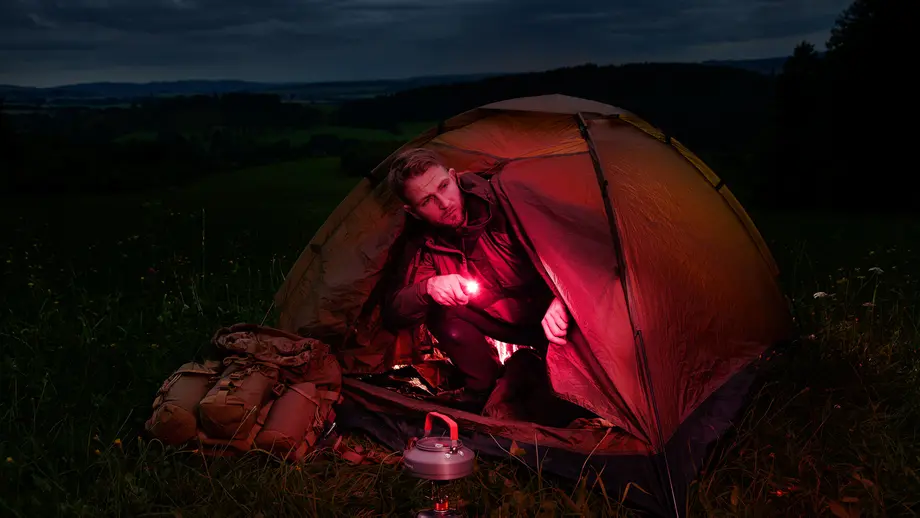
The push toward red light is not a mere trend; it is rooted in biological necessity and environmental practicality. When you are kilometres away from the nearest town, your eyes are your most valuable asset.
Preserving Your Night Vision under the Southern Cross
The human eye relies on a protein called rhodopsin to see in low-light conditions. Exposure to bright white light instantly "bleaches" this protein, rendering you temporarily blind once the light is turned off. It takes the average person up to 30 minutes to fully regain their night vision.
Red light exists at a wavelength that does not trigger this bleaching effect to the same extent. By using a red beam for close-up tasks, you maintain your ability to see the stars of the Southern Cross and the silhouettes of the surrounding bushland without wait times. This is vital for safety, as it allows you to stay aware of your periphery while performing specific tasks.
Keep the Mozzies and Midgees at Bay
Anyone who has spent a night in the bush knows the struggle against mosquitoes and midgees. Most nocturnal insects are highly attracted to the ultraviolet and blue light spectrums found in standard cool-white LEDs. A powerful white beam often acts as a beacon for every biting insect in a fifty-meter radius.
Red light, however, is significantly less visible to most insects. Switching to a red mode while at your campsite or inside your tent drastically reduces the number of unwanted visitors. This creates a more comfortable environment for cooking, eating, or relaxing after a long day on the trail.
Best Use Cases for Red Light Torches Down Under
Transitioning to a red light torch or a multi-light device opens up several tactical and practical advantages for Australian explorers.
Stealthy Navigation for Camping & Caravan Life
When staying in popular campsites or caravan parks, blasting 1,500 lumens of white light at 2:00 AM to find the bathroom or a lost item is a quick way to upset your neighbours. Red light provides enough illumination for safe movement without projecting a glaring beam into nearby tents or windows.
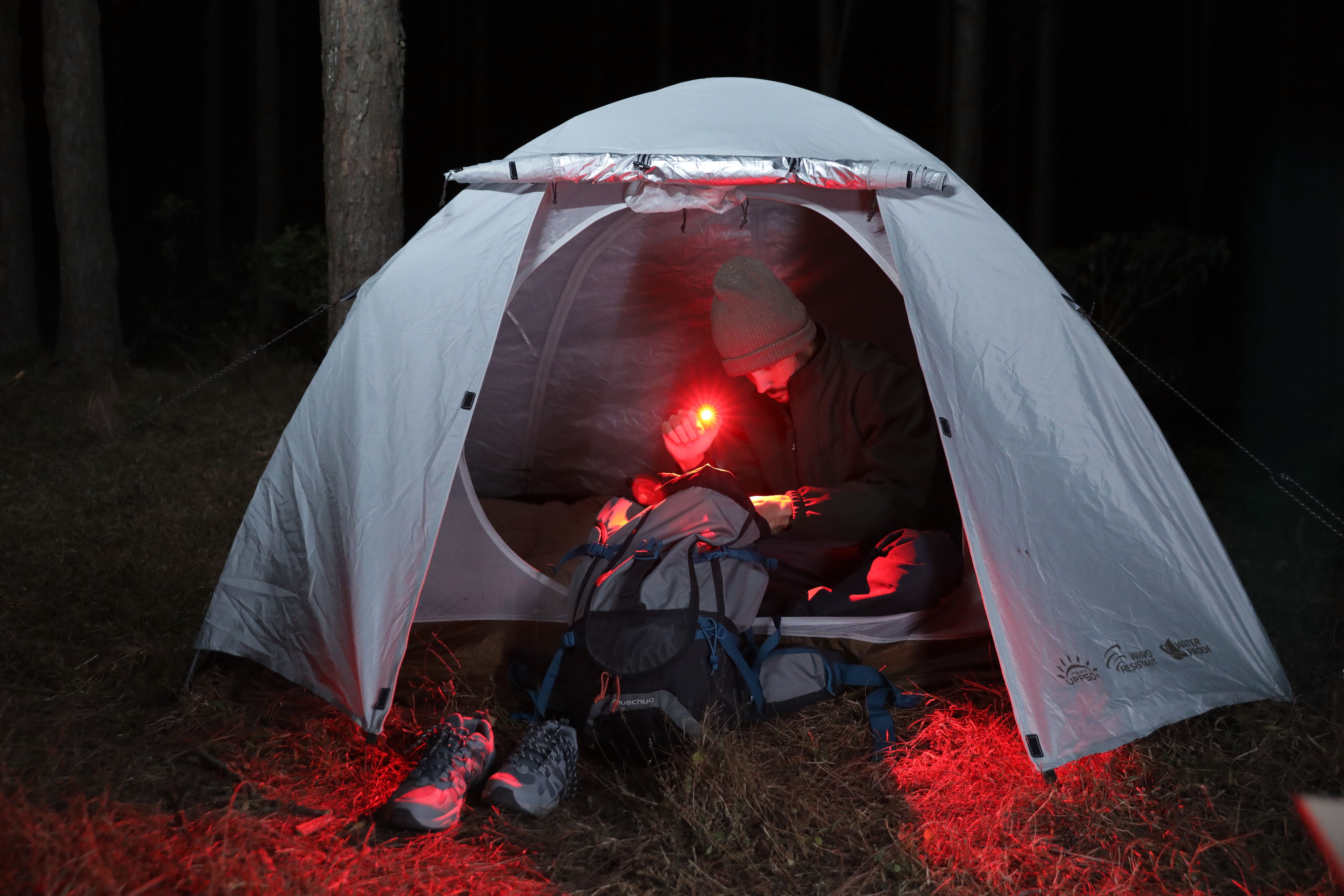
Inside the tent or caravan, red light is perfect for searching through gear. It provides enough contrast to distinguish between a pair of socks and a first-aid kit without waking up sleeping companions or ruining your own ability to see when you step back outside into the darkness.
Wildlife Observation without Spooking the Locals
Australia is home to a vast array of nocturnal fauna, from possums and gliders to elusive owls. Many of these creatures have sensitive eyes tuned for the dark. A bright white beam often causes "light shock," causing animals to freeze or bolt in distress.
Using red light allows for a more ethical and effective wildlife observation experience. Most nocturnal mammals do not see the red end of the spectrum clearly, meaning you can observe their natural behaviour from a distance without causing unnecessary stress.
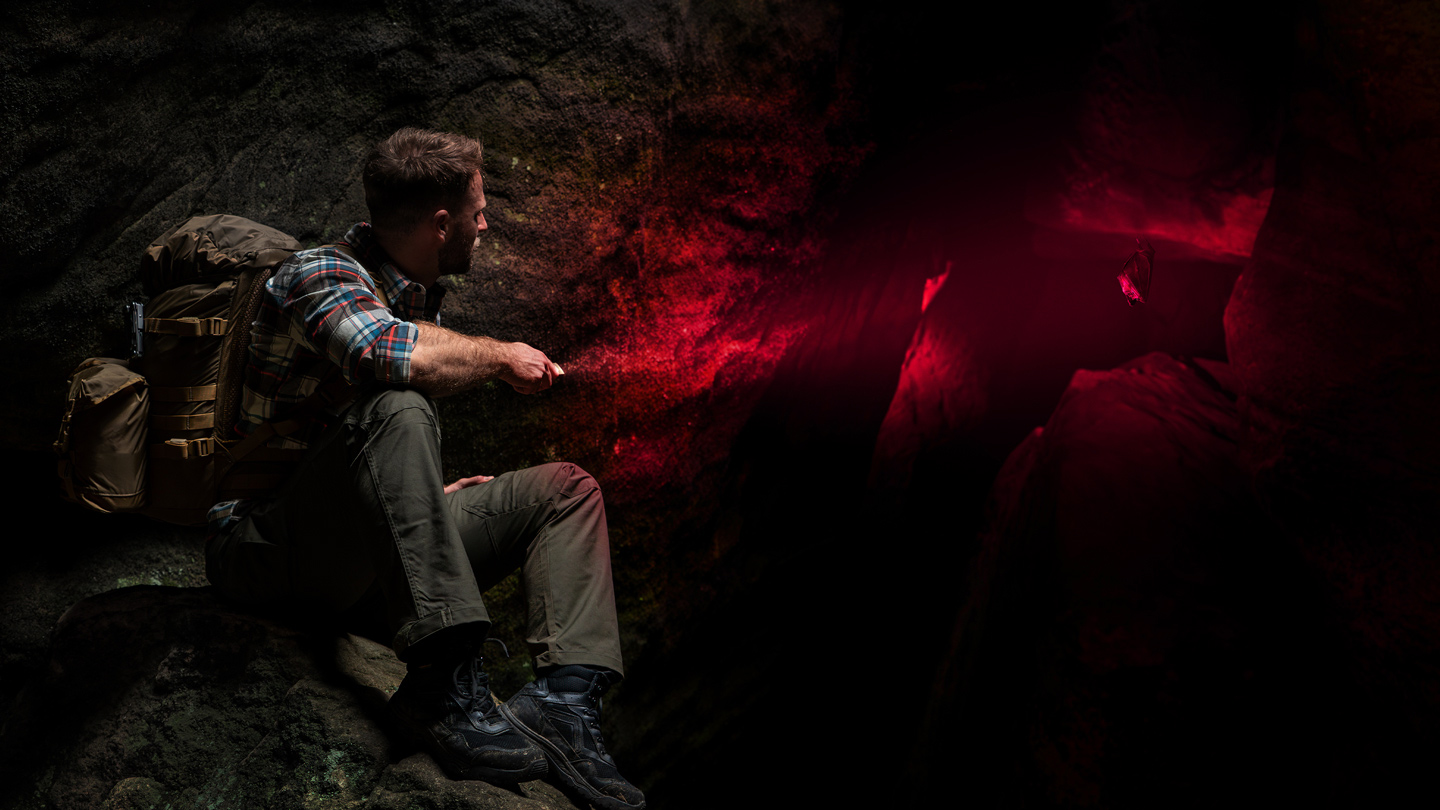
Olight ArkPro Lite & Oclip Pro S: Best Red Light Torches
To meet the demands of modern explorers, Olight has developed tools that combine extreme power with nuanced light control.
Olight ArkPro Lite: The Integrated Red Light Specialist
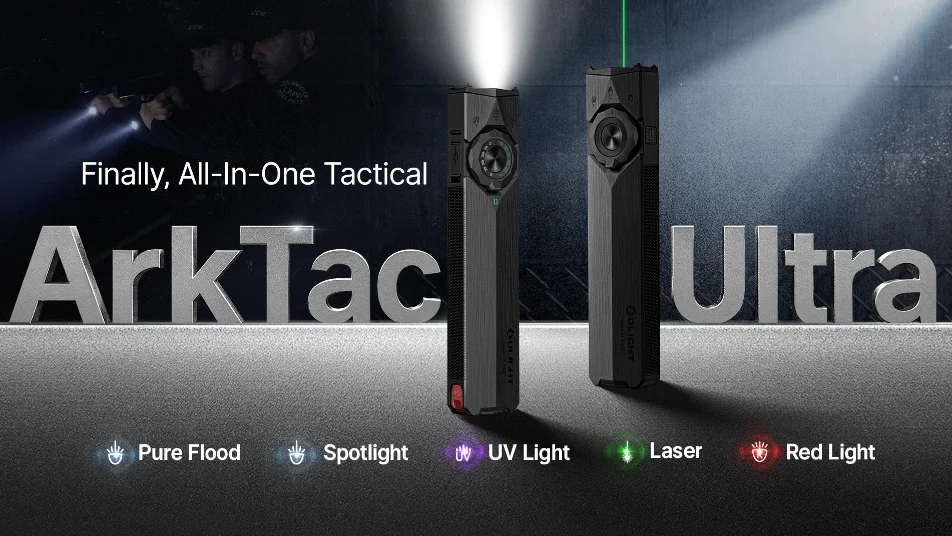
The ArkPro Lite is a professional-grade EDC torch that redefines what a pocket light can do. Built with a flat, unibody aluminum alloy frame, it sits comfortably in a pocket or on a belt without the bulk of traditional cylindrical torches.
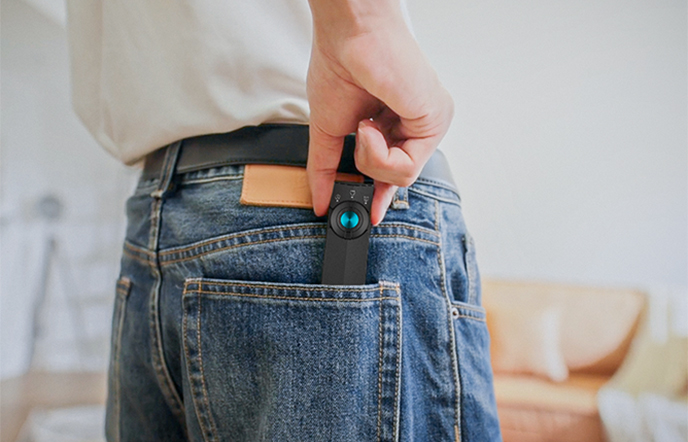
- Pure Flood and Spotlight: Delivering up to 1,200 lumens with a beam distance of 94 meters.
- UV Light: A 365nm UV source for detecting leaks, cleaning checks, or identifying minerals.
- Green Laser: A Class 1 laser for precise pointing and positioning.
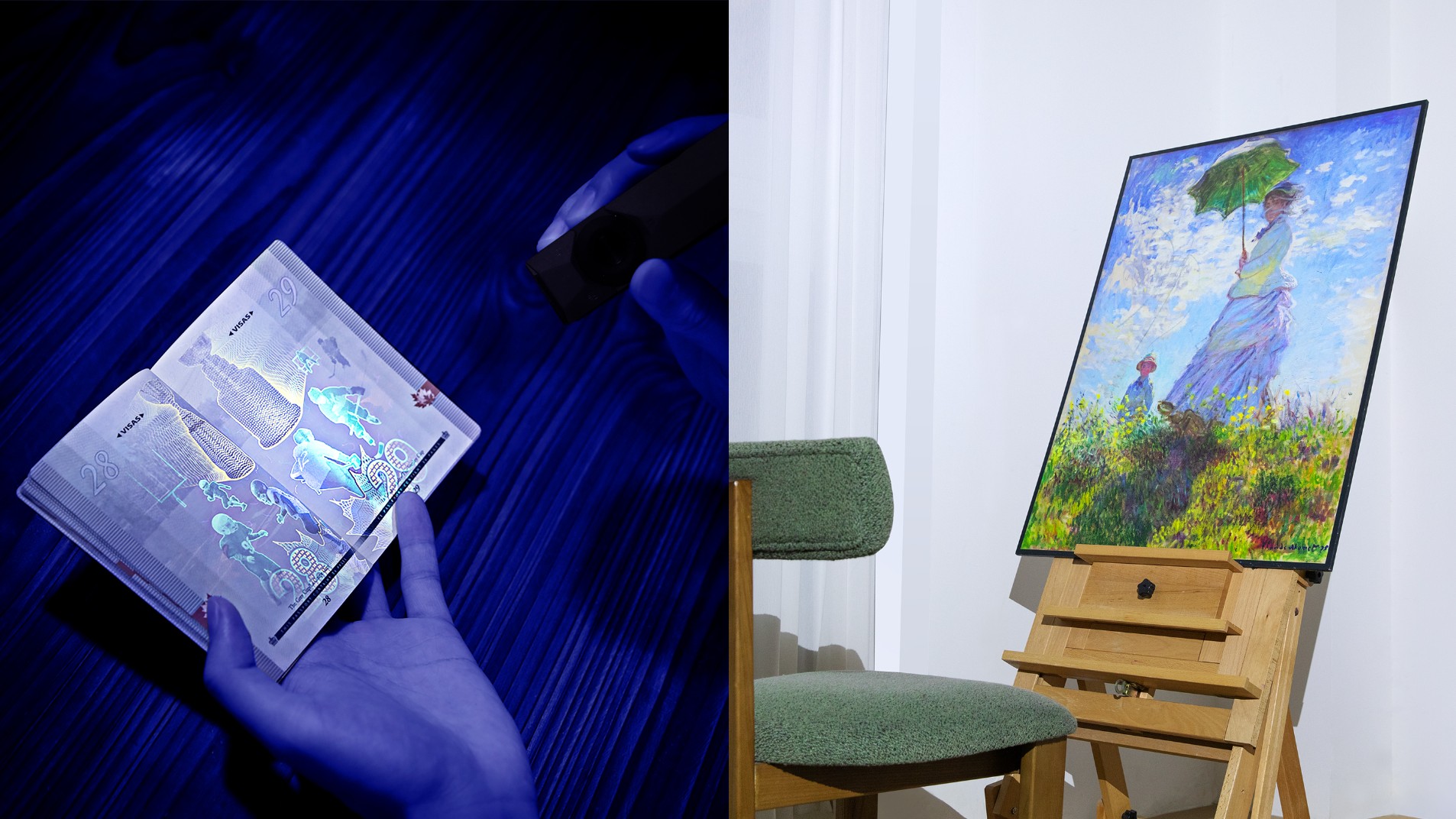
While it leads with power, its moonlight mode (1 lumen) allows for 10 days of continuous runtime, making it a reliable companion for extended bush trips where battery conservation is paramount. The IPX7 waterproof rating ensures it survives the unpredictable Australian weather.
Oclip Pro S: The Ultimate Hands-Free Safety Clip
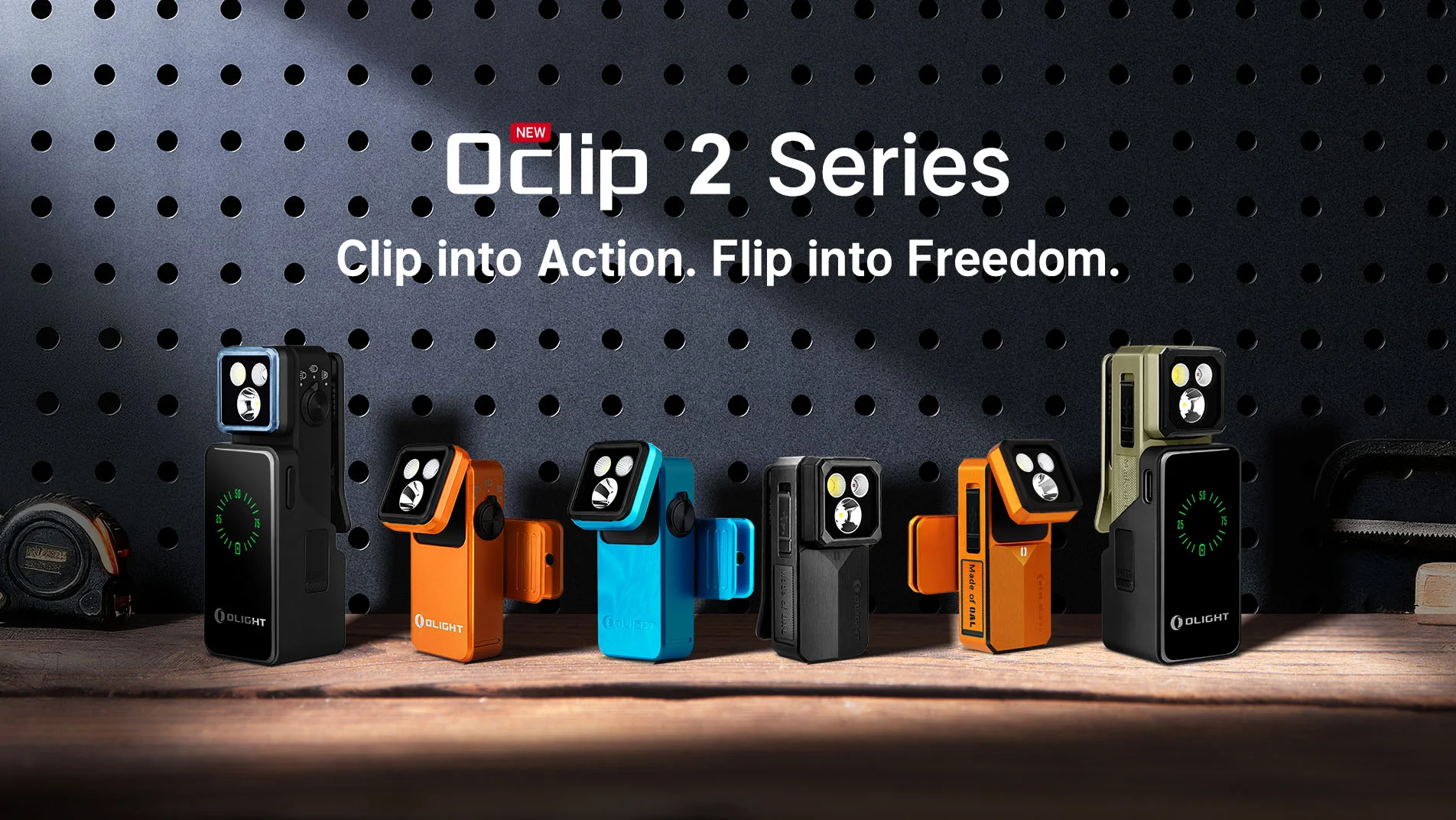
The Oclip Pro S is the quintessential multi-functional tool for those who need their hands free. Weighing only 53g, this clip-on torch is a powerhouse of versatility.
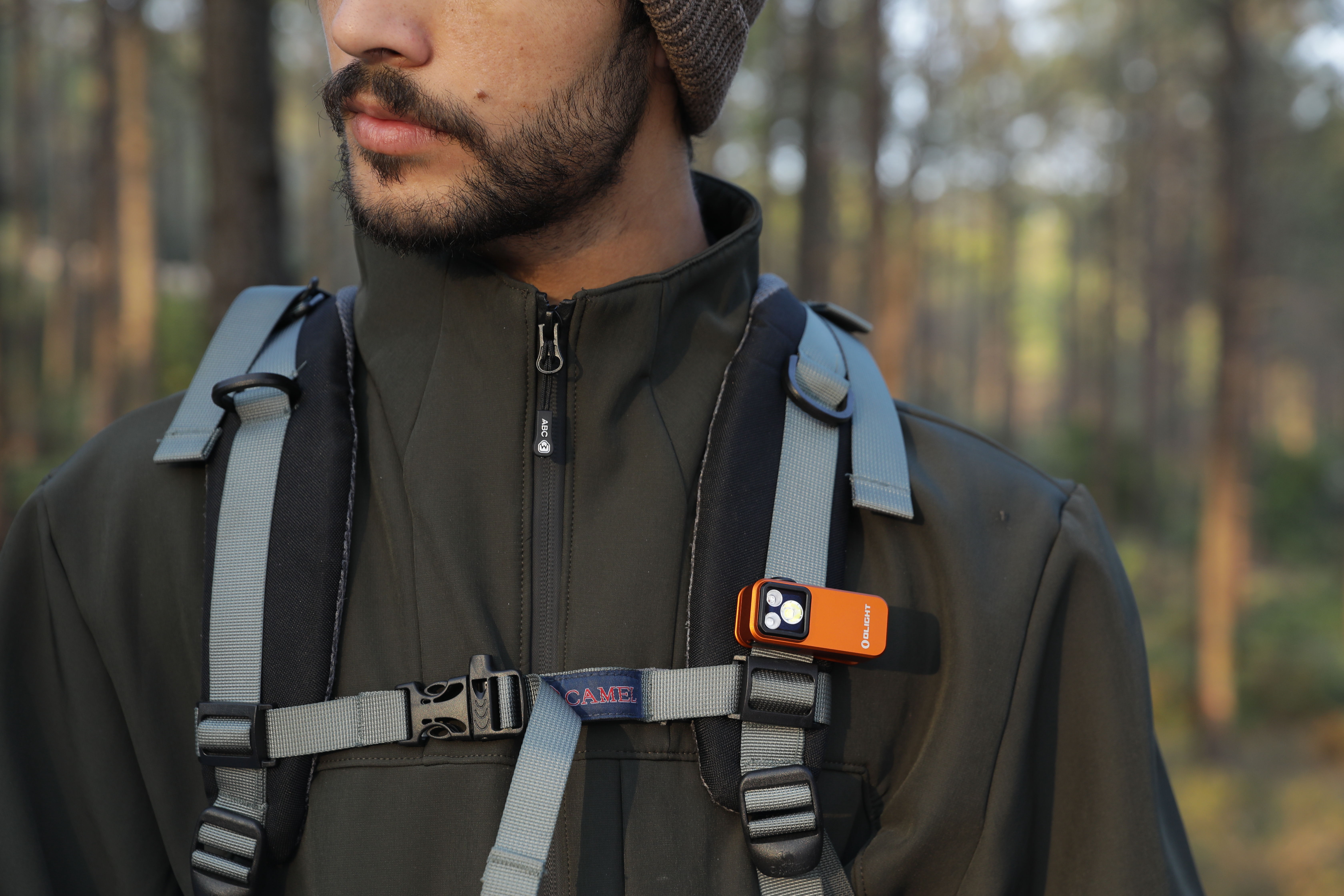
- White Light: Reaching 600 lumens for general use.
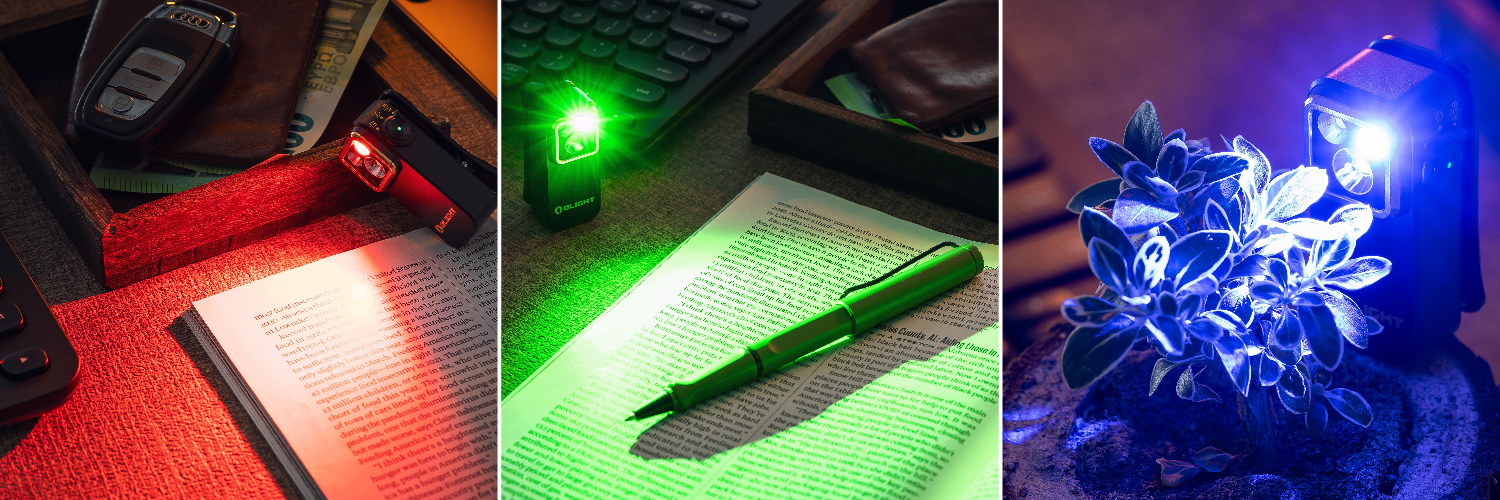
- RGB Light: Dedicated Red, Green, and Blue light modes.
- UV Light: Integrated for specialized detection tasks.
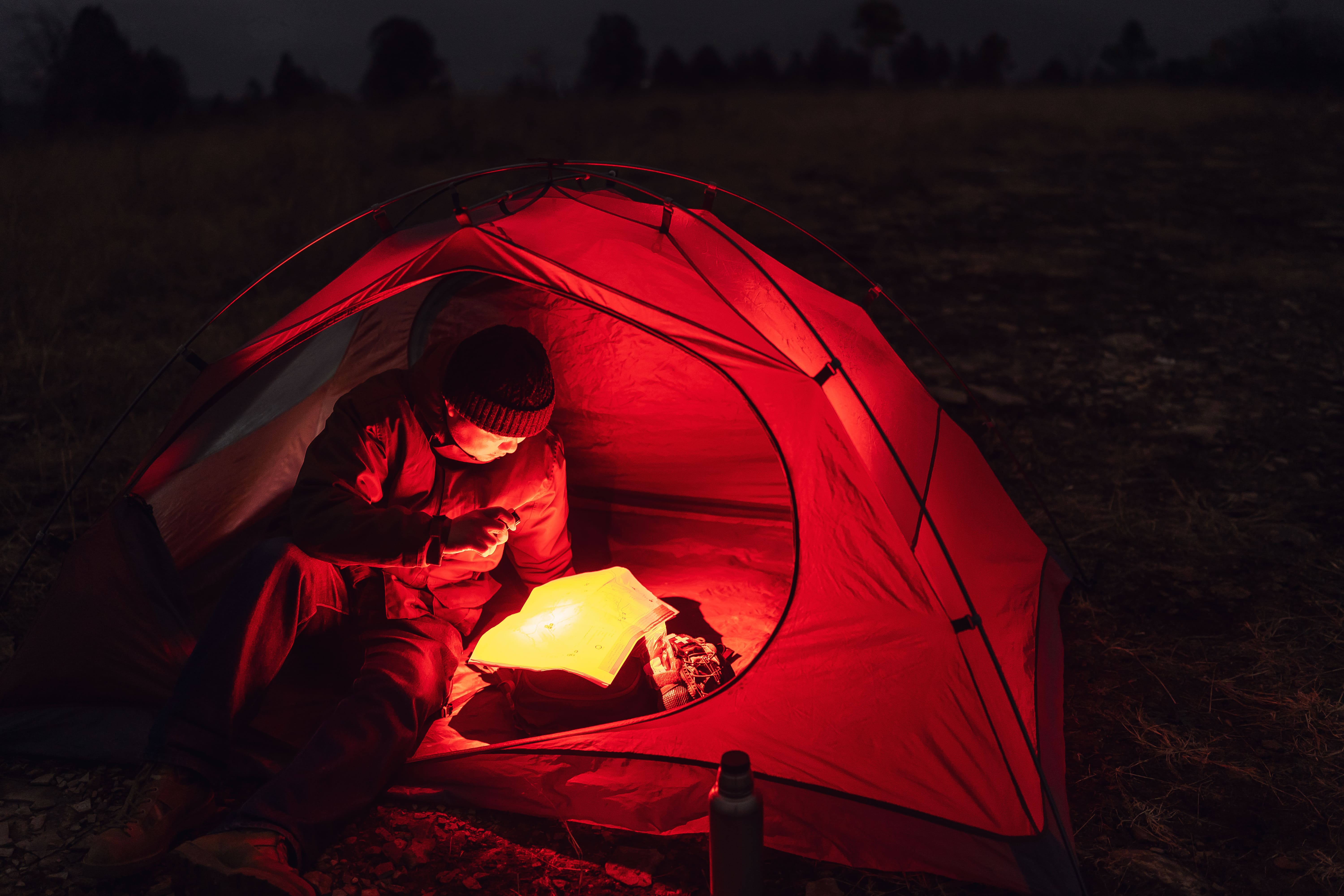
The red light on the Oclip Pro S is particularly useful. At 40 lumens on high, it provides ample light for reading maps or organizing gear, while the 4-lumen low mode offers 26 hours of runtime—perfect for preserving night vision during long treks. Its magnetic base and heavy-duty clip mean it can attach to a hat brim, backpack strap, or a car bonnet with ease.
Frequently Asked Questions about Red Light Torches in Australia
Why should I use a red light torch for camping in the bush?
The primary reason is preserving night vision. It takes the human eye about 20-30 minutes to fully adjust to the dark. A bright white light resets this instantly, while red light allows you to see your gear or the track while keeping your eyes "dark-adapted." Plus, it’s much more considerate to your campmates in a crowded caravan park!
Does red light really stop mosquitoes and bugs from biting?
While it’s not a repellent, most insects (like our notorious Aussie mozzies and midgees) can’t see the red light spectrum well. They are naturally drawn to the UV and blue light found in white LEDs. Using the ArkPro Lite’s red mode means you’ll be much less likely to be swarmed while reading or cooking.
Can I use red light for wildlife spotting?
Yes! Many of Australia's nocturnal animals, such as Possums and Sugar Gliders, are less sensitive to red light. It allows you to observe their natural behaviour without causing the "flight" response that intense white light often triggers.
Is the red light on the Oclip Pro S bright enough for emergencies?
Absolutely. The Oclip Pro S features a dedicated red light mode and a flashing mode. Because it can be clipped onto your backpack or the back of your hat, it acts as a perfect safety beacon if you’re caught out on a trail after sunset or if your ute breaks down on a dark road.
Choosing the Right Red Light Gear for Your Next Trip
Selecting the right lighting gear depends on your primary activity. If you require a primary search light that can also handle specialized tasks like pointing or mineral identification, the ArkPro Lite is the superior choice. Its 1,500-lumen output and integrated laser make it a formidable all-rounder for serious bushcraft and EDC.
If your priority is lightweight, hands-free operation and versatility across the entire colour spectrum, the Oclip Pro S is an essential addition to your kit. It serves as a perfect backup light, a reading light, and a safety signal all in one.
Investing in multi-light technology allows you to adapt to the environment rather than fighting against it. Whether you are navigating a cave, setting up a tent in the rain, or observing a bat in its natural habitat, having the right spectrum at your fingertips ensures a safer and more immersive experience in the Australian bush.