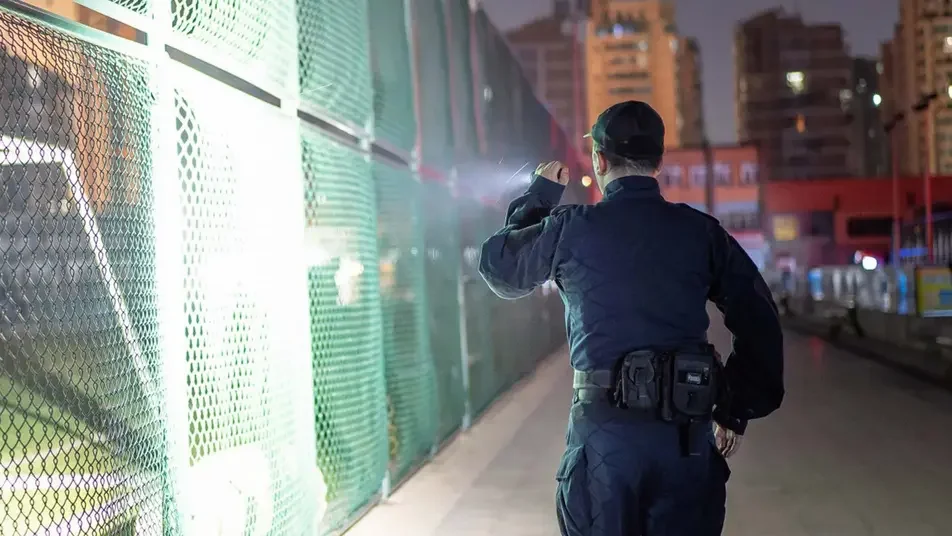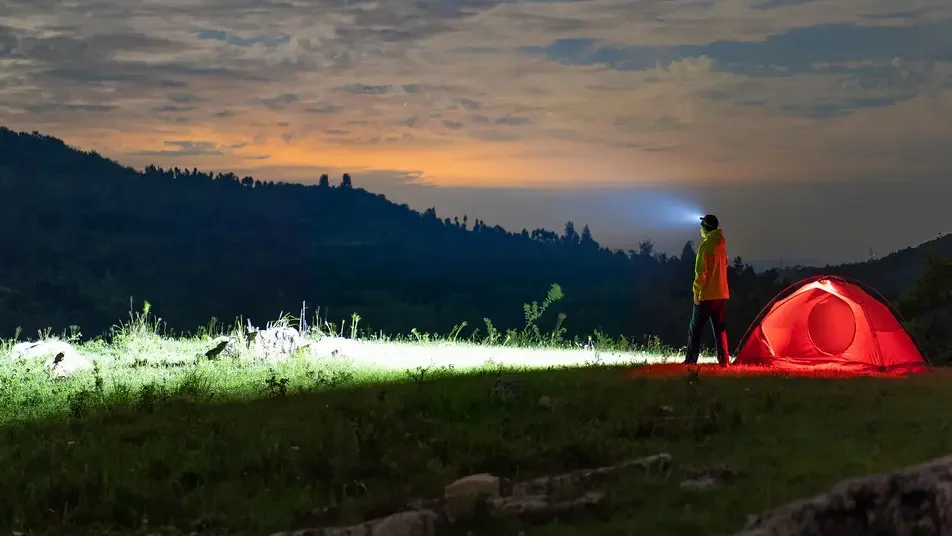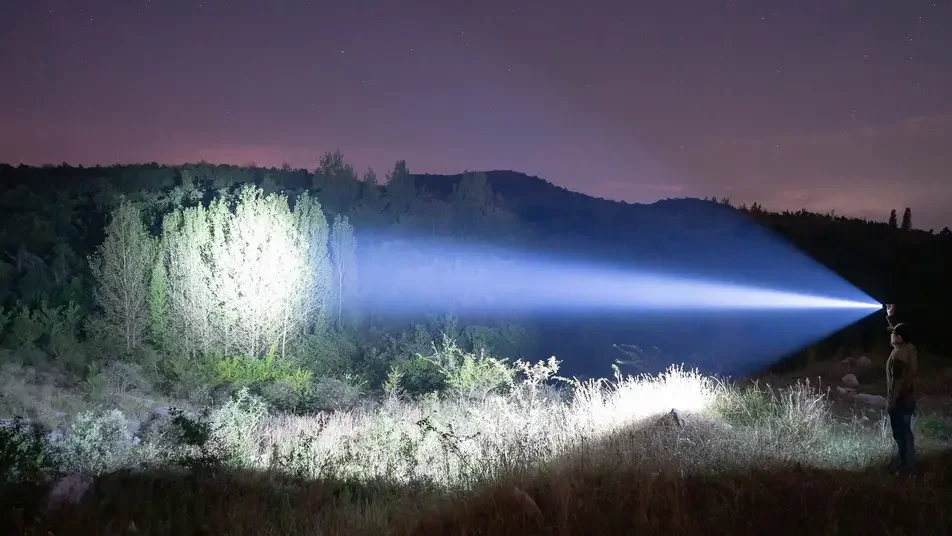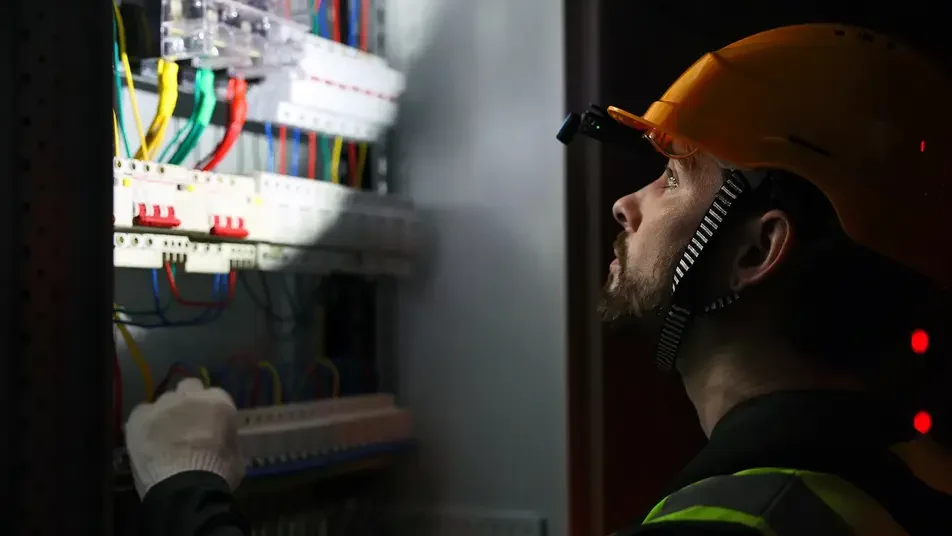

Preparing the best emergency kit for vehicle offroad touring requires four dedicated illumination roles: hands-free headlamps for digging and rigging, magnetic clip lights for underbody chassis inspections, flashing red signal beacons for oncoming traffic, and high-lumen long-throw spotlights for winch anchor checks during night recoveries.
Remote vehicle touring across rugged Australian terrain demands specialized gear. Offroad travel places extreme stress on both vehicles and equipment. When a vehicle becomes immobilized after dusk, having the best emergency kit for vehicle setups is the only reliable way to manage winching, track repairs, and navigation. Standard consumer tools quickly fail under these conditions. Building an effective 4wd touring lighting kit ensures safety, clears work zones, and prevents hazardous secondary accidents when drivers find themselves bogged at night lighting scenarios.
- 1. Quick Answer: Essential 4WD Emergency Lighting Roles
- 2. Why Basic City Emergency Kits Fail 4WD Travellers
- 3. Safety Rules for Night Bogs on Remote Tracks
- 4. What Lights Belong in a 4WD Touring Emergency Kit?
- 5. Making a Bogged Vehicle Visible at Night with Red Beacons
- 6. Storage, Dust Protection, and Battery Maintenance
- 7. Frequently Asked Questions (FAQ)
1. Quick Answer: Essential 4WD Emergency Lighting Roles
The best emergency kit for vehicle offroad touring requires four dedicated lighting roles:
- Hands-free illumination (headlamps): For shovelling sand, clearing mud, and rigging winch lines.
- Magnetic task lights: For inspecting underbody diffs, driveshafts, and chassis rails.
- High-visibility red flashing beacons: To warn approaching 4WDs on dark tracks.
- High-lumen, long-throw handheld searchlights: To scan winch anchor points and track hazards.
Equipping dedicated illumination tools inside a complete 4wd touring lighting kit eliminates guesswork, preserves vehicle starter battery power, and establishes an efficient, safe workspace during high-stress night recoveries.
2. Why Basic City Emergency Kits Fail 4WD Travellers
Standard roadside kits sold for urban commuting feature plastic casings, low-output alkaline torches, and fragile wiring. According to remote travel safety protocols from the Royal Flying Doctor Service (RFDS) and consumer product standards monitored by the Australian Competition and Consumer Commission (ACCC), basic consumer grade lights degrade rapidly under harsh remote touring environments:
- Continuous Vibration: Corrugations across the Outback rattle fragile battery carriers loose and fracture budget LED circuits.
- Dust and Fine Silt Ingress: Bulldust penetrates non-sealed enclosures, coating internal contacts and causing intermittent contact failure.
- Submersion and Mud: Bogged vehicles often sink into clay pans, swamp crossings, or tidal surf. Lights without genuine IP68 or IP66 ratings short out immediately in muddy water.
- Inadequate Beam Spread and Output: Weak 50-lumen torches cannot illuminate underneath a chassis bellied out in sand, nor can they pierce heavy scrub to identify safe tree-trunk recovery anchors.

3. Safety Rules for Night Bogs on Remote Tracks
Recovering a 4WD in darkness dramatically increases mechanical and personal safety hazards. Kinetic recovery ropes, high-tension winch cables, and recovery points carry extreme forces. When managing bogged at night lighting, follow these core safety rules:
- Establish 360-Degree Lighting First: Never begin digging, placing traction boards, or connecting shackles using smartphone lights or handheld torches tucked under an arm.
- Clear the Winch Zone: Inspect the entire winch line path. Use long-throw lights to check for frayed synthetic lines, damaged damper blankets, or shifting ground anchors.
- Recognize When to Stop: If the vehicle sits safe from rising tides or river currents, wait until first light for heavy winching operations. Set emergency beacons and sleep in the vehicle.
- Maintain Active Communication: Use distinct light signals or dedicated two-way radios between the winch operator and the recovery vehicle driver.
4. What Lights Belong in a 4WD Touring Emergency Kit?
A dependable 4wd touring lighting kit incorporates distinct form factors designed to handle specific field tasks.
Detailed Specifications and Field Utility

Olight Perun 3
Provides full hands-free illumination while shovelling bog ruts, connecting kinetic ropes, and aligning recovery boards. Features a right-angle design, magnetic base, dual white and red LED emitters, and up to 20 days max runtime.
Buy Now
Olight Oclip 2 Pro
Mounts directly to steel rock sliders, suspension arms, or wheel arches with its heavy-duty 14 mm spring clip and magnetic bottom to light up differential clearance points without slipping.
Buy Now
Olight Warrior 3S
Locates distant trees for winch points, inspects rising creek levels, and signals across large riverbeds. Features high-strength aluminum construction and an integrated proximity safety sensor.
Buy Now
Olight Sphere
Acts as a standalone hazard beacon placed behind a bogged vehicle to alert oncoming traffic. Offers 360-degree light distribution and a flashing red mode running up to 20 hours.
Buy Now5. Making a Bogged Vehicle Visible at Night with Red Beacons
When a 4WD bogs down over a dune crest or around a blind bend on a single-lane track, the risk of high-speed secondary impact is real. The best emergency kit for vehicle safety contains active warning lights.
- Deploy Warning Lights at Track Distance: Place flashing beacons 50 to 100 metres back along the track before crests or tight turns.
- Use Red LED Modes: White lights can blind drivers descending sand tracks; red light alerts incoming drivers without compromising night-adjusted vision.
- Mark Winch Lines: Hang magnetic markers directly on active synthetic winch cables or recovery straps to keep bystanders and approaching traffic clear of high-tension cables.

6. Storage, Dust Protection, and Battery Maintenance
High cabin temperatures in outback environments degrade lithium batteries if stored improperly. Maintain your 4wd touring lighting kit with these storage practices:
- Store in Padded, Dustproof Cases: Keep essential gear in heavy-duty Pelican-style cases or reinforced canvas storage pockets rather than loose in the glove box.
- Engage Lockout Modes: Always lock electronic switches or unscrew mechanical tailcaps slightly to prevent accidental activation from shifting cargo.
- Regular Top-Up Schedules: Charge all recovery kit lights every 60 to 90 days via onboard 12V USB ports to counteract passive self-discharge.
- Inspect O-Rings: Periodically clean threads and apply silicone grease to all waterproof seals after driving through fine desert dust.

7. Frequently Asked Questions (FAQ)
Last Updated: October 2026. Published with current Australian 4WD touring safety standards, night recovery lighting rules, and IP-rated emergency equipment specifications.
How do you prepare your 4WD lighting kit for remote night recoveries?