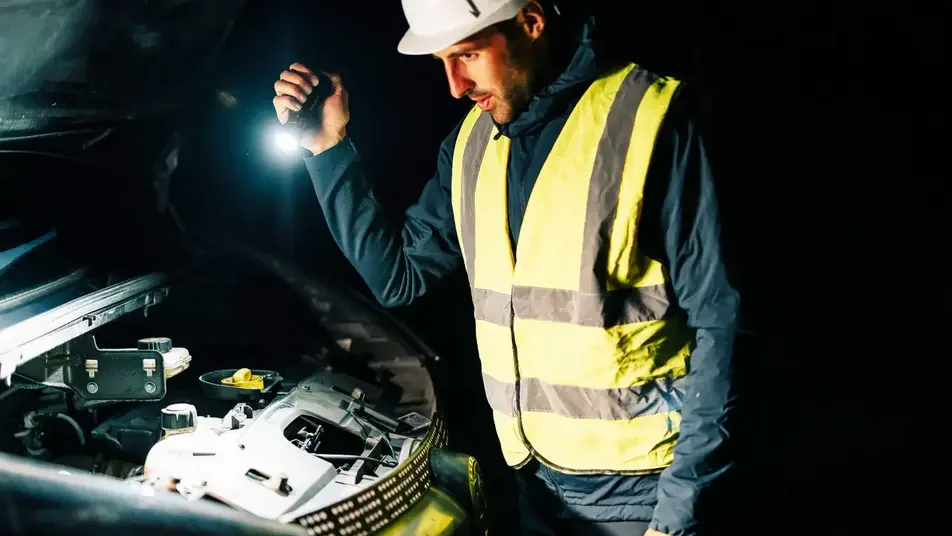
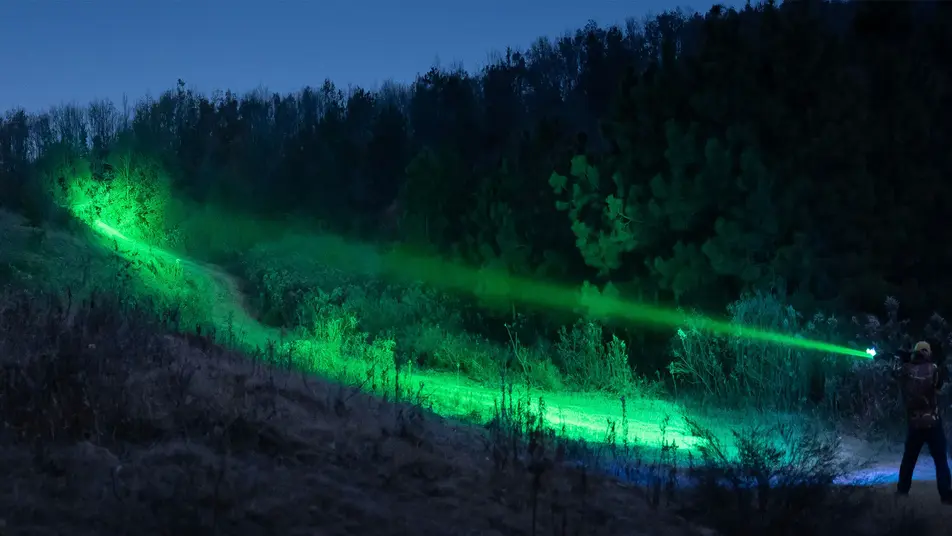
TL;DR: Choosing the best torch for hunting in Australia requires matching beam reach to terrain, keeping carry weight manageable on foot, and ensuring total target identification. Extreme distance across open paddocks demands dedicated pencil-beam throwers reaching beyond 600–1,500 metres, while tight scrub requires balanced beam flood. Always verify state firearms regulations before pursuing feral game at night.
Selecting the right illumination gear can mean the difference between clean, ethical feral pest management and a frustrating night stumbling through uneven scrub. Whether scanning expansive river flats from the tray of a ute or stalking feral pigs through thick lignum on foot, beam candela, thermal step-downs, and battery endurance determine your operational success in the Australian bush.
Table of Contents
- 1. Quick Answer: Match Throw, Weight, and Regulations
- 2. Scrub, Open Paddock and Gully: How Much Throw Do You Really Need?
- 3. Walking in vs Working from the Ute: How Carry Distance Changes the Pick
- 4. Why Target Identification and Backstops Come Before Raw Brightness
- 5. Pig Country, Fox Control and Deer on Private Land
- 6. Cold Nights, Heat in the Ute, and High-Output Runtimes
- 7. Which State Rules Apply to Night Hunting with Lights?
- 8. Frequently Asked Questions
Quick Answer: Match Throw to Your Country, Weight to How Far You Walk, and Confirm Night Hunting with Lights Is Permitted
The ideal hunting torch for pigs and foxes balances focused beam throw (candela) with realistic carry weight. For stationary scanning from a vehicle, high-output handhelds provide massive situational awareness. When stalking on foot over several kilometres, a dedicated compact thrower mounted securely or held in a support hand prevents arm fatigue while delivering the necessary reach to positively identify target species and verify backdrops.
| Hunting Application | Key Terrain Type | Target Beam Throw / Candela | Recommended Model |
|---|---|---|---|
| Long-range foxing & paddock pest control | Open plains, stubble fields, crop boundaries | 1,800 lm / 1,500 m focused beam | Olight Javelot Turbo 2 |
| On-foot stalk, mid-range pig control | Undulating timber, creek lines, fence lines | 2,600 lm / 99,310 cd (630 m) tactical beam | Olight Warrior X 4 |
| Ute-based wide scanning & recovery | Large acreage, open gullies, searching cover | 10,000 lm flood / 750 m spot dual beam | Olight Marauder Mini 2 |
| Close-range tracking & thick scrub bushwalking | Dense lantana, lignum, heavily wooded gullies | 4,600 lm wide flood spill | Olight Seeker 4 Pro |

Scrub, Open Paddock and Gully: How Much Throw Do You Really Need?
Terrain dictates your optical requirements far more than raw lumen numbers. In tight eucalyptus scrub, dense tea-tree, or brigalow, high-lumen floodlights bounce immense light off nearby foliage, blinding your night-adjusted vision through immediate reflection. In these enclosed spaces, a balanced beam with modest reach such as 250 to 300 metres provides broad peripheral visibility without intense glare backsplash.
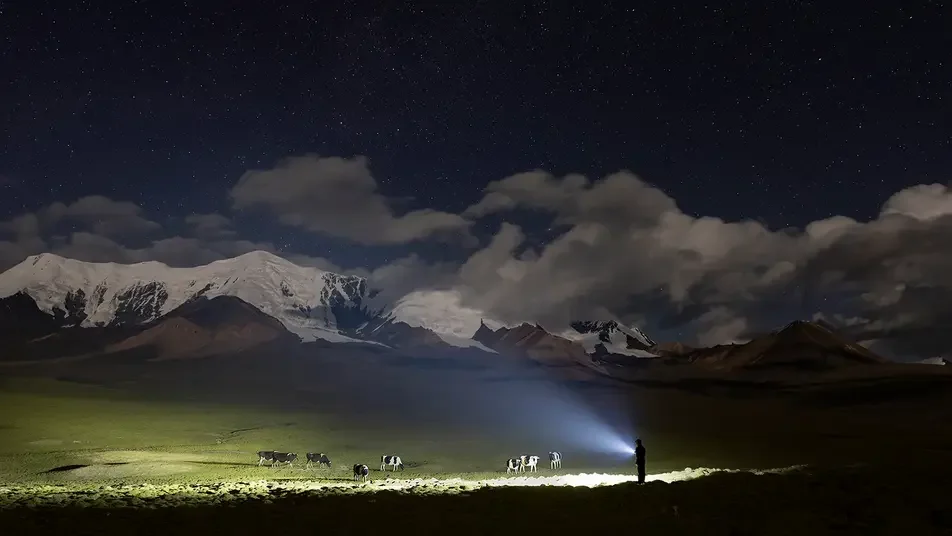
Conversely, vast open paddocks, cropped acreage, and sprawling drainage flats require extreme peak beam intensity (candela). The ANSI-FL1 standard rates beam distance to where light diminishes to 0.25 lux (roughly full moonlight). For safe target identification through an optic at practical engagement ranges of 200–300 metres, your torch should feature an ANSI beam rating of at least 600 to 1,500 metres to project adequate contrast onto dark-coated animals.

- 1,800 Lumens Output: Deep reflector delivers intense focus across broad paddocks.
- 1,500 Metre Beam Distance: Resolves targets and safe backdrops well beyond standard shooting distances.
- Wireless Remote Switch: Effortless mode management when mounted or bench-rested.
- Replaceable 5,000mAh Battery Pack: Supports dual USB-C and magnetic base charging.
Walking in vs Working from the Ute: How Carry Distance Changes the Pick
Weight distribution is critical when planning your nighttime excursion. When shooting or spotlighting directly from a ute tray or buggy, physical torch weight is largely negligible. In vehicle operations, larger multi-cell lights like the Olight Marauder Mini 2 excel because their robust heat sinks and massive 7,500 mAh battery capacity allow sustained lumen output over hours of paddock sweeping.
However, stalking kilometres across rough, rutted ground on foot demands minimalism. Carrying a heavy multi-cell light alongside your primary gear rapidly induces fatigue and reduces stability. Compact single-21700 tactical torches provide the ideal balance: under 250 grams total weight while still outputting high candela for immediate spot-checking across creek crossings and tree lines.


- 2,600 Lumens & 99,310cd: Piercing centre hotspot cuts through fog, dust, and timber.
- Lightweight Stalking Profile: Weighs just 249g (with 5000mAh 21700 battery included).
- Dual Charging System: Supports hidden USB-C and rapid MCC3 magnetic charging cables.
- Tactical Tail Switch: Instant two-stage activation for rapid high/low switching.
Why Does Identifying the Target and What's Beyond It Come Before Brightness?
Under Australian firearm safety principles, absolute target identification and backstop verification are paramount. Eye shine alone never justifies a shot; native marsupials, livestock, working dogs, and non-target wildlife can display similar ocular reflections in low light. A quality best led torch for hunting must project sufficient optical clarity to confirm body outlines, head shape, and exact behaviour.
Equally critical is illuminating the background zone. High candela throw ensures you detect distant boundary fences, cattle troughs, farm machinery, or rising hills behind the animal before making any decision. (Source: NSW Police Force Firearms Registry Safety Guides).
Pig Country, Fox Control and Deer on Private Land: What Changes for the Light
Different feral pest species exhibit distinct behavioural reactions to white and colored beams:
- Feral Pigs: Highly resilient and frequently found in lignum, riverbeds, or dense crop edges. When illuminating sounders, lights like the Olight Seeker 4 Pro provide intense 4,600-lumen wide spill to track multiple moving animals simultaneously.
- Red Foxes: Extremely light-shy in heavily hunted agricultural zones. A tight spot beam like the Olight Javelot Turbo 2 or a high-candela red secondary output on the Marauder Mini 2 helps avoid spooking cunning foxes across wide paddocks.
- Wild Deer on Private Acreage: Stalking over rolling contours demands sustained beam distance to confirm safe backdrops against distant ridges before assessing legal management criteria.


- Dual Optical Toggle: Instantly switch between 10,000 lm flood and 750 m focused spotlight.
- Integrated Red Mode: 400-lumen red output preserves night vision during fox and pest observation.
- High-Capacity 7,500mAh Battery: Delivers long runtime for extended vehicle scanning sessions.
- Rotary Knob Interface: Stepless brightness adjustment even when wearing hunting gloves.
Cold Nights, Heat in the Ute and Runtime on High
Modern high-performance LED torches generate substantial internal heat when operating on Turbo modes. Quality LED lights incorporate active thermal step-downs to prevent internal circuit damage. For example, a 2,600-lumen light will sustain maximum power for several minutes before smoothly adjusting down to a continuous high level of 1,000 or 600 lumens.
Sub-zero winter conditions in the southern ranges improve natural convective cooling, extending peak Turbo runtimes. Conversely, operating high modes inside a warm ute cab causes faster thermal step-downs. For uninterrupted illumination throughout the night, rely on the torch's sustained High or Medium mode (600–1,200 lumens), saving full Turbo bursts for positive identification sweeps.
Which State Rules Apply to Night Hunting with Lights?
Hunting regulations across Australia vary strictly by state jurisdiction, land tenure, and target species:
- New South Wales (NSW): Spotlighting for declared pest animals (pigs, foxes, rabbits) is permitted on private property with written landholder permission. However, hunting game animals on declared public land between sunset and sunrise is strictly prohibited. (Source: NSW Department of Primary Industries Hunting Regulations).
- Victoria (VIC): Spotlighting for feral pests is legitimate on private property with landowner consent. Hunting game deer using artificial lights on public land is strictly illegal under the Wildlife (Game) Regulations. (Source: Game Management Authority Victoria).
- Queensland & Other States: Feral pest management on private pastoral properties routinely utilises artificial illumination, subject to safe firearms carriage and strict landholder authorization.

Frequently Asked Questions
Can I use a rechargeable LED torch mounted directly to my rifle?
Yes, purpose-built long-throw models like the Olight Javelot Turbo 2 are specifically designed with magnetic mount compatibility and wireless remote switches to handle standard centrefire recoil when managing feral game on private land.
Why is candela (lux) more important than total lumens for fox hunting?
Candela measures concentrated beam intensity in a single direction, whereas lumens measure total raw light output in all directions. A high-candela torch like the Warrior X 4 (99,310 candela) casts a tight hotspot out past 600 metres, providing optical clarity without washing out the foreground.
How should I charge and maintain my hunting torch batteries during remote trips?
Modern Olight models support dual charging via magnetic MCC cables and onboard USB-C ports. Connecting your torch to your ute's 12V auxiliary port or a high-capacity power bank between stalks ensures maximum runtime throughout multi-day hunting trips.