Table of Contents
- Stargazing in Australia: Why Our Dark Skies Demand the Right Gear
- Why You Need a Red LED Torch for Stargazing (The Science of Night Vision)
- How to Choose the Best Astronomy Flashlight
- Best Olight Red Light Gear for Australian Stargazers (Our Best Picks)
- Pro-Tips to Maximize Your Night Vision in the Wild
- FAQs about Astronomy Flashlights
Stargazing under the pristine southern skies is one of the most breathtaking experiences Australia has to offer. However, to truly appreciate the cosmos, you need the right gear. A standard white torch will instantly ruin your night vision and disrupt those around you. That is why a dedicated red light torch is an essential tool for every amateur astronomer, astrophotographer, and outdoor adventurer in Australia.
In this ultimate guide, we will explore why red light is crucial for stargazing, how to choose the best astronomy flashlight, and review the top Olight red light gear available for Australian dark sky observers.
Stargazing in Australia: Why Our Dark Skies Demand the Right Gear
Australia boasts some of the most spectacular dark sky resources in the world. From the rugged beauty of New South Wales’ Warrumbungle National Park—Australia's first International Dark Sky Park—to the vast expanses of the River Murray Dark Sky Reserve in South Australia, our continent offers unparalleled views of the Milky Way, the Southern Cross, and deep-sky nebulae.
In these gold-tier dark sky reserves, light pollution is virtually non-existent. However, this pristine environment comes with a catch: even the slightest flash of harsh white light from a phone screen or standard torch can instantly destroy your eyes' adaptation to the dark. It takes your eyes up to 30 minutes to recover full night vision after being exposed to white light. To preserve the darkness and respect fellow observers, using a dedicated red light torch is non-negotiable.
Why You Need a Red LED Torch for Stargazing (The Science of Night Vision)
The human eye relies on two main types of photoreceptors: cones (for colour and detail in bright light) and rods (for low-light vision). When you enter a dark environment, your eyes undergo "dark adaptation." During this process, your rods produce a highly light-sensitive protein called rhodopsin.
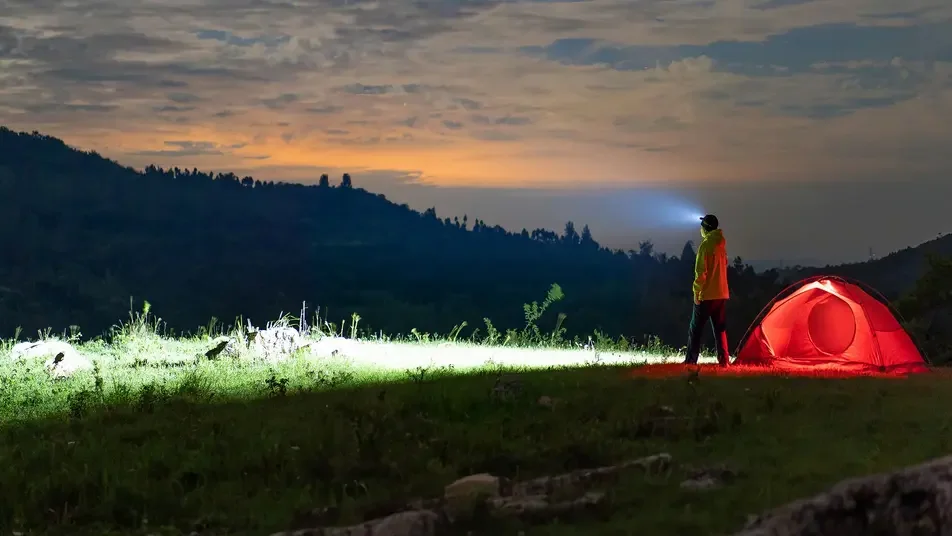
Standard white light instantly breaks down rhodopsin, blinding your night vision. However, human rod cells are practically insensitive to wavelengths on the far-red end of the spectrum (typically between 620nm and 630nm). By using a red led torch stargazing setup, you can generate enough illumination to read star charts, adjust telescope mounts, or find your eyepiece without triggering the breakdown of rhodopsin. This scientific principle is why red light remains the gold standard for tactical, military, and astronomical night operations.
How to Choose the Best Astronomy Flashlight
Not all red lights are created equal. When selecting a torch for astronomical observations, keep these critical factors in mind:
1. Adjustable Red Light Output (Multiple Modes)
Even red light can impair night vision if it is too bright. A high-quality astronomy flashlight must feature an adjustable output, including an ultra-low mode (often called moonlight or low red light, around 1 to 5 lumens) for close-up reading, alongside a brighter mode (40+ lumens) for navigating camp trails.
2. Hands-Free Versatility (Headlamps & Clips)
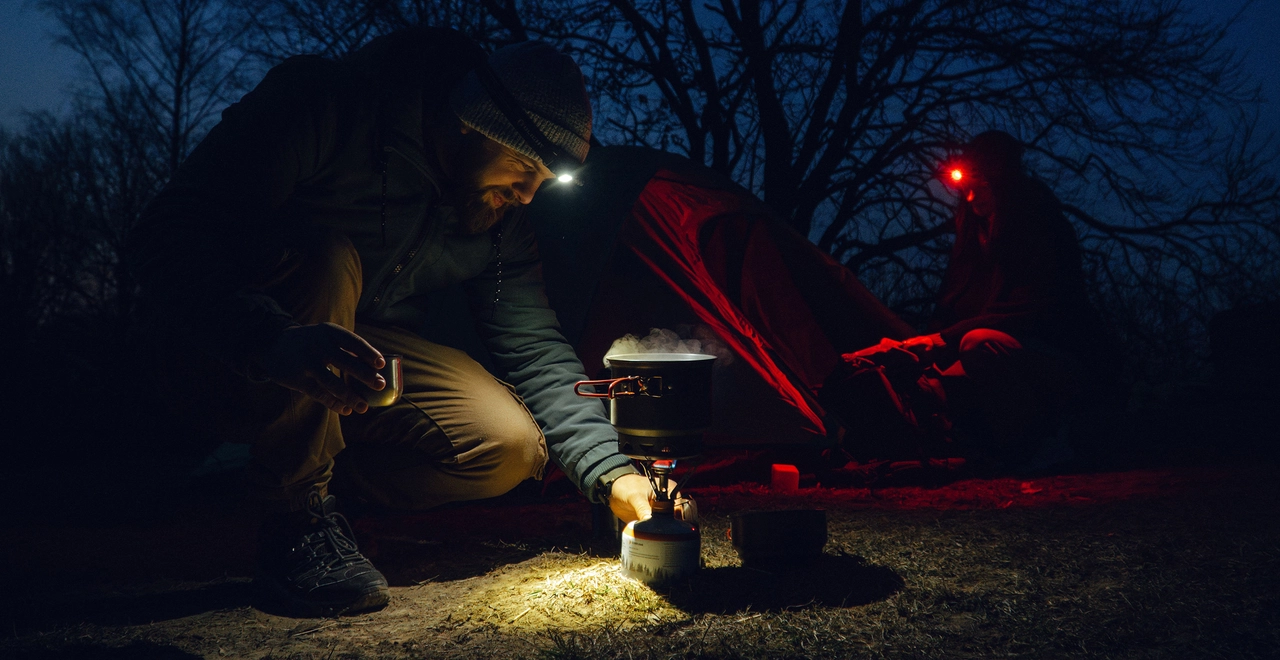
Manipulating telescope dials, swapping lenses, and holding star maps require both hands. Look for gear that can be worn as a headlamp, clipped to your jacket, or magnetically attached to steel tripod legs.
3. Instant Red Light Access (No Blinding White Glare)
The switch logic is vital. A poorly designed torch forces you to cycle through bright white modes before reaching the red beam. Your stargazing light must offer direct access to the red mode or feature a physical lock to prevent accidental white flashes.
Best Olight Red Light Gear for Australian Stargazers (Our Best Picks)
If you are searching for the best red light flashlight for astronomy or the best red light flashlight for stargazing in Australia, here are our top three recommended Olight setups tailored for local dark sky conditions.
1. Olight Perun 3 Mini (The Ultimate Hands-Free Red Light Headlamp)
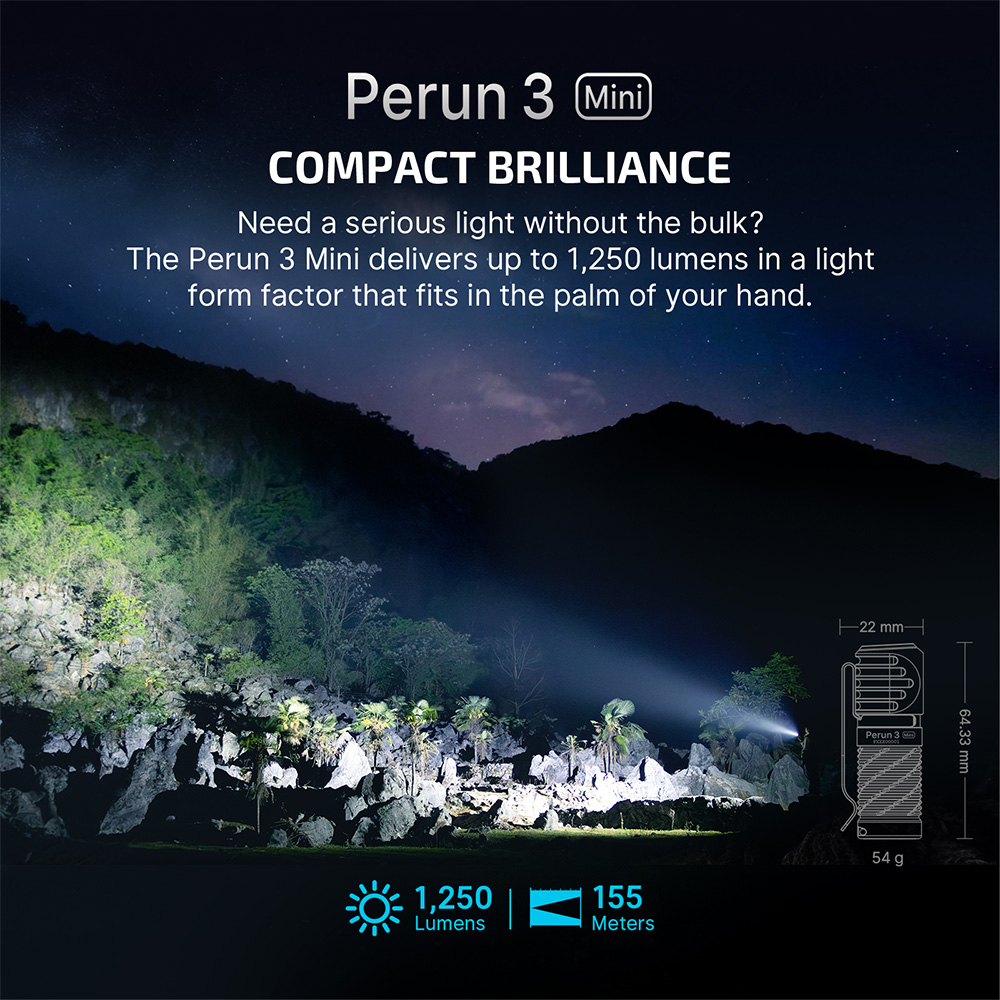
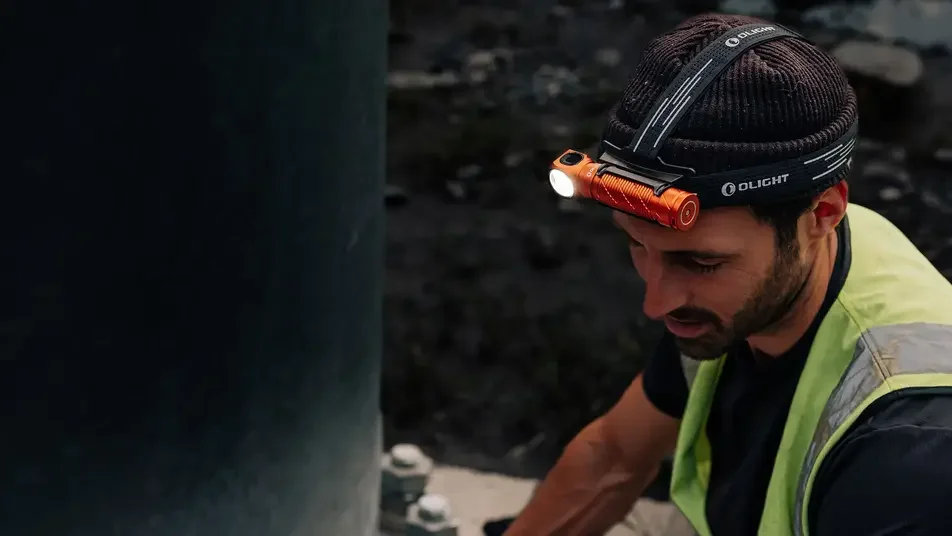
The Olight Perun 3 Mini is an exceptionally versatile right-angle torch that functions perfectly as both a handheld torch and a headlamp.
- Hands-Free Navigation: The quick-release bracket lets you transition from headband to pocket clip in seconds. The upgraded headband features breathable holes, an anti-sweat strip, and reflective material for maximum comfort during freezing winter observation runs.
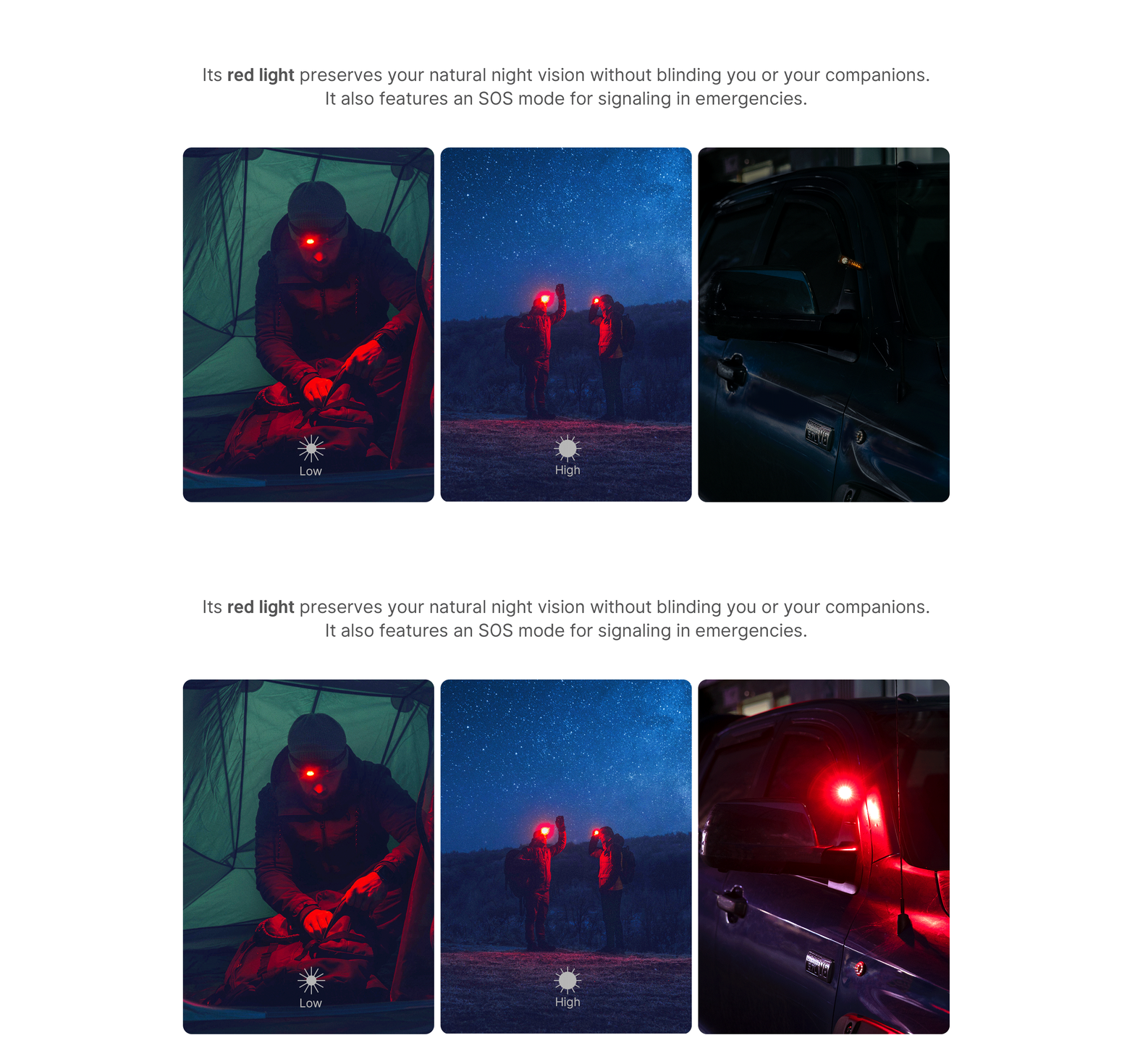
- Dual Light Sources: It features a brilliant cool white LED of up to 1,250 lumens for setting up camp, paired with dedicated low and high red light modes (5 lumens and 45 lumens) that preserve your night vision.
- Massive Battery Power: While the headlamp itself offers 19 hours of runtime on low red light (5 lumens), the custom Premium charging case (featuring a built-in 5,000 mAh battery) recharges the Perun 3 Mini up to five times, extending your red light runtime up to an astounding 114 hours.
2. Olight Oclip Pro (The Perfect Clip-On Light for Gear & Telescopes)
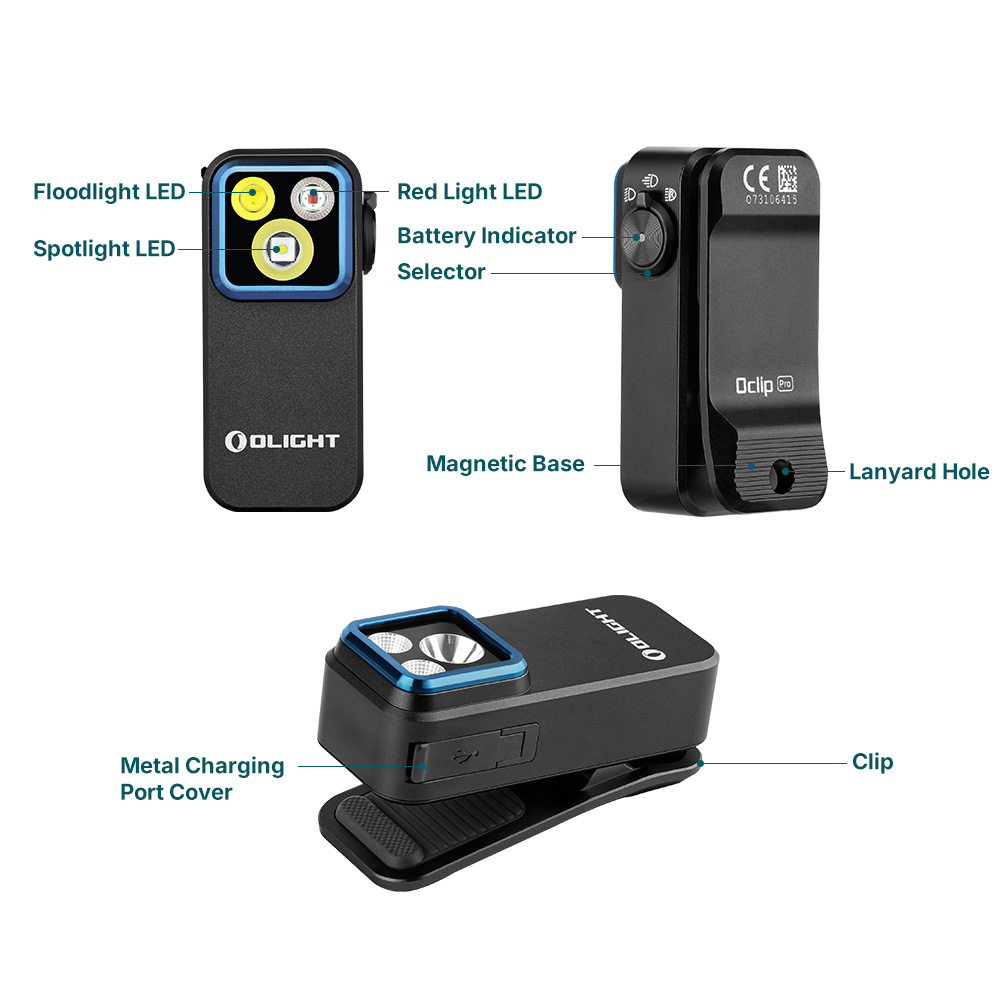
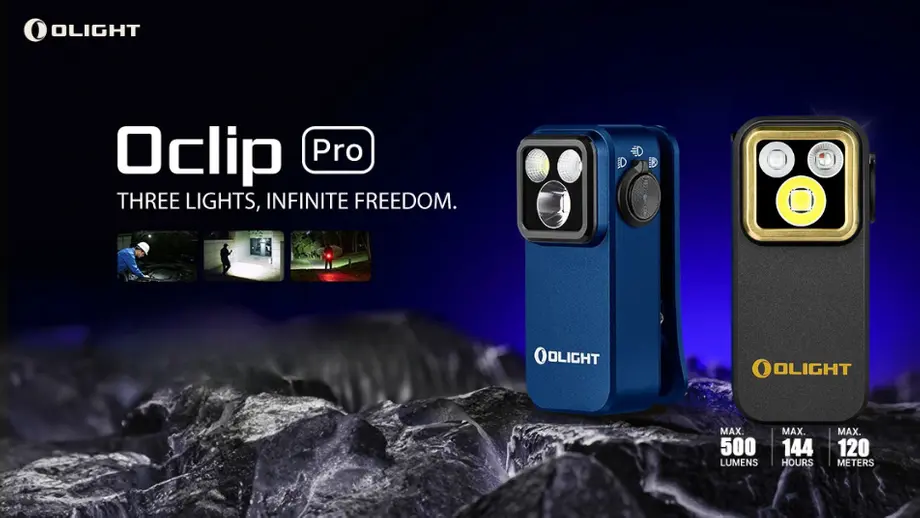
For a compact, clip-anywhere solution, the Olight Oclip Pro is unmatched.
- Flexible Attachment: Equipped with a heavy-duty, spring-loaded clip that withstands over 10,000 open-and-close tests, you can securely attach it to telescope tripod legs, backpack straps, or jacket collars.
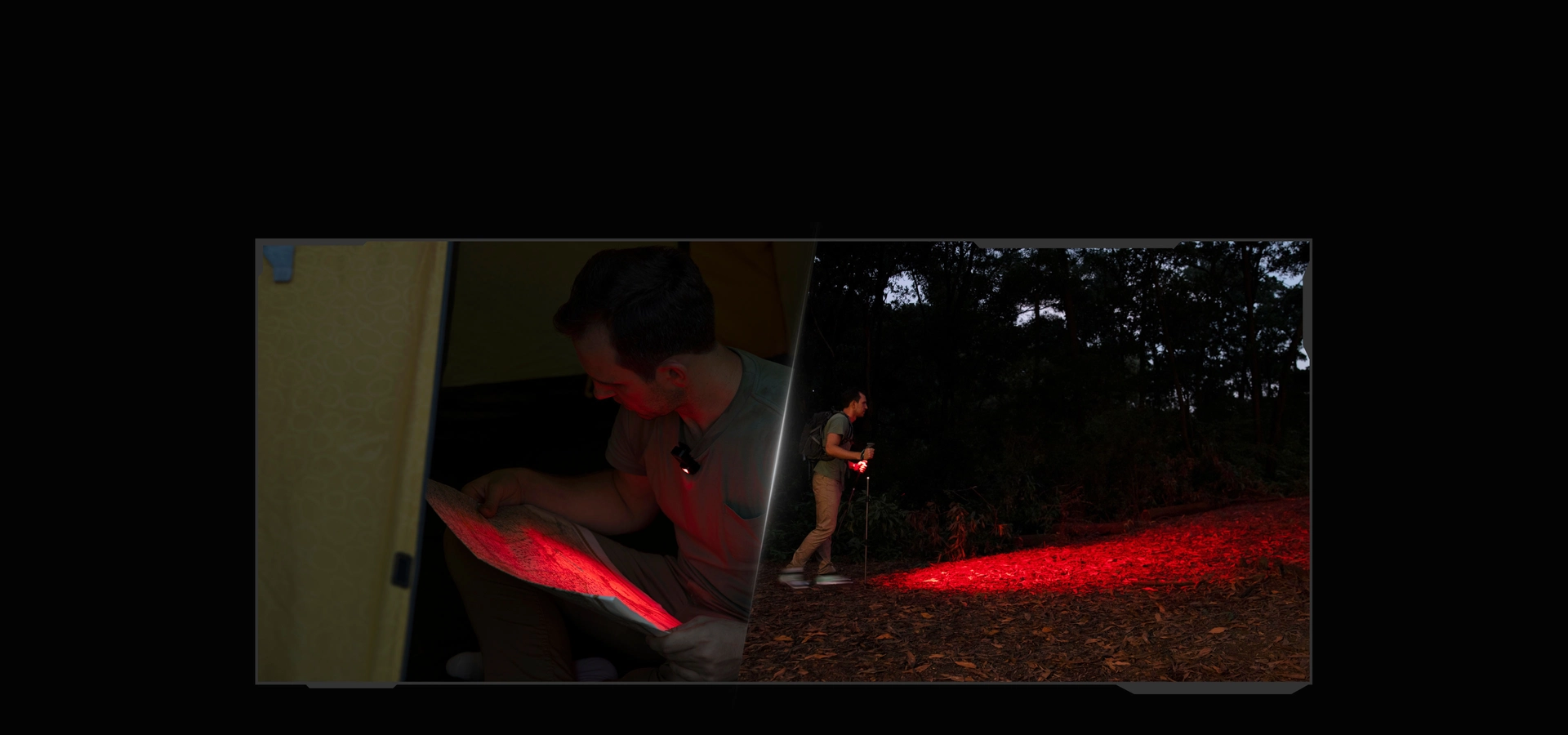
- Low-Level Red Light: Features a 4-lumen low red light setting that is absolutely perfect for close-range eyepiece changes, alongside a brighter 40-lumen red mode.
- Robust & Rechargeable: Offers up to 29 hours of run time on low red light (4 lumens) and features a durable metal charging port cover to protect it from dust and dew, remaining waterproof (IPX6) even with the cover open.
| Parameter | Specification |
|---|---|
| Max Output (White) | 500 lumens (Floodlight) / 380 lumens (Spotlight) |
| Max Output (Red) | 40 lumens (High) / Red Blink (1Hz @ 20lm) |
| Low Red Light Output | 4 lumens (29-hour runtime) |
| IP Rating | IPX6 (Waterproof against high-pressure jets) |
| Weight | 53 g (1.87 oz) |
3. Olight ArkPro Lite (The Ultimate 3-in-1 Flat EDC Flashlight for Stargazers)
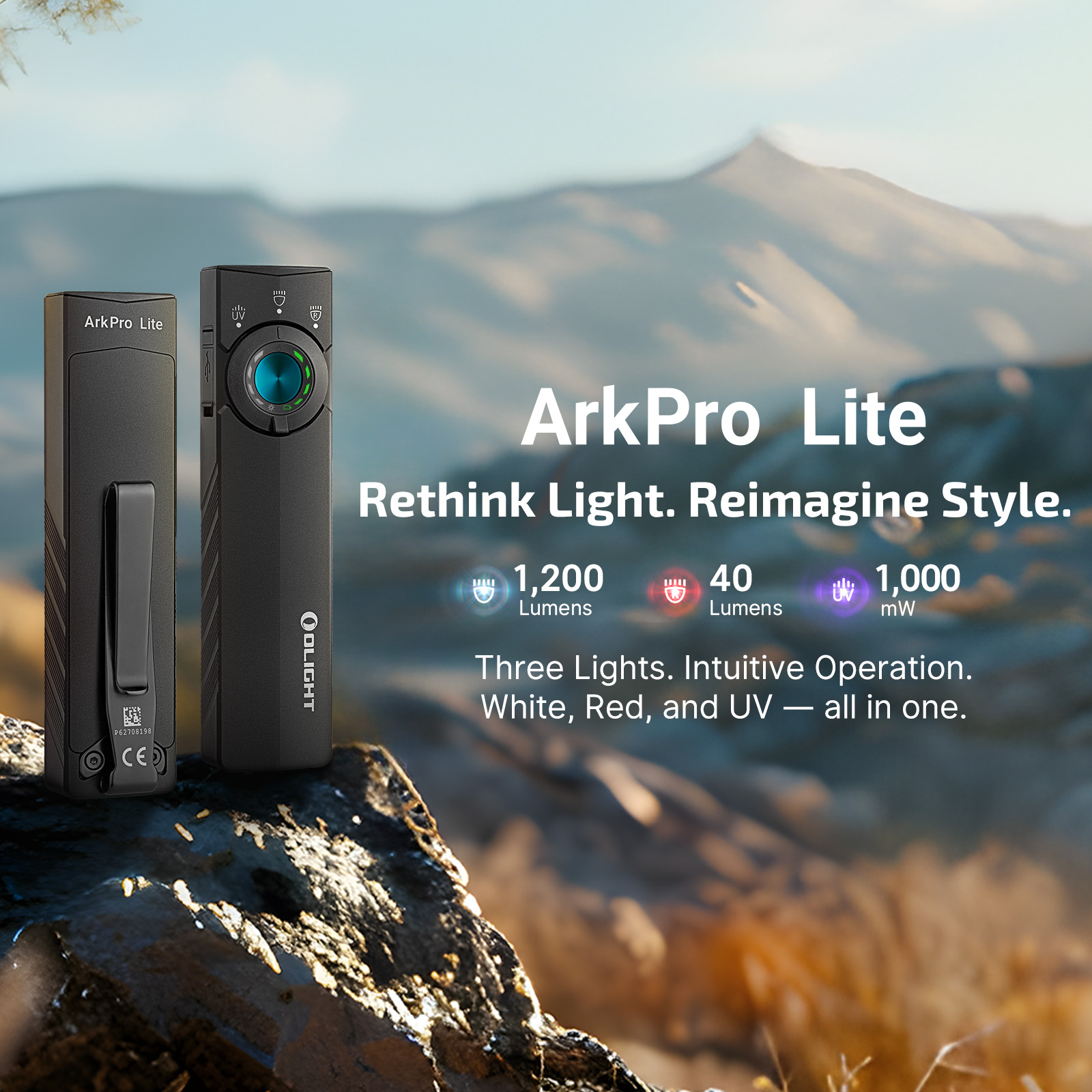
The Olight ArkPro Lite is specifically engineered to serve as a comprehensive utility tool for stargazers and outdoor enthusiasts.
- Tailored Red Modes: Unlike other multi-light EDC torches, the ArkPro Lite includes a dedicated red light setting (40 lumens High / 5 lumens Low) that will not impair your dark adaptation. The 5-lumen Low mode provides up to 39 hours of continuous run time, while the SOS mode (40 lumens for up to 11 hours) is always ready for emergency signaling.
- Physical Selector Wheel: It features a highly intuitive mechanical rotary selector. In total darkness, you can select your mode by feel alone before turning the light on, completely eliminating the risk of accidental white-light blinding.
- Flat, Anti-Roll Body: The slim, rectangular unibody design prevents the torch from rolling off camping tables, car hoods, or sloped telescope accessory trays.
- Magnetic Charging & Tailcap: Allows you to attach the torch directly to steel tripod legs or car panels, functioning as an adjustable hands-free work light, while supporting Olight's convenient magnetic charging.
- Backup UV & White Light: When your stargazing session concludes, flip the switch to activate the 1,200-lumen white light to safely pack up your delicate optics, or use the 1,000mW UV light to inspect gear.
Pro-Tips to Maximize Your Night Vision in the Wild
- Patience is Key: Allow your eyes at least 20 to 30 minutes in complete darkness (or under low-intensity red light) to reach maximum dark adaptation before looking through an eyepiece.
- Configure Your Devices: Set your smartphone, tablet, or telescope control screen to "Night Mode" (which turns the interface red) and reduce the screen brightness to its absolute minimum.
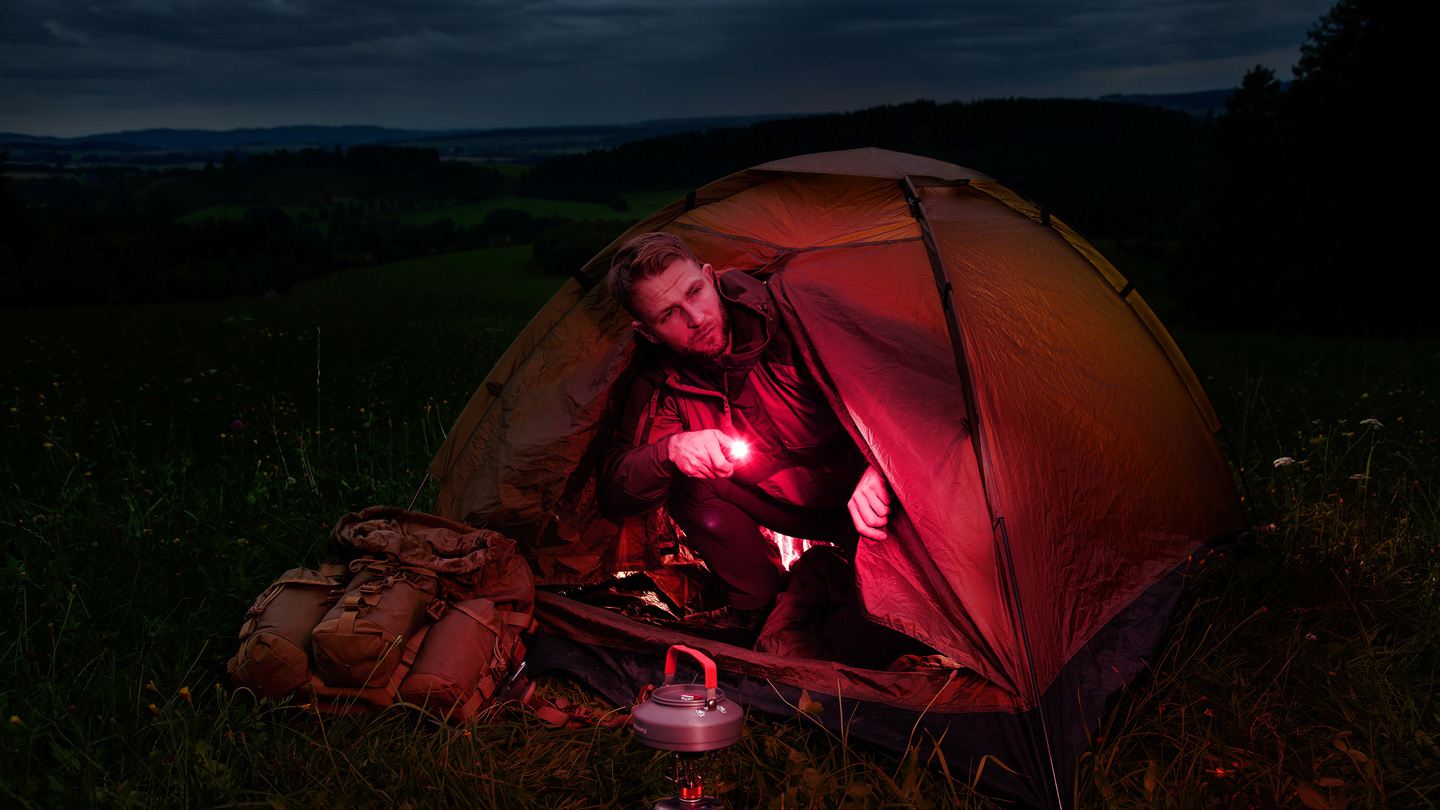
- Mind Your Step: When navigating dark campsites or rocky terrain, use a low-output red headlamp pointed downward to illuminate the ground, preventing trips while preserving night vision.