Selecting a safe bush campsite in Australia requires checking nine essential factors: ground flatness, flash flood drainage, overhead widow-maker branches, wind exposure, water proximity (60m minimum), vehicle access, shade angles, neighbor distance, and emergency egress. Never camp under River Red Gums, and use low-intensity red beacon light markers like the Obulb Pro S alongside high-power hands-free headlamps like the Perun 3 to identify and navigate your campsite after dark.
Choosing a secure bush campsite begins with evaluating overhead tree safety and ground elevation. Always inspect upper canopies for dead limbs, position tents on elevated ground above flash-flood lines, and maintain a minimum 60-meter distance from rivers. Performing a 9-point hazard sweep ensures weather protection, vehicle egress, and zero-impact camping.
- 1. Quick Answer: The Nine-Point Campsite Check
- 2. Why You Never Camp Under a River Red Gum
- 3. Arriving After Dark: A 15-Minute Site Selection Routine
- 4. Marking Your Camp So You Can Find It at 2 AM
- 5. Fire Restrictions and Total Fire Ban Days in Australia
- 6. Leaving No Trace on Dispersed Bush Sites
- 7. How do you choose a bush campsite?
- 8. Is it safe to camp under gum trees?
- 9. How far should you camp from water?
- 10. Frequently Asked Questions (FAQ)
1. Quick Answer: The Nine-Point Campsite Check
Dispersed 4WD camping across Australia's National Parks and crown land offers unprecedented freedom, provided you evaluate terrain safety before unrolling swags. Before pitching tents, run through nine critical safety checks: flat ground surface, surface drainage slope, overhead widow-maker branches, prevailing wind angles, water distance, 4WD vehicle egress, morning shade availability, neighbor space, and clear emergency exit paths. Equipping reliable illumination from Olight's camping and outdoor lights, omnidirectional lantern lights, hands-free head torches, and durable LED torches ensures stress-free night site setups.

Olight Obulb Pro S
Essential campsite location beacon. Magnetic base attaches effortlessly to vehicle roof racks or tent poles, emitting custom red or green beacon modes so you can locate your campsite from 100 meters away at night.
Buy Now2. Why You Never Camp Under a River Red Gum (Dropped Limb Data)
In the Australian bush, the River Red Gum (Eucalyptus camaldulensis) is notorious among park rangers as a "widow-maker." These massive trees routinely shed heavy, water-gorged branches weighing several hundred kilograms without warning. Thermal stress during hot summer days or sudden ambient temperature shifts causes internal cell hydraulic pressure drops, dropping limbs onto swags below even in calm, windless conditions.
3. Arriving After Dark: A 15-Minute Site Selection Routine
Reaching a bush campsite after dark requires a methodical 15-minute inspection routine before turning off your 4WD engine. Equipped with a high-lumen hands-free headlamp like the Perun 3, walk the site perimeter to check for hidden bull ant nests, dry riverbed depression lines, and low-hanging branches before committing to pitch your tent.

Olight Perun 3
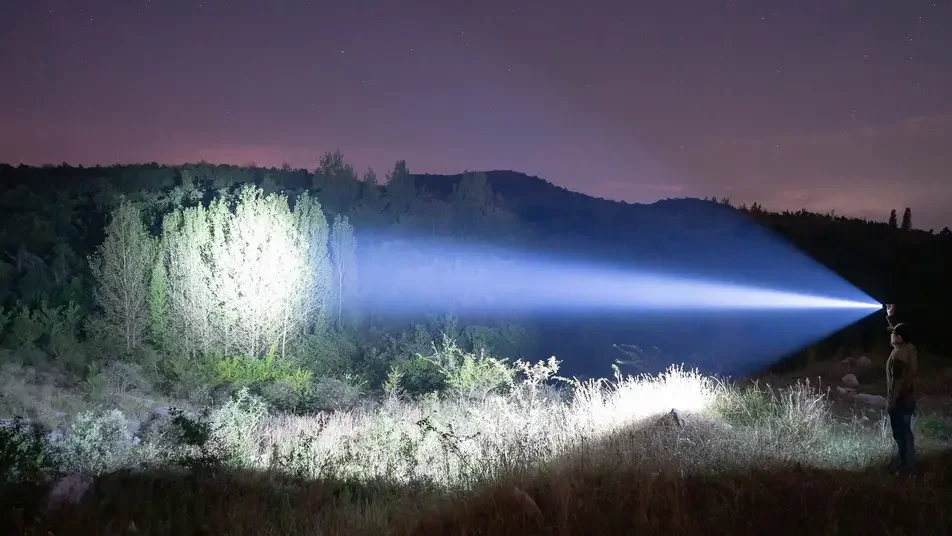
The ultimate night site setup companion. Casts a massive 3,000-lumen flood beam to illuminate tree canopies, featuring a dedicated red light mode for night vision preservation.
Buy Now4. Marking Your Camp So You Can Find It at 2 AM
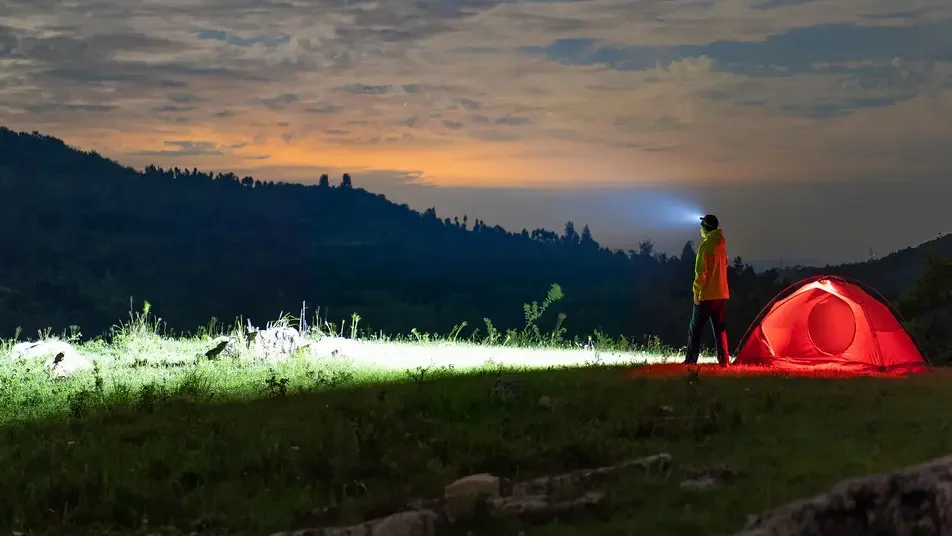
Dispersed bush sites lack ambient streetlight illumination or pitch markings. When stepping away from camp for late-night bathroom trips or stargazing, featureless bushland can cause disorientation. Placing a low-lumen, color-coded light beacon like the Obulb Pro S on your 4WD roof rack provides a clear visual homing target visible from 50 to 100 meters away.
5. Fire Restrictions and Total Fire Ban Days in Australia
Campfire safety is strictly regulated across Australia during the declared Bush Fire Danger Period. On official Total Fire Ban (TFB) days, lighting open solid-fuel campfires (including heat beads and wood campfires) is illegal nationwide. Always check state fire authority updates, such as the NSW Rural Fire Service Total Fire Ban map, before lighting campfires.
6. Leaving No Trace on Dispersed Bush Sites
How do you choose a bush campsite?
To choose a bush campsite, inspect overhead tree canopies for dead branches, verify that ground elevation is safe from flash floods, ensure a minimum 60-meter distance from water sources, and position swags or tents behind natural windbreaks away from game trails.
Is it safe to camp under gum trees?
No, camping directly beneath large Eucalyptus gum trees (especially River Red Gums) is unsafe. Gum trees frequently shed large, heavy branches without warning during hot weather, windstorms, or sudden temperature drops, earning them the nickname "widow-makers."
How far should you camp from water?
You should camp at least 60 meters (200 feet) away from rivers, lakes, and billabongs. Camping at this distance protects fragile riparian ecosystems, prevents water contamination, and allows native Australian wildlife undisturbed access to water during the night.
10. Frequently Asked Questions (FAQ)
Last Updated: September 2026. Published with updated Australian bushland safety checks, Eucalyptus branch hazard statistics, and Leave No Trace environmental compliance standards.
What site inspection step saved your best remote camping trip?