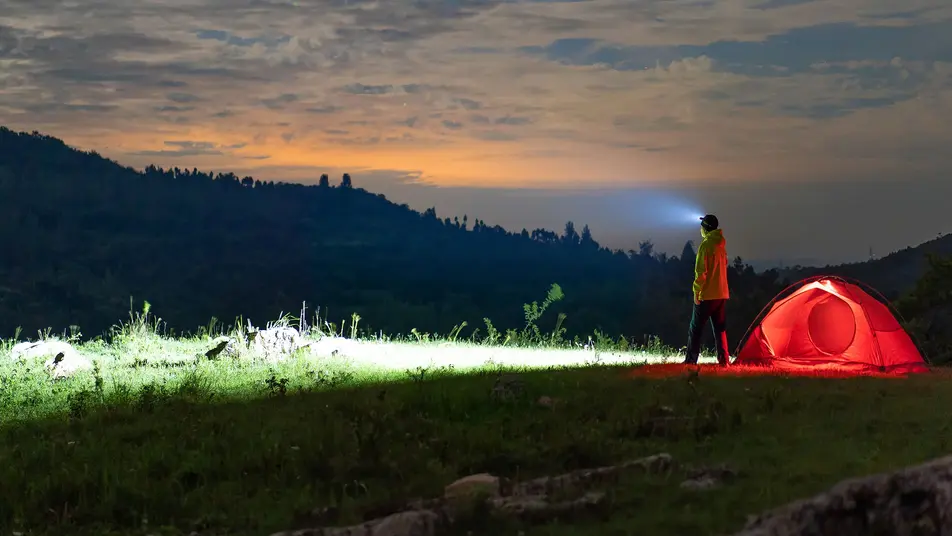
Staying safe while bushwalking in Australia requires preparing for snake encounters, managing extreme heat, and planning for unexpected trail delays. Never approach venomous snakes and carry a compression bandage for the Pressure Immobilisation Technique (PIT). Turn back when half your water supply is consumed or when ambient temperatures exceed 35°C. Always pack a featherlight backup torch like the i3E EOS or a compact EDC flashlight like the Baton 4 in your daypack to avoid getting stranded after dark.
Australian bushwalking safety depends on carrying snake bite first aid, managing water reserves, and packing backup illumination. Most day-hike search and rescue incidents stem from unforeseen delays pushing hikers into darkness without lights. Carrying a compact torch, snake bandage, and 1 liter of water per hour eliminates over 90% of wilderness emergencies.
- 1. Quick Answer: The Four Risks and Four Preparations
- 2. Snakes: Encounter Protocol and First Aid Basics
- 3. Heat: Turnaround Temperatures and Water Planning
- 4. Why a Backup Torch Belongs in a Day Pack (Late Return Statistics)
- 5. Trip Intentions and Who to Tell Before You Head Out
- 6. Is bushwalking dangerous in Australia?
- 7. What do you do if you see a snake?
- 8. How hot is too hot to hike?
- 9. Frequently Asked Questions (FAQ)
1. Quick Answer: The Four Risks and Four Preparations
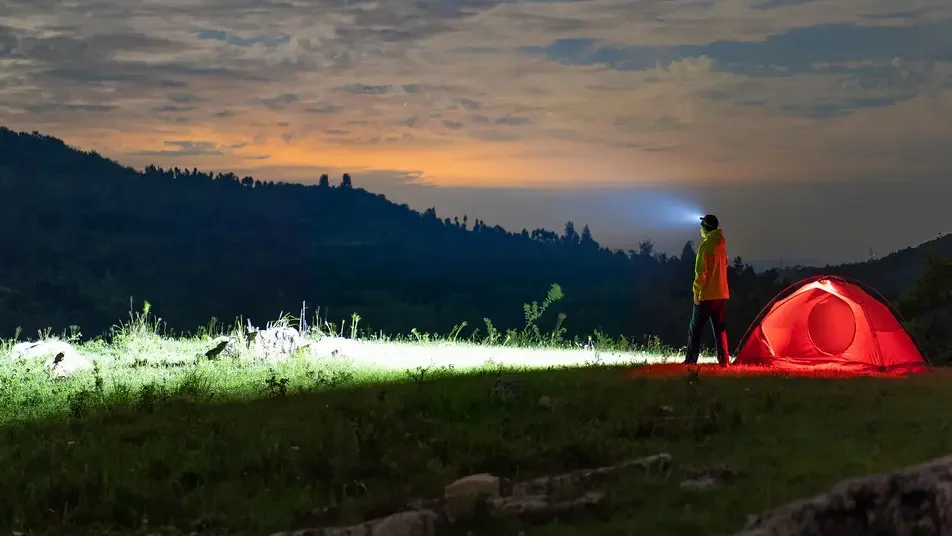
Bushwalking across Australia’s National Parks offers stunning wilderness views, but requires respecting environmental hazards. The four main dangers hikers face include venomous snake encounters, extreme summer heat, getting stranded past darkness without lighting, and losing mobile reception. Preparing essential gear from Olight's lightweight LED torches, hands-free head torches, and general camping and outdoor gear ensures you stay safe on every trail.

Olight i3E EOS
The perfect zero-weight backup light. Clips to daypack zippers or keychains, ensuring you always have a reliable 90-lumen emergency beam if your primary light battery depletes.
Buy Now2. Snakes: Encounter Protocol and First Aid Basics
Australia is home to venomous species such as the Eastern Brown Snake, Tiger Snake, and Red-bellied Black Snake. Snakes are generally timid and strike only when cornered or stepped on. Follow official safety guidelines from the Australian Red Cross First Aid guidelines:
- Stop and Back Away: Freeze immediately upon spotting a snake on the trail and slowly step backward at least 5 meters. Never attempt to poke or move a snake.
- Pressure Immobilisation Technique (PIT): In the event of a bite, apply a broad elasticised compression bandage firmly over the bite site and wrap the entire limb toward the heart.
- Do Not Wash the Bite: Leave venom residue intact on skin; hospital medical staff use venom detection kits to match anti-venom treatments.
3. Heat: Turnaround Temperatures and Water Planning
Dehydration and heat exhaustion occur rapidly during Australian summer months. Experienced bushwalkers follow the strict "Half-Water Rule": when 50% of your total water supply is consumed, turn around immediately regardless of how close you are to the summit or turnaround point. Avoid initiating strenuous bushwalks when ambient temperatures exceed 35°C.

Olight Baton 4
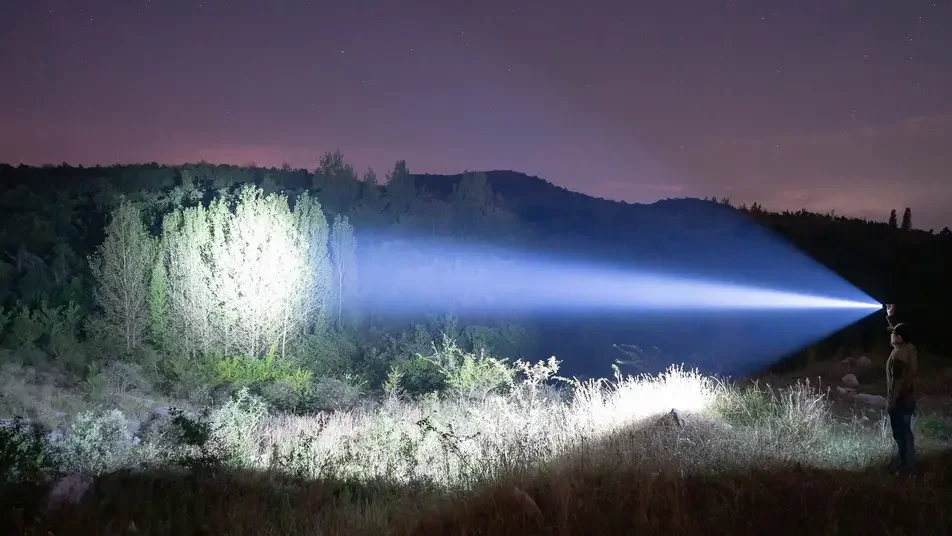
Delivers intense 1,300-lumen output in a thumb-sized body. Perfect for spotting trail markers across dark gullies or signaling search parties during wilderness bushwalking emergencies.
Buy Now4. Why a Backup Torch Belongs in a Day Pack (Late Return Statistics)
Search and rescue statistics from State Emergency Services (SES) reveal that over 60% of day-hiker search calls stem from unexpected delays (minor sprains, navigation errors) that cause hikers to be caught out past dusk without a light source. Using mobile phone flashlights quickly drains phone batteries needed for Emergency Call (000) access, making a dedicated ultralight torch an indispensable piece of safety kit.
5. Trip Intentions and Who to Tell Before You Head Out
Always leave a detailed trip plan with a reliable emergency contact before entering bushland. Specify your starting trailhead, planned route, expected return time, and a "cutoff time" at which your contact should notify emergency authorities if you fail to check in.
Is bushwalking dangerous in Australia?
Bushwalking in Australia is very safe when properly prepared, but presents risks due to extreme ambient heat, sudden weather changes, venomous snakes, and remote areas lacking cellular reception. Carrying essential navigation tools, sufficient water, first aid supplies, and emergency lighting minimizes these hazards.
What do you do if you see a snake?
If you see a snake while bushwalking, stop moving immediately and slowly back away at least 5 meters. Allow the snake space to move off the trail naturally. Never attempt to approach, strike, or move a snake.
How hot is too hot to hike?
Temperatures above 35°C are generally considered too hot for moderate to strenuous bushwalking in Australia. High temperatures significantly elevate risks of severe dehydration, heat stroke, and heat exhaustion, particularly on unshaded, exposed tracks.
9. Frequently Asked Questions (FAQ)
Last Updated: September 2026. Published with updated Australian Red Cross Pressure Immobilisation Technique (PIT) guidelines, day-hiker search and rescue statistics, and summer heat turnaround safety protocols.
What essential safety item never leaves your daypack?