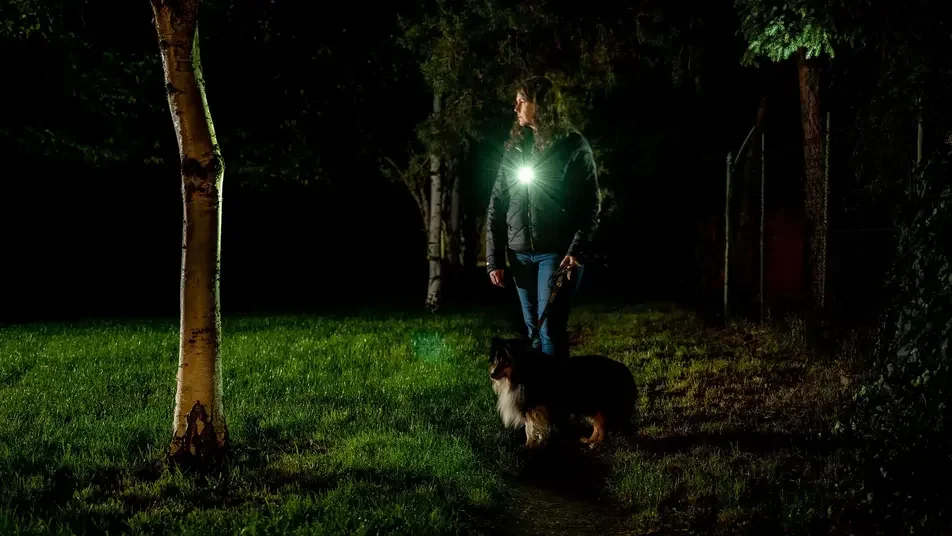
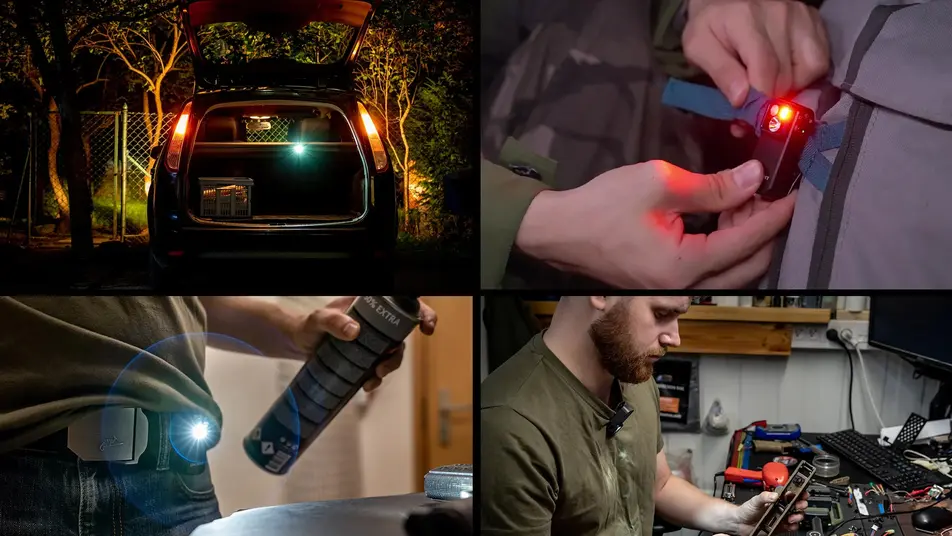
TL;DR: Upgrading to a head torch under 200 AUD is essential for technical Australian bushwalking, 4WD recoveries, and industrial trade work where high sustained lumen output, aircraft-grade A6061-T6 aluminium thermal sinking, and 5000mAh 21700 cell capacities are mandatory. While cheap plastic lights suffice for basic campsite chores, rigorous remote environments demand robust ANSI/NEMA FL1 performance, IP68 water resistance, and reliable Australian Consumer Law (ACL) compliance.
| Scenario | Model | Peak Throw / Candela / Lumens | Weight (with Battery) | Charging Format | Key Trade-off |
|---|---|---|---|---|---|
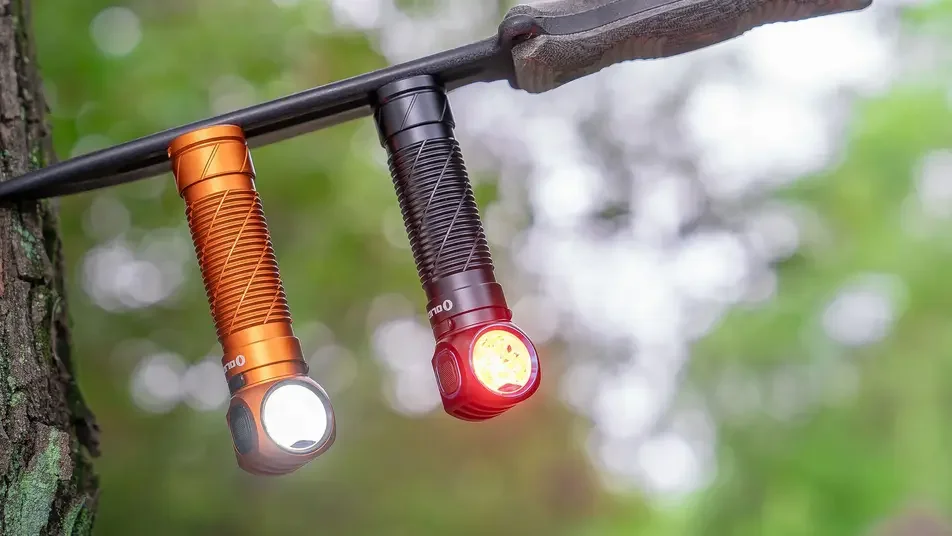
| 4WD Touring & Technical Trail Navigation | Olight Perun 3 | 160 m Throw / 3,000 lm Turbo | 150 g | MCC3 Magnetic Charging | Exceptional 21700 runtime and durable aluminium body; slightly heavier than ultra-minimalist trail bands. |
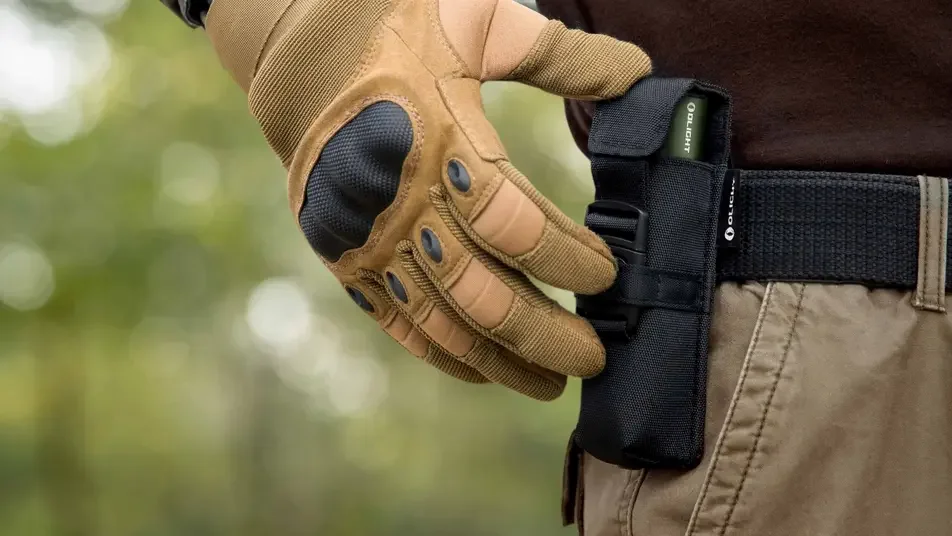
| EDC Pocket Carry & Pack Chores | Olight Oclip Pro | 120 m Throw / 500 lm Flood | 53 g | USB-C Rechargeable | Extremely lightweight multi-mount clip; smaller 580mAh cell requires more frequent charging on long expeditions. |
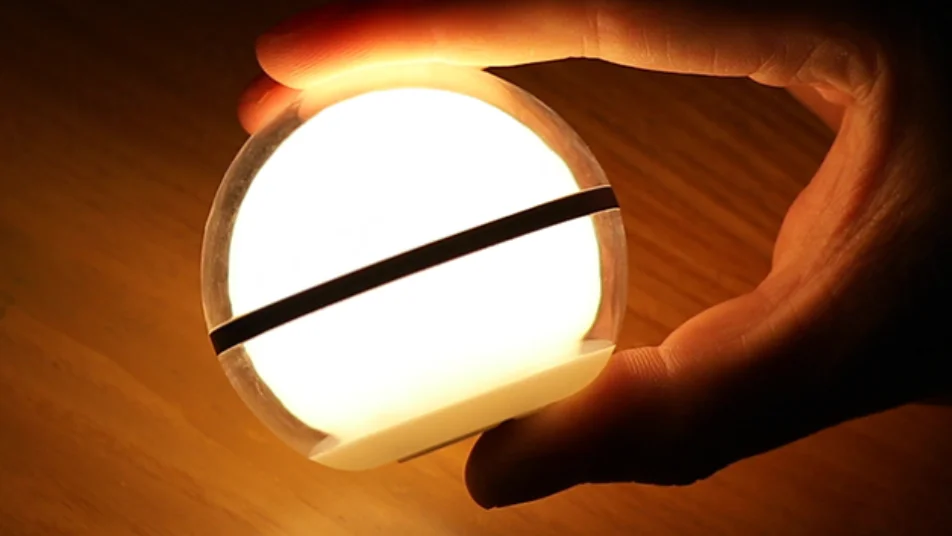
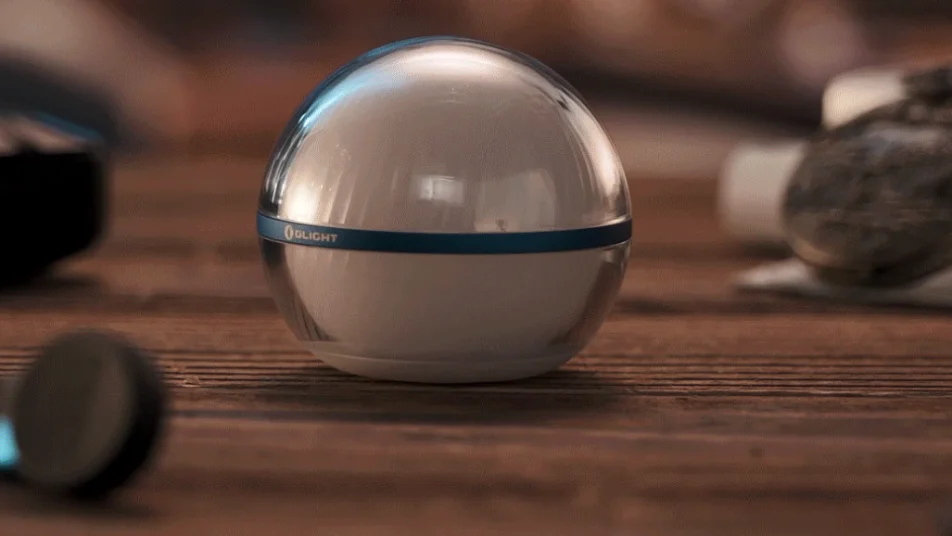
| Camp Inspection & UV Diagnostics | Olight Oclip 2 Ultra | 130 m Throw / 580 lm Flood + UV | 79.5 g | USB-C & Magnetic Dock | Versatile 4-in-1 multi-beam system with 360° rotation; heavier profile than basic single-mode key-chain lights. |
Shopping for illumination equipment in Australia often leads to a major price crossroads. While a basic twenty-dollar hardware store lamp lights up a tent, challenging trail navigation demands serious gear. Investing in a purpose-built head torch under 200 dollars delivers substantial performance gains, providing advanced thermal regulation, genuine ingress protection, and rugged structural durability necessary for harsh remote Australian environments.
Table of Contents
- Quick answer: pay more only if you need higher sustained output, longer runtime or head-to-hand flexibility
- What the extra money buys: heat management, sustained lumens and optics
- Perun 3 vs Perun 2: head-to-hand torches around $126
- Array 2 Pro and Array 2S: beam shaping and hands-free sensing
- Who needs it: trail runners, 4WDers, search volunteers and tradies
- Who doesn't need a premium head torch?
- Is the extra weight worth it on a long night?
- Frequently asked questions
Quick answer: pay more only if you need higher sustained output, longer runtime or head-to-hand flexibility
The jump from a $50 plastic headlamp to a performance-oriented head torch under 200 dollars is not merely about an inflated burst lumen rating printed on cardboard packaging. The defining difference is how long that brightness remains usable before intense thermal throttling drops the output down to a dim flicker. Standard lights frequently shed up to eighty percent of their initial output within three minutes to keep cheap plastic chassis from warping or melting.
If your adventures consist of unzipping an esky, fixing an awning peg, or reading a novel inside a swag, sub-$100 clip units or simple headbands offer ample power. But when trekking along technical ridgelines, recovering an off-road rig in dense mud, or working on industrial sites, stepping up into the realm of a premium Perun 3 head torch under 200 ($159.95 AUD incl. GST) ensures consistent light across extended shifts without constant battery swaps.
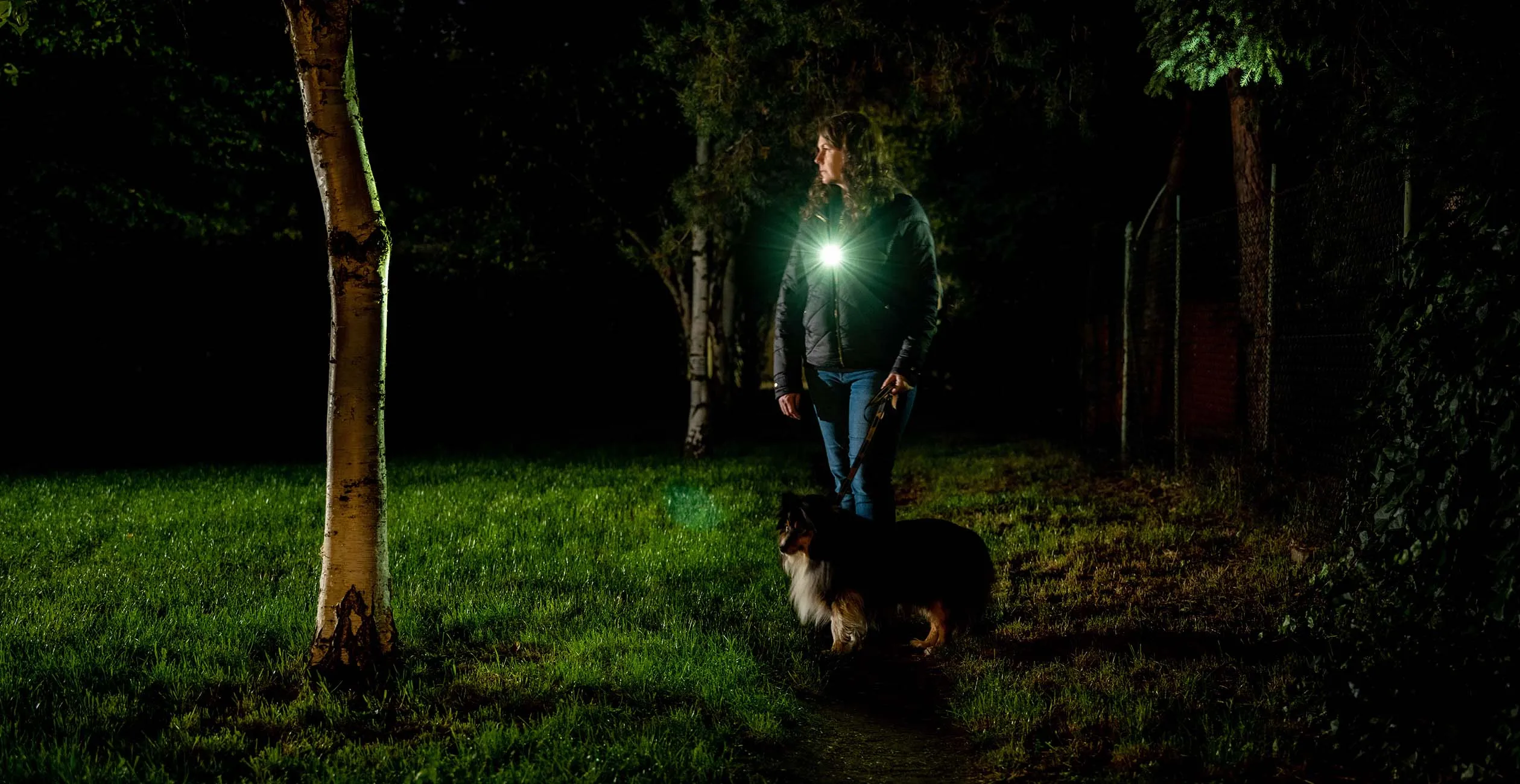
What the extra money buys: heat management, sustained lumens and optics
High-grade portable illumination depends fundamentally on physics. Driving an advanced LED emitter to generate 1,000 lumens or more produces intense junction heat. Premium units address this via aircraft-grade A6061-T6 aluminium housings, acting as broad thermodynamic heat sinks to disperse thermal energy safely across the casing.
Furthermore, optics separate enthusiast-grade gear from mass-market hardware. Inexpensive lights use basic plastic lenses that create harsh rings and distorted shadows. Conversely, a high-calibre head lamp under 200 uses precision Total Internal Reflection (TIR) optical bead lenses or multi-emitter arrays. These optics blend a uniform flood with a balanced hot spot, preventing optical fatigue during intense night work.
Standardisation testing under the international ANSI/NEMA FL 1 framework highlights why peak numbers mislead. Under standard definitions, runtime measures the total duration until output falls below a nominal ten percent of initial brightness. Premium makers build regulated constant-current circuits that prevent sagging voltages, ensuring your flashlight maintains its stated medium or high output for multiple continuous hours (Source: Flashlight Wiki ANSI FL1 Standards Guide).
Perun 3 vs Perun 2: head-to-hand torches around $126
Right-angle illumination tools are celebrated for versatility. The Olight Perun series stands at the forefront of this category. While the legacy Perun 2 won widespread recognition with its 2,500-lumen output and rugged build, the modern Perun 3 enhances user ergonomics by delivering up to 3,000 lumens alongside dedicated dual-output red lighting modes.

A workhorse light yielding up to 3,000 lumens, powered by a customized 5000mAh 21700 cell with integrated red-light capability and IP68 waterproof rating. Features a rugged metal mounting bracket for quick release from head to hand ($159.95 AUD incl. GST).
- Max 3,000 lm with 160 m beam throw
- Up to 20 days runtime on Moonlight mode
- Customised 5000mAh 21700 rechargeable battery
Red light illumination is essential when checking maps or inspecting gear, as night vision preserves rhodopsin in human rod cells. The Perun 3 integrates red illumination directly into its primary optic, avoiding secondary plastic filters. Furthermore, its upgraded metal bracket secures the tool firmly during rugged work while permitting rapid detachment for handheld inspection tasks.
Array 2 Pro and Array 2S: beam shaping and hands-free sensing
Dedicated running lights require distinctive engineering compared to industrial torches. The Array series places the light source directly on the forehead while housing the power supply at the back of the head. This fifty-fifty weight balance eliminates annoying downward bounce during quick strides.
Equipped with integrated infrared gesture controls, both the Array 2 Pro and Array 2S allow hands-free operation. Users can wave a hand past the front optical bezel to switch light modes or adjust brightness levels. When wearing thick mud-caked rigging gloves in alpine conditions, this responsive touchless switching proves exceptionally practical.
For those carrying ultra-compact safety lights in daypacks, secondary utility clips such as the Oclip Pro head torch under 200 ($59.95 AUD incl. GST) companion provide 500 lumens alongside spotlight, floodlight, and red beacons. Similarly, carrying an Oclip 2 Ultra head torch under 200 ($79.95 AUD incl. GST) ensures UV inspection functionality and 360-degree clip rotation inside vehicle gloveboxes.

Featuring independent spotlight, floodlight, and red signal sources, this durable 53-gram companion attaches securely onto cap visors, pocket hems, or steel surfaces via an integrated spring clip and magnet ($59.95 AUD incl. GST).
- Up to 500 lm output; 120 m beam throw
- Rotary mode selector for seamless switching
- USB-C rechargeable 580mAh battery
Who needs it: trail runners, 4WDers, search volunteers and tradies
Navigating technical environments after dark presents distinct optical hazards that entry-level equipment cannot safely resolve. Four dedicated user profiles benefit directly from a true head torch under 200 or 250 AUD:
- Ultra & Trail Runners: Moving through rocky bush trails at 12 km/h requires identifying roots and loose gravel at least twenty metres out. Balanced headband architecture prevents distracting bounce.
- 4WD Tourers & Overlanders: Winching a stuck vehicle out of deep mud tracks in regional Victoria or Queensland calls for heavy-duty water submersion resistance (IP68) and a magnetic base that anchors securely onto bullbars or undercarriages.
- State Emergency & Bush Search Volunteers: When conducting long night sweeps, relying on plastic devices with two-hour runtimes poses genuine safety risks. A 5000mAh 21700 cell keeps a head lamp under 200 burning reliably through dawn.
- Commercial Tradies & Auto Mechanics: Plumbers, roofers, and mechanics working in unlit crawlspaces need broad, ring-free beam profiles and chemical-resistant aluminium bodies that survive drops onto concrete surfaces.
Field safety standards established by Safe Work Australia stress the importance of adequate task illumination to eliminate shadow-related tripping hazards in high-risk night zones. Reliable head illumination ensures workers maintain spatial awareness without requiring handheld work lights (Source: Safe Work Australia Workplace Facilities Code of Practice).

Built for versatile outdoor utility, featuring an 800mW UV inspection light alongside 580 lumens of white floodlight and concentrated spotlight beams. Supports dual charging via USB-C or magnetic docks ($79.95 AUD incl. GST).
- Dual-axis 360-degree clip and 115-degree tilt
- IP66 water resistance with 2-metre drop rating
- Integrated UV, spotlight, and red illumination
Who doesn't need a premium head torch?
Despite the exceptional capability of higher-tier hardware, not every nocturnal pursuit warrants a heavy investment. If your primary use involves quiet activities inside an alpine hut or reading inside a ground tent, purchasing a heavy 3,000-lumen light is unnecessary.
Casual dog walkers taking brief thirty-minute neighborhood strolls along paved footpaths will find that compact clip torches like the Oclip Pro provide plenty of visibility. Similarly, casual glampers spending evening hours around a campfire can easily manage with lightweight, economical headbands. In these low-intensity scenarios, paying for a premium head lamp under 250 dollars brings negligible functional benefit.
Is the extra weight worth it on a long night?
A common hesitation when considering an enthusiast-grade head torch under 200 is overall weight. A typical ultralight plastic headlamp weighs roughly 50 to 80 grams, whereas a solid right-angle aluminium torch housing an expansive 21700 cell scales up to 150 grams.
The functional benefit, however, lies in thermal mass and battery runtime. That 150 grams carries 5000 mAh of stored electrical capacity—over six times the energy stored inside typical compact plastic units. Rather than burning through sets of disposable batteries or suffering sudden voltage drops after ninety minutes, the added mass delivers steady light from sunset until sunrise.
Modern ergonomic headbands distribute weight evenly across an adjustable top strap and broad brow pads. Outdoor safety assessments from the Australian Climbing Association emphasize that reliable primary illumination and battery reserves vastly outweigh slight gear weight penalties in alpine and wilderness terrain (Source: Australian Climbing Association Wilderness Safety Guidelines).
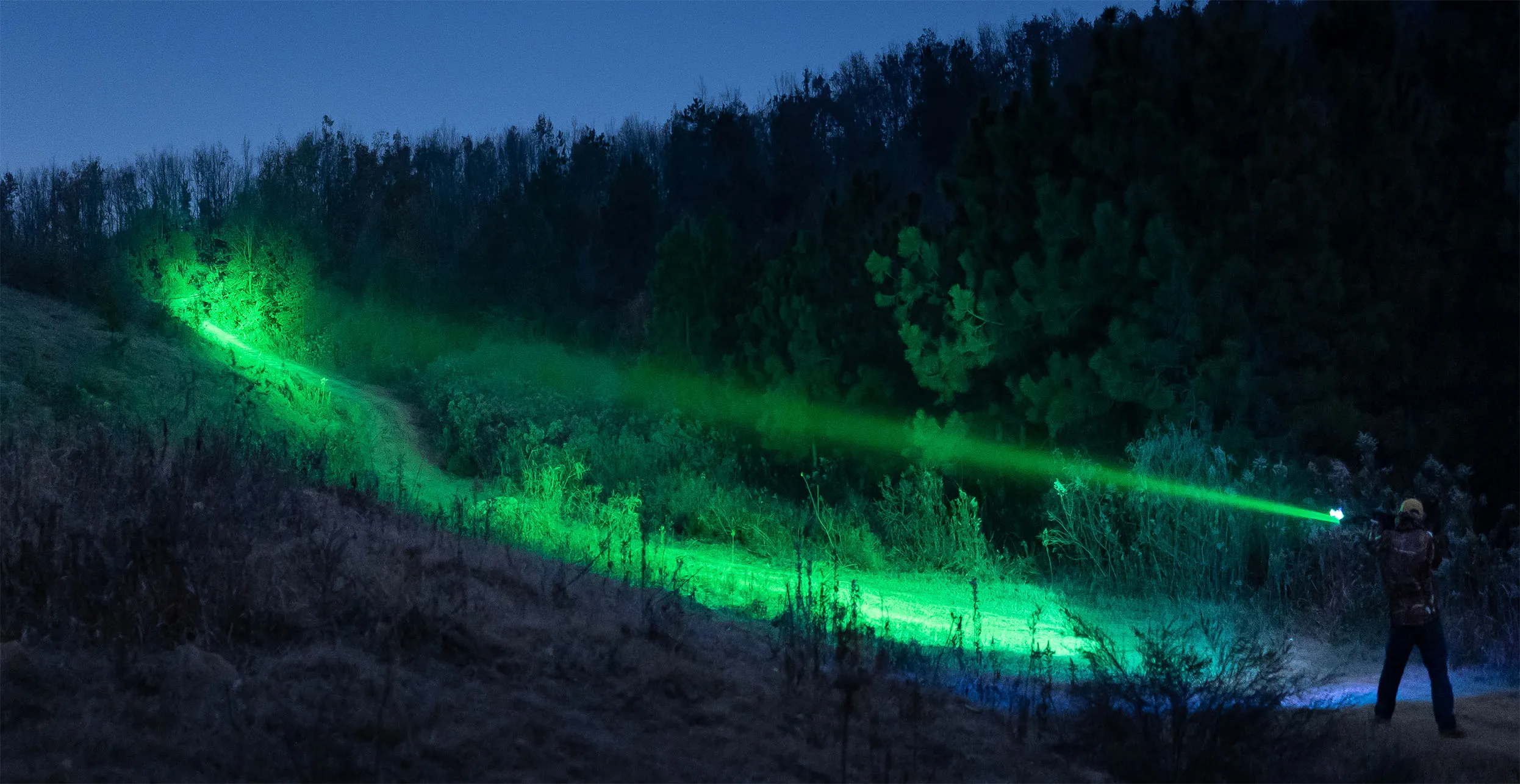
For those prioritizing versatile work performance, choosing an adaptable Perun 3 head lamp under 200 ensures dependable power across the most challenging tracks. Pairing it with a lightweight Oclip Pro head lamp under 250 backup or a specialised Oclip 2 Ultra head torch under 200 inspection light guarantees readiness across diverse Australian outdoor environments.
Frequently asked questions
What are the best head torches to buy in Australia?
The best head torches match your specific discipline. For heavy-duty trade work, camping, and search operations, right-angle models like the Olight Perun 3 excel due to their metal brackets, removable torches, and long-lasting 21700 batteries. Trail runners often prefer balanced front-to-back designs like the Array 2 Pro, which feature responsive wave-sensing controls and centered weight distributions.
How much does a quality head torch cost in Australia?
Basic plastic lights for simple domestic tasks typically cost between $25 and $60 AUD. Advanced sport headlamps and versatile right-angle units designed for harsh outdoor expeditions generally range between $110 and $190 AUD. Investing in a durable head torch under 200 dollars secures aluminium thermal housing, IP68 waterproofing, and reliable high-capacity rechargeable cells.
How many lumens is a good head torch for bushwalking?
For standard campsite cooking and tent reading, 50 to 150 lumens provides comfortable visibility without blinding companions. Walking on dark suburban paths calls for 200 to 300 lumens, while night running, fast mountain biking, or off-road recoveries require 600 to 1,000 sustained lumens to clearly distinguish distant obstacles and uneven terrain.