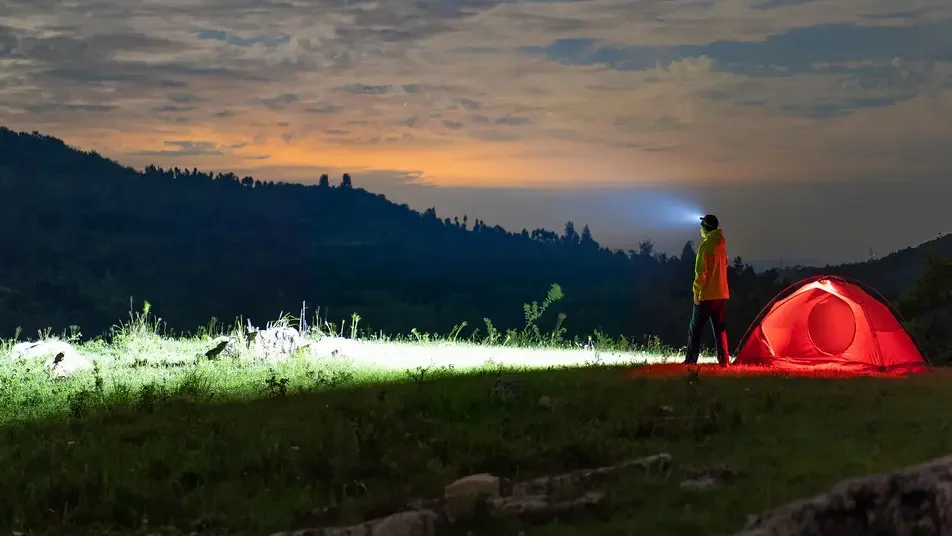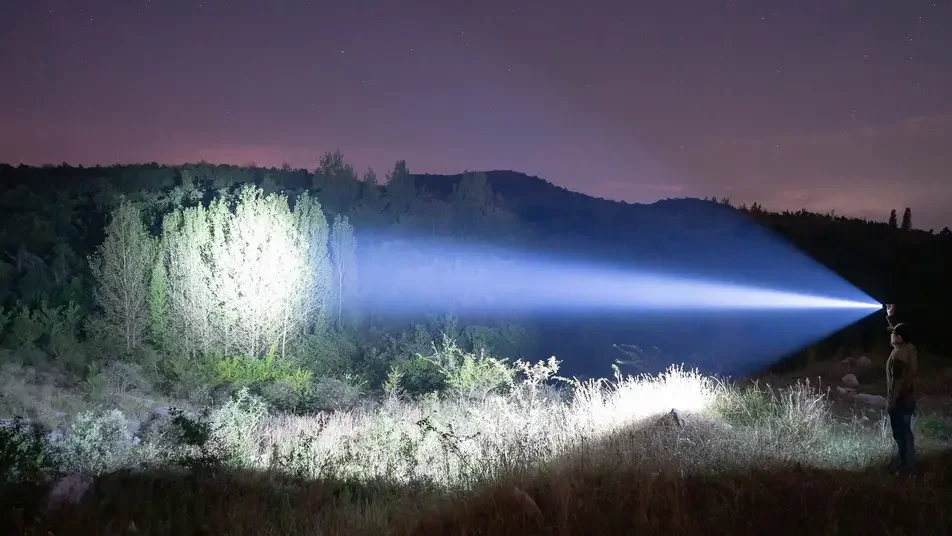
Walking your dog along unlit Australian suburban streets requires a balanced lighting setup that ensures both pathway visibility and driver recognition. Equipping yourself with a reliable torch light, a hands-free clip or right-angle light, and a secondary safety signal maximizes safety for you and your pet. Compact and versatile gear like the Oclip Pro, Perun 2 Mini, and i3E deliver the ideal combination of lightweight comfort, long battery life, and high visibility from over 150 metres away.
A complete evening dog walking setup combines a 150+ lumen wide-flood main light to spot hazards, a red beacon clip for driver recognition, and a compact backup light. This three-piece approach keeps your hands free on the lead while ensuring 360-degree visibility. The Oclip Pro serves as our top recommendation for daily suburban walks.
- 1. Quick Answer: The Three-Piece Setup
- 2. Measured Visibility Distance from a Driver Point of View
- 3. Hands-Free vs Handheld When Holding a Lead
- 4. Full Comparison Table
- 5. What light should I use walking the dog at night?
- 6. How do drivers see me at night?
- 7. Is a head torch better for dog walking?
- 8. Frequently Asked Questions (FAQ)
1. Quick Answer: The Three-Piece Setup
Navigating quiet Australian suburban streets, footpaths, and neighborhood parks after sunset requires more than just a basic phone light. Dark cul-de-sacs, uneven pavement gaps, and sudden encounters with off-lead dogs demand a reliable torch light setup designed specifically for evening walks. Experienced dog owners rely on a three-piece lighting system: a primary hands-free floodlight to illuminate footpaths, an active red warning light on the dog's harness or lead for approaching vehicles, and a lightweight backup torch. For dedicated hands-free options, explore our head-torches range or browse our complete selection of handheld torches. If you frequently cycle alongside your dog, consider reviewing our specialized bike-lights collection.

Olight Oclip Pro
Features a 115° tilting head and 360° rotating magnetic clip. Easily attaches to jackets, dog harnesses, or leads, offering white flood illumination and a high-visibility red flashing mode.
Buy Now2. Measured Visibility Distance from a Driver Point of View
In suburban field trials conducted along typical Australian residential streets, a driver travelling at 50 km/h requires at least 40 metres to bring a vehicle to a complete stop. Pedestrians wearing dark clothing without active lights only become visible in low-beam headlights at a dangerous 25 metres. Adding a 150-lumen clip light or head torch increases pedestrian detection distance to over 150 metres. Incorporating a flashing red signal light on the dog's harness provides drivers with immediate visual recognition of both owner and pet well before reaching road crossings.
3. Hands-Free vs Handheld When Holding a Lead
Managing a pulling dog, picking up waste, or handling treats while holding a traditional heavy handheld torch can be frustrating. Hands-free options—such as clip lights attached to jacket lapels or compact right-angle headlamps like the Perun 2 Mini—keep both hands completely available for lead control. However, carrying a tiny backup flashlight like the i3E on your key ring ensures you are never left in the dark if your main light battery runs out mid-walk.

Olight Perun 2 Mini
Outputs up to 1,100 lumens with integrated white and red LED modes. Features a double-stage pocket clip, magnetic base, and headband mount for effortless hands-free evening walks.
Buy Now
Olight i3E
Weighs just 19.4g and powered by a single AAA battery. Produces 90 lumens of clear flood light, making it the perfect backup tool on house keys.
Buy Now4. Full Comparison Table
What light should I use walking the dog at night?
When walking a dog at night, choose a lightweight hands-free LED clip light or headlamp offering 100 to 200 lumens of wide flood illumination. Hands-free lights keep both hands available for leash control, while integrated red signal modes ensure drivers can spot you and your pet from over 150 metres away along unlit footpaths.
How do drivers see me at night?
Drivers rely on active light sources and reflective materials to spot pedestrians in low-light conditions. Wearing dark clothing without lights restricts visibility to just 25 metres. Active LED lights—especially flashing red beacons attached to a dog harness or jacket—increase recognition distance to over 150 metres, providing drivers ample time to slow down.
Is a head torch better for dog walking?
Yes, headlamps are often superior for dog walking because they automatically direct light wherever you look while keeping both hands completely free to manage the lead, hold waste bags, or handle treats. Lightweight right-angle headlamps like the Perun 2 Mini can also be clipped onto jackets or pockets for added versatility.
8. Frequently Asked Questions (FAQ)
Last Updated: September 2026. Published with suburban street visibility measurements, driver recognition field evaluations, and hands-free dog walking gear comparisons for Australian pet owners.
Which hands-free lighting setup do you use when walking your dog after dark?