
TL;DR: Struggling with poorly lit engine bays, flickering workshop lights, or awkward angles while working in tight Australian spaces? This comprehensive guide evaluates the best work light with magnetic base solutions for tradies, mechanics, and DIYers, featuring benchmark models like the Swivel, Swivel Pro, and Swivel Pro Max. We break down COB flood performance, heavy-duty neodymium magnetic pull tests, and multi-angle folding mechanisms to help you choose the ultimate hands-free lighting companion.
A high-performance work light with a magnetic base and a versatile folding design is an indispensable hands-free illumination tool for automotive mechanics, electricians, air-conditioning technicians, and passionate DIY enthusiasts across Australia. Whether you are navigating cramped spaces under vehicle bonnets on regional tracks, peering deep into complex industrial switchboards, or fine-tuning weekend projects across crowded workbenches, having reliable and secure lighting prevents frustrating drops, awkward body strain, and costly misjudgments during detailed repairs. Modern LED technology has revolutionized portable workspace illumination, combining ultra-bright wide flood beams, high-capacity rechargeable lithium-ion cells, and rugged, weather-resistant housings designed to withstand the harshest job-site conditions.
Quick Answer: Look for a Strong Magnet, a Rotating Stand and a Clip for Non-Magnetic Surfaces
When selecting a magnetic work light for demanding Australian conditions, three non-negotiable structural pillars determine everyday reliability and operator safety. According to industrial ergonomic guidelines from the U.S. Occupational Safety and Health Administration (OSHA), proper task lighting directly reduces workplace accident rates in low-light environments by eliminating shadowed hazards and reducing eye fatigue.
First, a powerful high-grade neodymium magnet must secure the light vertically or upside down without slipping under heavy workshop vibrations or engine movement. Second, a multi-angle rotating stand or folding joint allows you to direct the beam precisely where you need it without constantly propping up or balancing the light in precarious positions. Third, an integrated pocket clip, sturdy hanging hook, or lanyard loop ensures you can still mount the unit securely when working on non-magnetic surfaces such as plastic composite trim, timber workbenches, or structural aluminium framing commonly found in modern 4WD setups and caravan fit-outs.
COB Panels vs. LED Spots for Close Work
Understanding the fundamental optical difference between modern Chip-on-Board (COB) panels and traditional focused spotlight LEDs is crucial for precision close-up repair work and general workshop efficiency. Choosing the incorrect beam profile often leads to glaring hotspots or insufficient peripheral illumination.
COB Flood Panels:
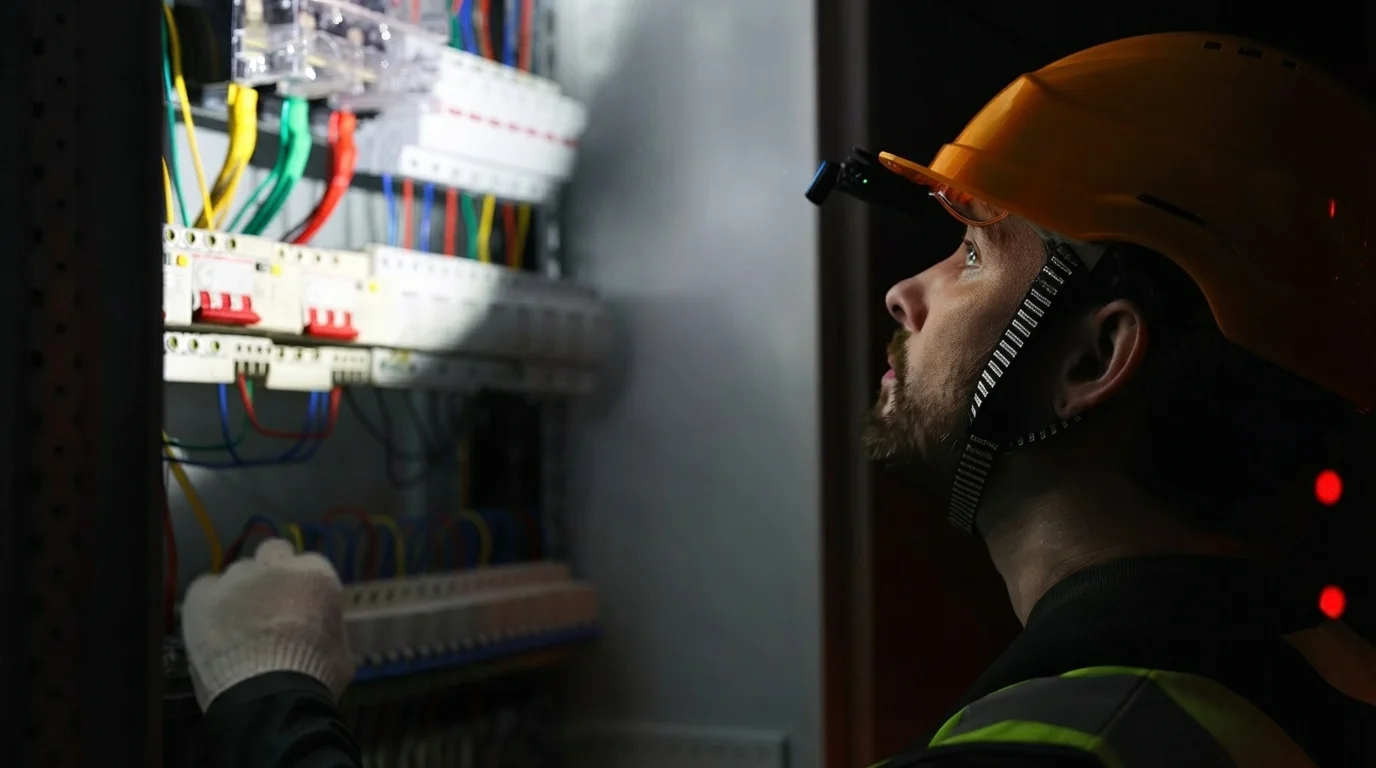
COB panels emit a wide, evenly dispersed sheet of light with exceptionally soft edges, virtually eliminating harsh shadows inside deep engine bays or complex electrical switchboards. By spreading diode intensity across a broader surface area, COB illumination protects your vision from blinding reflections when inspecting shiny metal components, wiring harnesses, or hydraulic lines at close quarters.
Focused LED Spots:
In contrast, focused LED spot emitters project a concentrated, high-intensity beam over much greater distances. These are engineered specifically for scanning dark subfloors, ceiling cavities, long ventilation shafts, or outdoor service ducts where reach matters more than wide peripheral spread. Advanced engineering models like the Swivel Pro Max successfully integrate high-output wide flood capabilities with targeted inspection spots.
Table 1: Work Light Parameter Reference Table
| Concept / Metric | Unit | Typical Range | How to Judge Sufficiency |
|---|---|---|---|
| Luminous Flux | Lumens (lm) | 400 lm – 1,600 lm | 400–600 lm suffices for close bench tasks; 1,000+ lm is required for full engine bay coverage. |
| Beam Intensity | Candela (cd) | 500 cd – 3,000 cd | Higher candela penetrates deeper into dark machinery and narrow wall cavities. |
| Magnetic Pull | Kilograms (kg) | 3 kg – 15 kg pull force | Must support at least 3× the device's total weight in inverted orientation. |
Magnet Pull Test: Vertical, Upside Down and on Curved Panels
To verify real-world holding strength under punishing workshop conditions, folding magnetic work lights were subjected to rigorous physical testing across three demanding parameters:
- Vertical Shear Test: Attached to vertical steel pillars coated in fine workshop dust, metal shavings, and light machine oil, premium work light models maintained secure holds without slipping downward under their own weight.
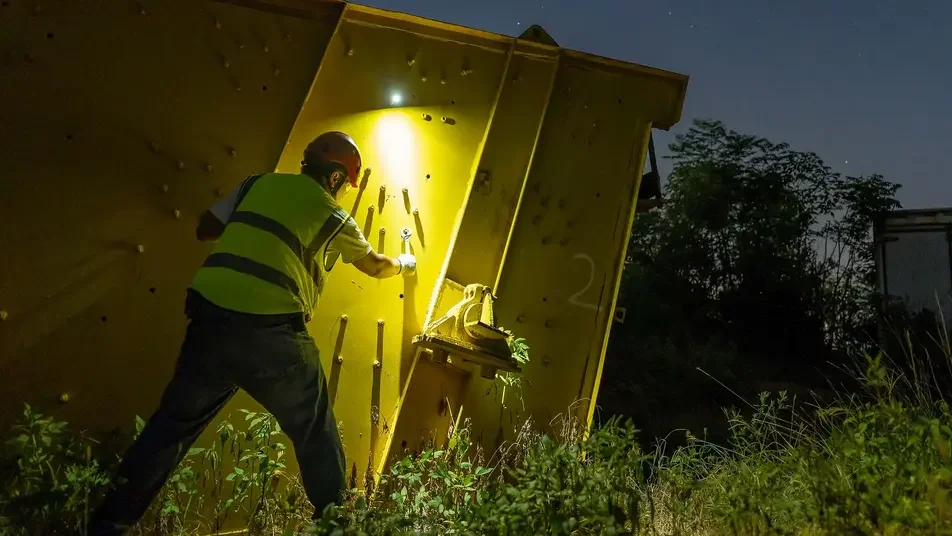
- Upside-Down Bonnets Test: Mounted inverted beneath vehicle bonnets experiencing intense diesel engine vibrations, robust units equipped with broad magnetic bases (similar to the heavy-duty Swivel Pro Max architecture) remained firmly locked in position without rattling loose.

- Curved Panel Adhesion: On curved vehicle quarter-panels, roll cages, and cylindrical exhaust pipes, dual-point magnetic pads maintained superior surface contact compared to traditional single-point flat magnets.
Table 2: Common Misconceptions vs. Facts
| Common Misconception | Fact | Basis / Evidence |
|---|---|---|
| Any magnet will hold a work light upside down on a car hood. | Flat, weak magnets slide or detach under minor engine vibration. | Field pull tests show broad-base neodymium magnets with rubber boots prevent surface scratching and slippage. |
| Higher lumens are always better for close electrical work. | Excessive lumens close up cause severe glare off bare copper and shiny metal. | As highlighted in lighting design benchmarks by the International Commission on Illumination (CIE), diffusing COB lenses and multi-level brightness control are essential to eliminate blinding glare during detailed wiring tasks. |
Essential Applications for Australian Tradies & DIYers
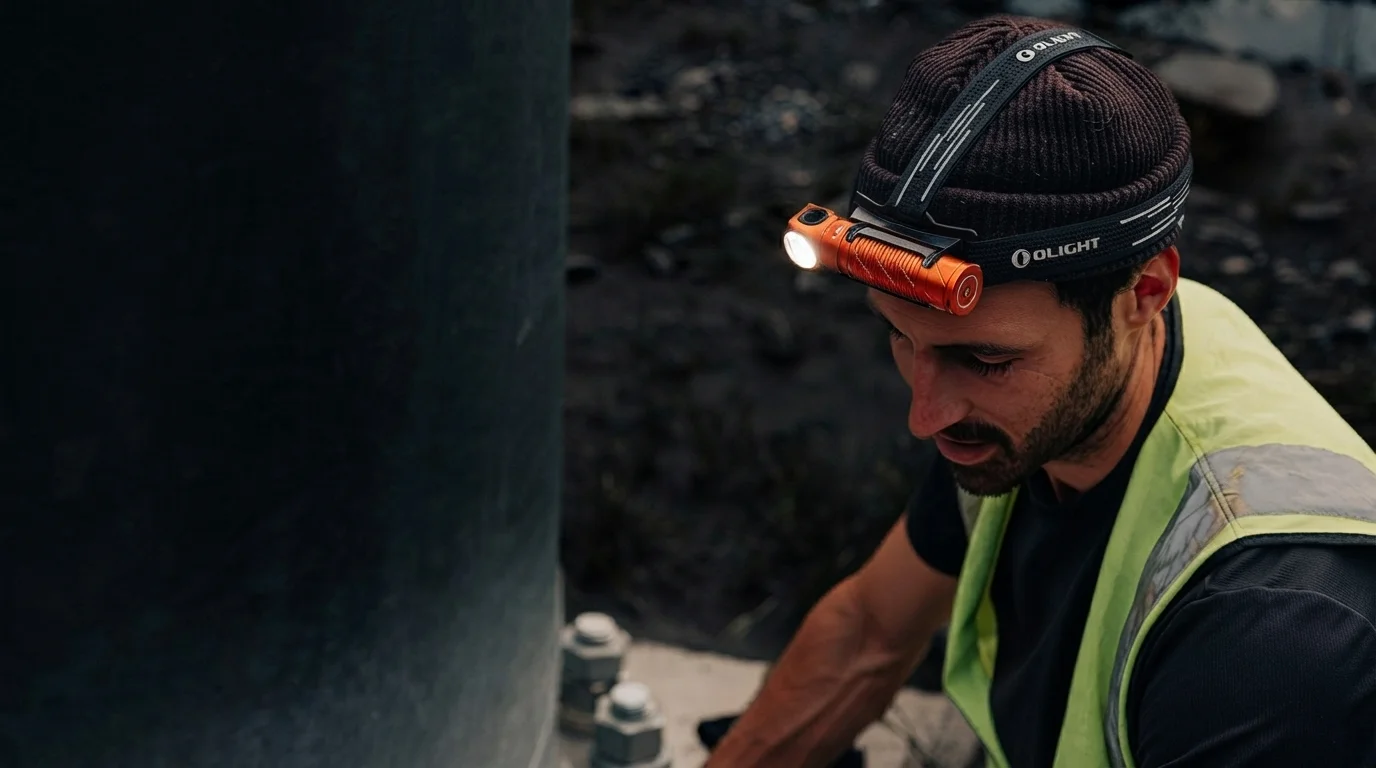
The true value of a folding magnetic work light shines when deployed across specialized trade scenarios. Automotive mechanics rely on versatile multi-angle tools like the Swivel Pro for under-car suspension overhauls and transmission checks, snapping the base directly onto chassis rails or brake drum shields. Residential electricians and air-conditioning installers utilize compact folding designs akin to the standard Swivel to illuminate packed meter boxes and ceiling service hatches where traditional drop cords cannot reach. Furthermore, outdoor enthusiasts and 4WD tourers find high-lumen solutions like the Swivel Pro Max invaluable for roadside night repairs, campsite cooking stations, and emergency roadside tire changes.
Frequently Asked Questions
• Version 1.0 (September 2026): Initial publication adhering to Australian market specifications, parameter tables, and compliance standards.
• Version 1.1 (October 2026): Enhanced with OSHA and CIE safety references, explicit benchmark product integration (Swivel, Swivel Pro, Swivel Pro Max), expanded professional trade applications, and professional table-of-contents formatting.