• Why a Gun-Mounted Torch Is Critical in Low-Light Situations
• What Is a Gun Mounted Torch?
• Understanding the Core Performance Metrics of Weapon Lights
• Types of Gun Mounted Torches
• When and Where Are Weapon Lights Used?
• How to Choose the Right Gun Mounted Torch
• A Modern Example of Weapon-Mounted Lighting
Why a Gun-Mounted Torch Is Critical in Low-Light Situations
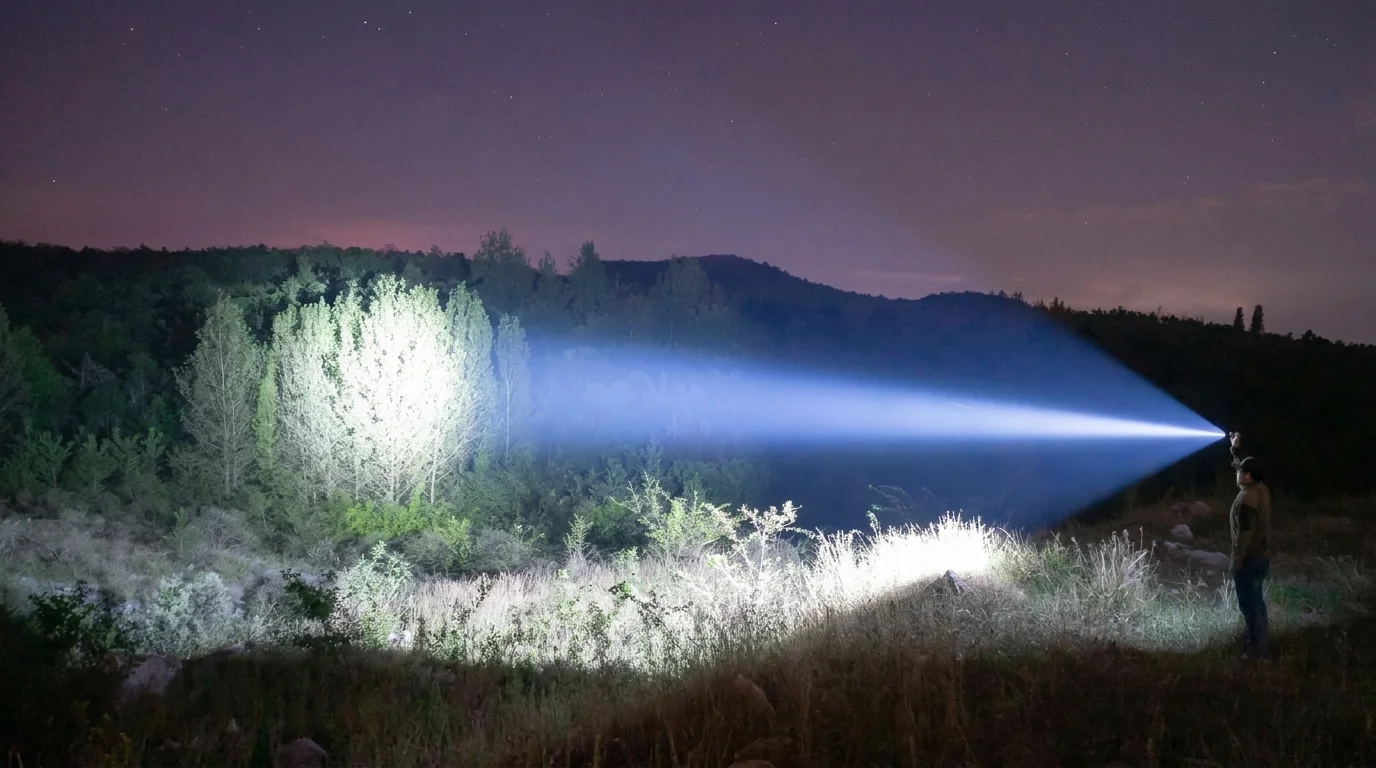
Low-light conditions represent one of the most significant challenges for outdoor enthusiasts and professionals alike. A gun mounted torch is not merely an accessory; it is a fundamental tool for enhancing visibility, ensuring target identification, and maintaining personal safety in compromised environments.
The Science of Human Vision in Low Light
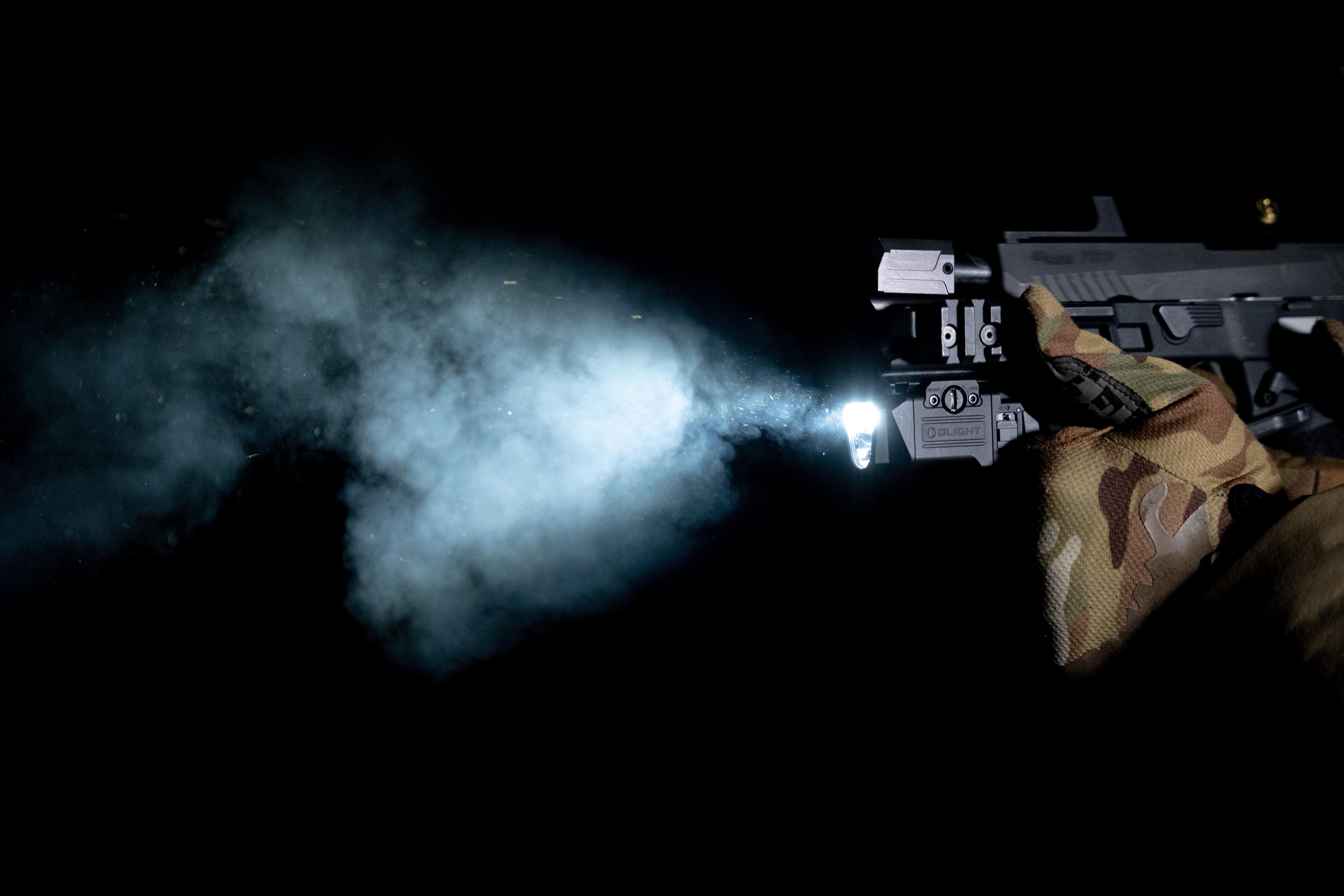
The human eye relies on photoreceptors called rods to see in the dark. While rods are sensitive to light, they do not perceive color well and lack the sharp detail provided by cones in daylight. This transition results in a loss of depth perception and peripheral clarity. High-performance artificial light restores the ability to use cone vision, allowing for precise detail recognition and faster spatial processing.
The Challenges of Low-Light Environments
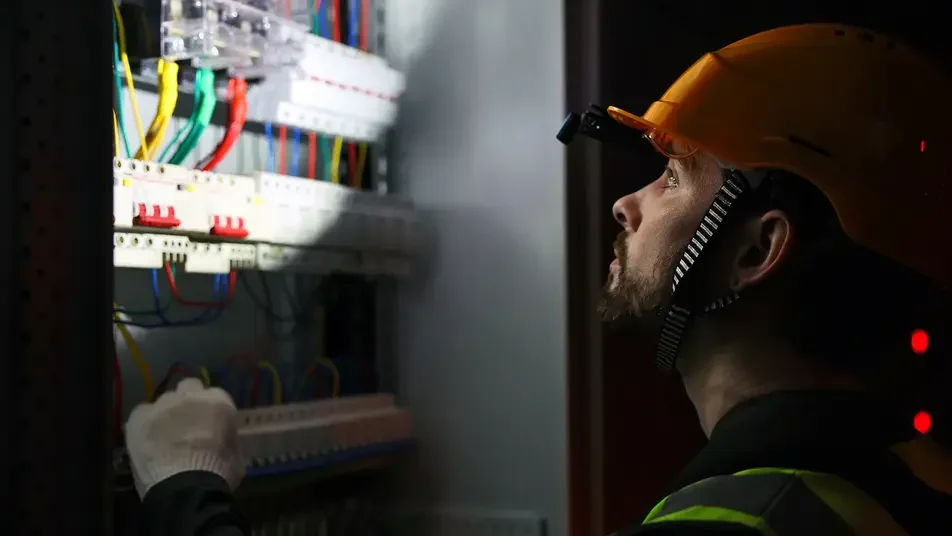
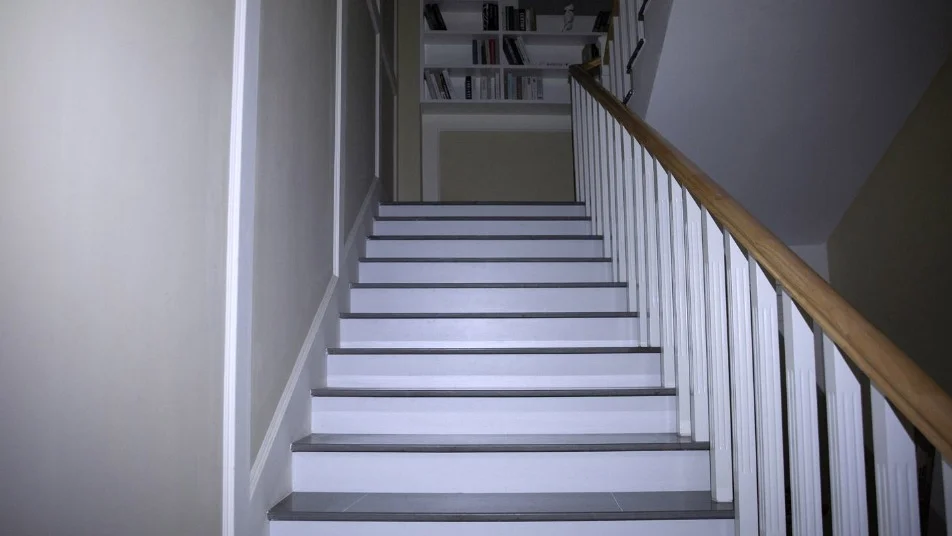
In deep bush, indoor settings during power outages, or late-night field operations, shadows can mask significant hazards. Uneven terrain, physical obstacles, or unidentified movements create tactical risks that are difficult to mitigate without a dedicated, high-output light source attached to your platform.
The Importance of Positive Identification (PID)
Positive identification (PID) is the ethical and practical requirement to know exactly what is in front of you before taking action. A high-quality weapon light ensures that a user does not mistake a non-target for a threat or hazard, which is critical in hunting, search and rescue, and home defense scenarios.
How Lighting Improves Reaction Time and Situational Awareness
Illumination effectively reduces the "OODA loop" (Observe, Orient, Decide, Act) time. When an area is properly lit, the brain processes environmental information faster, leading to more accurate decisions. High-intensity light also provides a "wall of light" that can momentarily disorient an intruder, offering a non-kinetic advantage in high-stress situations.
What Is a Gun Mounted Torch?
Definition of a Weapon-Mounted Light (WML)
A gun mounted torch, often referred to as a Weapon-Mounted Light (WML), is a specialized illumination device designed to attach directly to a firearm. Unlike handheld flashlights, these professional tools are engineered to withstand the unique stresses of weapon operation, including intense recoil and thermal heat.
The Evolution of Weapon-Mounted Lighting Technology
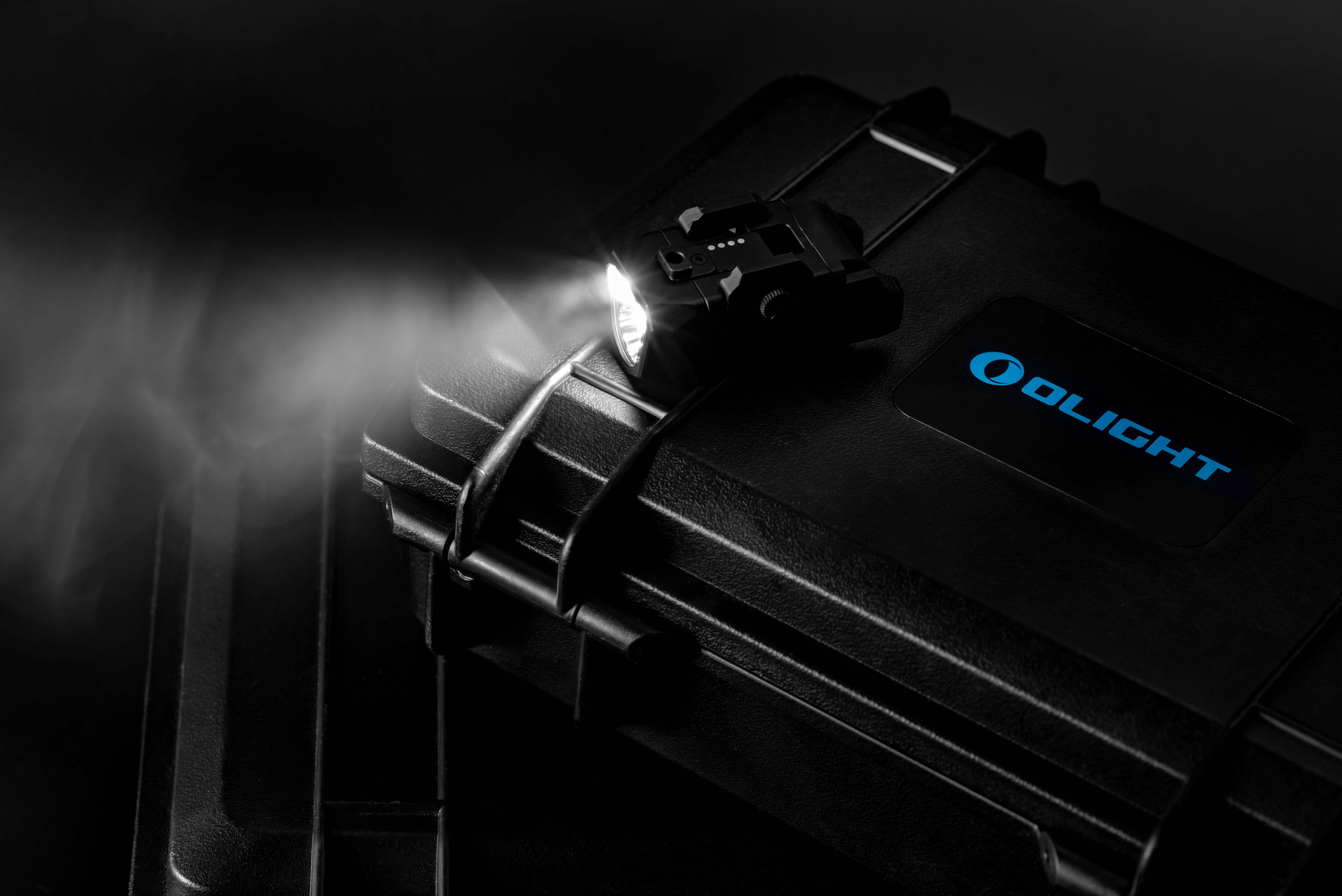
Historically, lighting was taped or clamped to barrels. Modern tactical technology has transitioned to integrated rail systems (such as Picatinny or Glock rails), high-efficiency LEDs, and advanced battery chemistries. These technical improvements have made lights significantly smaller, brighter, and more durable than their predecessors.
How Does a Gun Mounted Torch Work?
These devices utilize high-output LED emitters powered by specialized lithium batteries. They are typically activated via intuitive switches positioned near the trigger guard or through remote pressure pads, allowing the user to toggle light instantly without shifting their natural grip.
Key Components and Design Architecture
- Housing: Typically constructed from 6061-T6 aerospace aluminum for optimal heat dissipation and impact resistance.
- Lens/Reflector: Custom optics that determine the "throw" (distance) and "spill" (width) of the light beam.
- Switching: Ambidextrous toggles or tail switches designed for momentary or constant activation.
- Mounting Interface: Standardized rail clamps (Glock or MIL-STD-1913 Picatinny) for secure attachment.
Understanding the Core Performance Metrics of Weapon Lights
Lumens vs Candela: Output vs Intensity
- Lumens: Measures the total volume of light emitted. High lumens are excellent for "flooding" a wide area with light.
- Candela: Measures the peak beam intensity. High candela is required for "throw," allowing light to punch through darkness or photonic barriers over long distances.
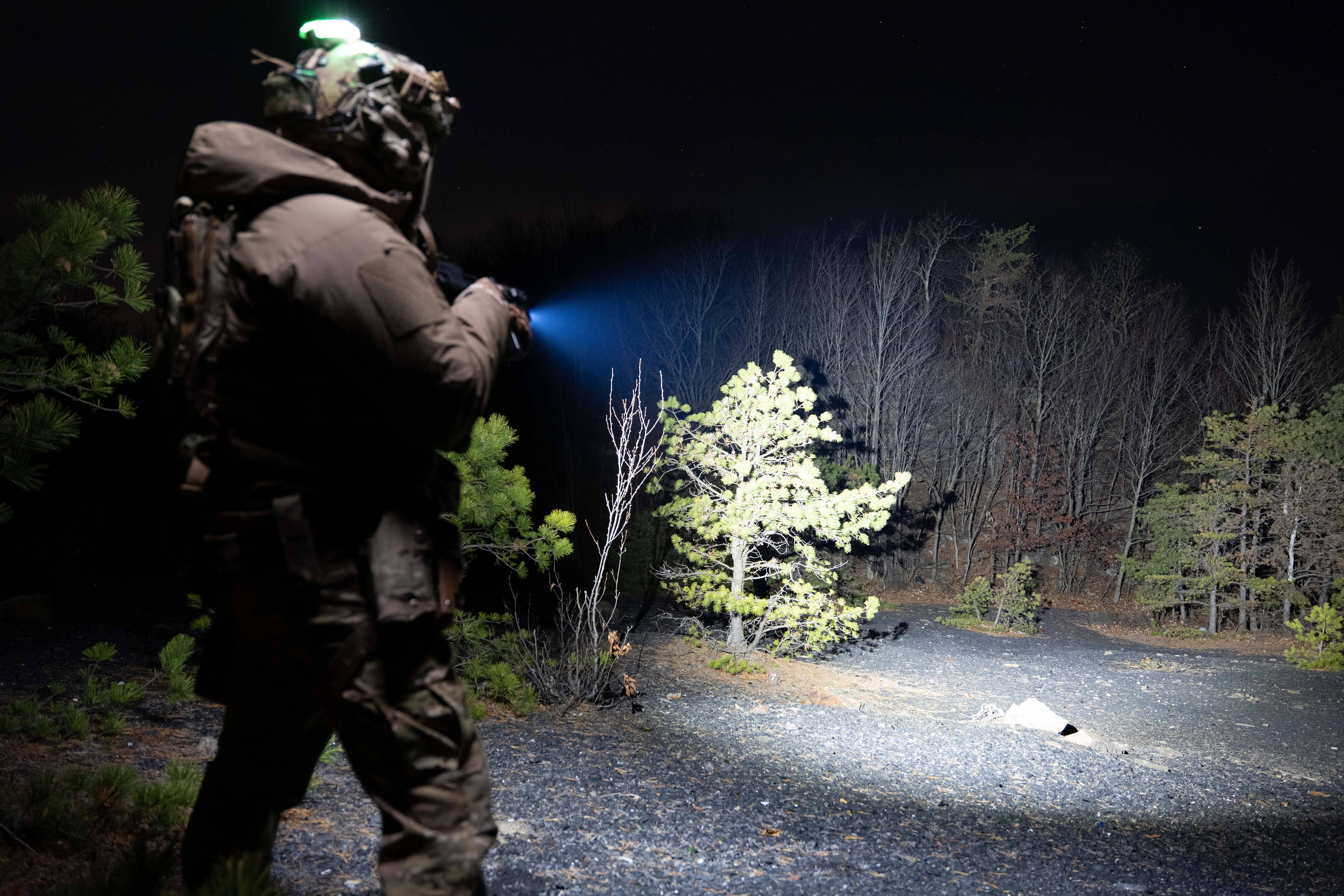
Beam Patterns Explained: Flood, Throw, and Hybrid
- Flood: A wide beam designed for peripheral vision and indoor room clearing.
- Throw: A narrow, focused beam for long-range target identification.
- Hybrid: A balanced beam providing a central "hot spot" with surrounding "spill" for total situational awareness.
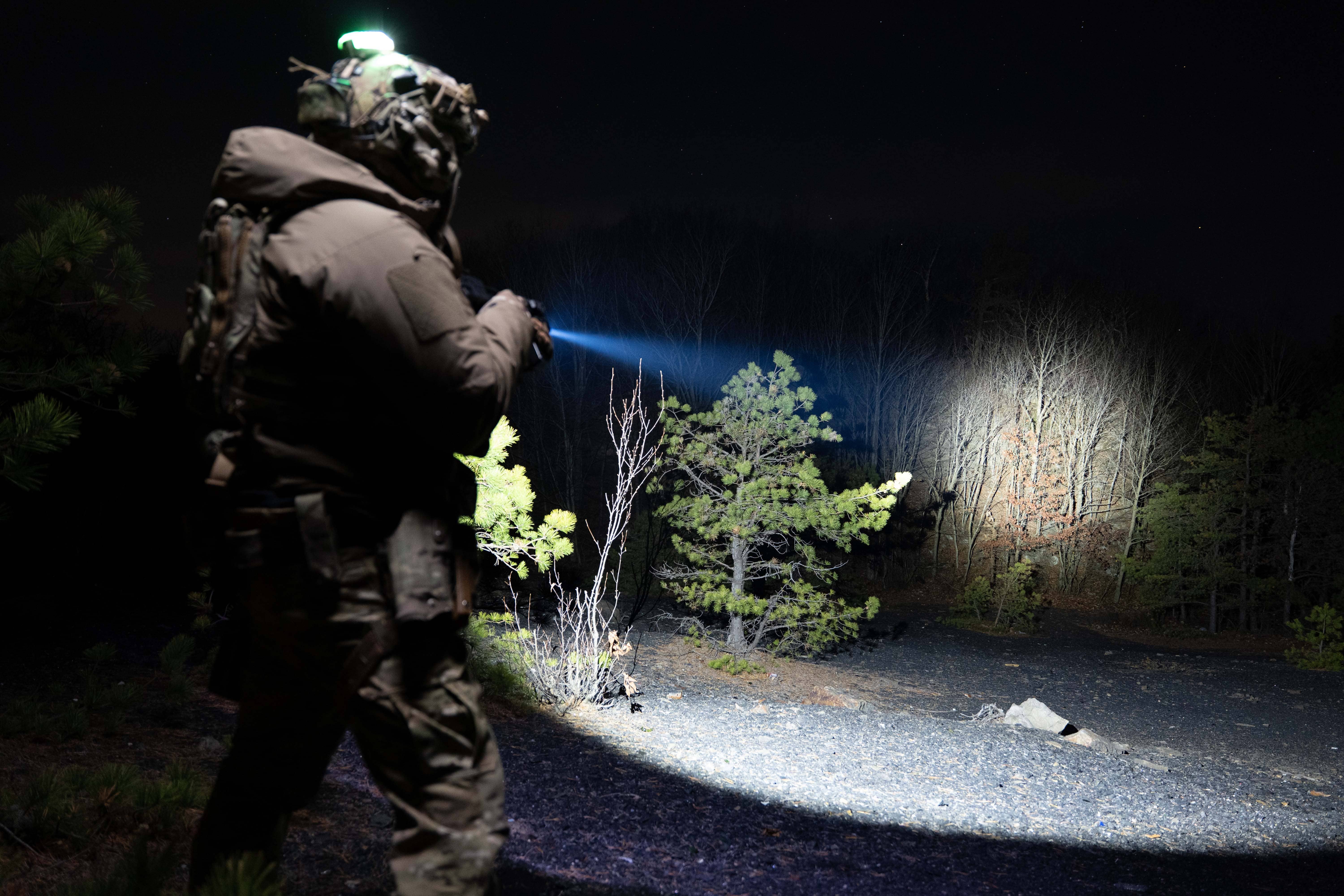
Runtime, Power Systems, and Efficiency
Modern lights use CR123A, 18650, or integrated rechargeable lithium-polymer batteries. Efficiency is managed by thermal throttling, which automatically adjusts brightness as the device heats up to protect internal circuitry and extend longevity.
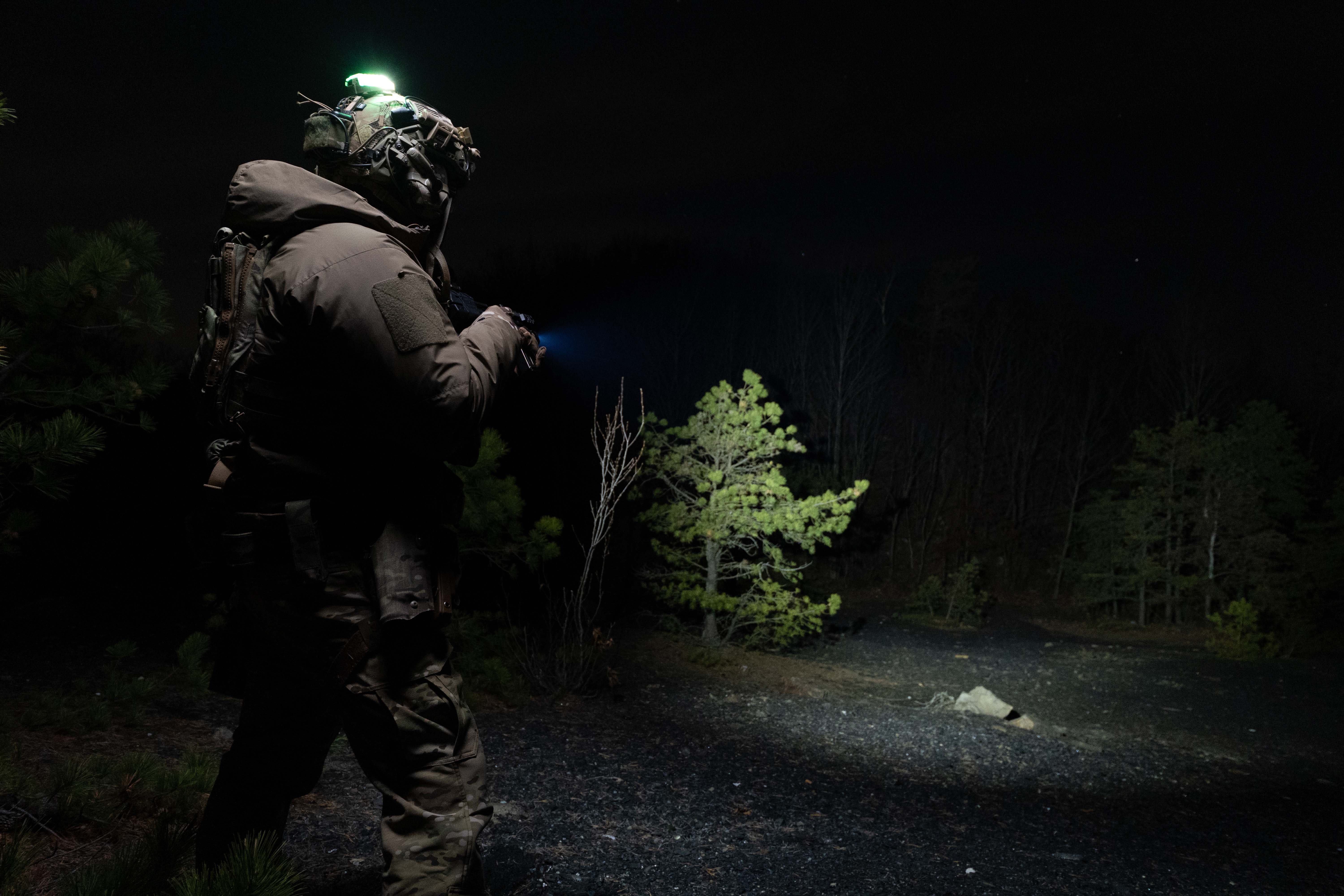
Durability Standards: Impact Resistance and Waterproofing
WMLs are rated by IP (Ingress Protection) codes. An IPX7 rating ensures the light can be submerged in water for short periods. Impact resistance ensures the light survives significant drops and the violent vibration of firearm recoil.
Types of Gun Mounted Torches
Compact vs Full-Size Weapon Lights
Compact lights are optimized for concealed carry or smaller frames, prioritizing weight reduction. Full-size lights offer higher lumen outputs and longer runtimes, typically preferred for duty weapons, rifles, or home defense platforms.
Rail-Mounted vs Modular Systems
Most tactical lights use a screw-down or quick-release lever to attach to standardized rails. Modular systems allow advanced users to swap light heads (emitters) or tail caps (switches) to customize performance for specific missions.
Application-Oriented Designs
- Concealed Carry: Low-profile aesthetics to prevent "printing" through clothing.
- Duty: Ruggedized durability with intuitive switches for high-stress professional use.
- Outdoor: Focused on long-range throw and extreme weather resistance for field tracking.
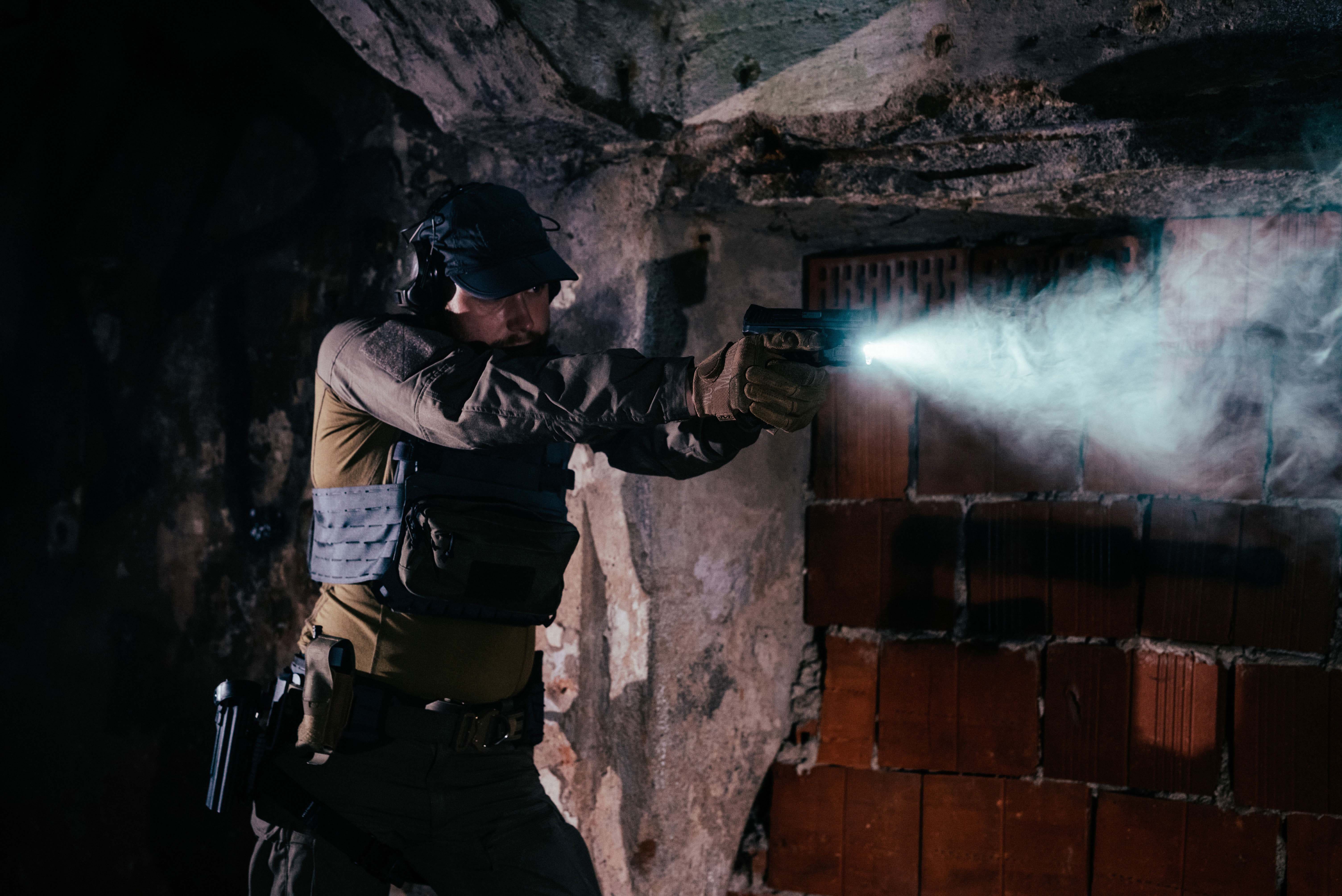
When and Where Are Weapon Lights Used?
Low-Light Navigation and Environmental Awareness
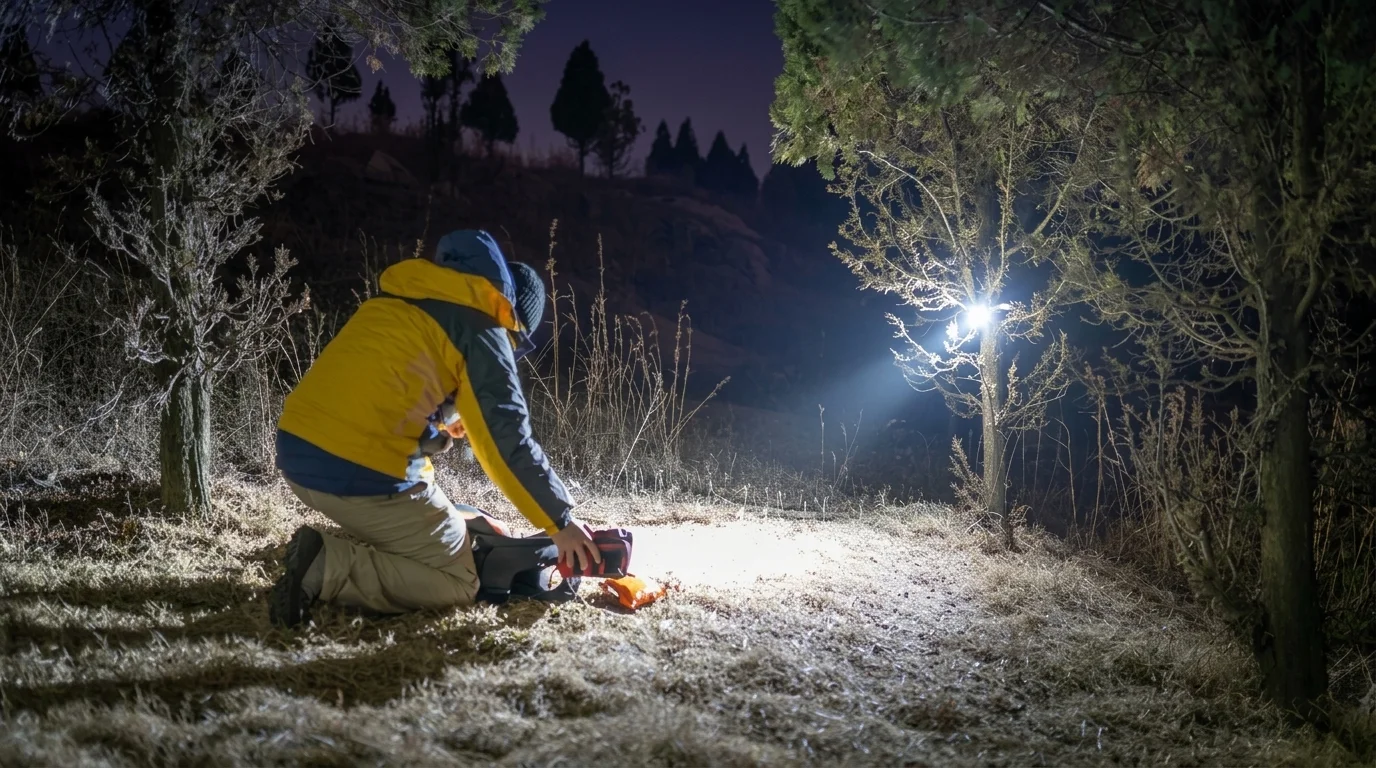
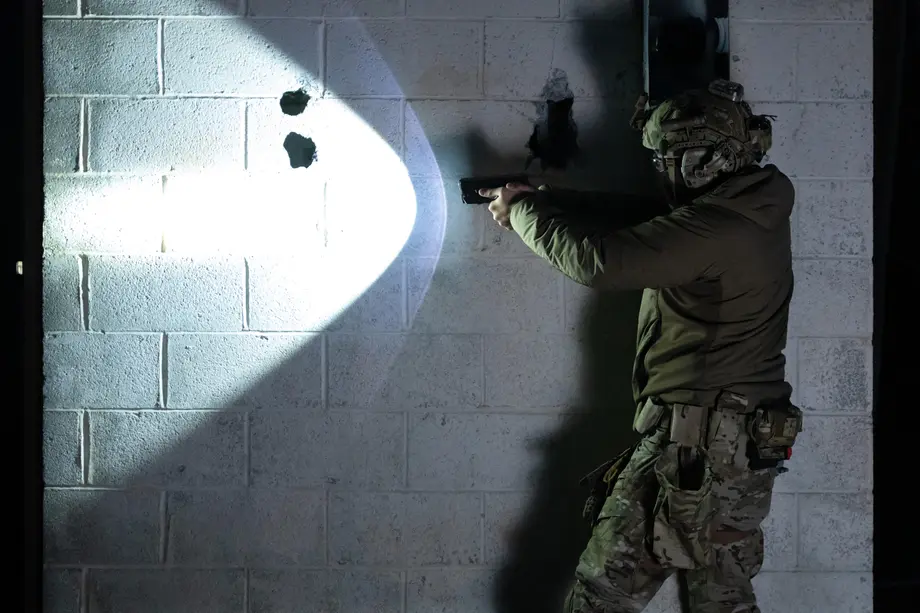
Experienced users often use the "spill" of a light to navigate dark trails or wooded areas without pointing the weapon directly at non-targets, maintaining superior awareness of their surroundings.
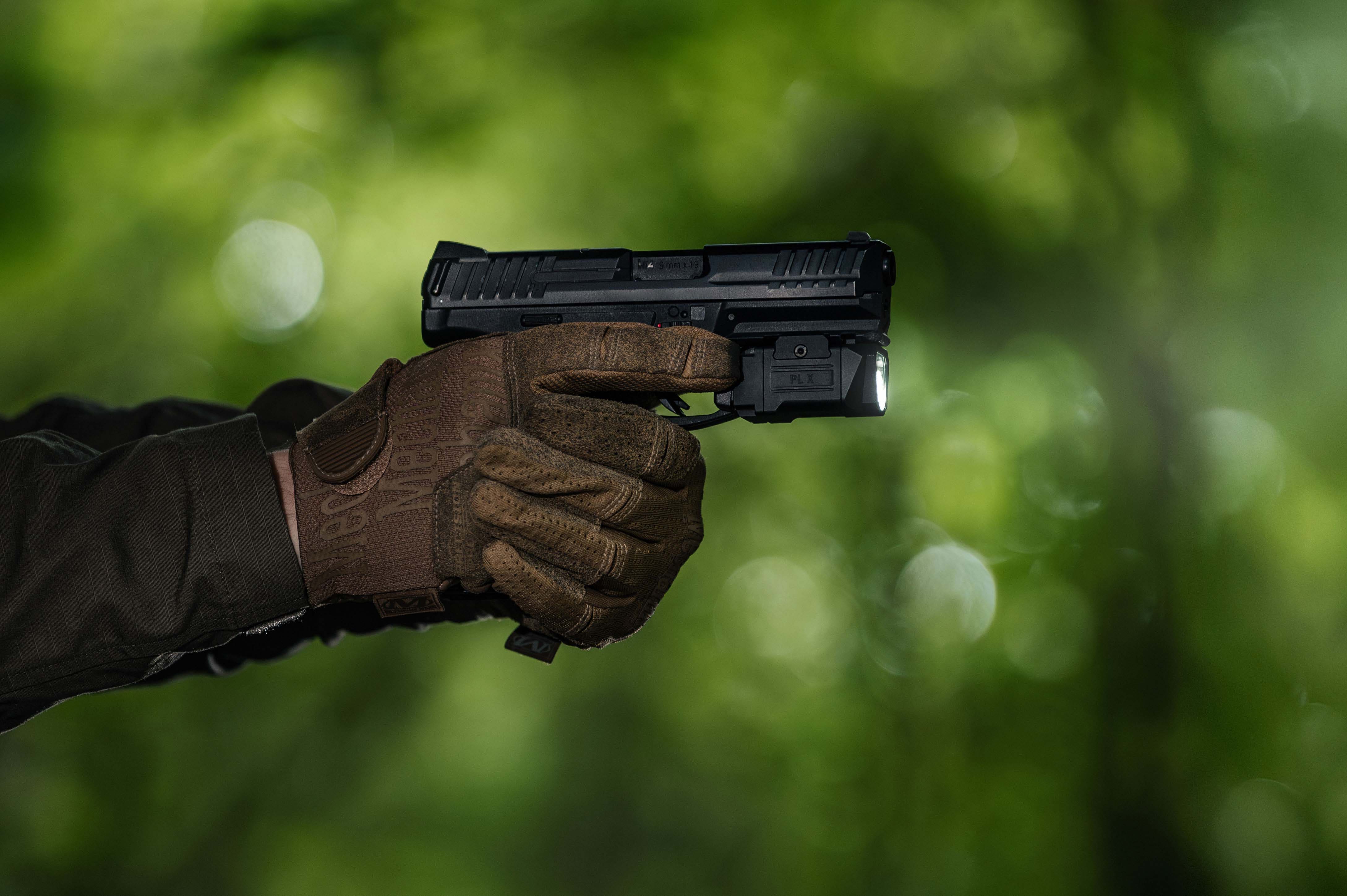
Professional and Duty-Related Applications
Law enforcement and security personnel utilize WMLs for critical building searches, traffic stops at night, and suspect apprehension where visibility is a safety prerequisite.
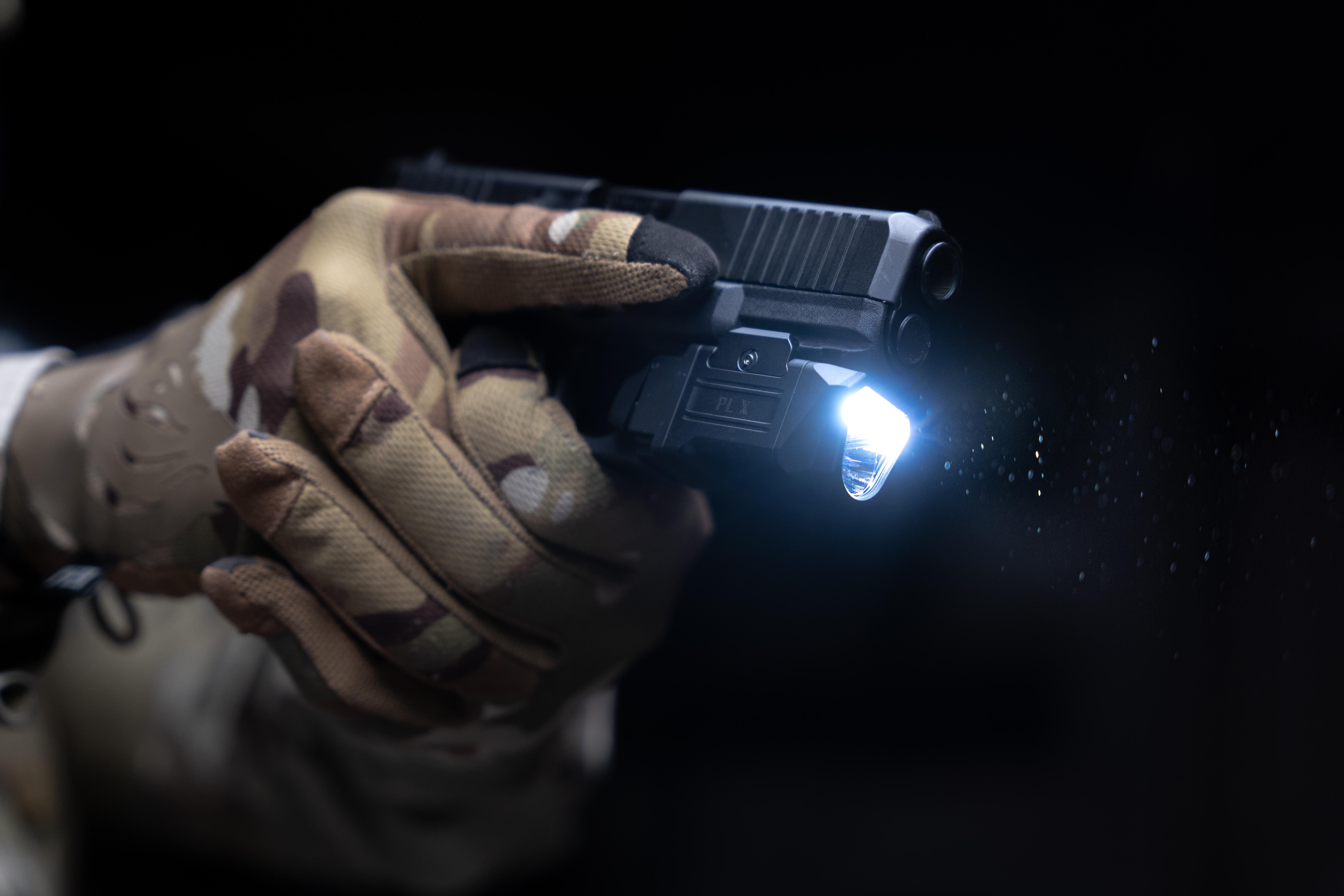
Emergency Preparedness and Home Safety
In home defense, a WML allows a homeowner to instantly identify a potential intruder while keeping both hands on the platform for maximum stability and control.
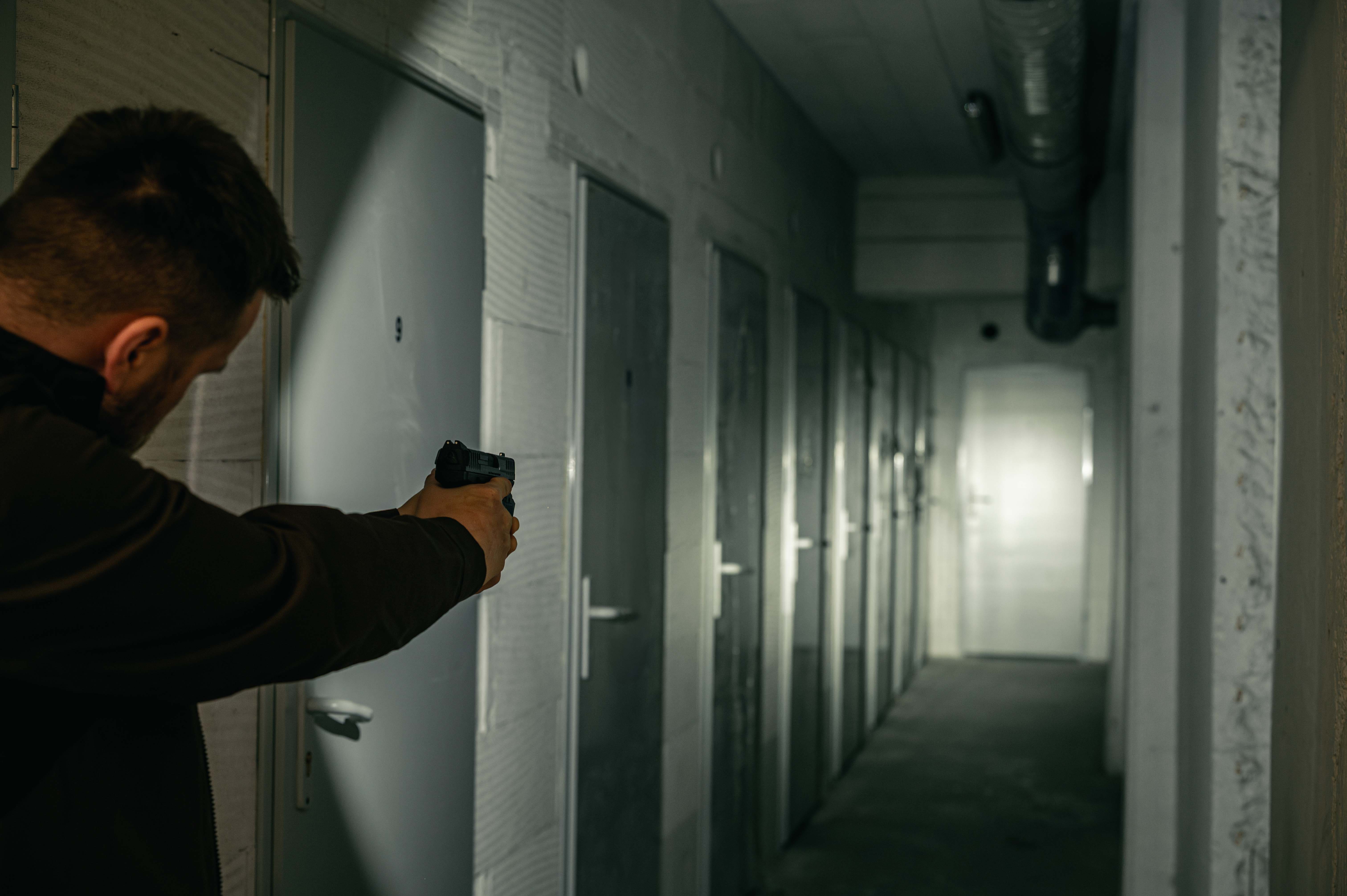
How to Choose the Right Gun Mounted Torch
For indoor use, 300-600 lumens is often sufficient to avoid blinding "back-splash" from white walls. For outdoor environments, 1,000+ lumens and high candela are the preferred industry standard. Ensure your choice balances weight, ergonomics, and specific rail compatibility.
A Modern Example of Weapon-Mounted Lighting
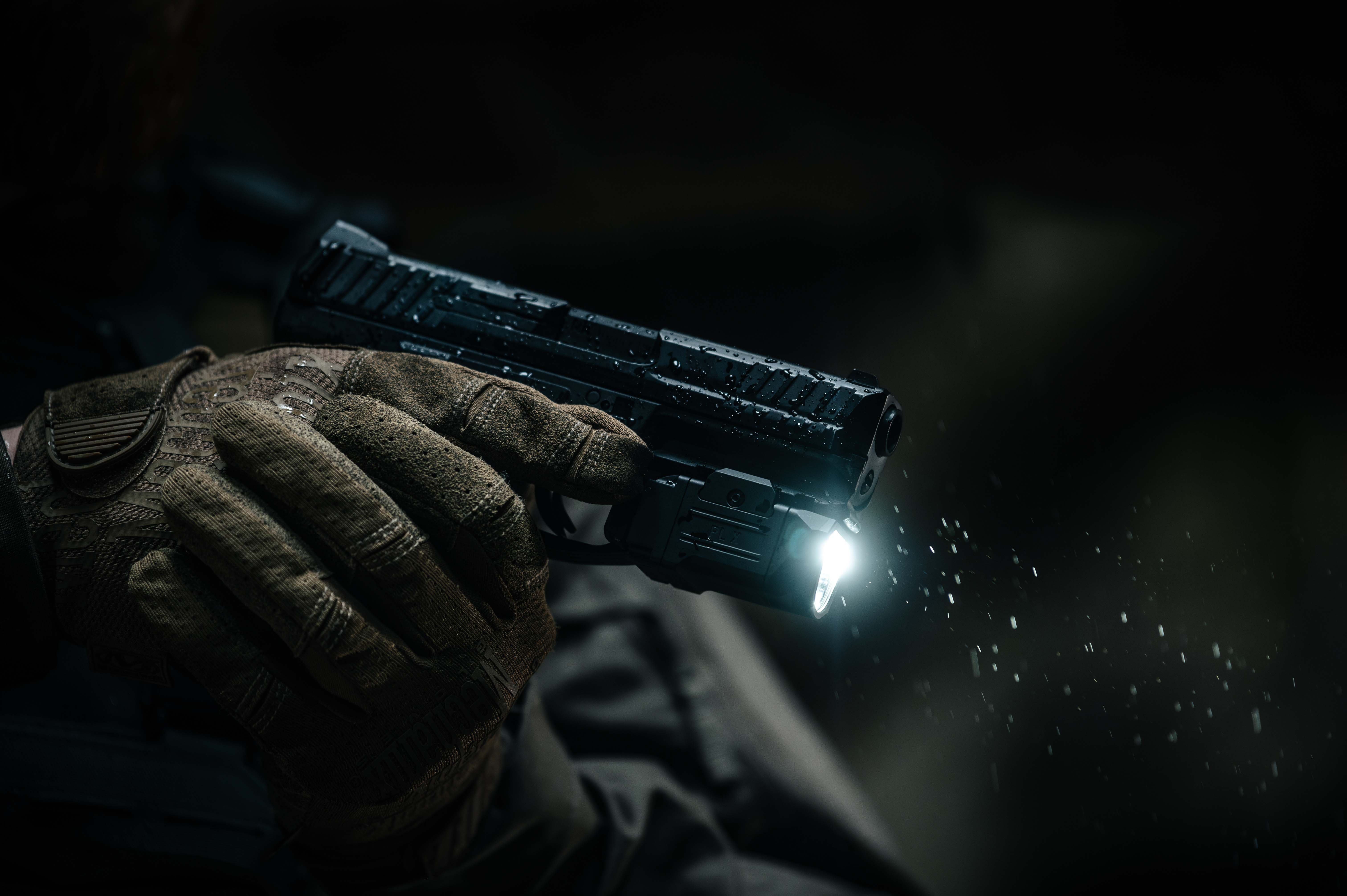
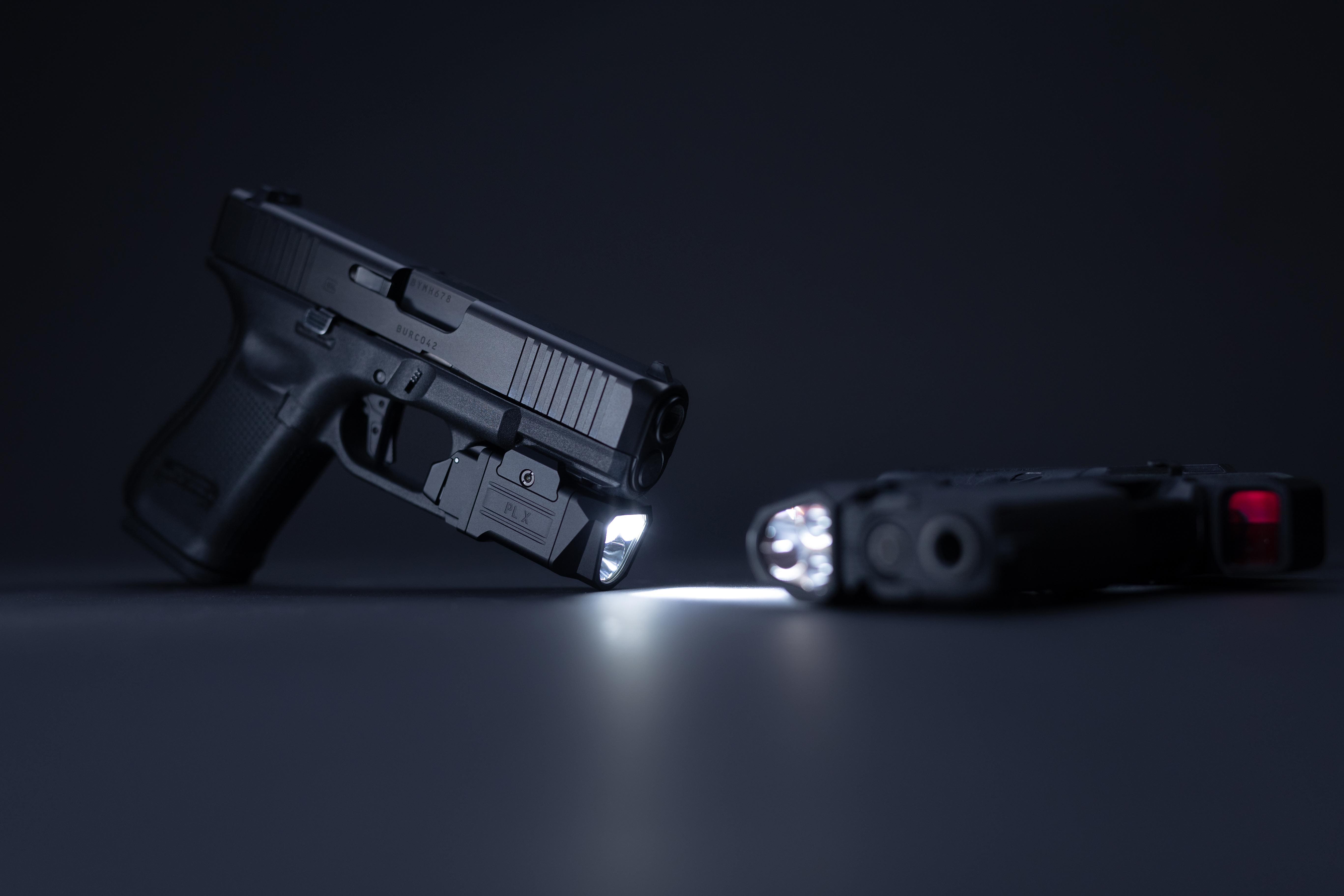
The PL-X Tactical Rail Mounted Light represents the pinnacle of modern WML evolution, combining high candela with user-centric ergonomics.
Frequently Asked Questions (FAQ)
What Is a Gun-Mounted Torch Used For?
It is primarily used to illuminate and identify potential targets and environmental hazards in low-light environments while allowing for a stable, two-handed weapon grip.
Can Gun-Mounted Torches Improve Safety?
Yes. By providing Positive Identification (PID), they significantly reduce the risk of tragic accidents or mistaken identity in high-stress, dark scenarios.
Final Thoughts: The Role of Lighting in Modern Equipment
Illumination is the bridge between uncertainty and clarity. In any low-light scenario, the ability to see is the ability to control the outcome safely. Owning a gun mounted torch comes with the inherent responsibility of training and safe usage. As LED technology advances, these tools will continue to become more compact and powerful, remaining an essential component of modern tactical and outdoor equipment.