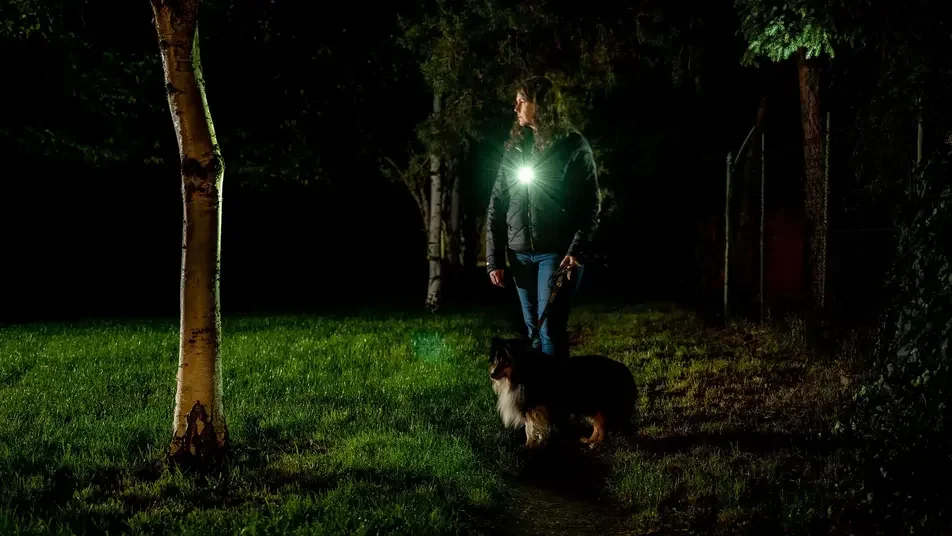
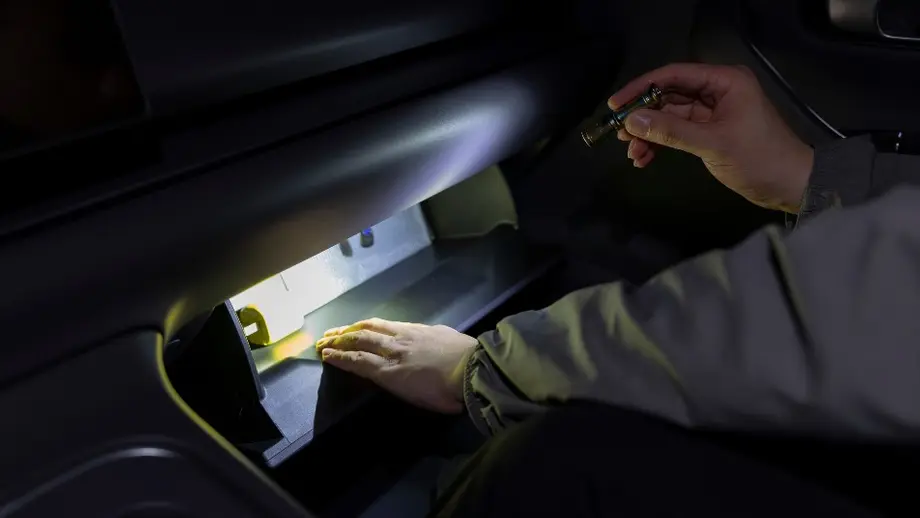
Selecting the optimal running head torch requires balancing beam brightness, weight distribution, and road safety features. For suburban pavement running, 100 to 250 lumens with rear or clip-on red safety lights ensure visibility to oncoming traffic. For unlit trail and ultramarathon running, 600 to 1,000+ lumens with balanced weight distribution prevent forehead bounce and fatigue. High-performance models like the Perun 3, Oclip Pro, and i3E provide hands-free versatility, red warning modes, and secure IPX8 weather protection for Australian runners.
A running head torch is a lightweight, hands-free LED illumination system engineered to eliminate bounce and provide clear path visibility after dark. It determines whether runners can spot trail hazards like roots and uneven footpaths without experiencing neck strain. When choosing, prioritize balanced front-to-back weight distribution, 200–600 lumens, and integrated red safety lights.
- 1. Quick Answer: Runner Head Torch Specification Table
- 2. How Many Lumens Do You Actually Need for Running?
- 3. Fit, Weight Balance and Preventing Head Torch Bounce
- 4. Road Safety: Red Rear Lights and Driver Visibility
- 5. How many lumens do I need for a running head torch?
- 6. How do I stop my head torch from bouncing when running?
- 7. Is a head torch safe for night road running?
- 8. Frequently Asked Questions (FAQ)
1. Quick Answer: Runner Head Torch Specification Table
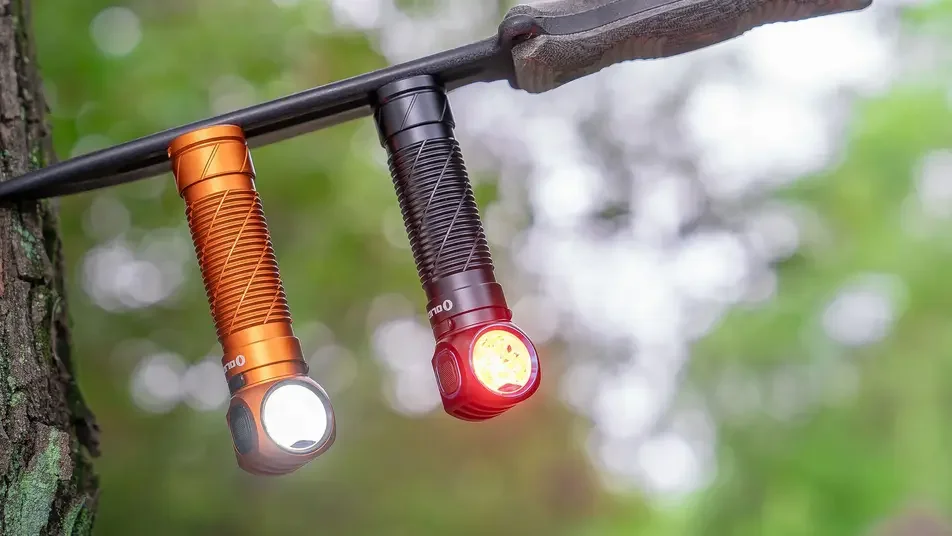
Evening running across Australian suburbs and bushland trails requires specialized lighting designed specifically for movement. Standard bulky work lights cause annoying forehead bounce with every stride. Modern head-torches feature ergonomic weight-balanced battery placement, versatile clip options, and broad flood beams that illuminate both foot placement and distant terrain. For general handheld lighting options, browse our full range of handheld torches.

Olight Perun 3
Pushes up to 3,000 lumens with long runtime powered by a 5000mAh battery. IPX8 waterproof and equipped with red light modes for serious night training and ultramarathon events.
Buy Now2. How Many Lumens Do You Actually Need for Running?
Determining the correct lumen level depends primarily on your running terrain and speed. Running on suburban footpaths under streetlights requires modest illumination (100–250 lumens) to highlight pavement cracks and stay visible to drivers. Conversely, technical trail running through unlit national parks or gravel tracks requires 500 to 1,000 lumens. High lumens cast a wider flood beam, allowing runners to anticipate tree roots, rocks, and steep drops several strides ahead.
3. Fit, Weight Balance and Preventing Head Torch Bounce
Forehead bounce is the most common complaint among night runners. When a heavy battery pack is situated entirely inside the front lamp casing without proper ergonomics, the leverage created during each foot strike causes the torch to slide down the forehead. Modern running lighting solutions solve this problem in two ways:
- Ergonomic Bracket Support: Utilizing balanced headbands with silicone anti-slip grips and top strap support (like the Perun 3) secures high-capacity lights firmly against the head without slipping.
- Featherweight Clip & Handheld Options: Compact clip-on lights like the Oclip Pro or tiny key ring torches like the i3E weigh under 70g and attach directly to running vests or belts, completely eliminating head weight.

Olight Oclip Pro
Clips securely onto running vests, belts, or jackets. Features a 115° tilting head, 500 lumens white floodlight, and an active red flashing mode for zero-bounce road running safety.
Buy Now4. Road Safety: Red Rear Lights and Driver Visibility
Running on Australian suburban roads at night exposes runners to vehicles approaching from behind. While reflective clothing helps when caught in low-beam headlights, active self-illuminating red lights are essential for early detection. Attaching a red flashing light to your headband or running vest ensures 360-degree visibility. Additionally, bringing a tiny emergency backup light like the i3E on your key ring guarantees you are never stranded in the dark if your main light battery expires.

Olight i3E
Weighs just 19.4g and powered by a single AAA battery. Produces 90 lumens of clear flood light, serving as the ultimate zero-weight emergency back-up light for key rings or vest pockets.
Buy NowHow many lumens do I need for a running head torch?
For suburban road running under streetlights, 100 to 250 lumens provide ample path visibility and vehicle awareness. For unlit park tracks or gravel fire trails, choose 300 to 500 lumens. Technical off-road trail running or overnight ultramarathons require 600 to 1,000+ lumens to illuminate terrain details and obstacles at higher running speeds.
How do I stop my head torch from bouncing when running?
To stop a head torch from bouncing, choose a weight-balanced model with a rear-mounted battery pack, or opt for an ultra-lightweight headlamp weighing under 60g. Ensure the elastic headband is adjusted snugly around the widest part of your skull, and use an optional top strap for heavier trail headlamps.
Is a head torch safe for night road running?
Yes, a head torch is highly effective and safe for night road running when paired with a rear red safety light. A bright front beam illuminates obstacles and footpaths ahead, while a rear red flashing light ensures oncoming and overtaking drivers detect your presence from over 150 metres away.
8. Frequently Asked Questions (FAQ)
Last Updated: October 2026. Published with running biomechanics weight-distribution evaluations, road safety driver detection distances, and Australian trail running lumen requirements.
What head torch setup do you use for night training and weekend trail runs?