Dual-source LED torches combining white light and 365nm UV output offer incredible convenience for everyday carry, currency verification, pet stain checks, and casual opal fossicking. Selecting a multi-source tool with a physical selector switch, such as the Arkfeld Pro, ensures rapid, accidental-free mode switching without sacrificing everyday white-light performance.
A dual-source LED torch combines a white illumination beam with a 365nm UV emitter within a single handheld body. This hybrid layout eliminates the need to carry separate flashlights for general night navigation and specialized UV fluorescence checks. When selecting a dual-source torch, prioritize 365nm wavelength accuracy, dedicated emitter optics, and intuitive physical mode switches.
- 1. Quick Answer: Dual-Source Torches Cover Everyday UV Checks
- 2. How Dual-Source Torches Are Laid Out: Flat and Compact Bodies
- 3. UV Output Compared with Dedicated Single-Purpose UV Torches
- 4. How Quickly Can You Switch From White Light to UV?
- 5. Accidental UV Activation and ARPANSA Eye Safety Standards
- 6. Which Everyday Australian Tasks Actually Use UV Light?
- 7. Do LED torches emit UV light?
- 8. What is an UV LED flashlight used for?
- 9. What are the downsides of using UV light?
- 10. Frequently Asked Questions (FAQ)
1. Quick Answer: Dual-Source Torches Cover Everyday UV Checks
Dual-source torches provide the ideal balance for everyday users who want powerful white illumination alongside on-demand UV inspection. For homeowners checking pet stains, merchants verifying currency, or casual hobbyists examining opal specimens at Coober Pedy or Lightning Ridge, a hybrid torch offers perfect versatility. Explore Olight's dedicated UV torches hub, flat-body Arkfeld series, and broader LED torches collection.

Olight Arkfeld Pro
The benchmark flat EDC torch. Features a powerful 1,300-lumen white light, a 900mW 365nm UV beam, and a green laser pointer integrated into an ultra-slim body with an intuitive rotary selector dial.
Buy Now2. How Dual-Source Torches Are Laid Out: Flat and Compact Bodies
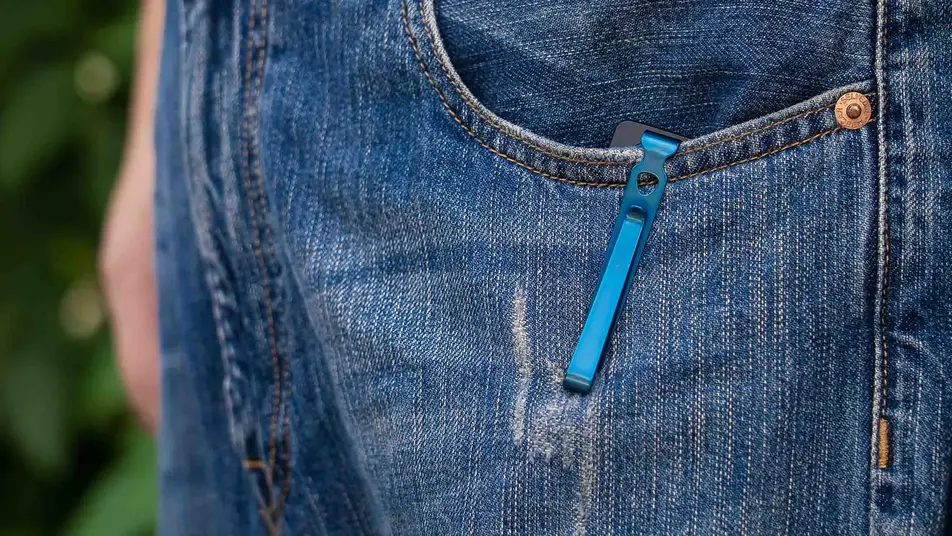
Integrating two distinct light sources into a pocket-friendly torch requires clever optical engineering. Modern multi-source designs typically utilize flat rectangular housings (like the Arkfeld Pro), placing the primary white LED, secondary 365nm UV emitter, and laser optic side-by-side behind a custom-engineered lens. This flat design glides smoothly into jeans pockets while keeping optical paths completely independent.
3. UV Output Compared with Dedicated Single-Purpose UV Torches
While dedicated multi-watt laboratory UV torches excel for commercial mining geology, modern dual-source torches deliver up to 900mW of 365nm radiant flux. This provides ample power to reveal fluorescent security threads in Australian polymer banknotes, detect pet urine residue on carpets from 2 meters away, and spot glowing gem veins in darkness.

Olight Baton 4
The gold standard in compact white-light EDC illumination. Delivers 1,300 lumens of pure floodlight for users prioritizing raw white-light performance and minimal pocket footprint.
Buy Now4. How Quickly Can You Switch From White Light to UV?
Interface design is critical for multi-source tools. Electronic press-and-hold menus often cause accidental mode changes. Incorporating a dedicated physical rotary selector wheel allows users to flick instantly between White Light, UV, and Laser modes with a single thumb movement, even while wearing heavy work gloves.
5. Accidental UV Activation and ARPANSA Eye Safety Standards
According to radiation safety public guidelines from the Australian Radiation Protection and Nuclear Safety Agency (ARPANSA), direct exposure to intense UV-A light can cause corneal fatigue. High-quality dual-source torches prevent accidental activation by using mechanical lockout switches and physical rotary dials. Never look directly into any UV emitter or point it toward pets and bystanders.
6. Which Everyday Australian Tasks Actually Use UV Light?
Do LED torches emit UV light?
Standard white LED torches do not emit ultraviolet (UV) light because their white spectrum is created using blue LED chips coated with yellow phosphor. To produce UV light, a torch must feature a specialized semiconductor emitter designed specifically for 365nm or 395nm wavelengths.
What is an UV LED flashlight used for?
A UV LED flashlight is used to excite fluorescence in materials invisible under normal light. Common applications include detecting pet urine stains, identifying security features on currency and passports, inspecting mineral and opal fluorescence, curing UV resins, and tracing HVAC refrigerant leaks.
What are the downsides of using UV light?
The primary downsides of using UV light include potential eye strain from direct exposure to invisible UV-A radiation, ineffective outdoor daytime visibility, and reduced battery runtime when operating high-radiant-flux UV emitters continuously.
10. Frequently Asked Questions (FAQ)
Last Updated: September 2026. Published with updated ARPANSA optical radiation safety standards, 365nm wavelength emitter comparisons, and multi-source rotary switch interface guidelines.
What unique fluorescent details will you inspect with a 365nm UV torch today?