Breaking down in the Australian Outback requires one fundamental rule: always stay with your vehicle. Your car provides critical shade and is far easier for aerial and road search teams to locate than a walking person. Carry at least 20 liters of emergency water per person, use heat-reduction strategies, and deploy high-visibility signal devices like the high-throw Warrior 3S torch, magnetic Obulb Pro S beacon light, and compact Baton 4 flashlight while awaiting rescue.
Surviving an Outback vehicle breakdown relies on staying with your car, conserving water, and signaling search teams. Leaving your vehicle in extreme heat rapidly leads to fatal dehydration. Equipping your vehicle with 20 liters of water per person, magnetic roof warning lights, and intense long-throw emergency torches ensures visible search-and-rescue detection across vast distances.
- 1. Quick Answer: Stay With Your Vehicle and the Reasons Why
- 2. Water, Shade, and Extreme Heat Management
- 3. Being Found: Light and Signal Visibility From Air and Road
- 4. Communication Options With No Mobile Signal
- 5. The Vehicle Emergency Kit That Actually Matters
- 6. What do you do if you break down in the outback?
- 7. Should you stay with your car?
- 8. How much water should you carry in the outback?
- 9. Frequently Asked Questions (FAQ)
1. Quick Answer: Stay With Your Vehicle and the Reasons Why
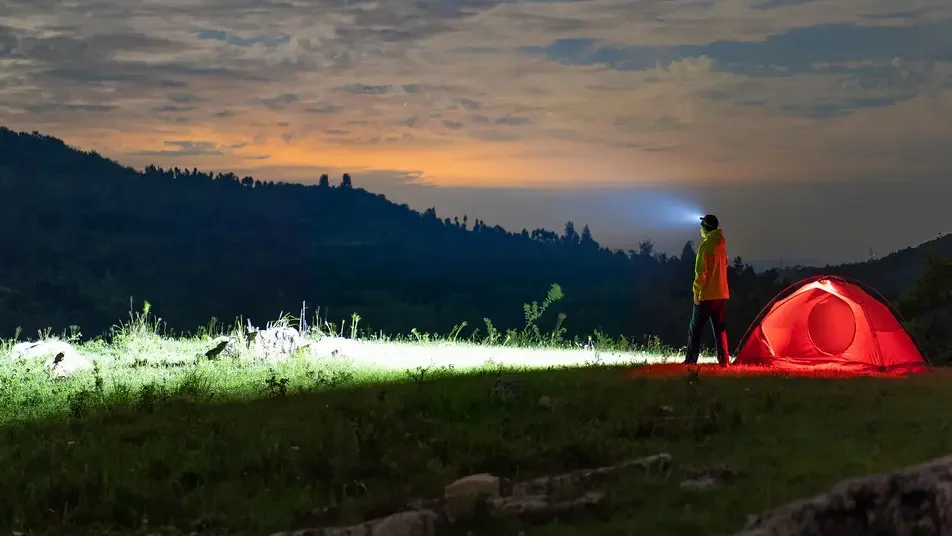
Experiencing a mechanical breakdown on remote Australian tracks like the Gibb River Road or Simpson Desert track can turn life-threatening without strict safety protocols. The most important survival mandate in the Outback is to never leave your stranded vehicle. A car provides shelter from scorching sunlight, holds critical water reserves, and represents a massive metallic target easily spotted by search planes and police patrols. Equip your vehicle with high-output illumination from Olight's emergency LED torches, hands-free head torches, multi-functional lantern lights, and heavy-duty outdoor equipment to maximize signal visibility.

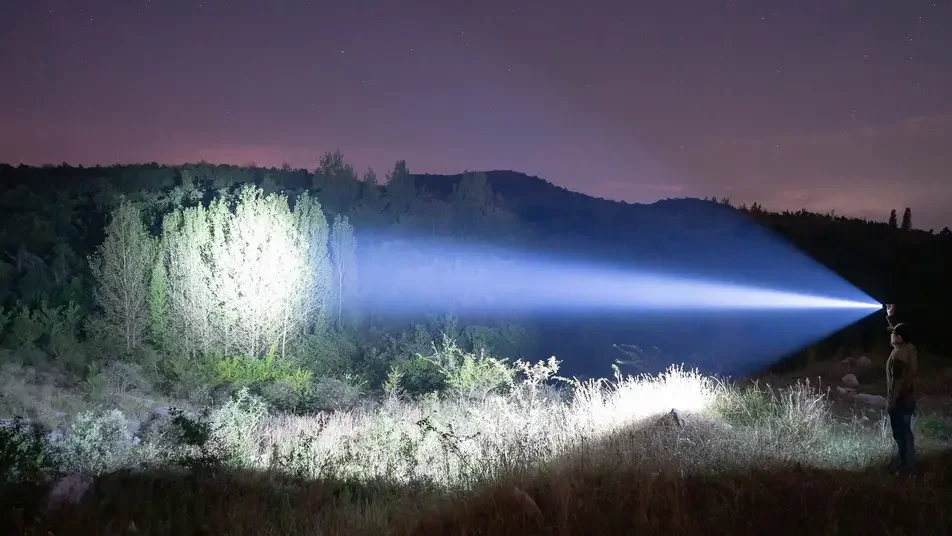
Olight Warrior 3S
The ultimate Outback signaling torch. Delivers a blinding 2,300-lumen long-throw beam with instant-access Strobe and Turbo modes, allowing stranded motorists to signal searching aircraft or distant highway vehicles from kilometers away.
Buy Now2. Water, Shade, and Extreme Heat Management
Search statistics from Australia’s Royal Flying Doctor Service (RFDS) indicate that over 90% of fatalities during remote breakdowns occur when individuals leave their vehicles to walk for help. Ambient daytime temperatures in the central Outback routinely exceed 42°C, causing severe heat exhaustion and fatal dehydration within hours. Rigorously follow these survival rules:
- Ration Water Sweat, Not Drinking: Drink water as needed to stay hydrated, but avoid physical exertion. Rest beneath vehicle awnings or tarps during peak sun hours (10 AM to 4 PM).
- Create Airflow Shade: Sit outside in the shadow cast by your vehicle rather than inside a hot, unventilated cabin. Rig an awning using a tarp tied to your roof rack.
- Keep Hood Closed Until Engine Cools: Never open a boiling radiator cap immediately; allow the engine block to cool down completely before inspecting coolant hoses with a flashlight.

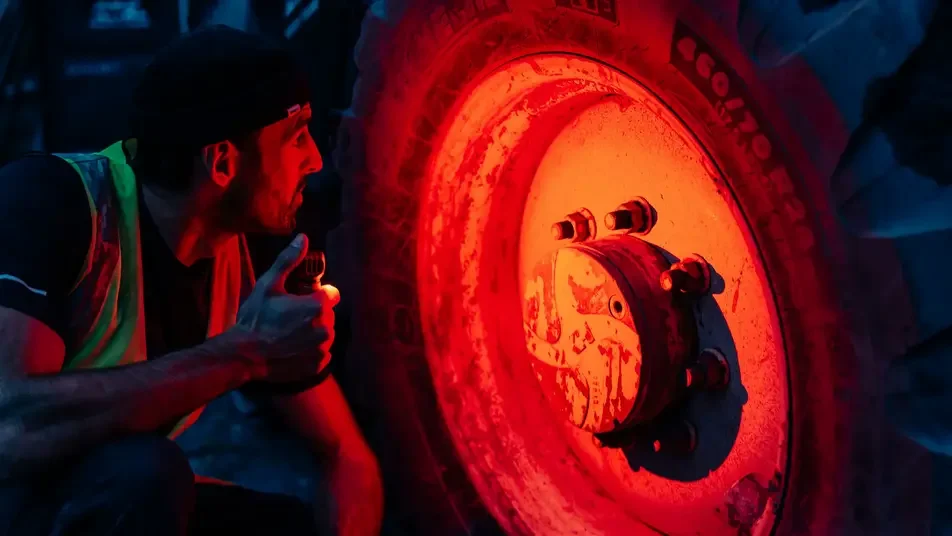
Olight Obulb Pro S
Essential roadside safety beacon. Powerful magnetic base attaches instantly to your 4WD roof rack or bonnet, casting steady illumination or flashing red warning beacons to alert passing drivers after nightfall.
Buy Now3. Being Found: Light and Signal Visibility From Air and Road
When search-and-rescue teams deploy aircraft or road patrols, visual contrast is paramount. At night, sweeping an intense long-throw beam like the Warrior 3S across the horizon creates an immediate visual beacon for pilot search goggles. Mounting magnetic lights like the Obulb Pro S on vehicle roofs ensures continuous 360-degree recognition without draining your vehicle's main starter battery.

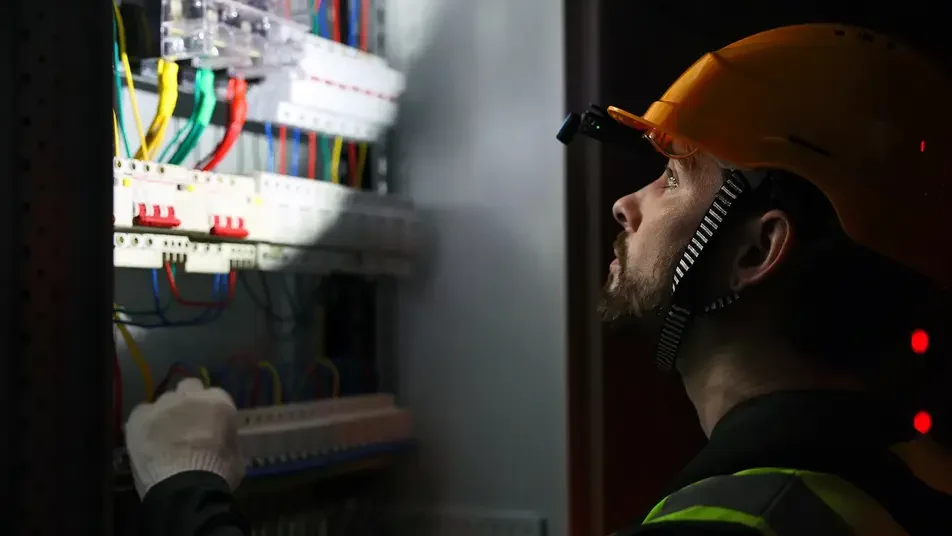
Olight Baton 4
High-output palm-sized emergency torch. Ideal for inspecting engine bays, checking tyre pressure, or illuminating night camp setups while waiting for Outback roadside support.
Buy Now4. Communication Options With No Mobile Signal
Over 75% of Australia’s landmass has zero mobile network reception. When travelling unsealed Outback roads, never count on mobile phones for emergency calls. Essential off-grid communication options include Personal Locator Beacons (PLB / EPIRB), Satellite Messengers (Garmin inReach or ZOLEO), and 80-channel UHF vehicle radios to communicate with passing road trains.
5. The Vehicle Emergency Kit That Actually Matters
A complete remote vehicle survival kit goes beyond standard tire jacks. Stock your 4WD with heavy-duty recovery tracks, a dual-piston 12V air compressor, a comprehensive trauma first aid kit, 20 liters of emergency water per person, high-lumen tactical lighting, and non-perishable food supplies to sustain your household comfortably for 3 to 5 days.
What do you do if you break down in the outback?
If you break down in the Outback, pull your vehicle safely off the main track, stay with your car, construct shade using an awning or tarp, conserve water, and activate satellite communication devices or long-range emergency signal lights to attract search crews.
Should you stay with your car?
Yes, you should always stay with your car during an Outback breakdown. Your vehicle provides vital shade, contains water reserves, and is vastly easier for aerial and ground rescue teams to locate than an individual walking in open terrain.
How much water should you carry in the outback?
You should carry at least 4 to 5 liters of drinking water per person per day, plus an additional 20-liter emergency reserve tank per vehicle when traveling remote Australian tracks.
9. Frequently Asked Questions (FAQ)
Last Updated: September 2026. Published with updated Royal Flying Doctor Service (RFDS) remote survival guidelines, Outback water ration standards, and aerial light visibility signal benchmarks.
What essential piece of emergency equipment sits in your vehicle's glove box?