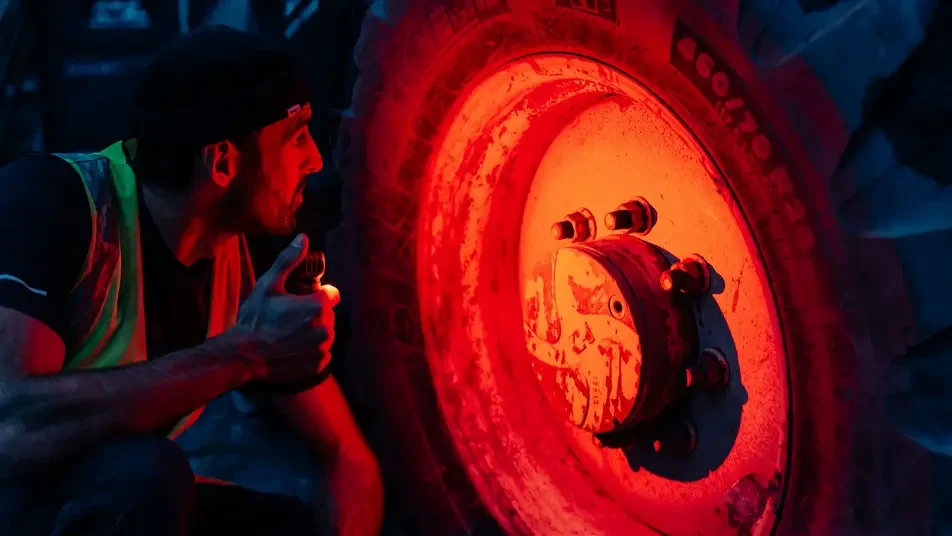
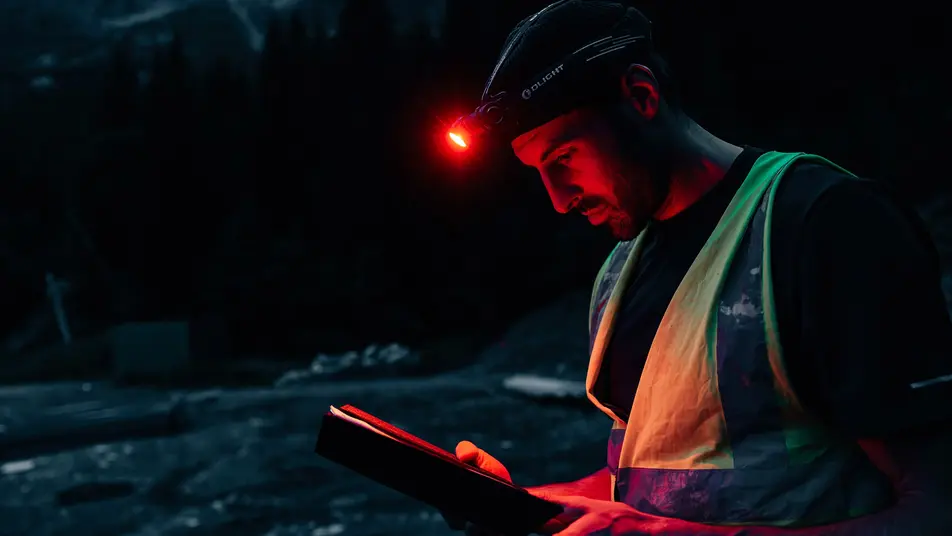
TL;DR: Searching for a reliable red light torch? Don’t confuse high-intensity red light therapy torch devices for pain relief with tactical illumination tools designed for night vision. Red light preserves human dark adaptation, deters insects, and avoids scaring nocturnal wildlife. This comprehensive guide details key optical differences, Australian field applications, and reviews top-performing, ultra-durable red illumination torches for camping, hunting, and stargazing.
Red light technology serves two entirely different purposes: physical wellness and outdoor illumination. While many search for a red light therapy torch to target muscle pain and boost skin health, others require a heavy-duty red light torch for navigating the dark. Understanding the differences between these technologies ensures you select the correct tool for your needs. Choosing an improperly specced light can result in wasted money, severe eye strain, or spoiled nocturnal outings—making high-clarity optical performance and rugged build quality non-negotiable for serious outdoorsmen.
This guide clarifies these distinctions, explores the practical advantages of red light in outdoor environments, and reviews the top illumination torches available.
Table of Contents
Why Red Light Preserves Your Night Vision
Human eyes use two main types of photoreceptors: cones for color vision in bright light, and rods for monochrome vision in low light. Rod cells contain a light-sensitive photopigment called rhodopsin.
When exposed to bright white light, rhodopsin instantly breaks down, neutralizing your night-adapted vision. It takes up to thirty minutes in complete darkness for the eyes to fully adapt again. According to human physiological studies archived by NASA, preserving rod adaptation using specific low-energy red spectra is critical for astronauts and pilots to maintain instant situational awareness without suffering dark-adaptation lag.
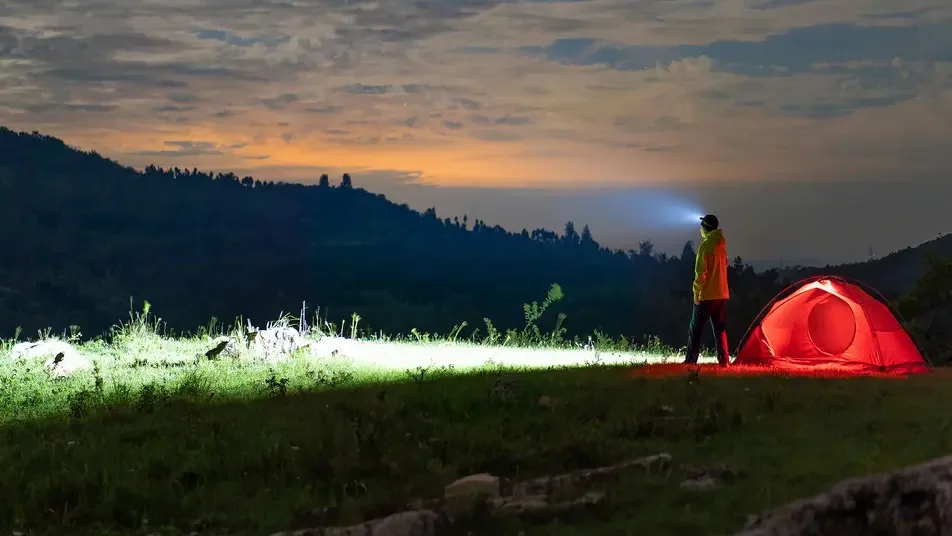
Rods are significantly less sensitive to longer wavelengths of light, specifically those in the red spectrum (above 620 nanometers). Using a torch with red light allows you to illuminate your immediate surroundings without bleaching your rhodopsin levels. This ensures you maintain your peripheral night vision and situational awareness in the dark, keeping you safe on treacherous hiking trails and preventing disorientation when stepping away from campsite campfires.
Red Light Torch vs Red Light Therapy Torch — Not the Same!
It is common to confuse an illumination red light torch with a specialized red light therapy torch. However, they serve completely different purposes and operate on distinct scientific principles. Buying a standard torch hoping to treat joint pain will fail, just as buying a therapeutic tool will fail to illuminate a distant campsite trail.
- Red Light Torch (Illumination): These devices use standard red LEDs to project visible red light. The primary goal is to provide external illumination, preserve night vision, and remain low-profile. They do not emit the specific healing wavelengths or power density required to penetrate human tissue. They are optimized for beam distance, battery efficiency, and drop-resistant housing.
- Red Light Therapy Torch (Wellness): These devices are designed specifically for biological interaction. In clinical research compiled by the National Center for Biotechnology Information (NCBI), photobiomodulation requires focused 660nm visible red and 850nm near-infrared wavelengths to stimulate cellular cytochrome c oxidase. These devices deliver high-intensity energy directly to the skin to stimulate mitochondrial activity, reduce inflammation, and accelerate tissue repair.
If your goal is skin treatment or joint relief, you must purchase a dedicated red light therapy torch. If your goal is navigation, stargazing, or wildlife spotting, you need an outdoor illumination torch.
5 Aussie-Specific Uses
Using a red light torch in the Australian outdoors provides several practical advantages over standard white beams.
Outback Stargazing (Milky Way Core)
The Australian Outback offers some of the clearest night skies in the world. Using white light ruins your ability to resolve faint stars and distant nebulae. A red light allows you to adjust telescope settings, swap camera lenses, and read star charts without compromising your eyes' adaptation to the darkness. It keeps your eyes continuously primed for deep-sky observation throughout long astrophotography sessions.
Wildlife Spotting
Many Australian marsupials, such as possums, gliders, and pademelons, are nocturnal. Standard white beams startle these animals, causing them to flee. Most nocturnal wildlife cannot perceive long-wavelength red light clearly, allowing you to observe their natural behaviors undisturbed. It offers eco-tourists and nature photographers a non-intrusive way to capture stunning nighttime sightings.
Hunting Approach
For hunters tracking game at dawn or dusk, stealth is critical. A red light beam does not cast the harsh, high-contrast shadows that white light does, making it far less likely to alert target animals as you navigate through the bush. Equipping a weapon-mountable or pocket-sized red torch ensures seamless movement through dense scrub unnoticed.
Reading Maps in Camp
Reading topographical maps in your tent with a bright white light causes severe eye strain and temporarily blinds you when you turn the light off. Low-intensity red light provides high-contrast visibility for text and contour lines while keeping the campsite dark, ensuring you don't wake up sleeping campmates inside compact tents.
Baby Room Night Care
Whether you are camping with family or at home, checking on infants at night requires subtle lighting. Red light allows you to navigate the room and attend to your child without disrupting their sleep cycle or fully waking them up, making it a versatile tool that transitions seamlessly from outdoor adventures to domestic family life.
Top 5 Red Light Torches Reviewed
#1 Best Overall: Olight Perun 3 (Multi-Color)
The Olight Perun 3 Versatile Led Rechargeable Head Torch from Head to Hand is a premier multi-use lighting tool. It seamlessly combines a high-power white beam with dedicated red light modes to cover all tactical, industrial, and outdoor scenarios. Its L-shaped right-angle design allows effortlessly transitioning from a headlamp to a handheld flashlight in seconds.
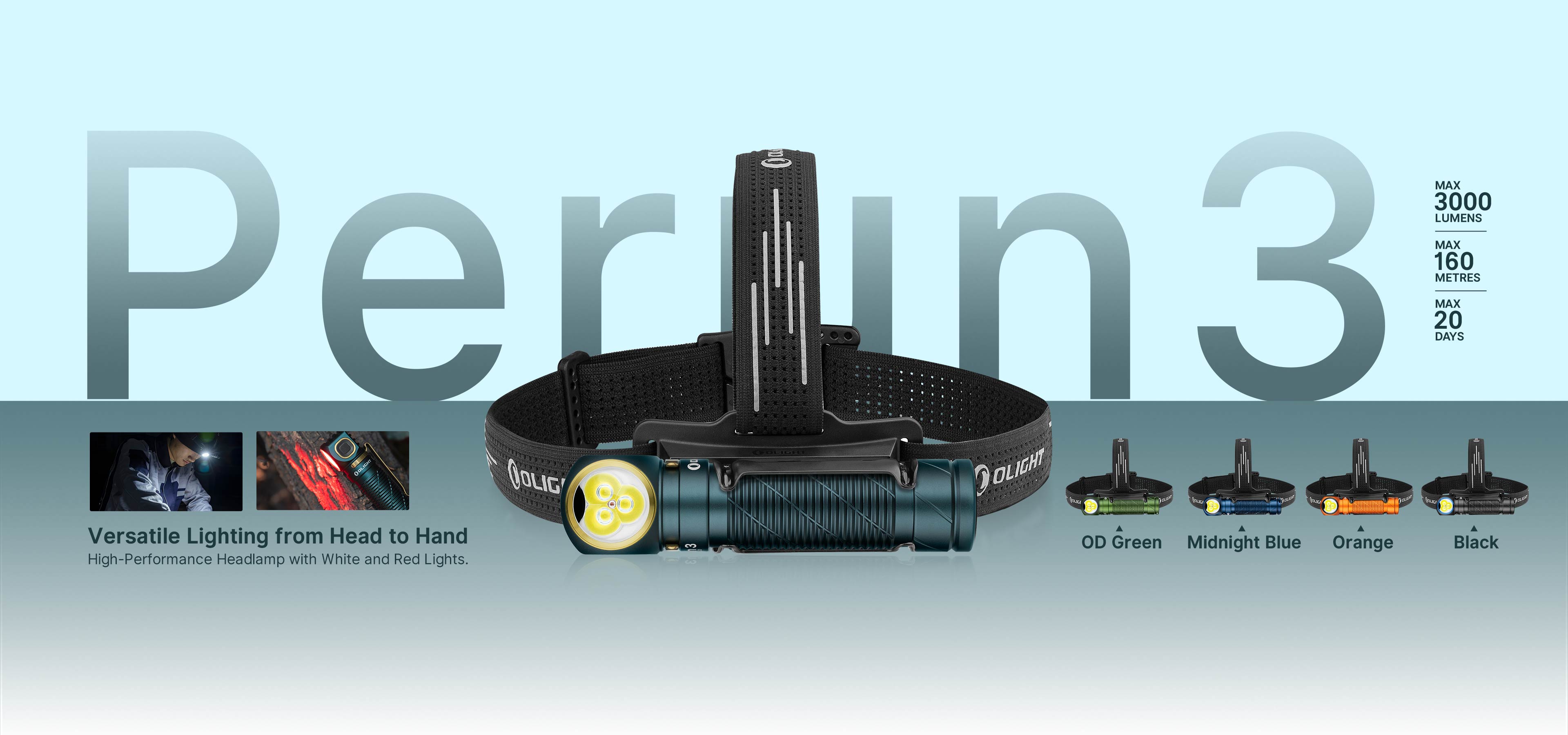
- Dual Light Source: Delivers up to 3,000 lumens of white light and features 2 distinct red light modes for non-glare close-range tasks and emergency signaling.
- Hands-Free Versatility: Comes with a comfortable headband, magnetic tail cap, and pocket clip for head-mounted or stationary use.
- Long Runtime: Powered by a customized 5000mAh 21700 battery, offering up to 20 days of runtime on Moonlight mode, eliminating battery anxiety during off-grid wilderness trips.
- Durability: Features an IP68 waterproof rating and 1.5-meter impact resistance built to endure rugged Australian conditions.
#2 Best EDC Red-Light Torch: Olight Baton 4 with Red Filter
The Olight Baton 4 is a micro-sized everyday carry powerhouse. When paired with a slip-on red filter, it transforms from a high-output white EDC light into an ideal tool for low-profile night navigation. It offers supreme versatility without forcing you to carry dedicated single-color flashlights.
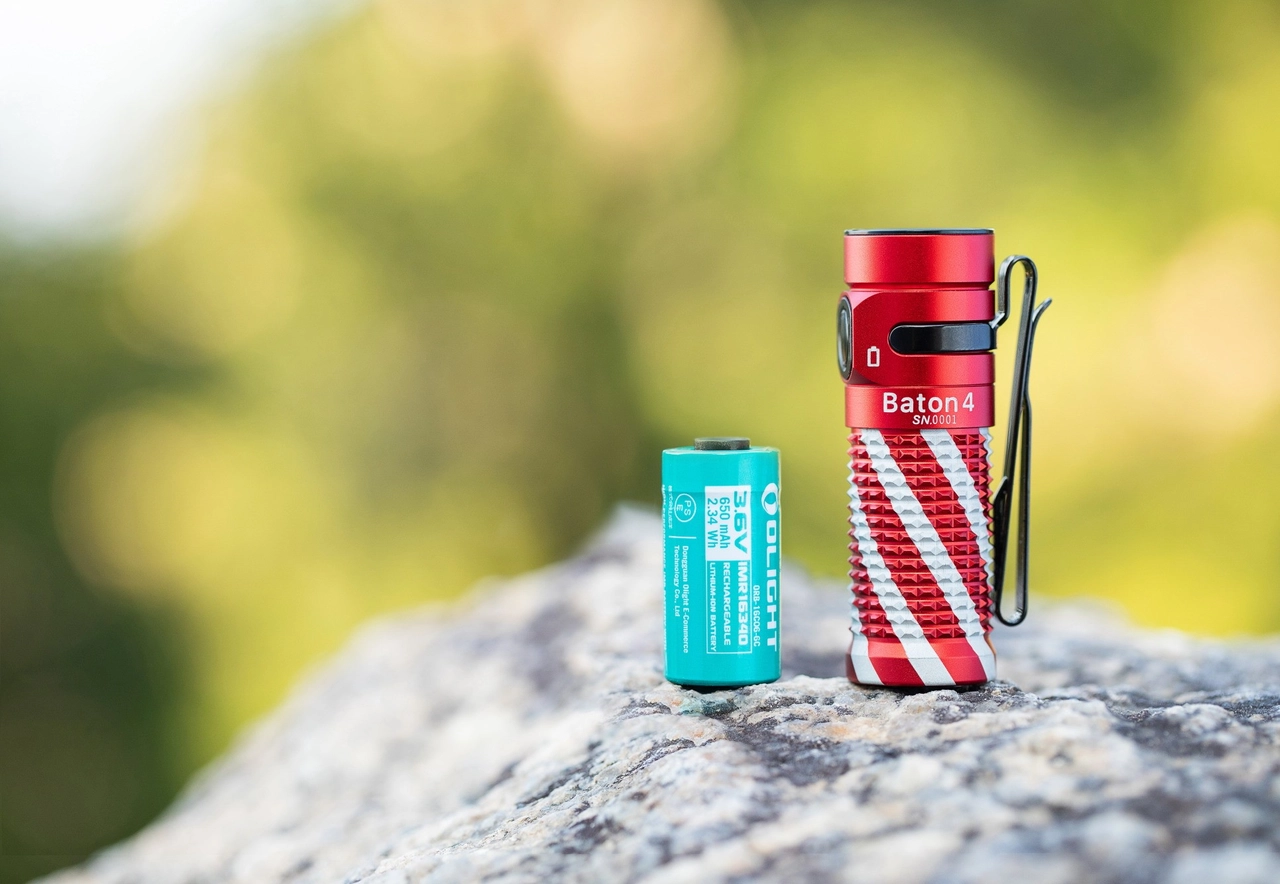
- Compact Size: Easily fits into coin pockets or clips onto hat brims for lightweight EDC carry.
- High Performance: Reaches up to 1,300 lumens with the standard white LED before filtration to punch through pitch-black surroundings when needed.
- Upgraded Switch: Features a tactile metal side switch and laser-microperforated battery indicators for intuitive, blind operation in the dark.
#3 Best for Stargazing: Olight Perun 3 Mini (True Red Mode)
For users who want a lighter headlamp option, the Perun 3 Mini delivers a dedicated red light setting in an incredibly lightweight chassis. It is purpose-built for night sky observers who prioritize comfort during long astronomy sessions.
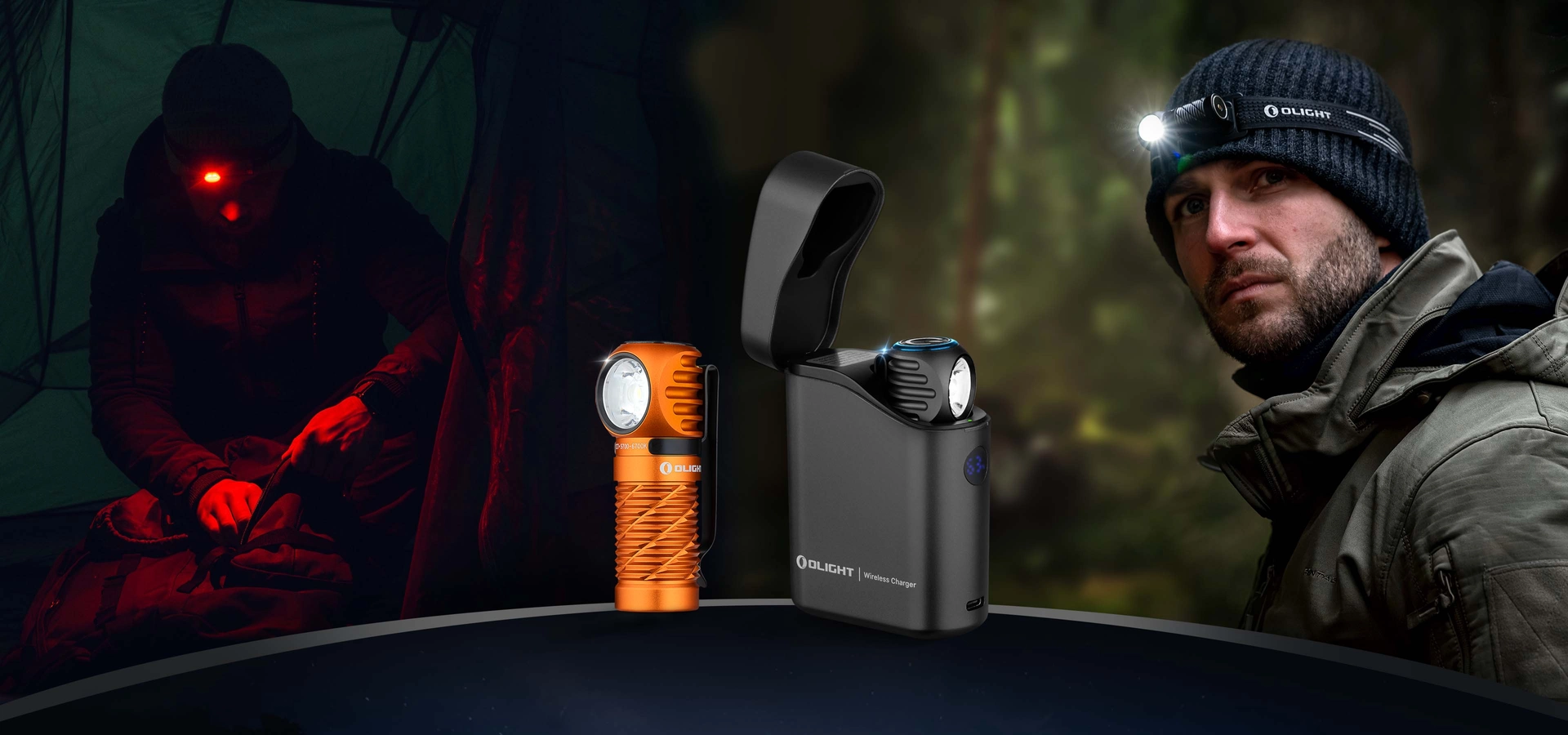
- Weightless Design: Sits comfortably on the forehead during long stargazing sessions without causing headband pressure headaches.
- Direct Access: Allows immediate activation of the red LED to prevent accidental white-light blinding and keep dark-adapted vision intact.
- Magnetic Charging: Utilizes the reliable MCC1A cable for fast charging at home or via portable power banks.
#4 Best for Hunting: Olight Warrior X 4 with Red Filter
When long-distance throwing power is required, the Warrior X 4 combined with a red filter provides a high-intensity red beam capable of reaching deep into the bush. It turns long-range scanning into a seamless, high-clarity experience.
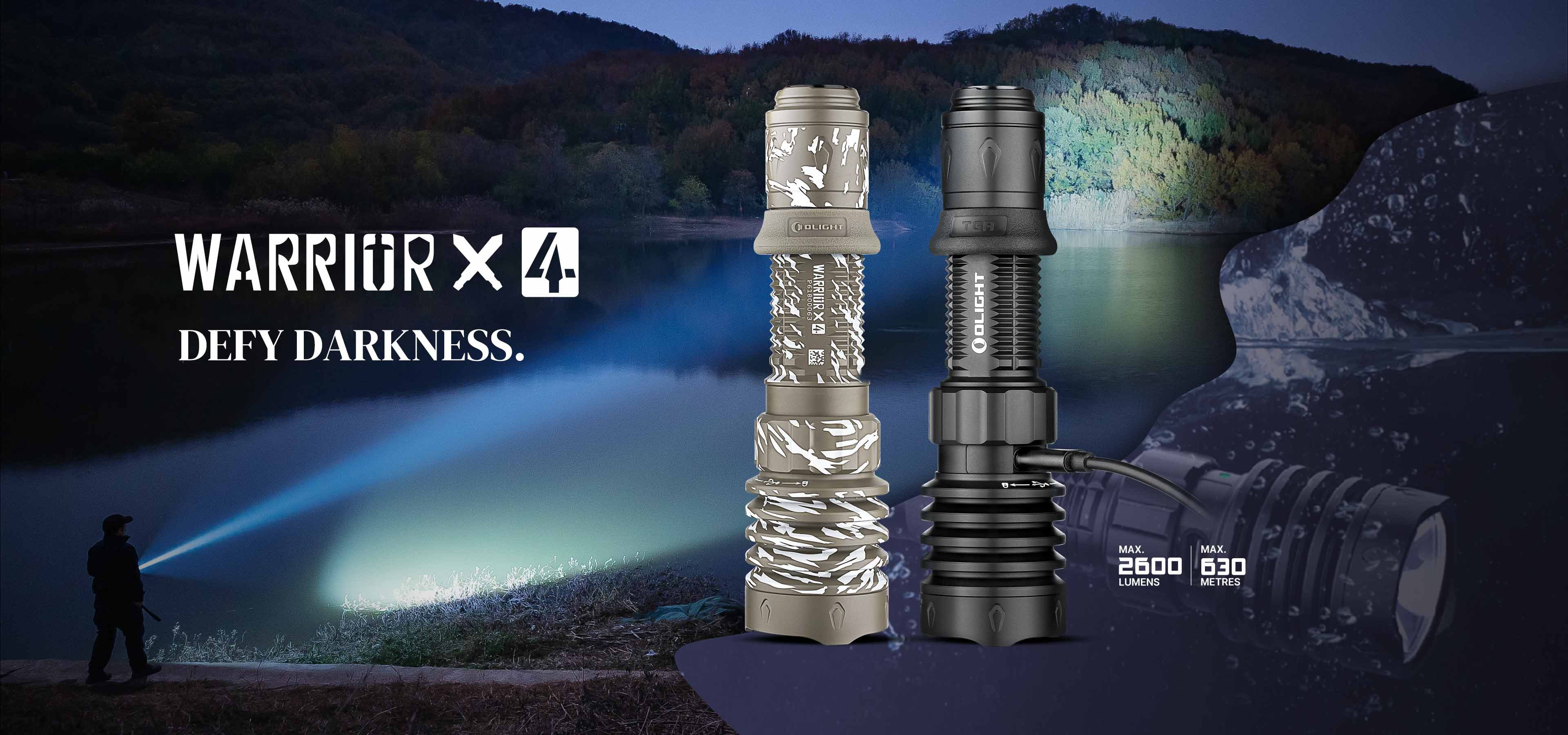
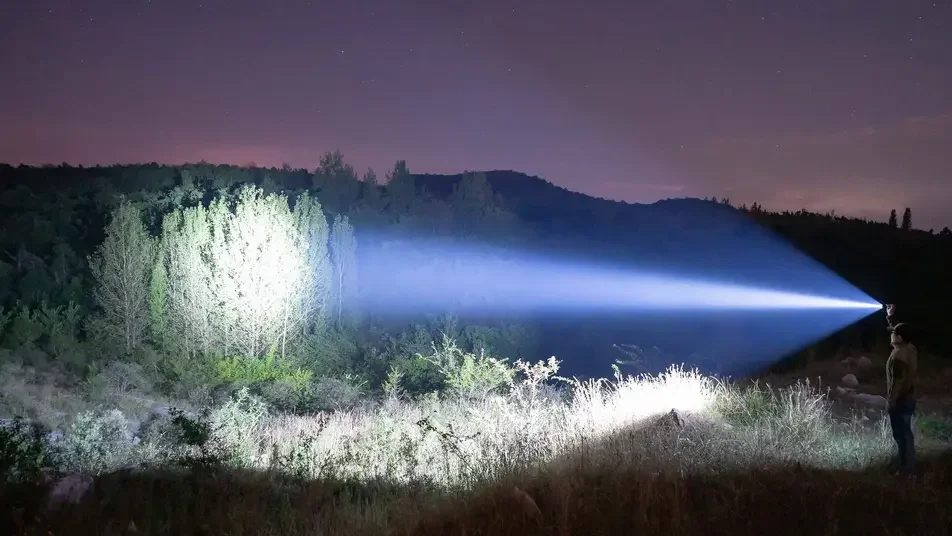
- Extreme Throw: Projects a highly focused beam for long-range target identification across open paddocks and dense timber.
- Tactical Tail Switch: Offers quick, decisive access to momentary and constant-on modes even while wearing thick gloves.
- Heavy Duty: Built with a rugged aluminum body and strike bezel to handle harsh field environments and heavy weapon recoil.
#5 Best Budget Red-Light Torch: Olight i3T EOS with Red Filter
For a simple, cost-effective backup option, the AAA-powered i3T EOS with a red filter provides dependable low-light utility without breaking the bank. It is the perfect entry-level companion to toss into glove boxes or bug-out bags.

- Common Battery: Runs on a single, easy-to-source AAA battery available in any remote outback petrol station.
- Dual-Direction Clip: Clips onto pockets, gear bags, or cap brims for hands-free tasks around camp.
- Simple Interface: Features a tactical clicky tail switch for straightforward operation with simple single-handed clicks.
FAQ (Does red light attract insects less?)
Q: Does red light attract fewer insects than white light?
A: Yes. Most flying insects, such as moths, mosquitoes, and beetles, are highly attracted to ultraviolet and blue light spectrums, which are highly prevalent in cool-white LED beams. Because insects lack photoreceptors for longer wavelengths, they cannot see red light well, meaning a red light beam attracts significantly fewer bugs around your campsite or face. Switching to a red light beam while eating or relaxing outdoors drastically reduces annoying bug swarms, giving you a far more comfortable campsite experience.