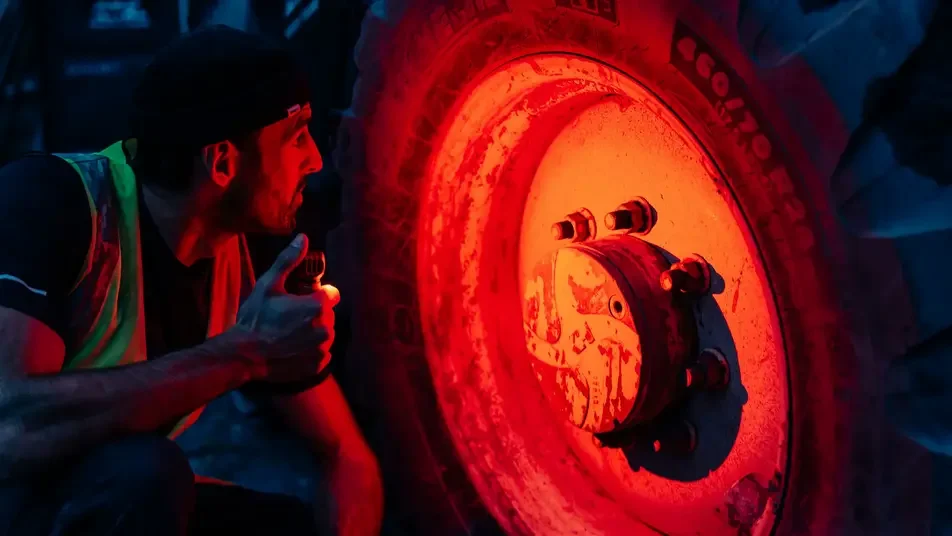
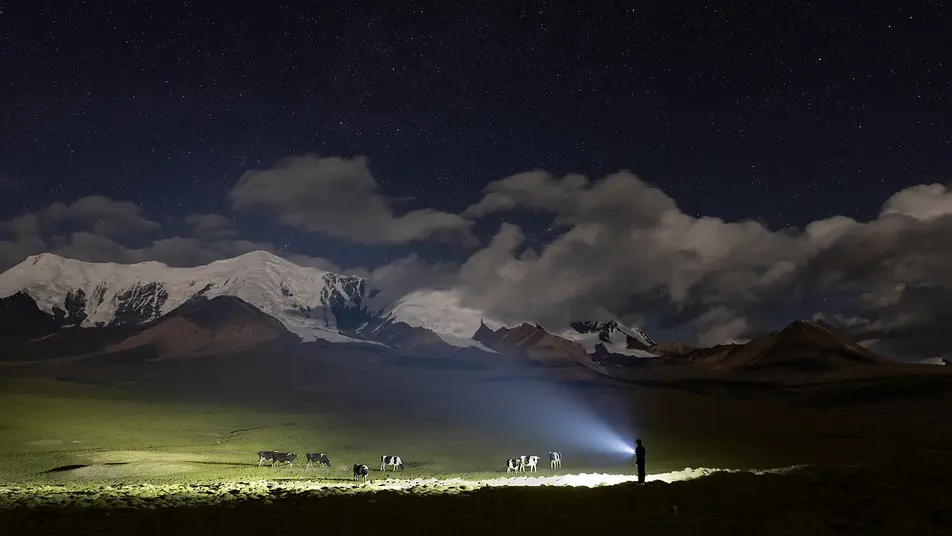
Choosing the right torch light in Australia depends heavily on your specific environment, whether traversing remote Outback tracks, navigating coastal rocks, or managing campsite chores. A reliable torch buying guide Australia prioritises beam distance, continuous thermal regulation, and water resistance over raw peak lumen figures. This directory organises essential buying paths, technical benchmarks, and activity profiles so you can pinpoint the best gear for your next outdoor venture.
| Activity Focus | Primary Requirement | Key Spec Target | Recommended Category |
|---|---|---|---|
| Camping & Bushcraft | Balanced flood, camp area utility, high endurance | 300–1,000 lm, long runtime | Versatile EDC / Camp Headlamp |
| 4WD & Outback Touring | Long-distance spotting, emergency power hub | 1,000m throw, powerbank function | Heavy-duty Search Spotlight |
| Night Fishing & Marine | High water sealing, wide peripheral flood | IPX8 submersion rating | Waterproof Compact Floodlight |
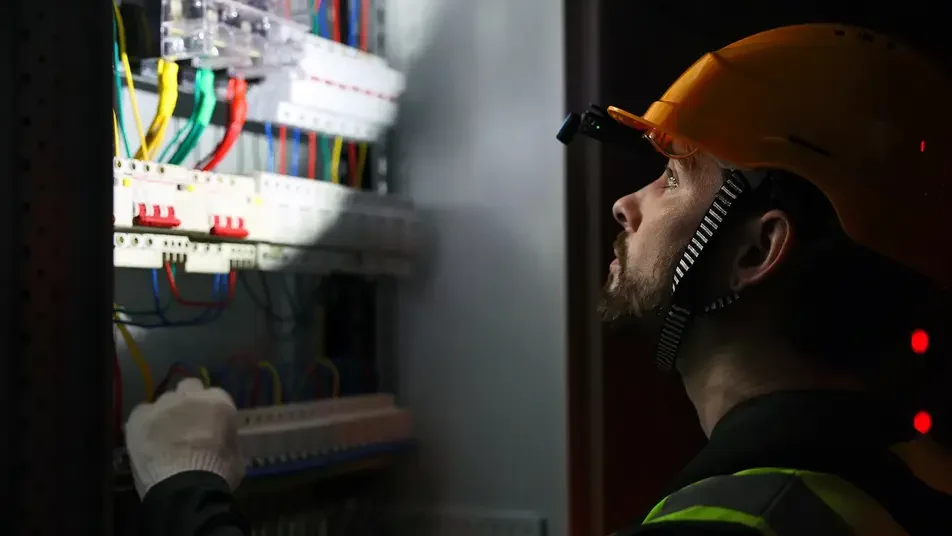
| Trades & Field Repairs | Hands-free magnetic base, high impact resistance | Neutral white, broad beam | Worklight / Right-angle Torch |
Navigating the modern illumination market can feel overwhelming when comparing hundreds of portable torches. Between complex ANSI/NEMA FL1 performance standards, distinct lithium battery chemistries, and differing beam optics, selecting the best flashlight Australia requires matching engineering specifications directly to real-world demands. This pillar guide cuts through misleading marketing ratings to deliver structured decision pathways, comprehensive buying breakdowns across core activities, and clear test metrics designed specifically for harsh Australian operating conditions.
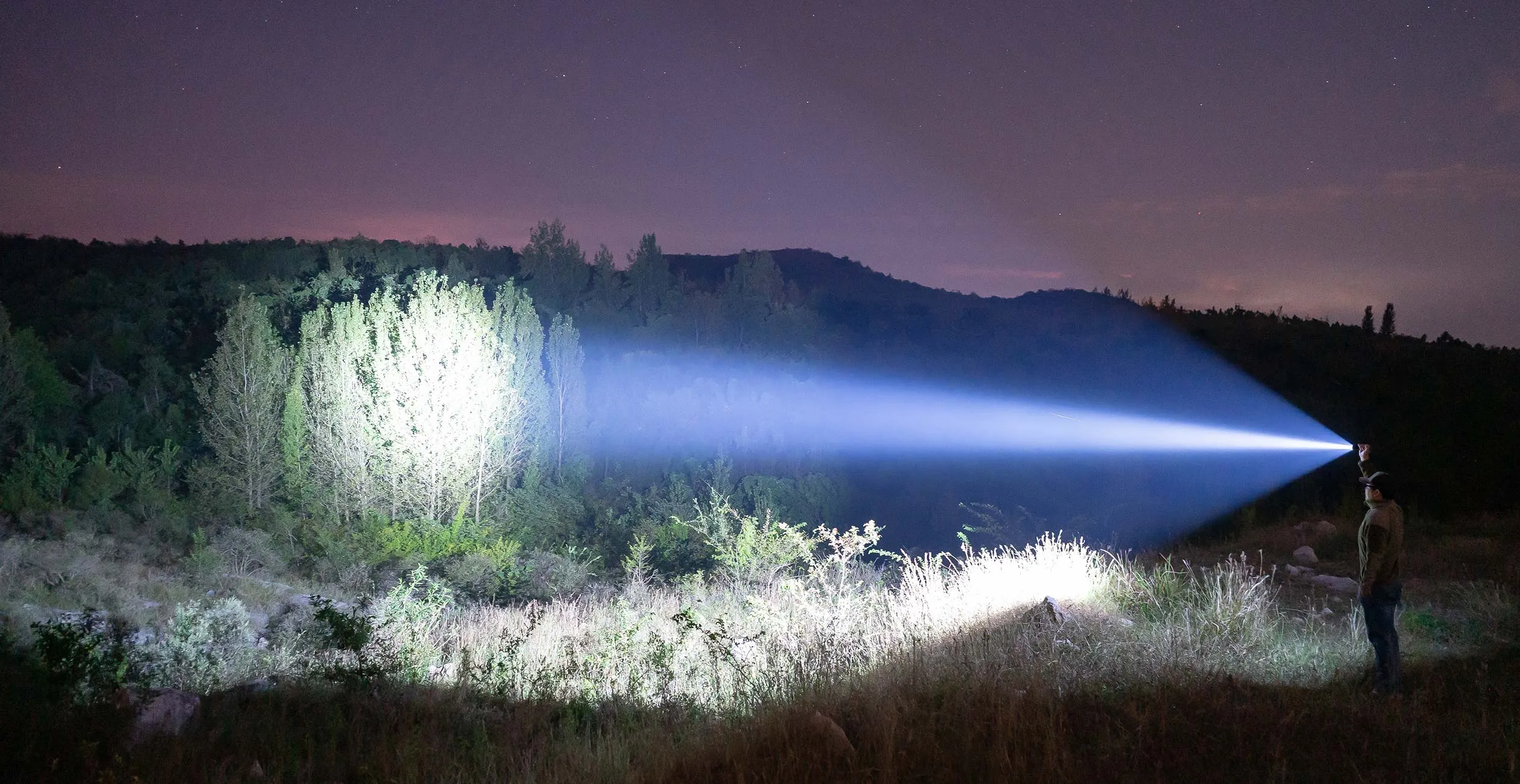
Quick answer: pick your path (beginner / buying / technical / activity / troubleshooting)
To find what you need quickly, select the curated route matching your current research stage:
- Beginner Path: Ideal if you are new to modern LED flashlights and want to understand terminology like candela, lumens, and IP ratings before browsing hardware.
- Buying Path: Direct category comparisons targeting form factors, such as pocket EDC, tactical searchlights, heavy-duty flooders, and headlamps.
- Technical Path: In-depth breakdowns of optical profiles (TIR lenses vs smooth reflectors), lithium battery form factors (21700 vs 46950), and step-down thermal regulation.
- Activity Path: Tailored setups for 4WD touring, offshore angling, campsite management, night running, and mechanical trade work.
- Troubleshooting Path: Fast diagnostics for parasitic drain, lock-out modes, tailcap contact cleaning, and battery charging cycles.
Beginner path: five articles in order
If you are building your foundational knowledge, read these topics in order:
- Understanding Lumens vs Candela: Why total light volume (lumens) means little without beam concentration (candela) when projecting light across large distances.
- Beam Profiles Explained: How flood beams provide broad situational awareness up close while spotlight throw beams punch through darkness.
- IP Water and Dust Ingress Ratings: Decoding IPX4, IPX7, and IPX8 ratings to ensure your torch survives river drops and torrential rain.
- Battery Chemistry and Safety: The functional differences between rechargeable Li-ion cells, integrated battery packs, and emergency disposable primary cells.
- User Interfaces and Thermal Throttling: How step-down regulation preserves internal electronics and how dual-stage tactical switches operate.
Buying path: every Australian buying guide by category
Choosing hardware requires balancing physical mass, output endurance, and optical configuration. Compact everyday carry (EDC) units fit comfortably in pockets for daily utility, while tactical platforms provide instant strobe access and aggressive bezels. For high-demand outdoor excursions, high-output searchlights and specialized field tools deliver uncompromising coverage. Check out current seasonal opportunities such as the Warrior series O-fan Day Clearance Sale for tactical options designed for harsh field environments.

Ultimate High-Output Spotlight & Floodlight
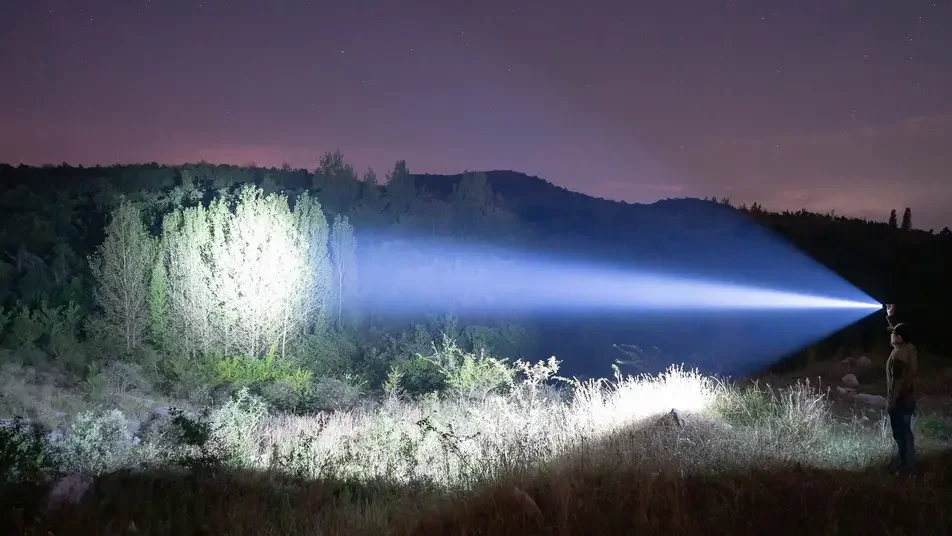
Delivering a massive 25,000 lumens flood output and a focused 1,000-metre throw beam, the Marauder 3 combines severe search capability with an integrated 31,900mAh battery that doubles as a 30W USB-C emergency power bank for long-distance touring.
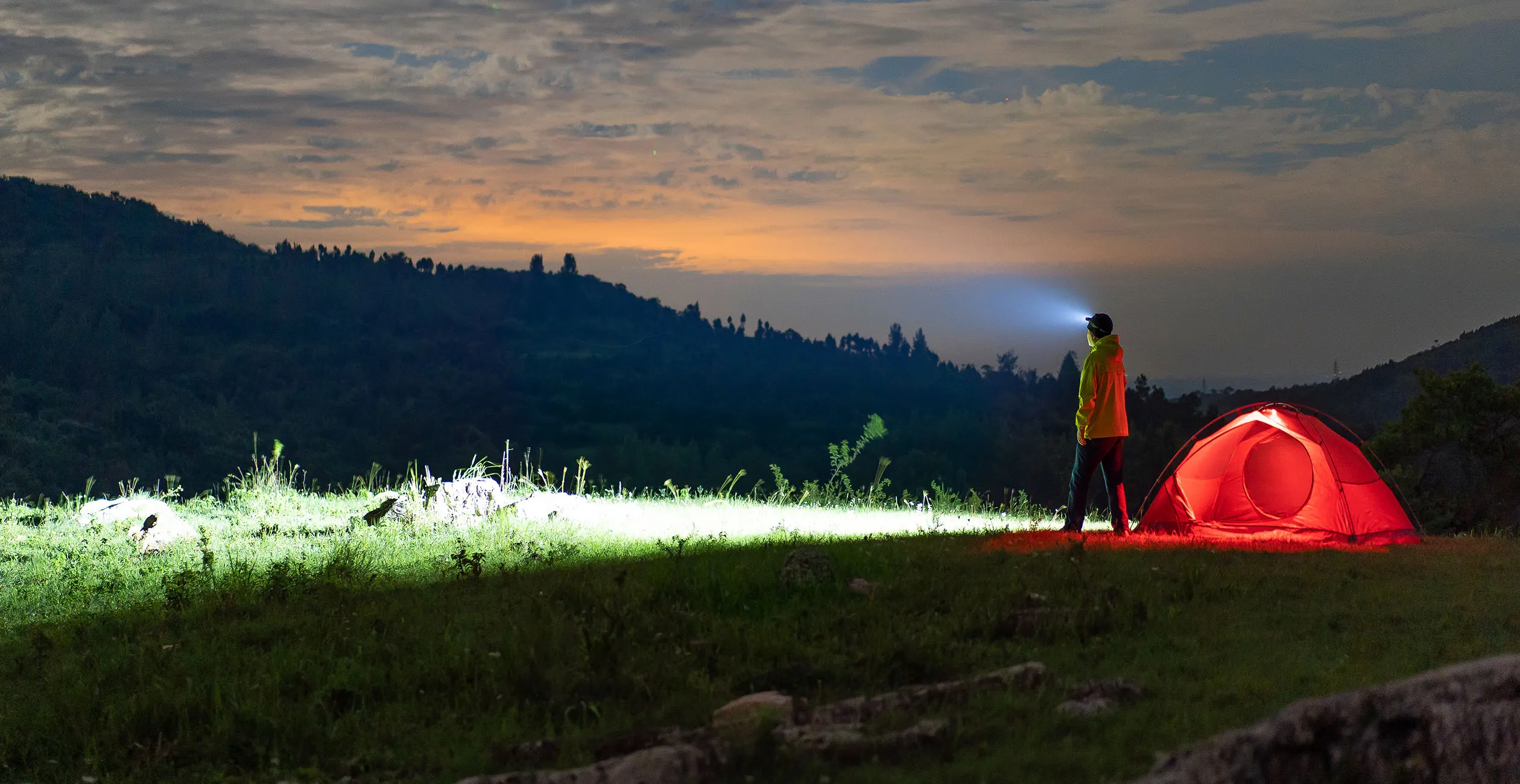
Activity path: camping, 4WD, fishing, running, trade work
Tailoring equipment to your activity ensures you carry neither excessive weight nor insufficient light:
Camping and Bushcraft
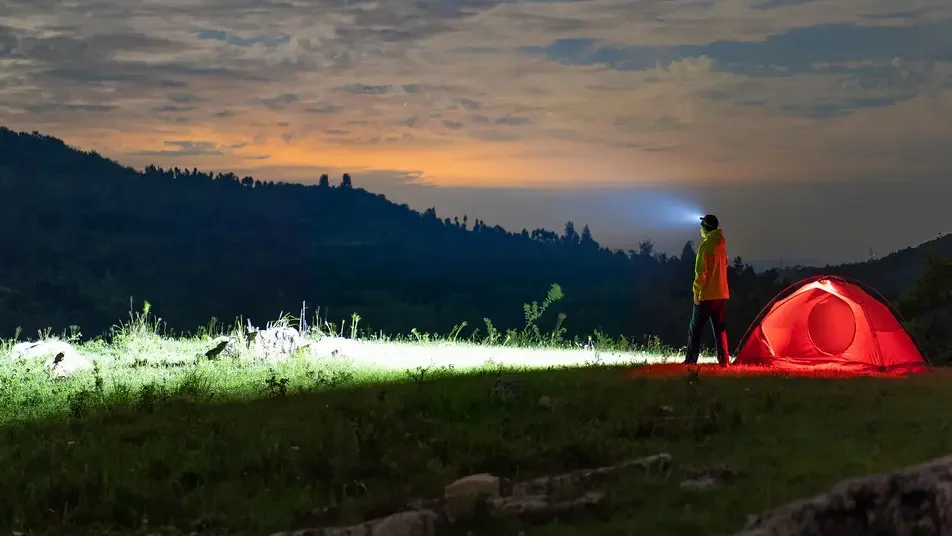
The best camping torch Australia features a balanced floodlight mode and low-output moonlight settings (0.5 to 5 lumens) that preserve night-adjusted vision inside tents. Reliable camp prep also demands dependable edge tools; the HX OUTDOORS FT-19 FALCILUX Folding Hatchet provides a compact DC53 steel edge with an integrated peg hammer to complement your field camp gear.
4WD Touring and Recovery
Finding the best torch for 4WD Australia requires prioritizing long-range beam throw and rugged aluminium alloy construction. Spotting track hazards, gate locks, or wildlife hundreds of metres ahead requires focused candela ratings above 100,000 cd. Units featuring bidirectional fast charging also double as backup battery banks during off-grid vehicle recovery.
Night Fishing and Marine Environments
A top-tier best fishing torch Australia requires high ingress protection. Salt spray and sudden drops into rock pools demand full IPX8 submersible ratings. Broad flood illumination assists in rigging tackle and landing fish safely without disorienting glare on choppy water surfaces.
Targeted Shooting and Sport Optics
For specialized tactical and sport applications requiring rapid precision, paired optical sighting systems ensure rapid target alignment. The Osight R Micro T1/T2 Footprint Enclosed Red Dot Sight provides multi-reticle versatility and night vision compatibility built within a rugged 7075-T6 aluminium housing.
Our Australian test methodology and data
Field validation follows strict evaluation criteria aligned with industry measurement protocols:
- Luminous Flux and Step-Down Timing: ANSI/NEMA FL1 standards stipulate measuring peak output precisely 30 seconds after activation, tracking how actively thermal sensors throttle output to prevent overheating (Source: American National Standards Institute).
- Beam Throw Distance: Throw distance is calculated using the inverse square law to the point where beam intensity drops to 0.25 lux (equivalent to full moonlight).
- Thermal Dissipation in Ambient Heat: Evaluating housing temperature stabilization under typical Australian summer ambient conditions (25°C to 38°C).
- Ingress Sealing: Laboratory submersion testing confirming structural seal integrity under 2 metres of freshwater for 30 minutes in accordance with standard IPX8 requirements (Source: International Electrotechnical Commission).
| Evaluation Metric | Standard Benchmark | Field Significance |
|---|---|---|
| ANSI Sustained Output | Output maintained after initial 3-minute burst | Prevents sudden darkness during trail navigation |
| Candela Peak Intensity | Direct centre-beam lux measurement at distance | Ensures penetration through dust, mist, and foliage |
| IPX8 Sealing Integrity | Continuous submersion beyond 1 metre | Protects electronics during sudden downpours and boat wash |
Update log
This guide is maintained continuously to reflect changing illumination technologies and product availability. Key revisions include:
- Spring Refresh: Updated comparative metric tables and incorporated high-capacity 46950 cell thermal management data.
- Winter Review: Standardized beam throw calculation methods against latest ANSI/NEMA FL1 guidelines for consistent outdoor ratings.
- Autumn Architecture Update: Consolidated category buying paths for 4WD touring and night fishing into structured, navigable modules.
Frequently Asked Questions
Where do I start if I know nothing about torches?
Begin with your primary use case rather than peak lumens. For general household and campsite utility, look for a compact rechargeable torch outputting 300 to 1,000 lumens with a smooth flood beam. Prioritise USB-C recharging convenience and an IPX8 waterproof rating to ensure long-term durability.
Where are your Australian test results?
Our performance benchmarks use standardized ANSI/PLATO FL1 measurement protocols conducted under controlled ambient conditions. Outputs, runtimes, and beam distances reflect sustained performance figures rather than momentary burst spikes, ensuring genuine reliability in the field.
What should I read before buying?
Before purchasing, review the sustained runtime curve and beam profile (flood vs spotlight throw). A torch rated at 25,000 lumens will naturally step down to manage internal heat; verify that its continuous medium settings (500 to 2,000 lumens) match your expected task duration.